3 hours
No Cancel
100 people
English, Espanol, Francais, Japanese, Vietnamese
Some museums preserve history. The Hiroshima Peace Memorial Museum preserves humanity.
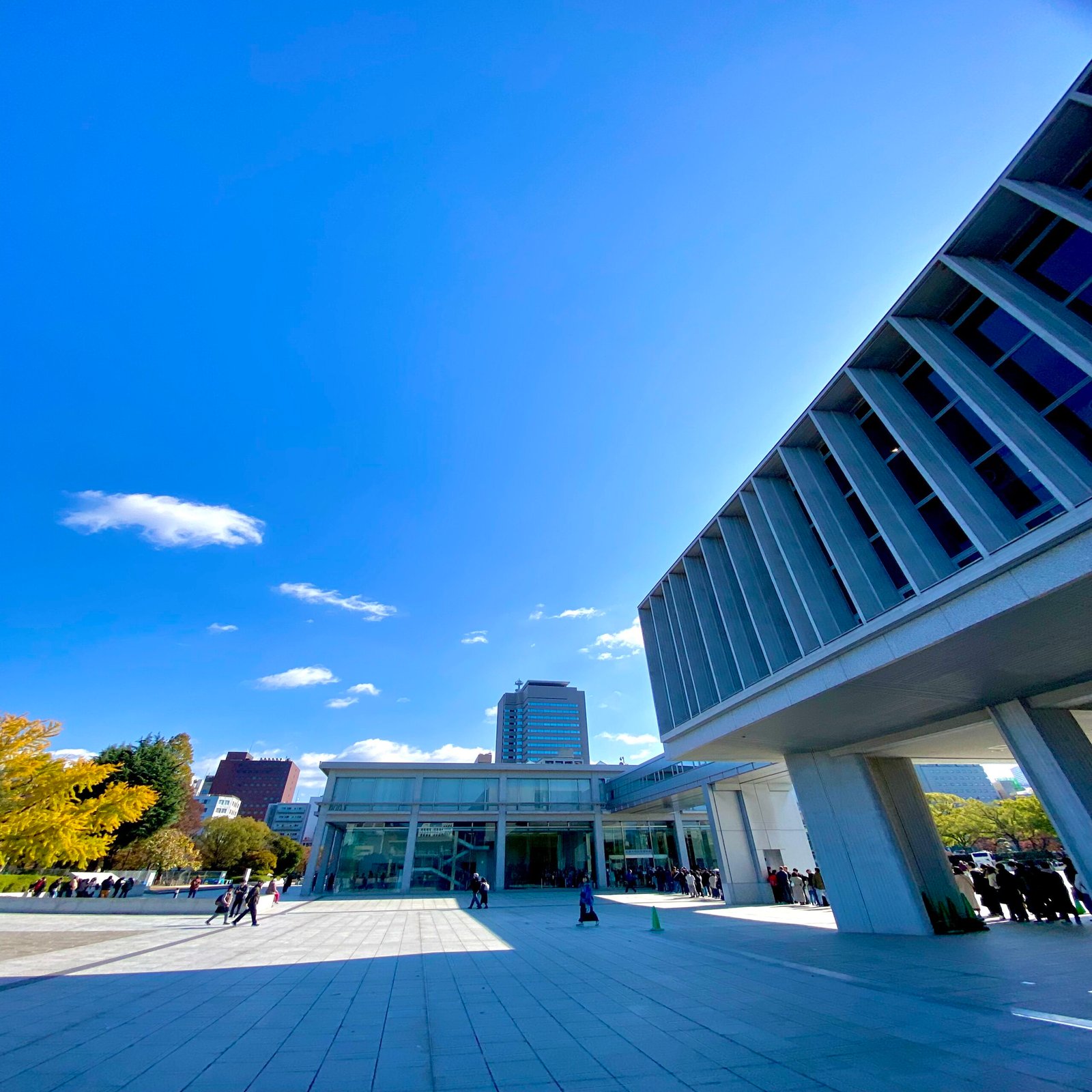
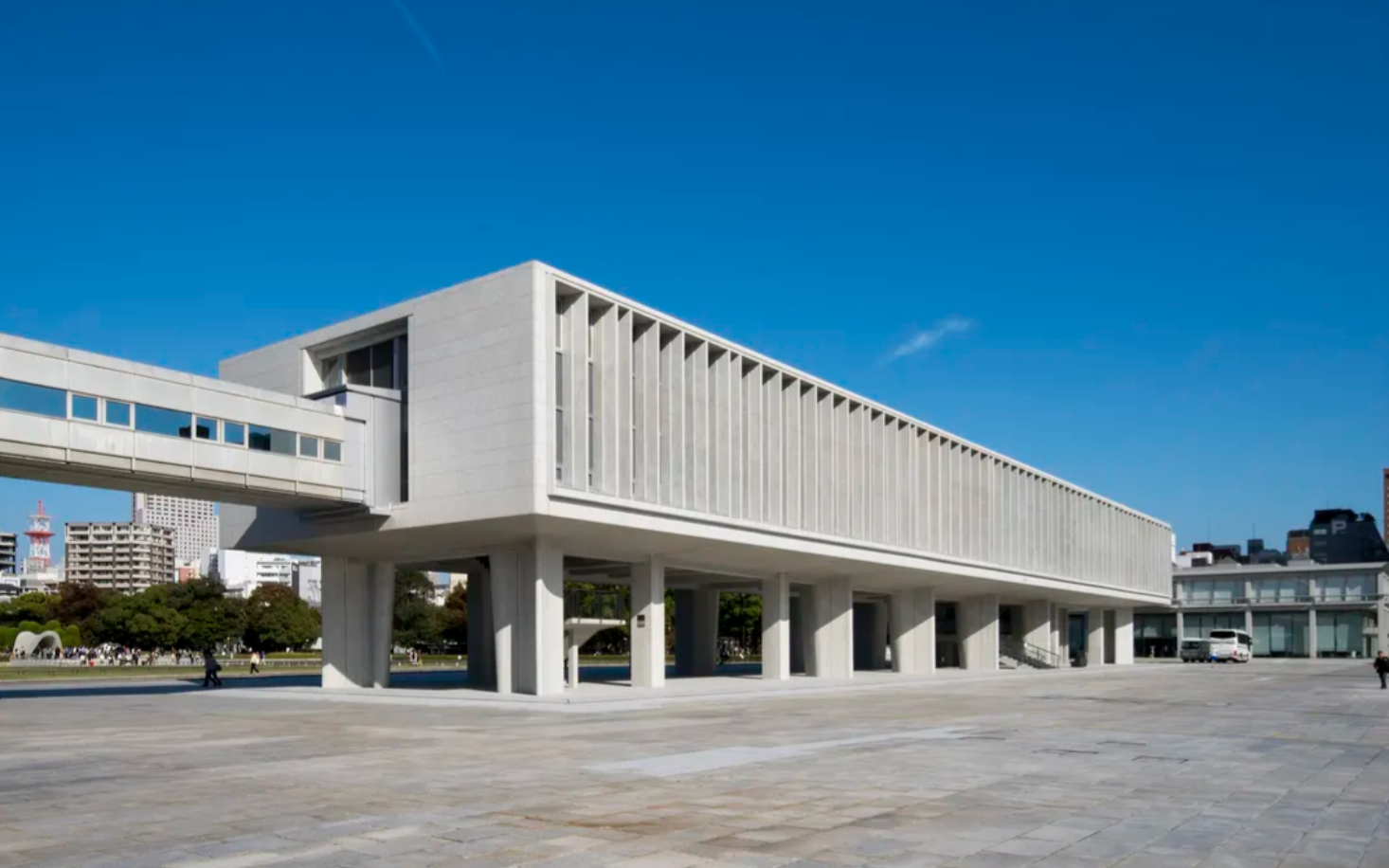
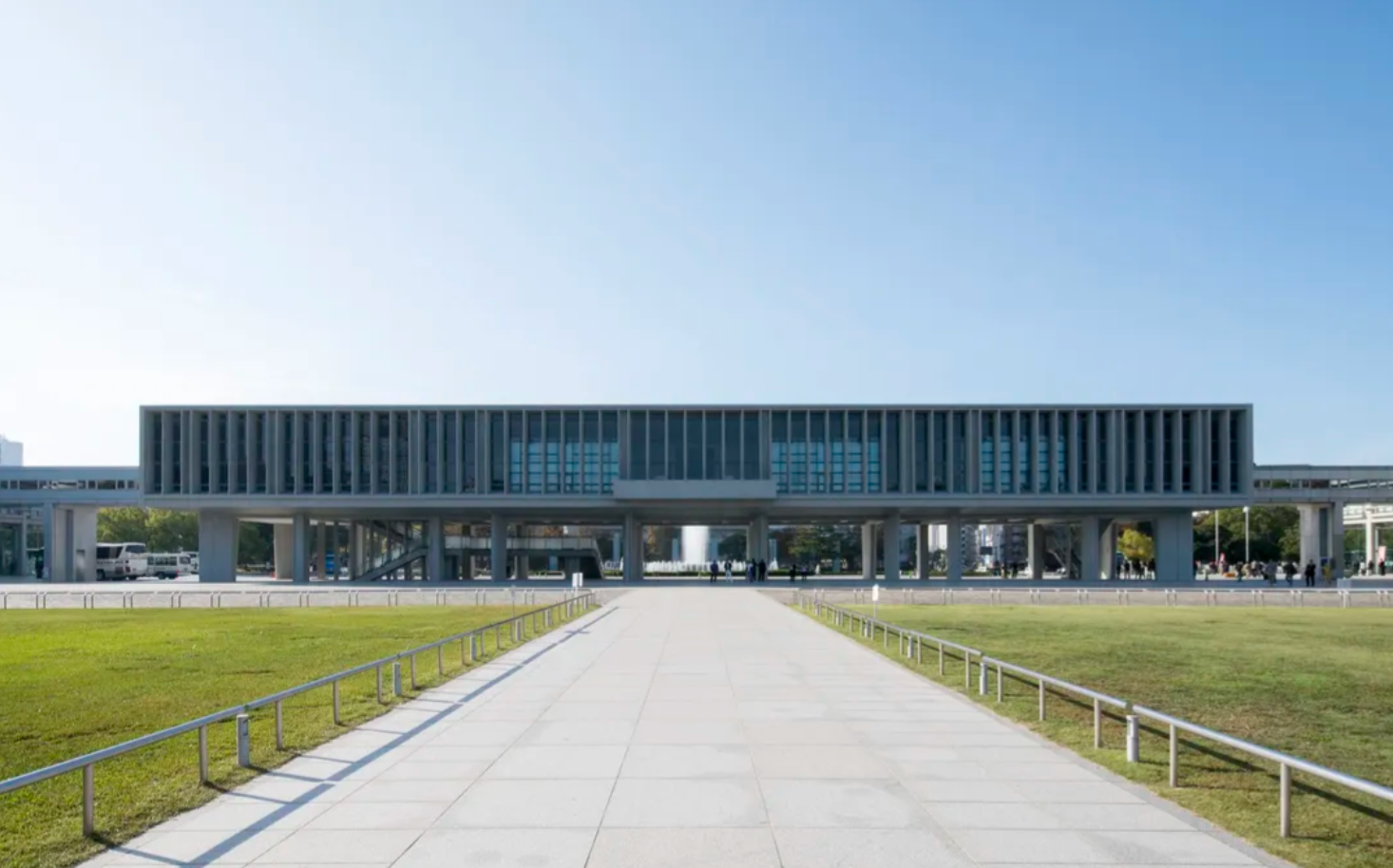
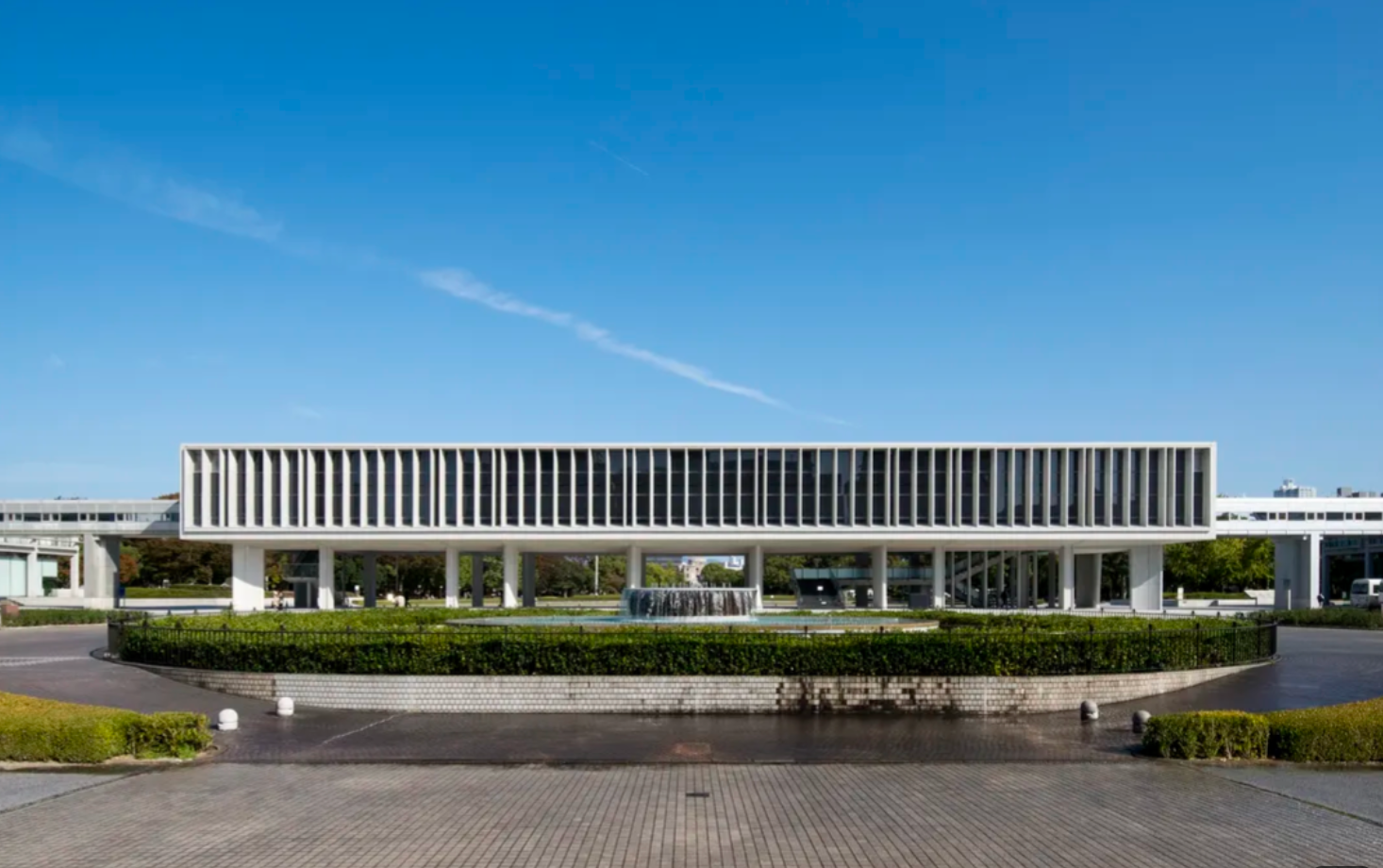
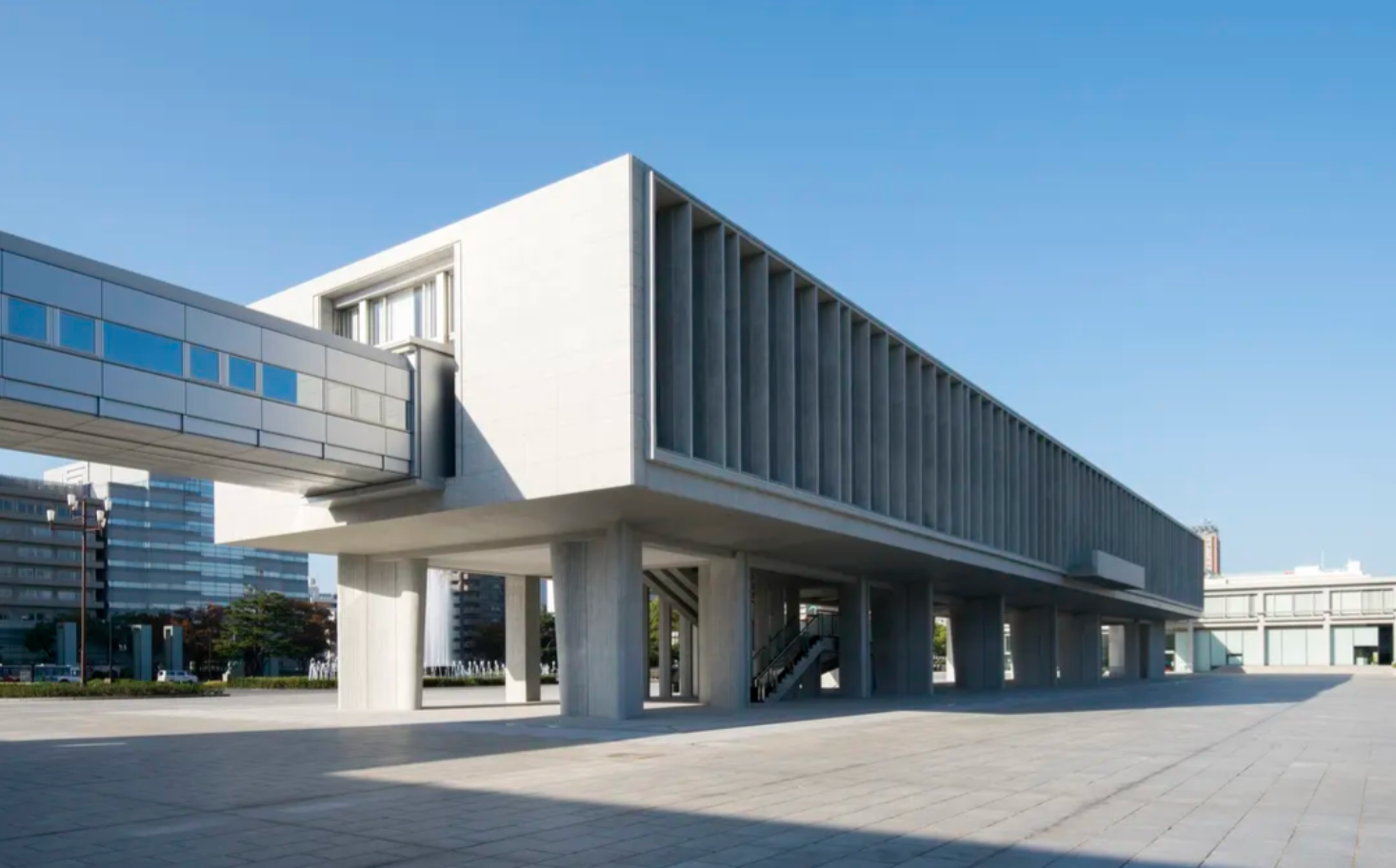
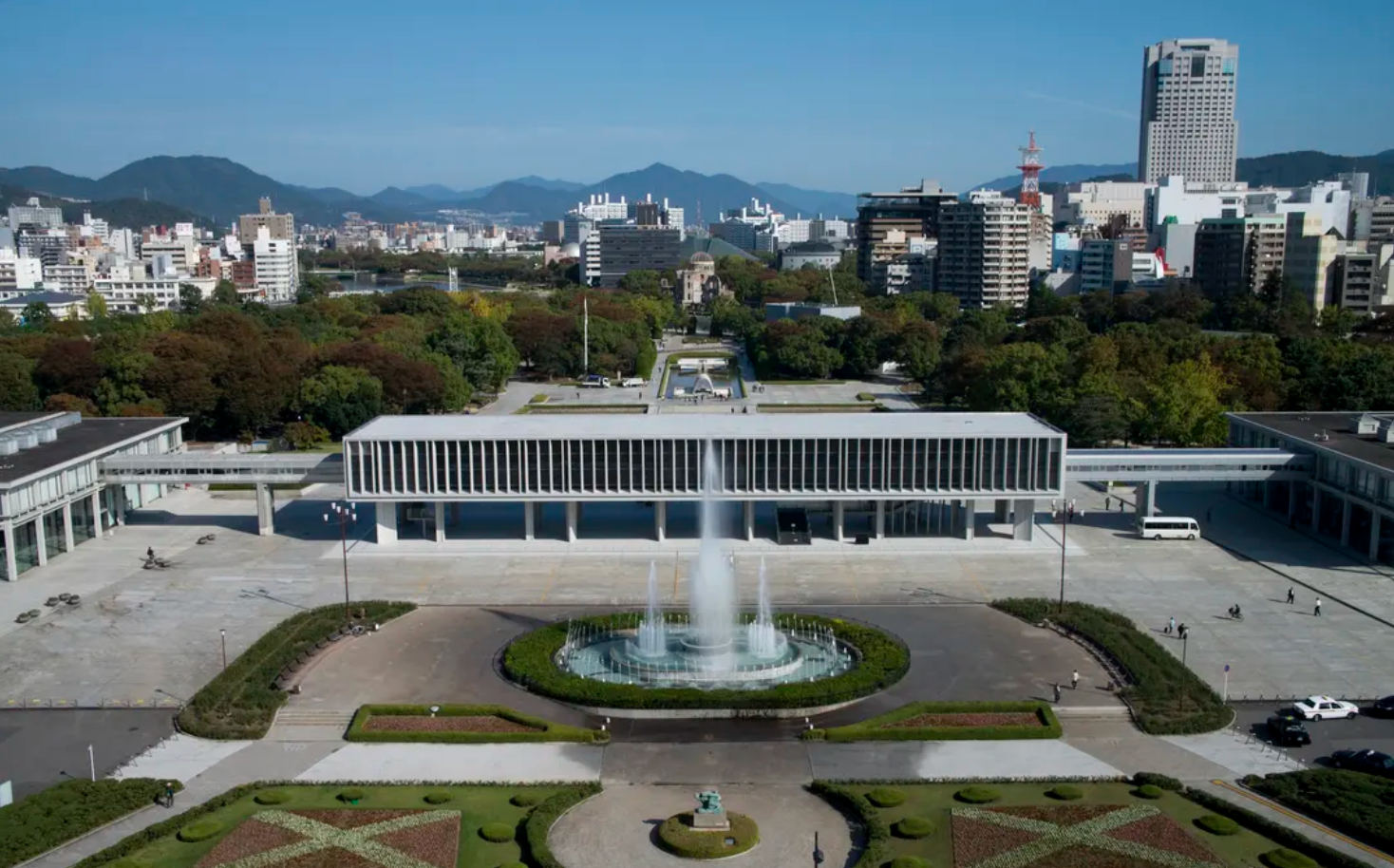
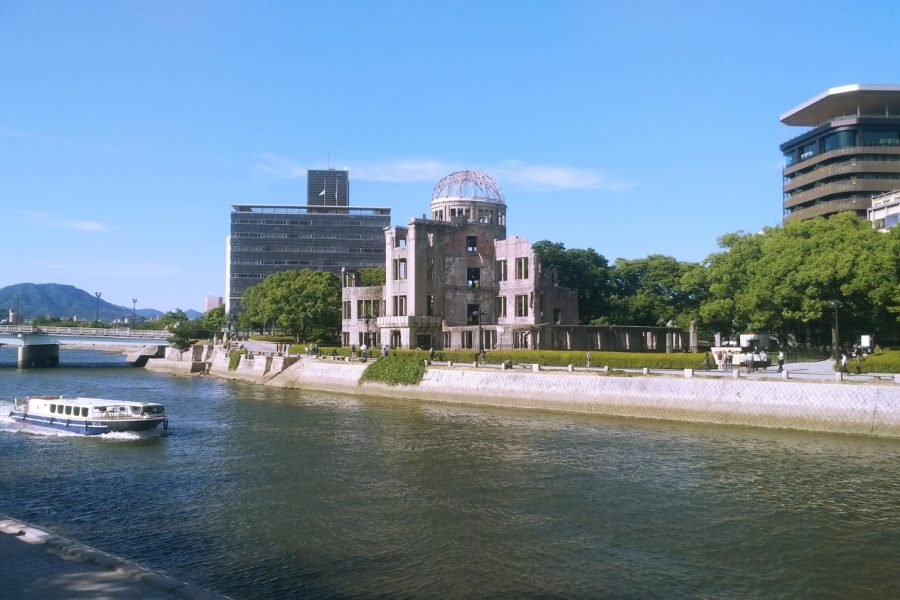
Located in the heart of Hiroshima Peace Memorial Park, the museum is one of the most important sites in the world for understanding the human impact of war and nuclear weapons. For decades, this museum has stood as a space of remembrance, education, and global reflection—inviting visitors not only to learn, but to feel.
The Permanent Exhibitions offer a deeply moving experience that transports you into the lived realities of August 6, 1945, the day the atomic bomb fell on Hiroshima. Through personal belongings, survivor testimonies, artifacts, documents, and reconstructed scenes, the museum reveals the human stories behind historical events.
For Planetale travelers—curious minds, history lovers, and cultural explorers—this museum is an essential point in understanding not only Japan, but the universal consequences of war and the importance of peace.
The Hiroshima Peace Memorial Museum is not like other museums.
It is not a place of entertainment, nor a simple educational attraction. Instead, it is a space where the weight of history becomes personal. Here, history is not abstract; it is intimate. It is found in the melted glass bottles, a charred school uniform, a child’s tricycle, and letters written just days before the bombing.
This museum teaches:
The context behind the atomic bombing
The science of atomic weapons
The physical and psychological effects of radiation
The stories of hibakusha (survivors)
The reconstruction of Hiroshima
The global movement for nuclear disarmament
Above all, it shows the resilience of human beings in the face of unimaginable suffering.
Visitors walk through the museum in a structured, powerful narrative that begins before the bombing and ends with modern-day Hiroshima. The storytelling is chronological and emotional, creating a path that mirrors Hiroshima’s own journey—from destruction to hope.
The first section explains Hiroshima’s history before 1945. Many visitors are surprised to learn that Hiroshima was a flourishing cultural and commercial center, home to schools, temples, markets, and riverside communities.
Exhibits highlight:
Hiroshima as a military center during earlier decades
The daily life of families and workers
Photos and maps showing the city before the explosion
These displays help you visualize what Hiroshima was, so you can understand what it lost.
This section, one of the most emotionally difficult, depicts the immediate effect of the atomic bomb.
The exhibits include:
A model of Hiroshima before and after the blast
Photographs taken within hours of the explosion
Explanations of heat rays, blast waves, and radiation
Recorded testimonies describing the blinding flash
One of the most haunting aspects is the scale of destruction conveyed through visuals: entire neighborhoods wiped out, thousands dead instantly, fires consuming the city.
Visitors often pause here for long moments of silence.
This is the heart of the museum. Here, the tragedy becomes individual, no longer a statistic.
The artifacts include:
Scorched school uniforms
A child’s melted lunch box
Watches stopped at the exact moment of the explosion
Letters and notes from victims
Debris fused by intense heat
Each object is accompanied by the story of the person who owned it. Many were schoolchildren, workers, or parents trying to reach their families.
Audio recordings and video testimonies from survivors (hibakusha) reveal the confusion, fear, and desperation of that day. Their words remain some of the most powerful historical records ever collected.
Radiation sickness did not end with the initial blast. It continued for days, weeks, and years.
The museum explains:
Acute radiation syndrome
Burns and internal injuries
Genetic effects on later generations
Psychological trauma
Social discrimination against survivors
Documentaries and medical charts show how little scientists understood radiation at the time—and the long-term human cost.
Despite unimaginable devastation, Hiroshima chose to rebuild—not with hatred, but with hope.
This section highlights:
The Hiroshima Peace Memorial City Construction Act
Survivor-led peace movements
The city’s transformation into a global symbol of disarmament
International support for reconstruction
The creation of Peace Memorial Park and annual memorial ceremonies
Stories of community rebuilding are especially inspiring: teachers reopening schools in burned-out buildings, families searching for one another, volunteers distributing food, and leaders planning a peaceful urban future.
The final exhibits focus on nuclear disarmament and the global peace movement inspired by Hiroshima.
Key messages include:
The ethical debate surrounding atomic weapons
Documentation of nuclear tests around the world
Letters from Hiroshima mayors to global leaders
Artwork created by children as symbols of hope
This section leaves visitors with a renewed sense of responsibility—a reminder that peace is a choice, not a guarantee.
Planetale believes travel should deepen understanding, not just provide photos. The Hiroshima Peace Memorial Museum:
Helps visitors connect emotionally with global history
Provides context for understanding Japan’s post-war identity
Reminds travelers of the fragility of peace and the consequences of conflict
Offers an essential human perspective beyond textbooks or films
For anyone exploring war history, Asian culture, or Japan’s post-war transformation, this museum is a profound experience.
Begin your museum visit during the quieter morning hours. Explore the early exhibits detailing Hiroshima’s pre-war history and city life before 1945.
Enter the main exhibition halls to learn about the moment of the atomic bombing and its immediate impact through models, visuals, and archival materials.
Continue into the human stories section, viewing personal artifacts, survivor testimonies, and emotional accounts that define the heart of the museum.
Explore the final exhibits focusing on radiation effects, Hiroshima’s reconstruction, and the global peace movement. Conclude your visit with time for reflection in Peace Memorial Park.
Most visitors spend 1.5–2 hours exploring the exhibitions.
The content is intense but educational. Older children may find it meaningful.
Limited photography is allowed, but flash may be prohibited in certain areas.
No. Admission is single-entry.
Yes, the entire building is designed for accessibility.



Leave a review