

The story of the Burma–Thailand Railway does not begin with tracks or tools, nor with engineers or military orders. It begins with the land itself – an ancient stretch of dense jungle that once acted as a natural shield between Siam and Burma. Before war carved its scars into these mountains, the region was defined by monsoon winds, roaring rivers, and remote villages that seemed untouched by the outside world. Travelers who walk through Kanchanaburi today see peaceful bamboo forests and limestone cliffs rising above the River Kwai, but beneath this tranquility lies a history written in sweat, suffering, and sacrifice.
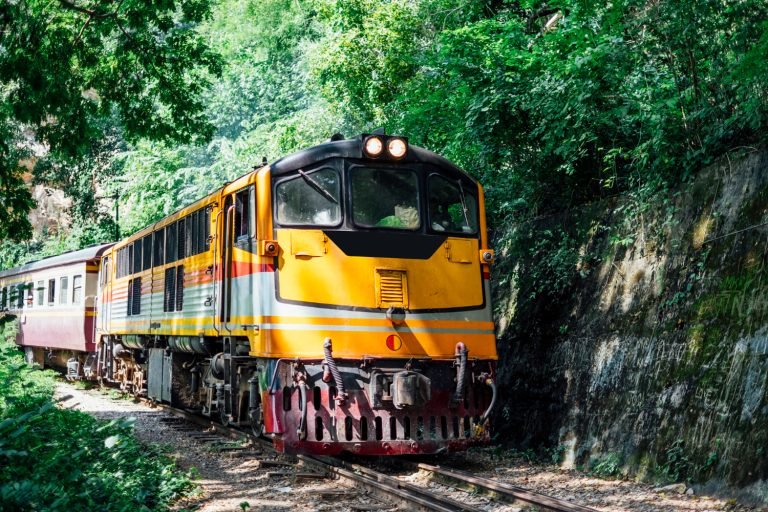
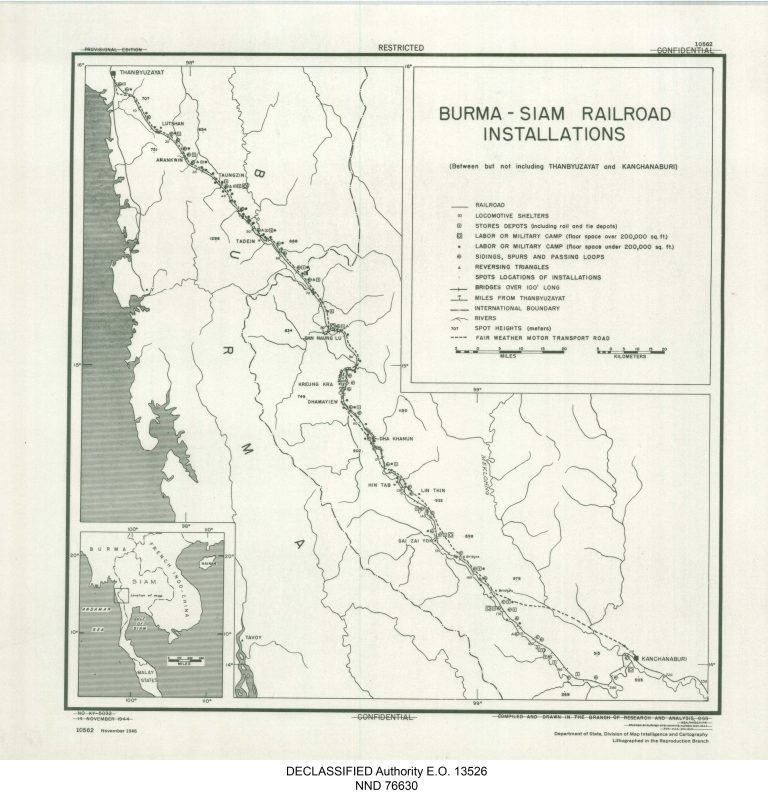
During the early 1940s, the Second World War had shifted dramatically across Southeast Asia. Japan’s expansion, swift and overwhelming, pressed into Burma and beyond, threatening British colonial defenses and reshaping power dynamics overnight. With sea routes repeatedly targeted by Allied submarines, the Japanese Imperial Army sought an inland supply line that bypassed the dangerous Strait of Malacca. Their solution was both strategic and brutal: build a railway stretching over 400 kilometers from Ban Pong in Thailand to Thanbyuzayat in Burma, cutting directly through mountains and tropical wilderness that British engineers decades earlier had described as “impossible terrain.”
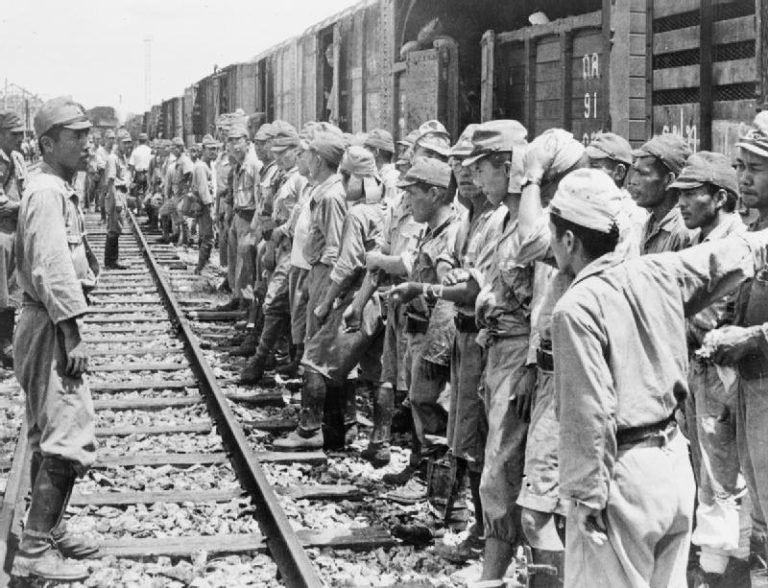
Impossible—or simply unacceptable for peacetime. For wartime Japan, impossibility was irrelevant. They had manpower to expend: Allied prisoners of war and large numbers of Asian civilian laborers known as romusha. To the Japanese command, the Burma–Thailand Railway was not merely a logistical project—it was a necessity for sustaining their Burmese campaign. To the laborers forced into the jungle, it became a nightmare that stole health, dignity, and life.
Walking the path today, it is difficult to imagine the chaos that filled these forests during construction. The sounds of the jungle—cicadas, rushing rivers, cracking bamboo—once mixed with the clang of hammers, the shouts of guards, and the moans of weakened captives. Many of the POWs were already exhausted before reaching the camps, having suffered days of transport in overcrowded cattle trucks under intense heat. Romusha laborers, many deceived by false promises of wages, arrived malnourished and unprepared for what awaited them.
The Burma–Thailand Railway was built in just over a year, an astonishing achievement that owed nothing to efficiency and everything to the unrelenting pace of forced labor. Months collapsed into days as the Japanese commanders pressed for accelerated progress. Rainstorms turned soil into sludge, and diseases spread quickly through the camps. Malaria, cholera, dysentery, beriberi—names that today sit politely in textbooks were once the everyday killers of men who worked barefoot on sharp rocks with bodies too weak to stand.
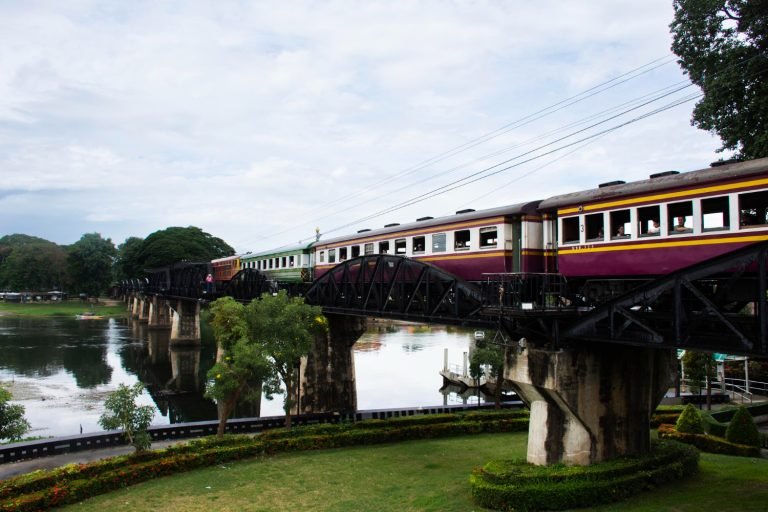
In present-day Kanchanaburi, the contradictions of the railway’s origins are everywhere. The Bridge on the River Kwai, now a symbol of remembrance and tourism, once represented Japanese military ambition and Allied suffering. The streets, where cafés and souvenir shops now sit, were once walked by POWs searching for water or medical help. The railway cutting through cliffs near the Kwae Noi River carries modern trains that glide slowly along wooden trestles rebuilt long after the war, yet the knowledge of what once occurred beneath those tracks changes the experience of every visitor.
This first chapter of the Burma–Thailand Railway is not only a tale of war strategy but also a testament to how landscapes absorb human stories. The jungle remembers—through its silence, through its scars, and through the remnants of tools rusting in the earth. Travelers who begin their journey here quickly realize that history is not something found in museums alone. In these forests, history breathes.
Credit: “Image via Wikimedia Commons. Public Domain.”
Fire in the Rock: Hellfire Pass and the Human Cost of the Burma–Thailand Railway
If the Burma–Thailand Railway were a book, Hellfire Pass would be its raw and agonizing climax. Known originally as Konyu Cutting, this massive trench carved through solid rock became the most brutal section of the entire railway. Standing on the viewing platform today, surrounded by tall bamboo and the distant echoes of forest birds, it is almost impossible to reconcile the beauty of the present with the torment that shaped it.
Hellfire Pass earned its infamous name from the way it looked at night. With no machinery to blast the rock, prisoners of war and romusha were forced to hack through the mountain with hand tools—hammer and tap, one blow at a time. As darkness fell, the Japanese guards ordered laborers to continue working by torchlight. The flames flickered against exhausted bodies, skeletal faces, and towering rock walls. To observers, the scene resembled the underworld—men moving like shadows in a smoky orange glow, chained to a task that seemed endless. Thus, the name Hellfire Pass was born, a reflection of both appearance and suffering.
Walking through the cutting now, visitors follow a gentle path lined with memorial plaques and audio guides that recount witness testimonies. The quiet here is unsettling. It is not the quiet of peace but of remembrance, the type of silence that amplifies imagination. One can picture the crack of hammers, the groans of fatigue, the thud of collapsing bodies. The earth beneath your feet once swallowed the blood and sweat of men who knew there was no escape, only endurance.
The stories from Hellfire Pass reveal war’s cruelty but also its complex humanity. Amid the brutality, acts of compassion persisted. POW doctors, with no proper tools, improvised surgeries with razors and bamboo. Prisoners shared meager food rations to keep each other alive. Some laborers would hum songs to maintain the rhythm of hammering. Even in a place designed to break spirits, resilience became a quiet rebellion.
The Hellfire Pass Interpretive Centre, operated in partnership between Thailand and Australia, deepens this emotional journey. It houses diaries, sketches, relics, and preserved artifacts that belonged to prisoners and guards alike. Through these exhibits, visitors gain not only an understanding of wartime events but also a personal connection to individuals whose voices survived through letters and memories. Many modern travelers leave this museum not with curiosity satisfied but with hearts heavy from what they have learned.
The path extending beyond the main cutting follows remnants of the original Burma–Thailand Railway track. The sleepers are gone, but the imprints remain visible in the soil. To walk this trail is to retrace history step by step. The cliffs that seem picturesque today were once obstacles that cost countless lives. The air that feels fresh carried disease and despair during the war. The railway corridor becomes a place where time folds, inviting reflection on what the world endured and how far humanity has come since.
Hellfire Pass is not merely a destination. It is an encounter—one that confronts travelers with the depth of suffering buried beneath the natural beauty of Thailand’s western frontier. It demonstrates that memory is not confined to books or words; it is carved into stone, echoed in valleys, and preserved by every visitor who walks this sacred ground.
Credit: “Image courtesy of the U.S. National Archives (NARA). Public Domain.”
Crossing the River of Stories: The Bridge, the Museums, and the Echoes That Survive
The Burma–Thailand Railway is inseparable from the River Kwai, a name known worldwide thanks to literature and cinema. Although the story popularized in fiction diverges from historical details, the real bridge in Kanchanaburi remains a powerful symbol of the railway’s wartime legacy. Standing on its steel frame, looking at the calm water below, travelers often struggle to comprehend that this peaceful scene once framed a critical supply route for Japanese forces.
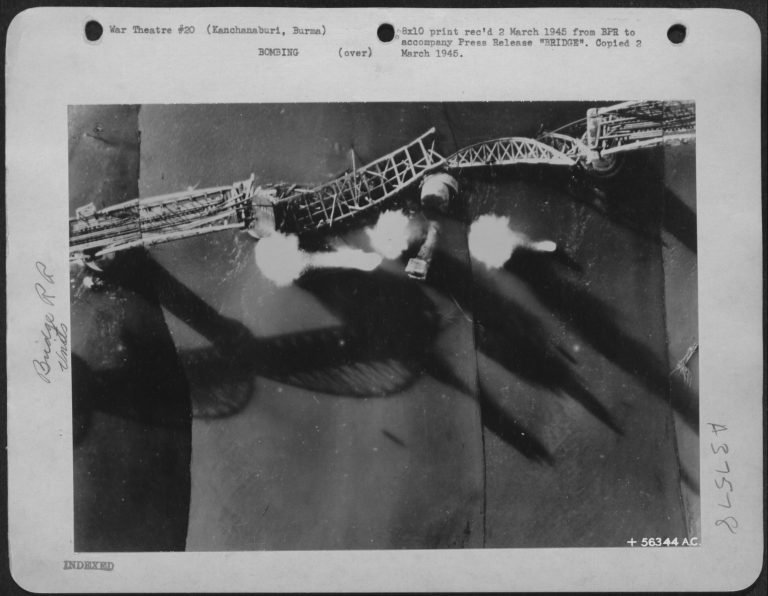
The original wooden bridge was built first, followed by the now-famous steel bridge transported from Java. Both were vital arteries for Japan’s military operations. Allied aircraft targeted them repeatedly, turning the surrounding skies into battlegrounds. Bombing raids left scars still visible today; a section of the steel bridge remains distorted, a silent reminder of the violence that once thundered through this valley.
Modern trains still cross the bridge, carrying passengers who lean out to capture photos while feeling the slight sway of the structure beneath them. For some, it is simply a scenic ride; for others, particularly descendants of POWs, the crossing becomes a pilgrimage. The bridge stands not only as architecture but as a monument—fragile, historical, and deeply emotional.
In Kanchanaburi town, museums narrate the full history of the Burma–Thailand Railway. The Death Railway Museum and the JEATH War Museum each offer distinct interpretations. One presents a researched, documentary-style approach with maps, models, and archival materials. The other provides a sensory immersion into wartime living conditions. Together, they complete a mosaic of knowledge that allows visitors to explore the war from multiple angles.
Nearby, the Kanchanaburi War Cemetery honors more than six thousand Allied prisoners who died during the construction of the railway. The rows of headstones, perfectly aligned, tell a story of youth, sacrifice, and tragedy. Names, ages, and regiments form a diary written across stone, transforming the cemetery into a space of solemn reflection. It is one of the most respectfully maintained war cemeteries in Asia, tended daily by the Commonwealth War Graves Commission.
In contrast to these curated spaces, the railway’s original route offers raw and unfiltered traces of history. The Tham Krasae section, where the track hugs a cliff above the river, provides breathtaking scenery and a visceral understanding of the dangers faced by wartime laborers. The wooden trestle supports, reconstructed post-war, mirror the original engineering but also highlight the bravery and skill of captive workers who built them under unimaginable pressure.
What makes the Burma–Thailand Railway unique is its emotional duality. It stands as both a historical tragedy and a modern travel experience. Visitors board trains for scenic rides, unaware that the beauty they witness overlays stories of hardship. Others come explicitly to seek those stories and to confront the uncomfortable realities of war. The railway accommodates both perspectives, reminding all who travel here that history is not a single narrative but a tapestry of experiences.
The River Kwai, the bridge, the museums, the cemeteries, and the cliffs are connected not only by railway tracks but by memory—a collective remembrance that binds the past to the present. It is this interconnectedness that transforms the Burma–Thailand Railway from a simple wartime structure into one of the most compelling historical corridors in Southeast Asia.
Credit: “Image courtesy of the U.S. National Archives (NARA). Public Domain.”
From War Route to Heritage Path: How Travelers Experience the Burma–Thailand Railway Today
The Burma–Thailand Railway no longer functions as a full transportation route, but its legacy lives through tourism, education, and commemoration. Traveling this region today is a powerful reminder of how landscapes evolve while memories endure. For many visitors, the journey begins with a train ride from Kanchanaburi to Nam Tok. The train moves slowly, giving passengers time to absorb the scenery—rice fields, riverbanks, and jungles that whisper the railway’s stories.
This ride is more than a sightseeing attraction; it is a narrative in motion. The clatter of wheels echoes the rhythm of wartime trains, but now the passengers are free, curious, and reflective rather than fearful or exhausted. Locals sit beside international travelers, creating a shared experience that transcends borders. The journey becomes a living classroom, where history unfolds through landscapes rather than textbooks.
The revival of heritage tourism along the Burma–Thailand Railway has brought new appreciation to sites like Hellfire Pass, Tham Krasae Bridge, and the camp ruins scattered throughout the forest. Conservation efforts ensure that visitors can physically walk the original rail bed, encounter remnants of tools, and experience nature as wartime laborers once did. These trails foster a sense of intimacy with the past, allowing travelers to move through time with each step.
Yet tourism also raises questions about representation. How should suffering be portrayed? How can places of trauma be experienced respectfully? The answer lies in education. Facilities like the Hellfire Pass Interpretive Centre provide context and dignity, shaping tourism into remembrance rather than entertainment. Visitors leave with a deeper understanding of the railway’s meaning and a renewed compassion for the people who lived its history.
The Burma–Thailand Railway’s transformation from war route to heritage path reflects society’s evolving relationship with the past. Instead of allowing history to fade, Thailand and its international partners have chosen to preserve, interpret, and share it. This makes the railway not only a reminder of wartime brutality but also a testament to reconciliation and human resilience.
Today, the railway corridor is a bridge between generations. Descendants of POWs return to honor ancestors. Students come to learn about global conflict. Travelers arrive seeking connection with stories that shaped modern Southeast Asia. And local communities, once marked by wartime hardship, now thrive through cultural tourism, creating a balance between remembrance and renewal.
The Burma–Thailand Railway invites every traveler to witness how history lives within landscapes. It teaches that places can carry pain and hope simultaneously. And most importantly, it shows that by walking these paths, listening to memories, and acknowledging the past, we bring meaning to the sacrifices of those who came before us.
In every sense, the Burma–Thailand Railway is not only a physical journey but a moral one—a passage through history that challenges the traveler to reflect, to remember, and to understand.
Comment (0)