3 hours
No Cancel
5 people
English, Espanol, Francais, Japanese, Vietnamese
A Journey Through Feudal Power, War Memory, and Cultural Revival
Hiroshima Castle is not just a historical attraction.
It is a symbol of resilience—an icon that has been built, destroyed, and rebuilt across centuries, mirroring the spirit of the city itself.
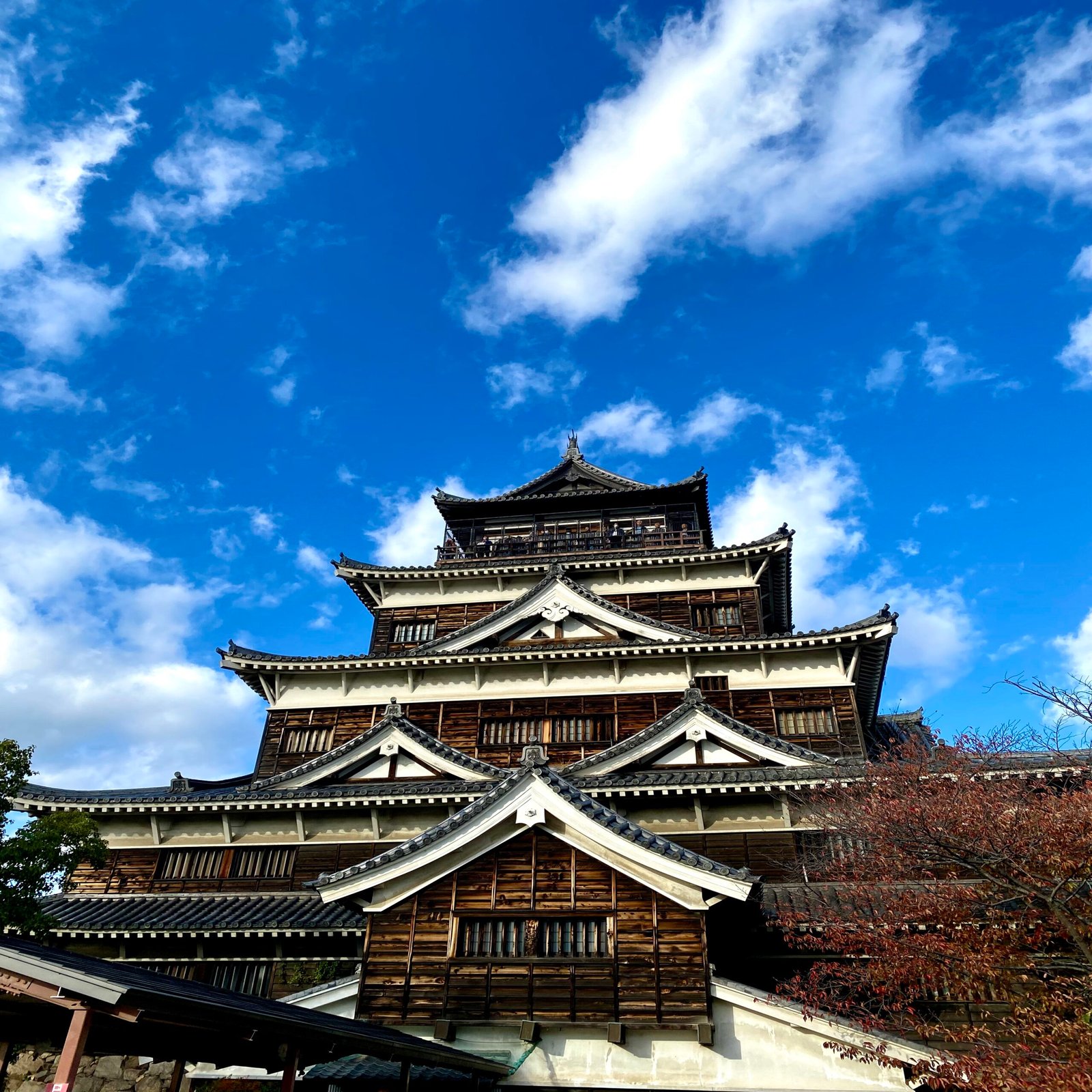
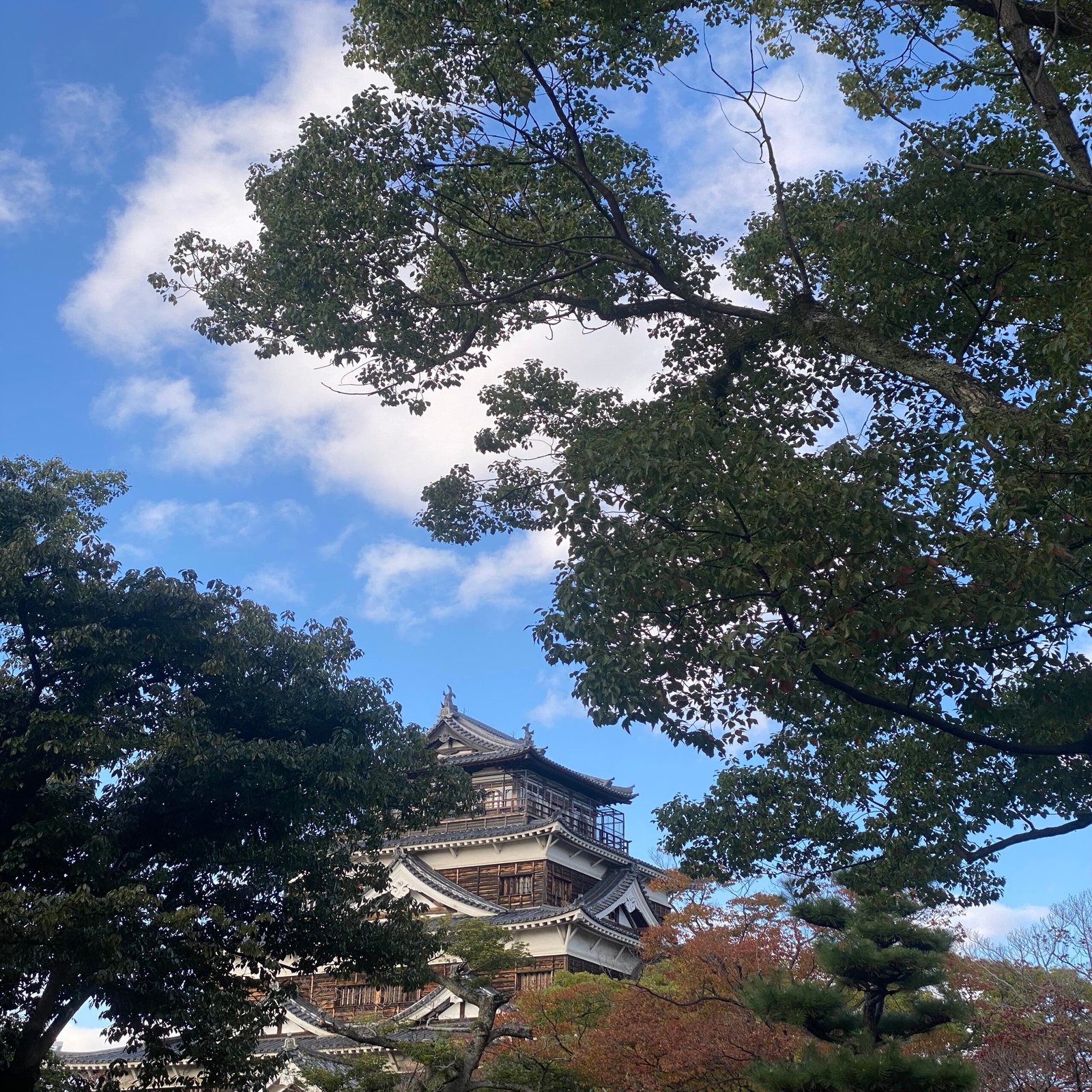
Rising above a shimmering moat and surrounded by peaceful gardens, Hiroshima Castle captures the elegance of Japan’s feudal past while carrying the weight of modern history. Known as Carp Castle due to the abundance of carp that once swam in its waters, the fortress played a central role in shaping the region’s political power and cultural identity.
This Hiroshima Castle Admission Activity allows travelers to step inside the reconstructed keep, explore museum-style exhibits, view samurai armor up close, and climb to the panoramic top floor for breathtaking views of Hiroshima’s cityscape—a striking contrast between past and present.
Planetale invites you to walk through a story that spans shogun rule, civil reform, wartime tragedy, and hopeful rebirth.
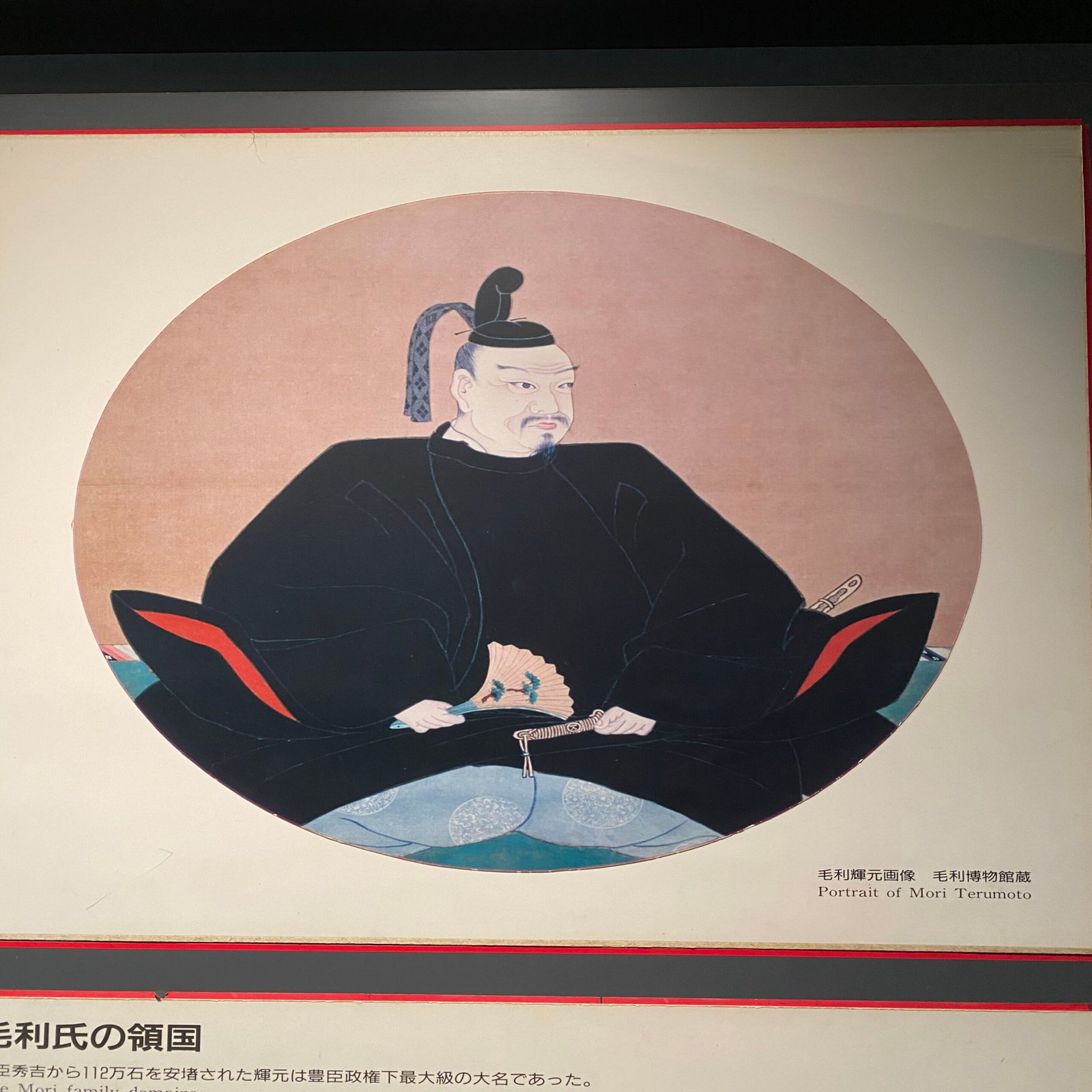
Hiroshima Castle was originally constructed in the late 16th century by Mōri Terumoto, one of the most powerful warlords of the Sengoku (“Warring States”) period. At that time, castles were not merely military bases—they were political headquarters, economic hubs, and symbols of authority.
Why build a castle here?
Hiroshima was strategically located between major trade routes
The area provided access to the Seto Inland Sea
It offered a fertile plain perfect for future castle town development
Mōri’s choice transformed what was once a small delta settlement into a thriving regional center. The castle became the heart of Hiroshima, around which samurai residences, merchant districts, temples, shrines, and gardens grew.
Your visit today follows the footsteps of samurai retainers, diplomats, castle officials, and townspeople who shaped Hiroshima’s early prosperity.
After the Mōri clan lost control of the region in 1600, the castle passed into the hands of the Asano clan, who ruled Hiroshima peacefully for more than 250 years during the Edo period. They expanded the castle town, managed local affairs, and maintained the structure through fires and floods.
During the Meiji Restoration in the late 19th century, Hiroshima Castle was repurposed as a military facility by the new government. It served as:
Headquarters for the Imperial Japanese Army
Training centers and administrative buildings
A key strategic base during the First Sino-Japanese War (1894–1895)
In 1894, Emperor Meiji himself used Hiroshima Castle as a temporary Imperial Palace—marking it as one of the most politically important castles in Japanese modern history.
This remarkable transformation—from feudal stronghold to imperial command center—reflects Japan’s shift from samurai rule to nation-state governance.
On August 6, 1945, Hiroshima Castle was destroyed in an instant when the atomic bomb detonated less than a kilometer away. The original wooden keep collapsed, and much of the military compound vanished.
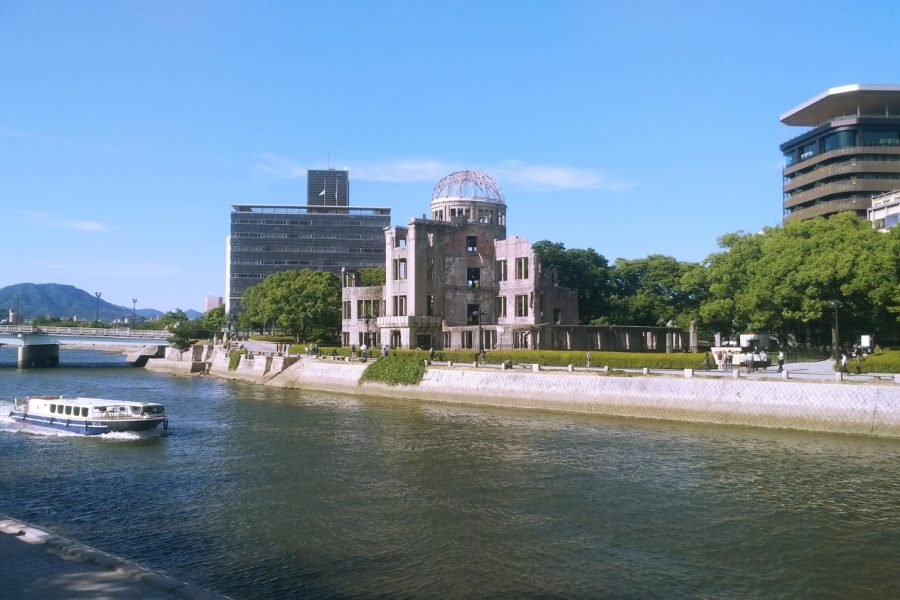
The only surviving structure of note was a concrete building once used as military headquarters, which still stands today as a historical reminder of the wartime era.
Visitors can view photographs of the ruins inside the castle museum, offering insight into the magnitude of destruction that reshaped Hiroshima forever.
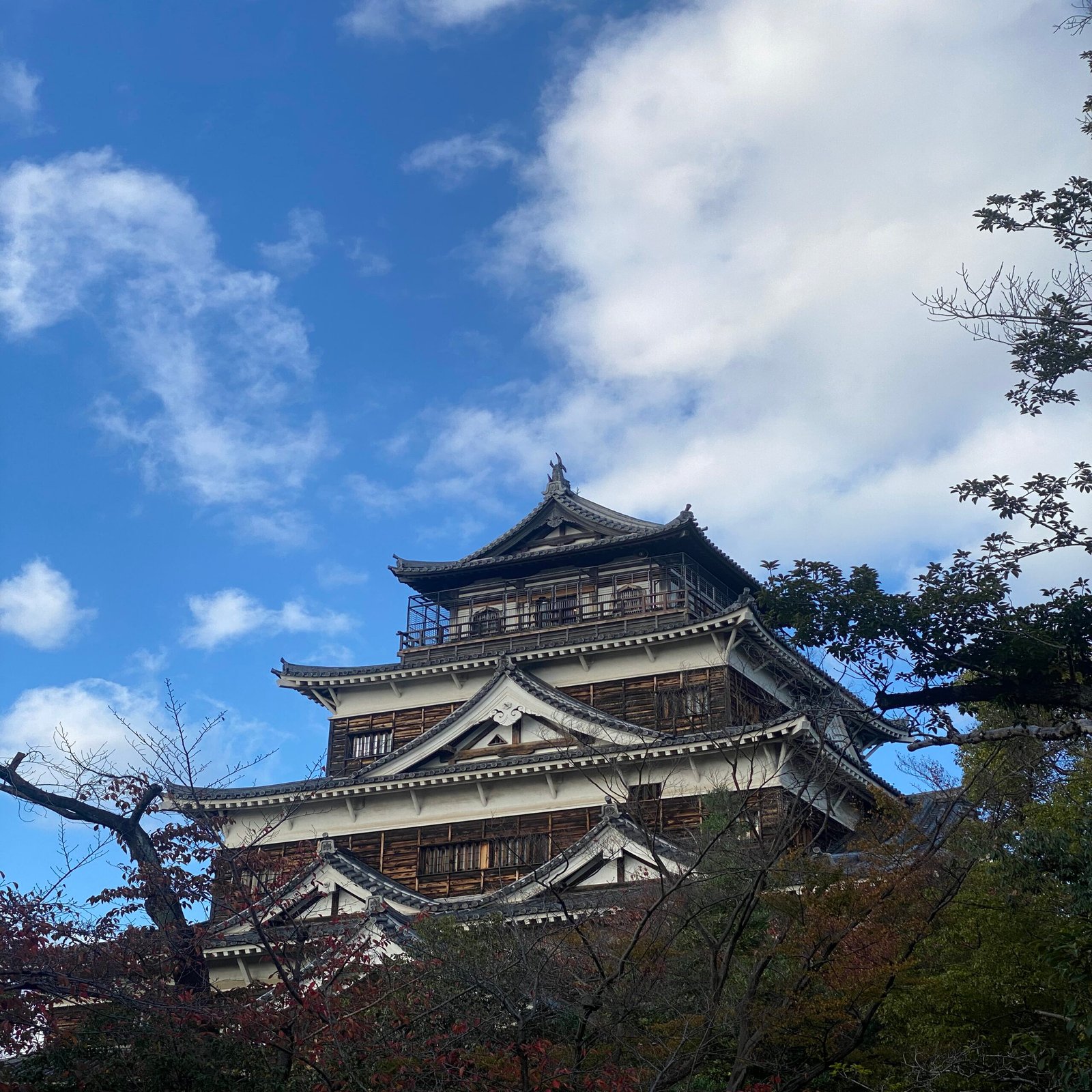
In 1958, Hiroshima Castle was reconstructed using traditional architectural techniques, blending modern safety standards with historical authenticity. The new keep now functions as a museum dedicated to samurai culture, castle towns, and Hiroshima’s evolution.
Its exhibits cover:
Samurai lifestyle and armor
Weapons and tools used by feudal lords
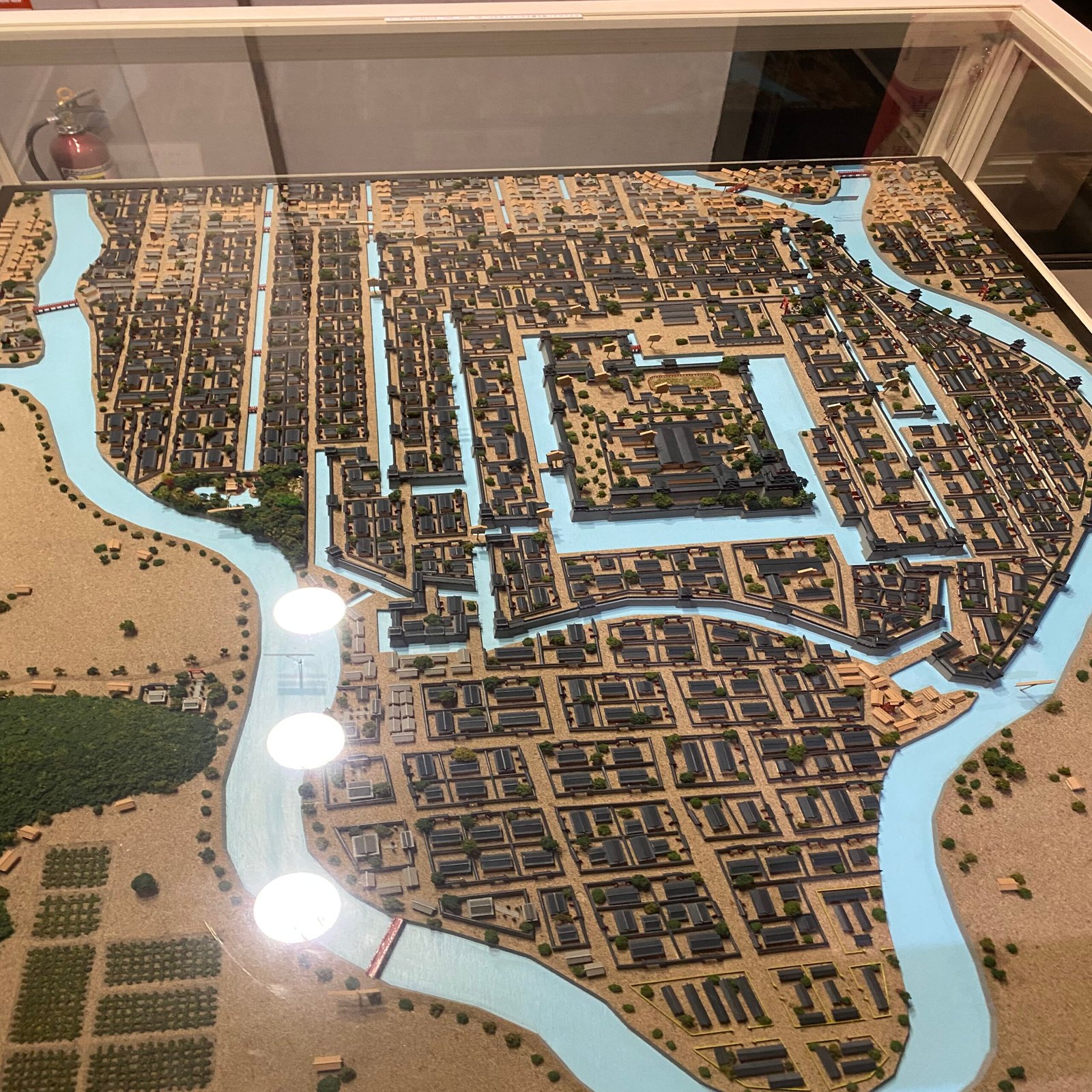
Archival maps of Hiroshima Castle Town
Models showing the castle’s original layout
Historical timelines connecting feudal and modern Hiroshima
The reconstruction symbolizes the city’s determination not only to rebuild, but to preserve its cultural identity.
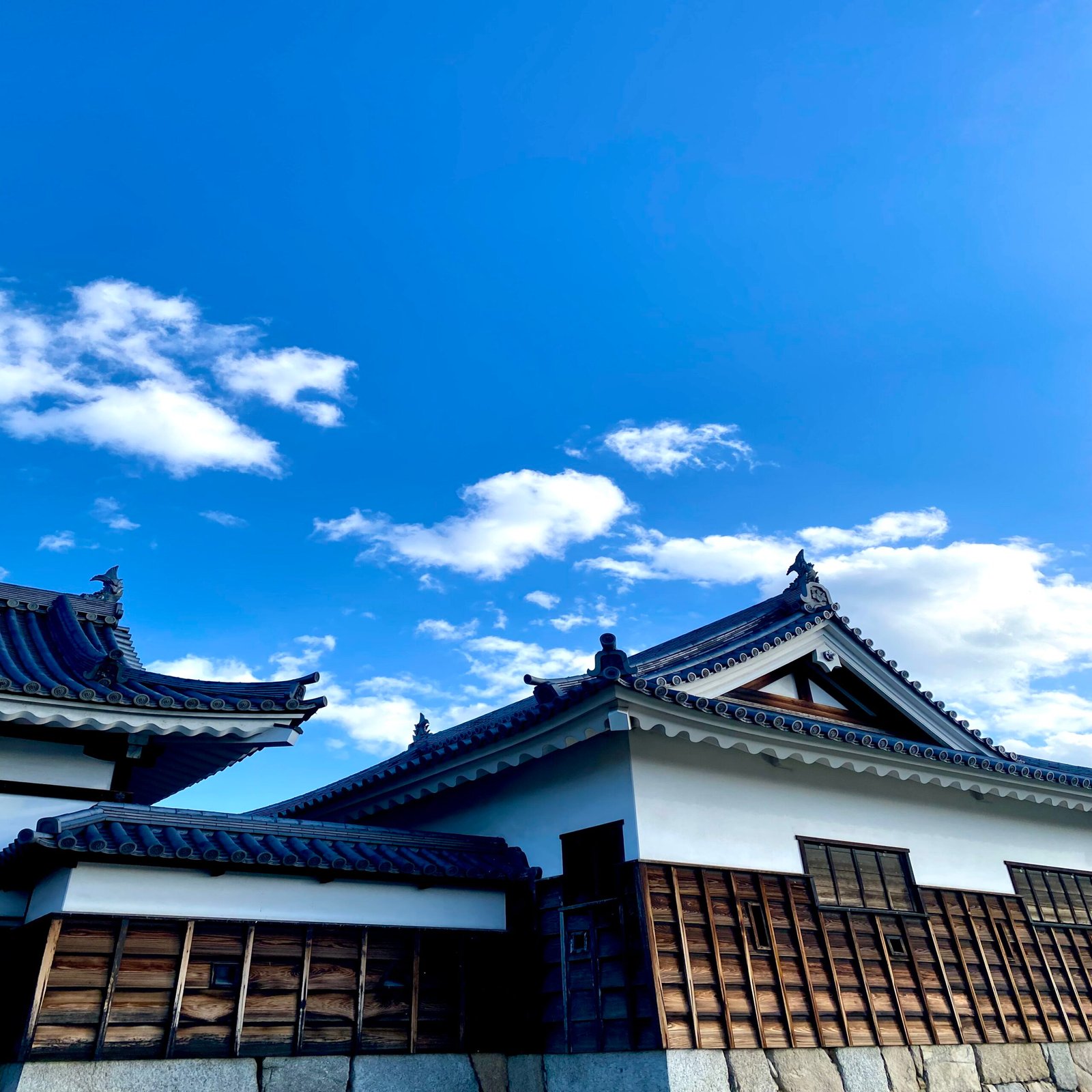
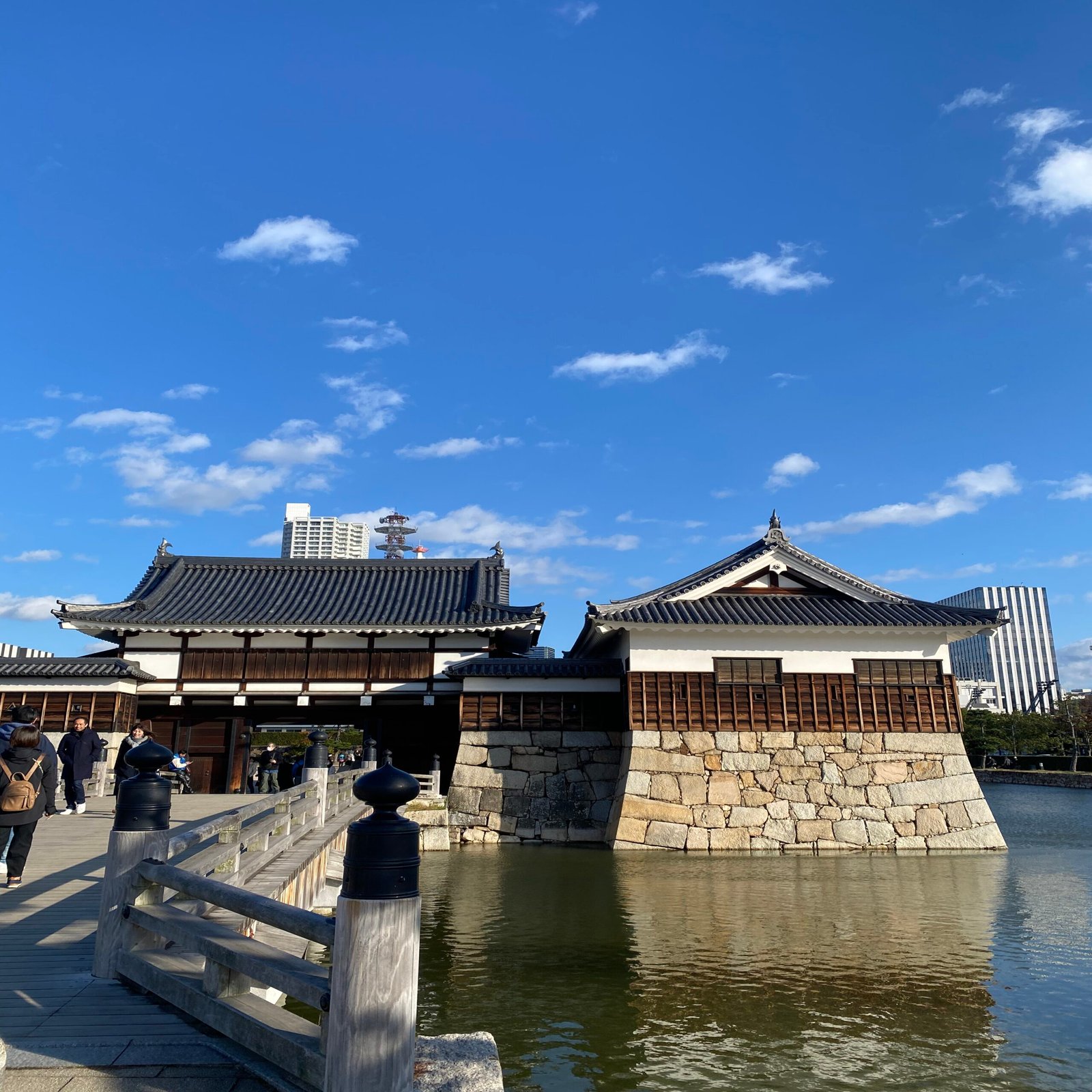
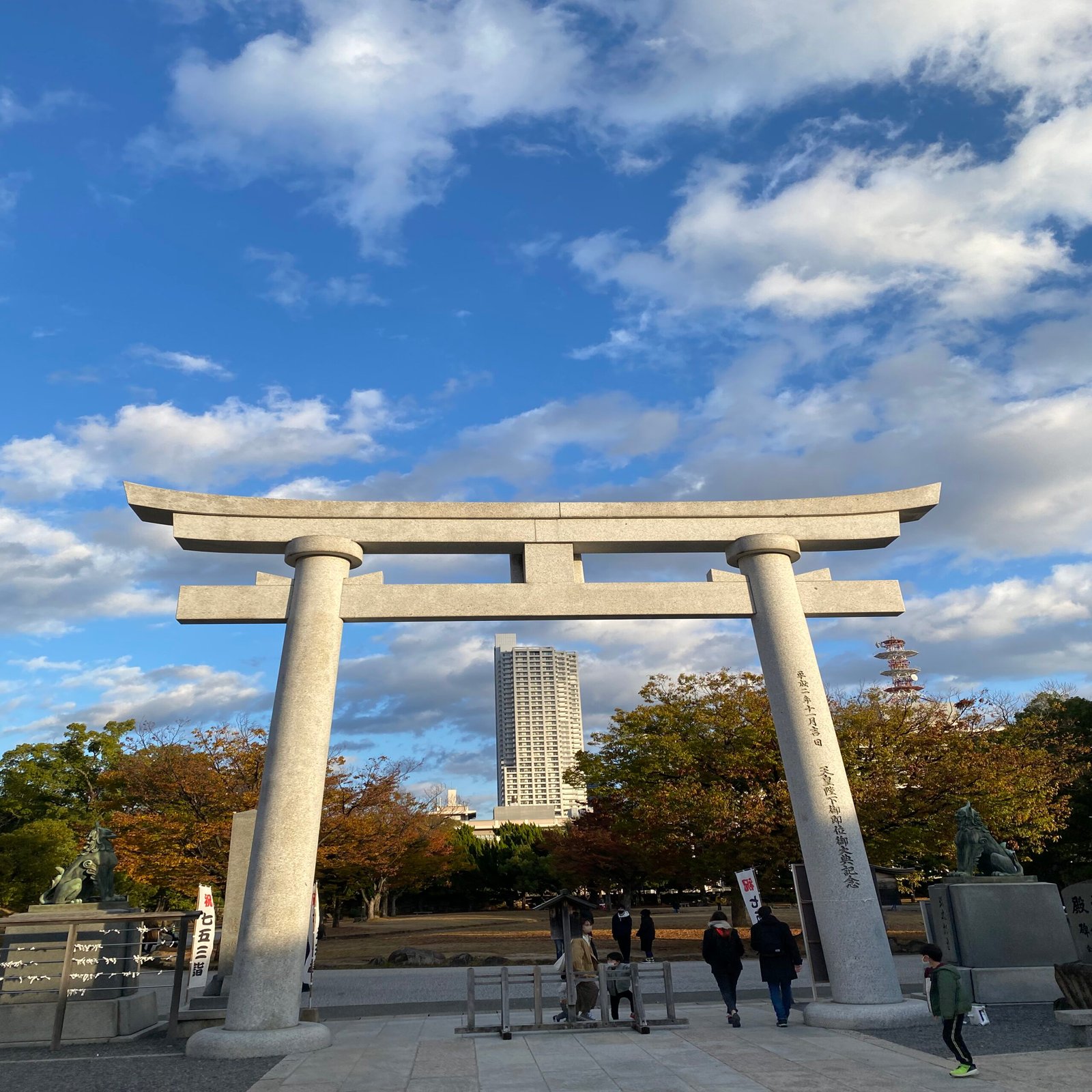
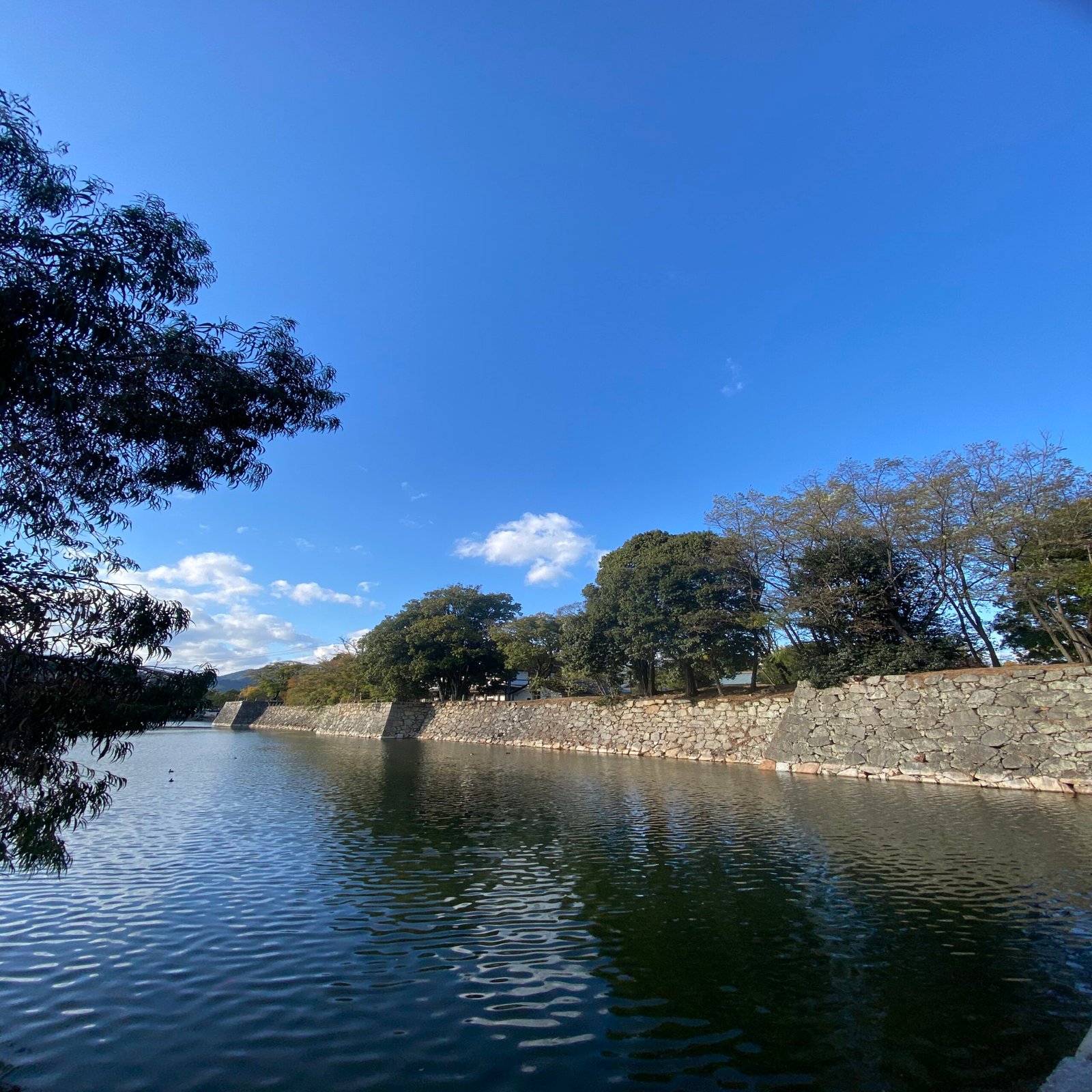
Before entering the keep, you’ll walk through serene gardens, passing the moat and stone walls that once protected the fortress. Cherry blossoms bloom in spring, creating one of Hiroshima’s most beautiful seasonal views.
Each floor of the reconstructed tower offers different themes:
1st Floor: Introduction to Hiroshima’s feudal history
2nd Floor: Samurai culture, including armor displays
3rd Floor: Everyday life of castle townspeople
4th Floor: Artifacts excavated from castle grounds
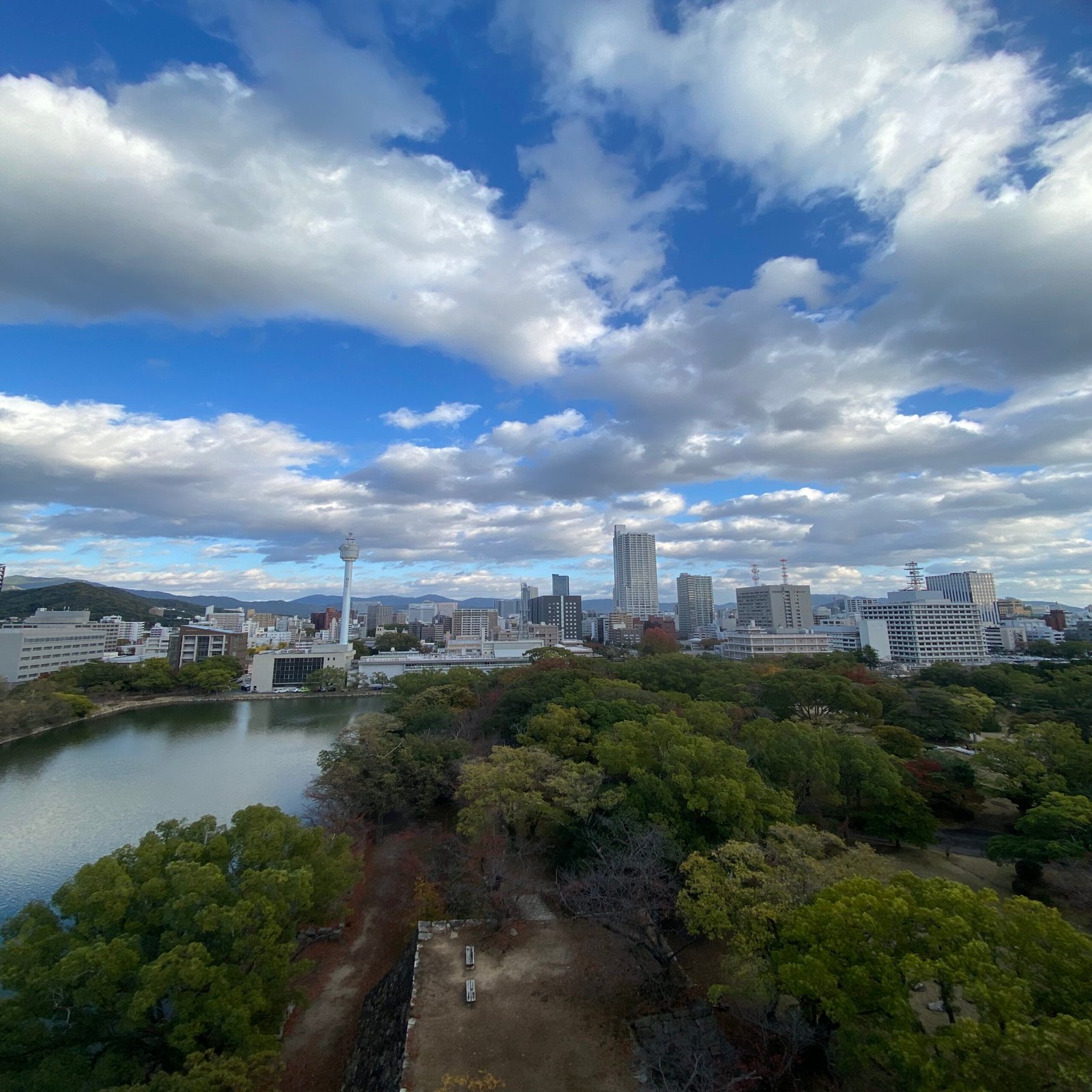
Top Floor: A 360-degree viewing deck overlooking Hiroshima
The top level is a favorite among visitors—where you can see Peace Memorial Park, the rivers, and modern skyscrapers stretching toward the horizon.
A pre-war structure used by the Japanese army remains on-site. It is a rare example of Meiji-era architecture that endured the atomic blast.
Depending on the date, you may encounter:
Samurai armor try-on corners
Kimono experiences
Cultural workshops
Local festivals held around the castle moat
These allow travelers to connect with Japan’s cultural history in meaningful ways.
For Planetale travelers, Hiroshima Castle offers more than just scenic views. It represents:
Continuity of cultural identity despite war and destruction
Japan’s transition from samurai rulership to modern nationhood
The layers of Hiroshima’s story beyond 1945
A physical symbol of resilience and renewal
The castle’s calm surroundings provide a meditative pause between emotionally heavy sites like the Peace Memorial Museum. Here, travelers can reflect on the past while appreciating the beauty of the present.
Visiting the castle completes the narrative of Hiroshima—not only as a site of tragedy, but as a city rooted in centuries of history.
Arrive at Hiroshima Castle and stroll through the scenic castle grounds, moat, and gardens.
Begin exploring the museum floors, learning about samurai life and Hiroshima’s feudal history.
View artifacts, castle town models, and wartime exhibits detailing the castle’s destruction.
Climb to the top-floor viewing deck for panoramic views of Hiroshima’s rivers and cityscape.
Around 1–1.5 hours, depending on how deeply you explore the exhibits.
The main keep has stairs. Some floors may not be fully accessible for all mobility levels.
Generally yes, but some exhibit areas may restrict flash photography.
Yes! Samurai exhibits and models are engaging for children.
Spring (cherry blossoms) and autumn (foliage) offer stunning scenery.




Leave a review