
3 hours
No Cancel
10 people
English, Espanol, Francais, Japanese, Vietnamese
A Planetale Journey Through Dynasties, Power, Art, and Memory
In the center of Beijing lies a world that once existed apart from ordinary life—a world of emperors, scholars, artists, rituals, and political intrigue.
The Palace Museum, located within the legendary Forbidden City, is one of the world’s greatest cultural treasures and a time capsule of China’s imperial past.
For nearly 500 years, this walled city was the seat of power for the Ming and Qing dynasties. No common citizen could enter. Only royalty, ministers, eunuchs, and servants shaped the rhythms of life behind its walls.
Today, with your Beijing Palace Museum admission ticket, you can walk the same stone pathways where emperors issued decrees, where the court celebrated festivals, and where history unfolded in ways that shaped not only China—but Asia and the world.
Planetale invites you to explore the Forbidden City as a living story, not merely a museum.
Every gate, every hall, every courtyard holds echoes of the past.
Built in the early 15th century by Emperor Yongle of the Ming dynasty, the Forbidden City embodies classical Chinese cosmology and imperial philosophy.
Its layout reflects:
Harmony between humans and nature
Balance of yin and yang
The political hierarchy of the empire
The Confucian ideal of order and virtue
The museum today houses over 1.8 million cultural relics, from imperial robes to ceremonial vessels, calligraphy, ancient paintings, jade carvings, clocks, and more.
Walking inside is not just sightseeing—it’s entering China’s golden narrative.
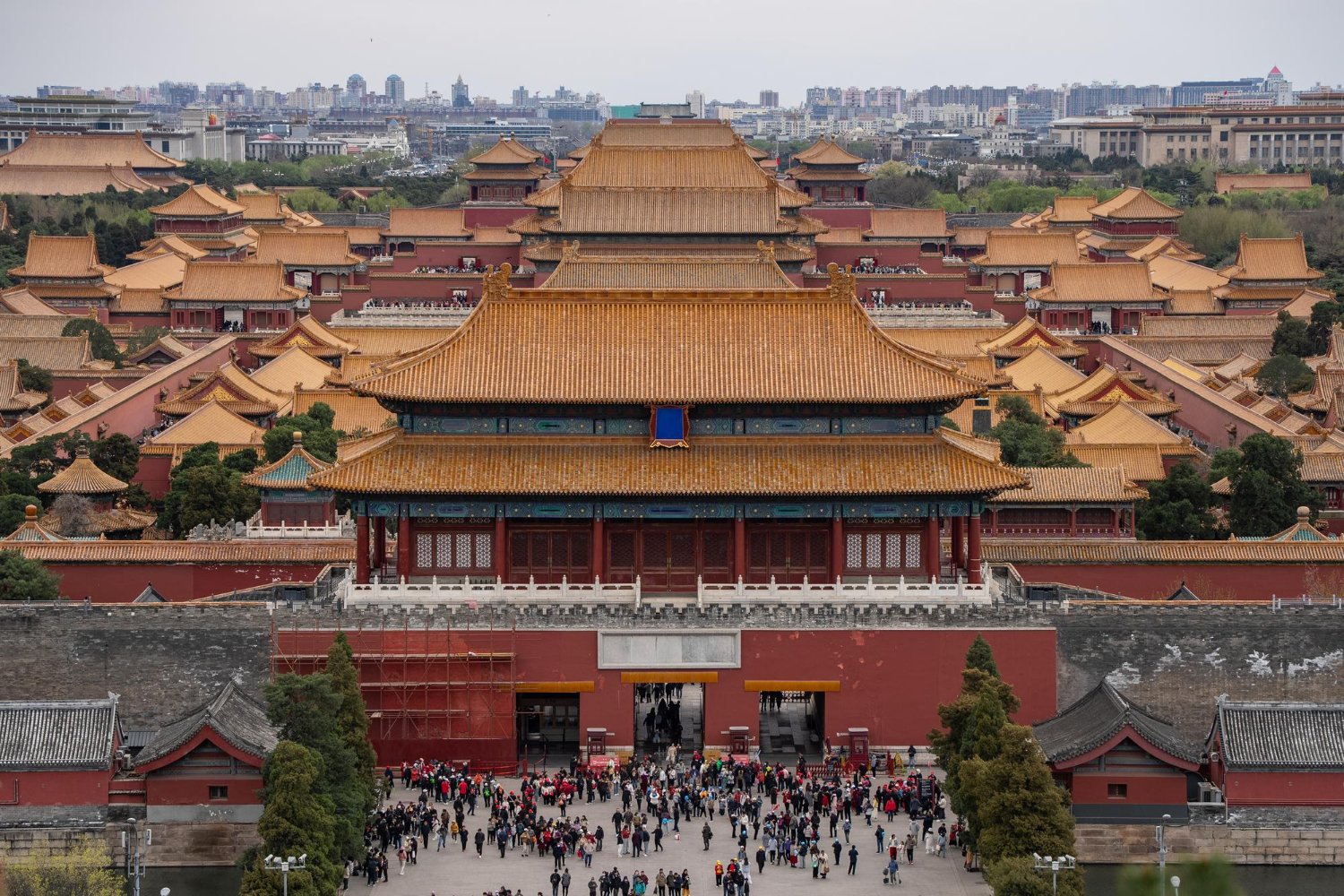
Your journey typically begins at Meridian Gate (Wumen), the grand southern entrance.
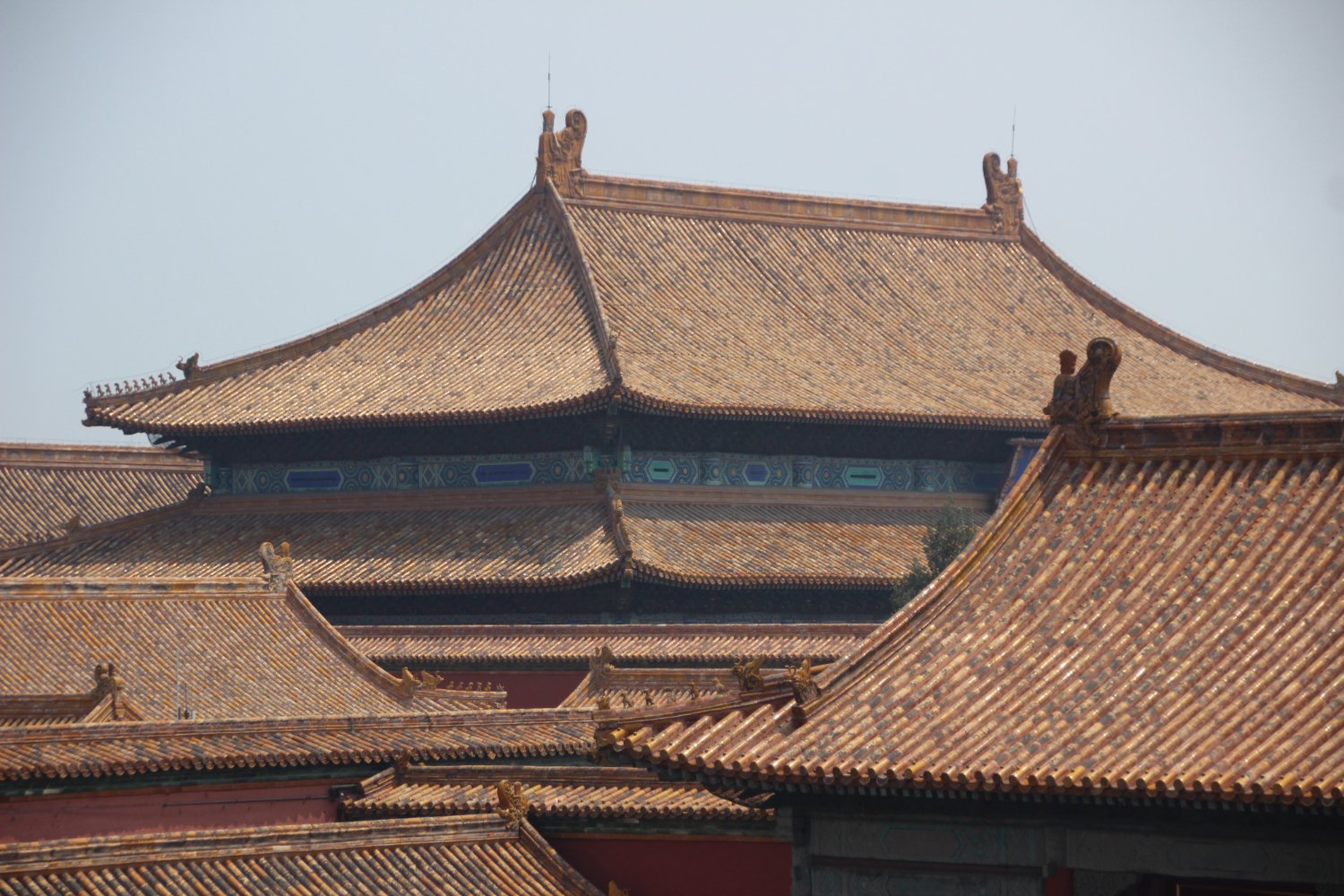
This gate once greeted victorious generals and high-ranking officials. Its towering structure, red walls, and sweeping eaves set the tone for what awaits inside:
A world constructed on scale, symmetry, and symbolism.
Your admission ticket grants access to explore the monumental architecture, vast courtyards, intricate artworks, and carefully preserved halls.
At the heart of the Forbidden City stands the Hall of Supreme Harmony (Taihedian)—the largest wooden structure in the complex.
This was the emperor’s throne hall, where coronations, New Year ceremonies, and major state events took place.
Your guide—or audio guide if you prefer—helps you understand:
Why the dragon motif dominates the hall
How imperial rituals shaped governance
The significance of the emperor’s throne platform
Why harmony was considered essential for the prosperity of the land
Standing before the hall, you feel the weight of centuries.
Beyond the Hall of Supreme Harmony lie two more monumental halls:
Where the emperor prepared for ceremonies.
Site of imperial banquets and final-stage civil service examinations.
These three halls collectively symbolize the emperor’s mandated role between heaven and earth.
As you walk through, the scale emphasizes power, while the design reflects careful attention to cosmic alignment.
After passing the central halls, you reach the Inner Court, where imperial families lived and worked.
Highlights include:
Palace of Heavenly Purity (Qianqinggong)
Hall of Union (Jiaotaidian)
Palace of Earthly Tranquility (Kunninggong)
This area offers insight into daily life inside the Forbidden City:
intricate rituals
marriage customs
imperial household ranks
the roles of empresses, concubines, and eunuchs
Your Palace Museum ticket allows you to explore courtyards, lantern-filled walkways, and the residences where history took intimate form.
Inside the Forbidden City lie specialized exhibition halls featuring:
Showcasing jewelry, imperial seals, jade carvings, and exquisite ceremonial objects.
A stunning display of ornate timepieces gifted to Chinese emperors from Europe and beyond.
Whether you choose to enter these galleries or not, they highlight the cultural exchanges and artistry of imperial China.
At the northern end of the Forbidden City lies the Imperial Garden, a serene contrast to the imposing halls.
Stroll past:
ancient cypress trees
rock formations
pavilions
lotus ponds
This area was used for relaxation, poetry, and seasonal celebrations.
It is the perfect place to pause and absorb the immense cultural wealth you’ve explored.
The Forbidden City is not merely an architectural masterpiece.
It is a cultural encyclopedia—recording how China understood authority, beauty, nature, and harmony.
For Planetale travelers, this is essential history because it reveals:
how an empire governed itself
how art and politics intersected
how architecture reflected ideology
how rituals shaped daily life
how China’s dynasties viewed the world
The Palace Museum allows us to learn from the past without judgment—only curiosity and understanding.
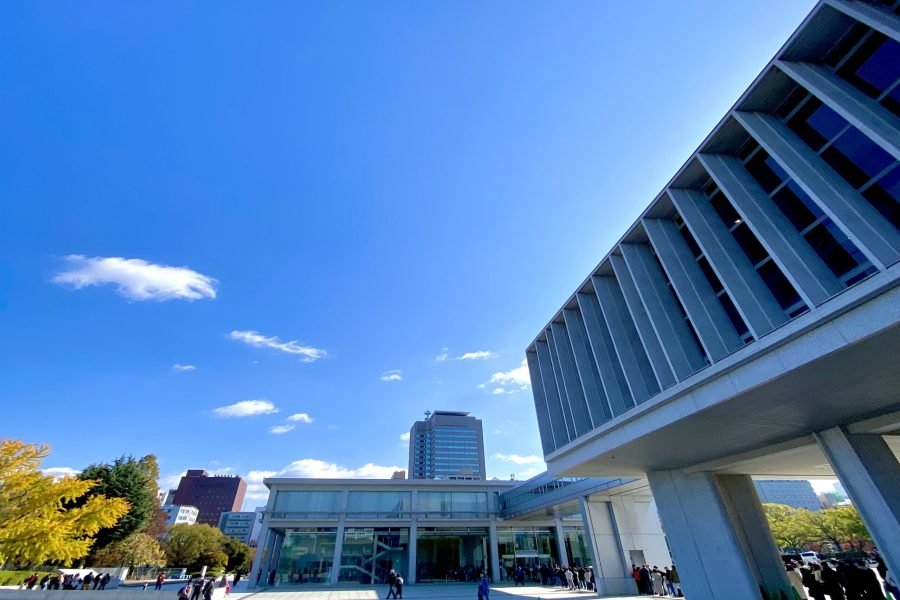
Continue into the human stories section, viewing personal artifacts, survivor testimonies, and emotional accounts that define the heart of the museum.
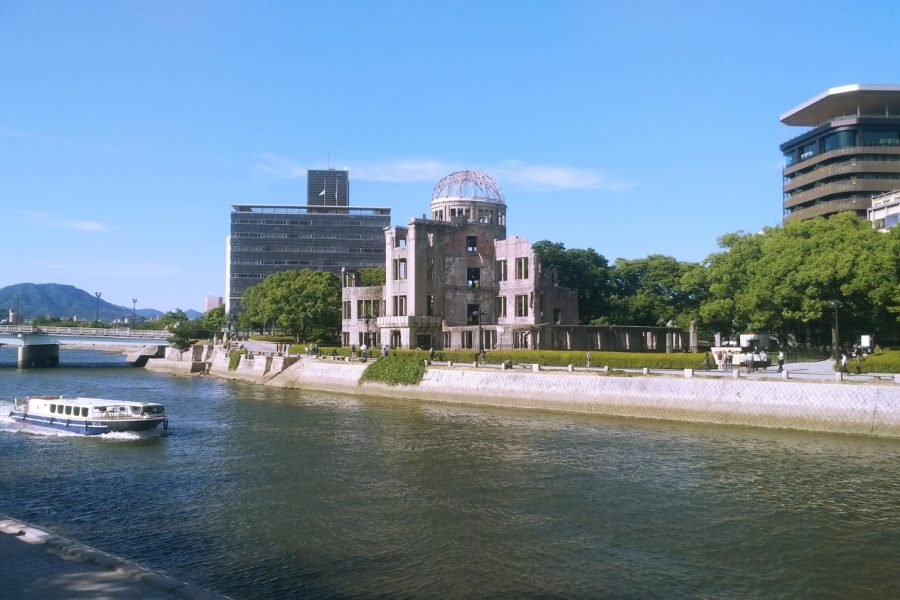
Explore the final exhibits focusing on radiation effects, Hiroshima’s reconstruction, and the global peace movement. Conclude your visit with time for reflection in Peace Memorial Park.
Yes, plan at least 2–3 hours. Comfortable shoes recommended.
Some areas are open-air views only; others allow interior entry.
Yes, but tripods and flash may be restricted.
Yes — advance ticket booking is required.
Most visitors enter from the south (Meridian Gate) and exit from the north (Gate of Divine Prowess).



Leave a review