

When World War II is remembered, the images that often come to mind are those of Europe: Normandy’s beaches, Berlin’s ruins, and the collapse of Nazi Germany. Yet for millions across Asia, the war unfolded across jungles, rivers, islands, cities, and villages that still exist today. Asia was not a side theater of the conflict; it was one of its central stages. From Southeast Asia to East Asia, entire societies were reshaped by occupation, resistance, and survival. Many of these places remain accessible, quiet witnesses to events that once altered the course of history.
Asia’s battlefields are often forgotten not because they were less significant, but because they do not always fit neatly into traditional war tourism narratives. These landscapes are not dominated by grand monuments or dramatic ruins. Instead, they are woven into everyday life. Railway tracks cut through forests, city streets pass former command centers, and memorials sit beside markets and homes. To visit these sites is not to step into a preserved battlefield frozen in time, but to encounter history layered beneath the present.
World War II came to Asia through imperial ambition, strategic necessity, and the collapse of colonial order. The conflict intersected with local histories of empire, nationalism, and resistance. For many Asian societies, the war was not only a clash between global powers but also a catalyst for independence movements and political transformation. Understanding Asia’s battlefields therefore requires attention not only to military campaigns, but to how war reshaped identity, power, and memory.
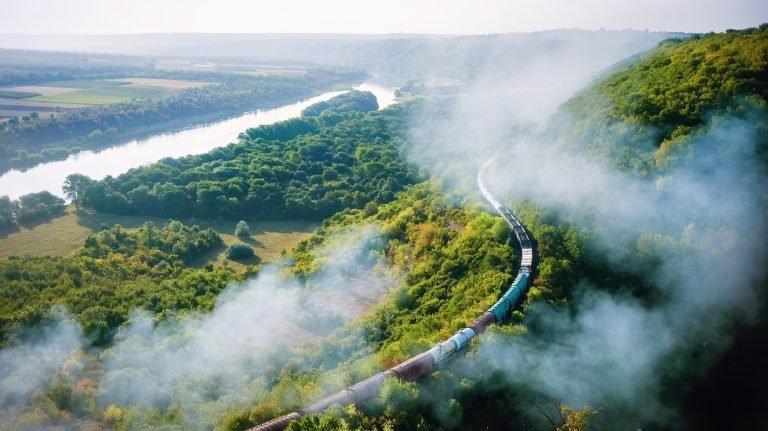
Thailand’s wartime sites are notable for their integration into daily life. Bridges, stations, and towns function as modern infrastructure while carrying layered histories beneath their surfaces. Visiting these places invites travelers to consider how societies absorb trauma and continue forward. The absence of dramatic ruins does not diminish their importance; instead, it highlights how memory is preserved quietly, through education and local storytelling.
Across the border in Myanmar, the landscape itself played a decisive role in the war. Dense jungles, mountain ranges, and monsoon seasons shaped military strategy and human endurance. Roads and supply lines carved through difficult terrain became lifelines and vulnerabilities. Today, remnants of wartime infrastructure can still be found along remote routes, often unmarked and rarely visited by international travelers. These sites challenge conventional tourism expectations, requiring patience and cultural sensitivity.
Myanmar’s wartime history is closely tied to geography. Rivers served as transport corridors and barriers. Villages became temporary hubs of logistics and shelter. The war left marks not only in physical traces but in collective memory passed down through generations. For travelers, engaging with these sites responsibly means listening to local perspectives and recognizing that the landscape itself is part of the historical narrative.
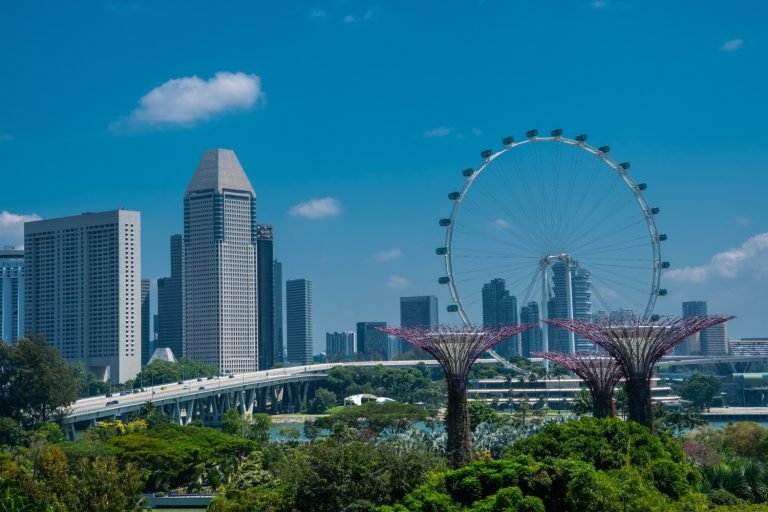
Singapore presents a different kind of battlefield, one defined by the collapse of imperial certainty. Once promoted as an impregnable fortress, the city fell with startling speed, altering the balance of power in Southeast Asia. Today, Singapore’s wartime sites are carefully curated within a modern urban environment. Coastal defenses, preserved installations, and museums offer structured interpretations of the past, emphasizing lessons of preparedness and resilience.
The contrast between Singapore’s sleek skyline and its wartime history is striking. Modern development has not erased memory but reframed it. The city-state’s approach to remembrance reflects its broader philosophy: history is studied to inform the future, not to dwell in loss. Visiting these sites reveals how a society transforms defeat into a foundation for long-term stability and identity.
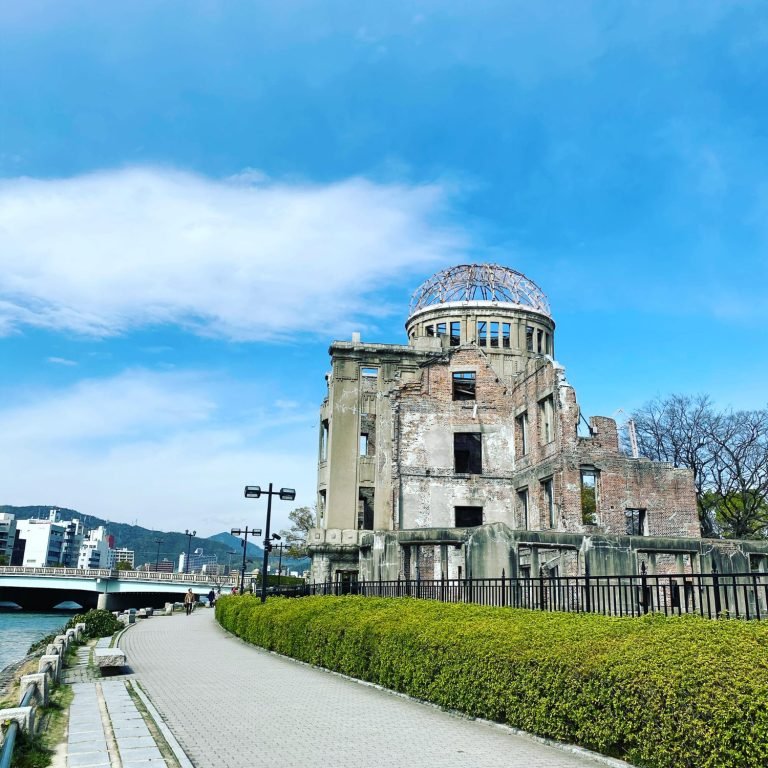
In the Philippines, World War II is remembered through stories of occupation, resistance, and eventual liberation. Urban centers, islands, and rural areas all experienced the war differently. Some sites remain visibly marked by history, while others blend seamlessly into modern life. Memorials, cemeteries, and preserved ruins coexist with bustling cities and coastal communities.
The Philippine experience underscores the human dimension of Asia’s battlefields. Civilian populations were deeply affected, and memory is often preserved through personal narratives rather than grand monuments. Visiting these sites offers insight into how communities remember hardship while celebrating survival. It also highlights the importance of storytelling in preserving history where physical traces may be limited.
Japan’s wartime sites represent a homeland grappling with the consequences of total war. Cities rebuilt from devastation now host memorials that emphasize reflection and peace. Museums and preserved locations focus on the cost of conflict and the importance of historical responsibility. These sites are not framed as victories or defeats but as spaces for learning and contemplation.
Traveling through Japan’s wartime locations reveals a deliberate approach to memory. Silence, minimalism, and careful curation guide visitors toward reflection rather than confrontation. The emphasis is on understanding the past to prevent its repetition. This approach contrasts with more dramatic forms of war tourism, offering a deeply introspective experience.
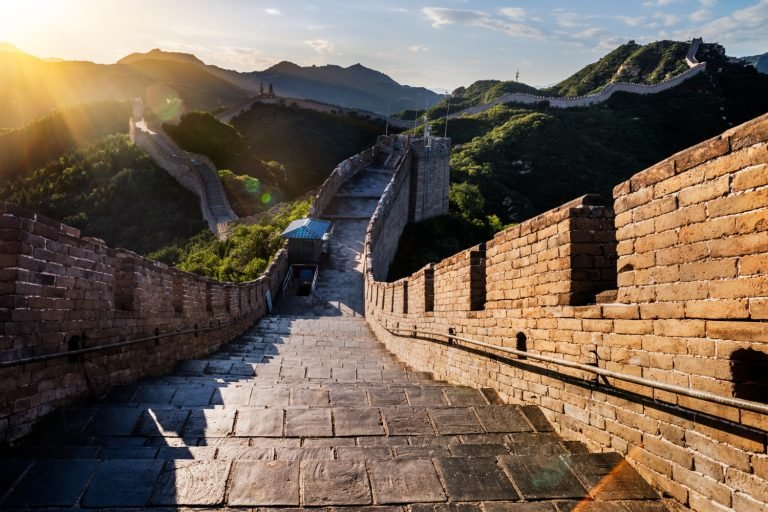
China’s battlefields span vast geographic and historical terrain. From major cities to rural regions, the war left an indelible mark on national consciousness. Memorials and museums across the country document both military campaigns and civilian experiences, emphasizing endurance and remembrance. These sites are often integrated into educational initiatives, reinforcing the connection between history and identity.
China’s approach to wartime memory reflects the scale of its experience. The war is presented as a defining chapter in modern history, shaping national resilience and international perspective. Visiting these sites requires sensitivity and contextual understanding, recognizing that memory is both historical and political.
Across Asia, visiting World War II sites carries responsibility. These are not destinations for entertainment but places of learning. Respectful engagement involves preparation, awareness, and openness to local narratives. Reading historical background, observing site guidelines, and approaching memorials with humility are essential practices.
What unites Asia’s forgotten battlefields is not uniformity but diversity. Each site tells a different story shaped by geography, culture, and historical circumstance. Together, they form a mosaic that challenges simplified narratives of World War II. They remind us that the war’s impact extended far beyond Europe and that Asia’s experiences were central to the global conflict.
These sites matter today because they connect past and present. They reveal how societies rebuild, remember, and reinterpret trauma. They also demonstrate that history does not reside solely in museums or textbooks but lives within landscapes and communities. For travelers, engaging with Asia’s battlefields offers a deeper understanding of the region and its complex modern identity.
World War II reshaped Asia politically, socially, and culturally. Independence movements, new nations, and shifting alliances emerged from the conflict’s aftermath. Visiting the places where these transformations began provides perspective on contemporary Asia and its relationship with the past. The battlefields may be forgotten by mainstream narratives, but they remain vital to understanding the world as it is today.
Comment (0)