

In the final months of World War II, Asia stood at a crossroads shaped by exhaustion, destruction, and uncertainty. Years of total war had consumed cities, resources, and lives across the region. Yet nothing that had come before prepared the world for what happened in August 1945. The atomic bombings of Hiroshima and Nagasaki did not simply end a war. They transformed the meaning of warfare itself, altered Asia’s political trajectory, and reshaped humanity’s understanding of power, responsibility, and survival.
To understand Hiroshima and Nagasaki is not only to recount two moments of devastation, but to explore how memory is preserved, how societies heal, and how history continues to shape the present. These cities are not frozen in tragedy. They are living places that carry the weight of the past while insisting on a future built around remembrance and peace.
Asia’s role in the final phase of World War II is often overshadowed by European narratives. Yet by 1945, the conflict in Asia had already reshaped the region profoundly. Colonial empires were weakening, nationalist movements were gaining momentum, and millions of civilians had experienced displacement, scarcity, and loss. Japan’s wartime trajectory had brought devastation across East and Southeast Asia, while Allied strategies increasingly focused on forcing an end to the conflict without prolonging mass casualties on all sides.
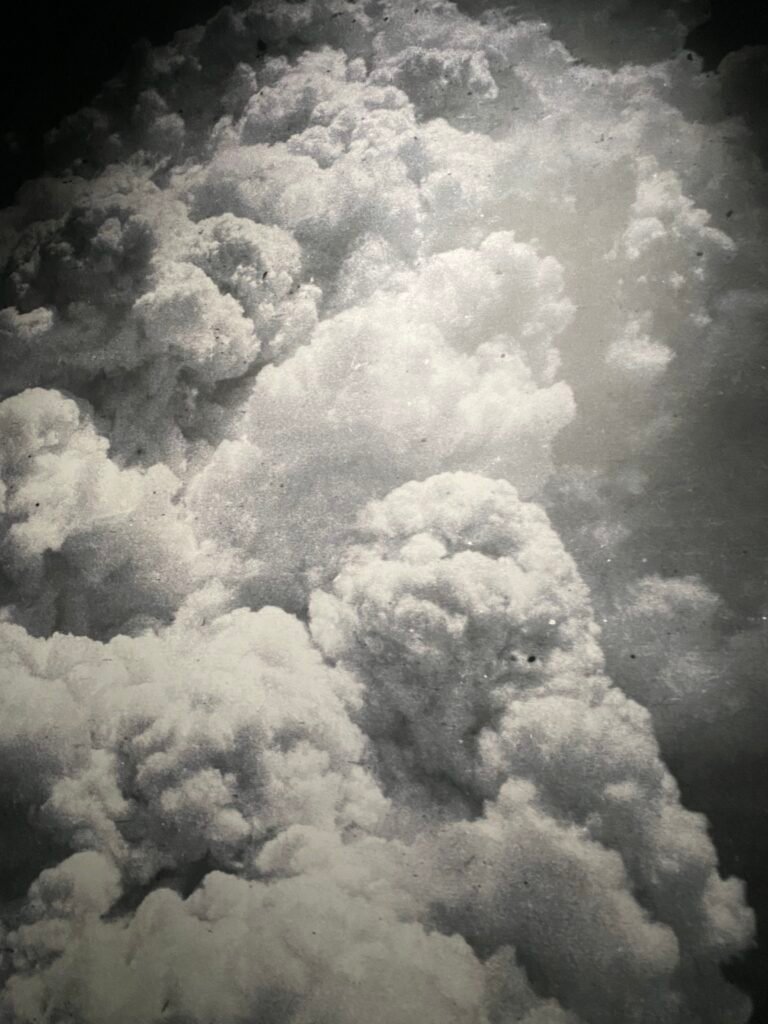
Hiroshima before August 1945 was a regional administrative and military hub, but it was also a civilian city. Schools, neighborhoods, and commercial districts shaped daily life along its rivers. Despite air raid warnings in other cities, Hiroshima had remained largely intact. This absence of large-scale bombing led many residents to believe the city might be spared. That belief would be shattered in a single moment that redefined history.
The atomic bombing of Hiroshima introduced a new scale of destruction. Unlike conventional warfare, the bomb’s impact extended beyond physical damage. It altered the environment, the human body, and the psychological landscape of survival. In the aftermath, the city became a symbol not only of wartime suffering, but of the unprecedented consequences of nuclear technology. The event forced the world to confront a new ethical reality in which scientific advancement had outpaced moral consensus.
Nagasaki’s experience, though often overshadowed by Hiroshima, carries its own historical significance. A port city shaped by international exchange, industry, and a unique Christian heritage, Nagasaki had endured previous bombing but retained much of its structure. The second atomic bomb expanded the meaning of nuclear warfare from an isolated event to a strategic doctrine. Together, Hiroshima and Nagasaki demonstrated that the atomic age was not theoretical. It was real, immediate, and irreversible.
The impact of the bombings extended far beyond Japan. Across Asia, the sudden end of the war accelerated political change. Colonial powers struggled to reassert authority, while independence movements gained strength. The atomic bombings became part of a larger postwar reckoning in which military dominance, technological power, and moral responsibility were reassessed. Asia entered a new era shaped by both liberation and lingering trauma.
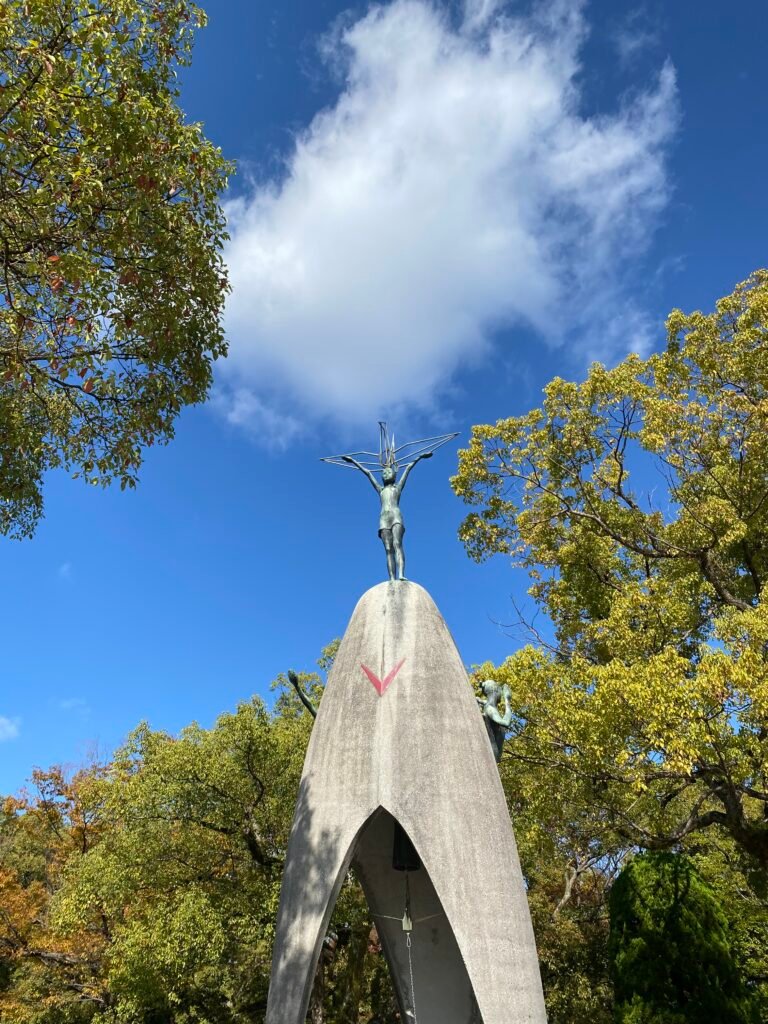
Postwar Japan faced the challenge of rebuilding amid profound loss. Cities were reconstructed, but memory could not be erased. Hiroshima and Nagasaki chose paths of remembrance that emphasized education rather than vengeance. Memorials, museums, and annual commemorations became central to civic identity. These spaces were designed not to shock, but to inform, inviting visitors to reflect on the consequences of nuclear warfare and the fragility of peace.
Hiroshima’s approach to memory is anchored by the Hiroshima Peace Memorial Park and Museum. Located near the hypocenter, the park transforms a site of destruction into a space of quiet reflection. The museum contextualizes the bombing within global history, presenting personal stories, artifacts, and documentation that emphasize human experience rather than abstract numbers. Visitors move through exhibitions that connect past suffering to contemporary calls for nuclear disarmament.
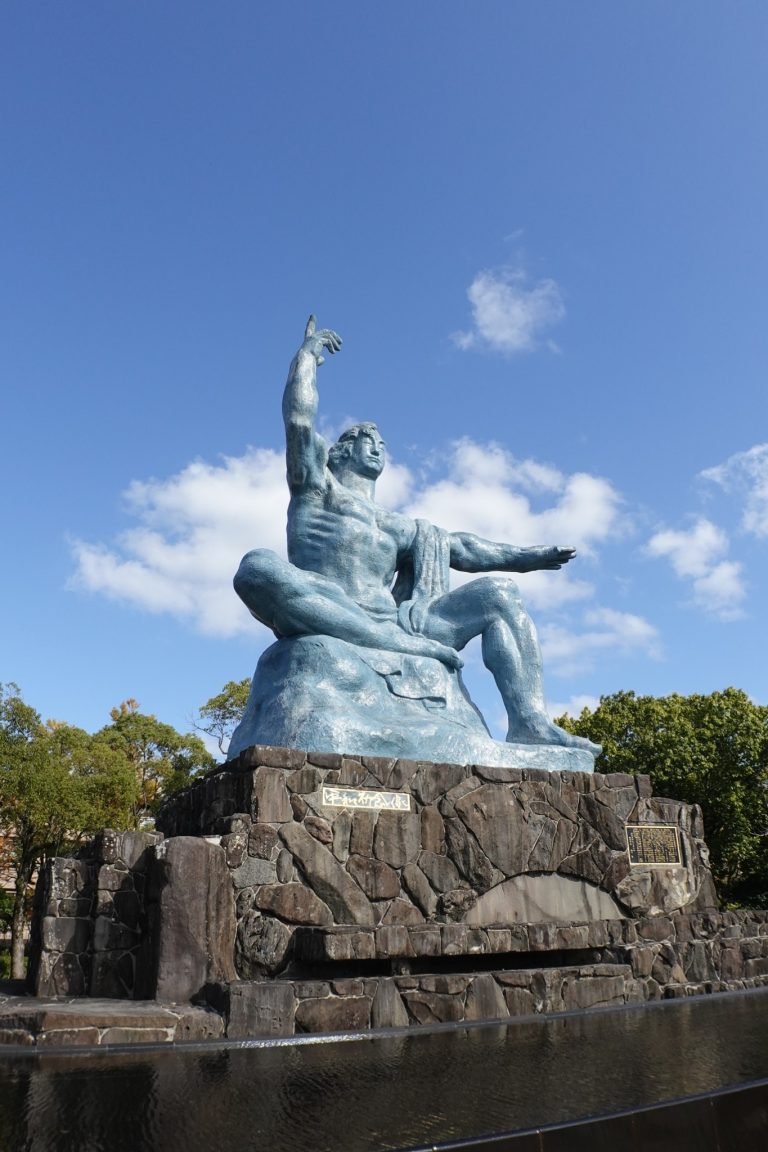
Nagasaki’s remembrance is shaped by its distinct cultural and historical identity. The Nagasaki Atomic Bomb Museum and surrounding memorial sites integrate themes of faith, resilience, and industrial history. The city’s experience underscores that nuclear trauma is not monolithic. Each place processes memory through its own cultural lens. Together, Hiroshima and Nagasaki offer complementary narratives that deepen understanding of the atomic age.
Traveling to Hiroshima and Nagasaki today requires historical awareness and respect. These are not destinations for spectacle or curiosity-driven tourism. They are places of learning. Visitors are encouraged to approach museums and memorials with preparation, openness, and sensitivity. Reading historical context, engaging with exhibits thoughtfully, and observing local customs of remembrance are essential aspects of responsible travel.
Beyond museums, the cities themselves tell stories of recovery. Modern Hiroshima is vibrant and dynamic, its riverside parks and urban life reflecting resilience rather than erasure. Nagasaki’s hills and harbor frame a city that balances industrial legacy with spiritual reflection. In both places, daily life continues alongside remembrance, illustrating how societies integrate trauma into identity without allowing it to define the future entirely.
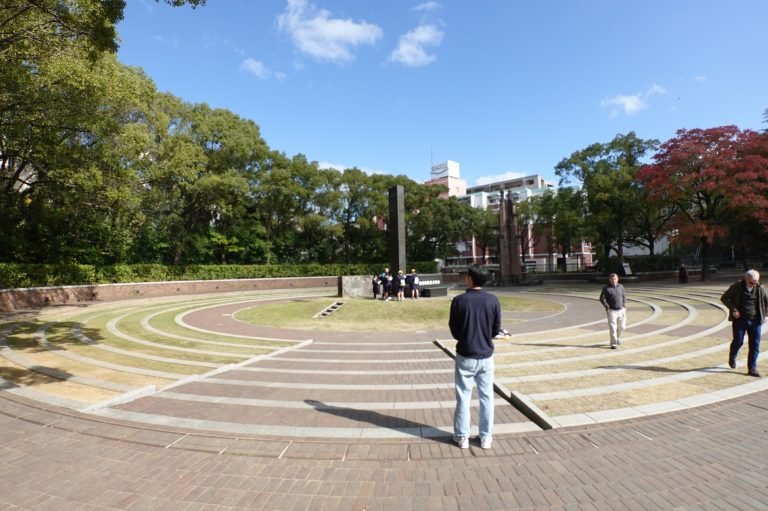
Hiroshima and Nagasaki still matter because the atomic age did not end in 1945. Nuclear weapons remain part of global security discourse, and debates about deterrence, ethics, and risk continue. These cities serve as living reminders of what is at stake. Their stories challenge narratives that reduce nuclear weapons to abstract strategic tools, insisting instead on recognition of human cost.
For Asia, the legacy of the atomic bombings intersects with broader questions of power, sovereignty, and historical responsibility. The events of August 1945 accelerated the collapse of old empires and shaped postwar alliances. They also contributed to new frameworks of international law and humanitarian awareness. Hiroshima and Nagasaki stand at the intersection of history and warning, reminding the world that technological capability must be matched by ethical restraint.
To visit Hiroshima and Nagasaki is to encounter history not as distant abstraction, but as lived memory. These cities do not ask visitors to dwell in guilt or fear. They ask for understanding. They ask that history be remembered accurately, thoughtfully, and with a commitment to preventing repetition. In doing so, they transform tragedy into a global lesson that continues to resonate across Asia and beyond.
Comment (0)