

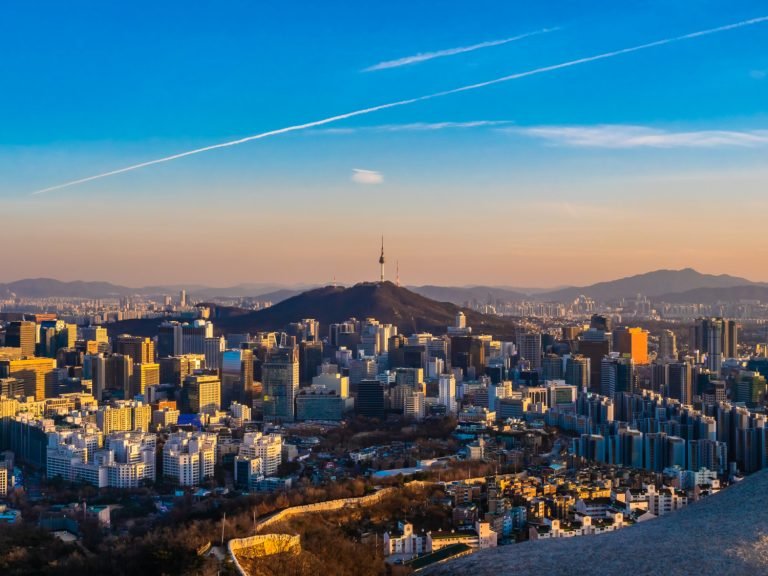
Modern Seoul is a city defined by speed. Neon lights reflect off glass towers, subway trains move with clockwork precision, and cafes overflow with life at all hours of the day. To many visitors, it feels like a symbol of relentless progress, a capital that embodies the future. Yet beneath this modern surface lies a quieter, heavier story. Seoul is not simply a city that grew; it is a city that collapsed, burned, emptied, and rebuilt itself from near-total destruction. During the Korean War, Seoul fell three times. Each fall stripped away another layer of certainty, leaving scars that still shape the city’s identity today.
Before the war, Seoul was already a city shaped by history’s pressures. As Korea’s capital, it had endured centuries of dynastic rule, Japanese colonial occupation, and the abrupt division of the peninsula after World War II. When Korea was split along the 38th parallel, Seoul found itself dangerously close to a geopolitical fault line. The city became a frontline capital, exposed and vulnerable, its fate tied to forces far beyond its control.
In June 1950, the Korean War erupted with stunning speed. North Korean forces crossed the 38th parallel and advanced southward with overwhelming momentum. Within days, Seoul fell for the first time. The city’s defenses collapsed, government officials fled, and civilians were left behind in confusion and fear. Streets emptied as people escaped south, carrying what little they could. Those who remained faced uncertainty, suspicion, and violence as authority shifted overnight.
The first occupation transformed Seoul into a city of silence. Normal life ceased. Shops closed, transportation halted, and families hid indoors, unsure which actions might be interpreted as loyalty or betrayal. In a war defined by ideology, civilians were often trapped between sides, forced to navigate survival without clarity or protection. Seoul was no longer a functioning capital; it became a contested space where fear dictated daily life.
Only months later, the city changed hands again. United Nations and South Korean forces retook Seoul, marking the second fall and rise. But this liberation was brief and brutal. Fighting turned neighborhoods into battlefields. Buildings were damaged, infrastructure shattered, and the civilian population suffered anew. Seoul became a symbol of both hope and fragility, liberated yet unstable, reclaimed yet never secure.
The war escalated, drawing in Chinese forces and expanding the conflict’s scale. Seoul fell a third time, enduring its most devastating period. This final occupation reduced much of the city to ruins. Historic districts were flattened, bridges destroyed, and entire communities displaced. By the time front lines stabilized, Seoul had been transformed from a living capital into a landscape of debris and memory.
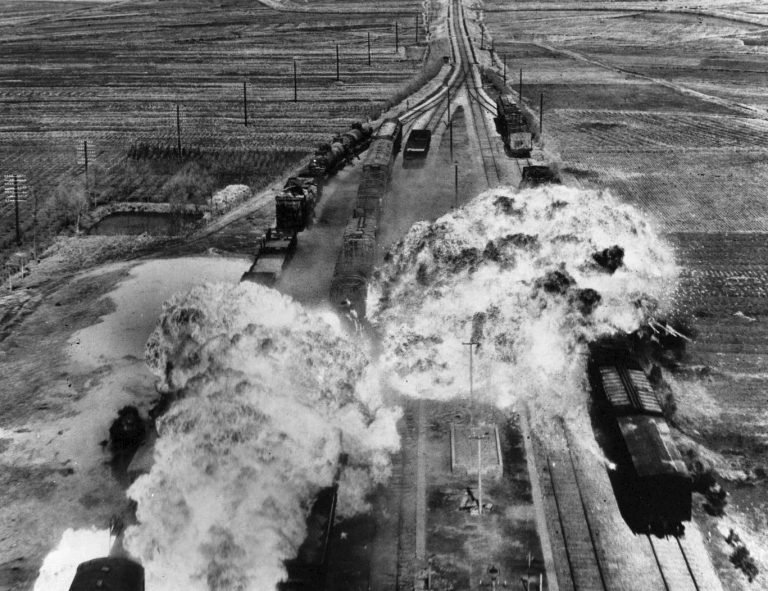
Korean War, train attack.
When the armistice was signed in 1953, Seoul was barely recognizable. Over half the city had been destroyed. Millions across Korea were displaced, and Seoul absorbed waves of refugees seeking shelter, work, and stability. The task of rebuilding seemed overwhelming. There were no grand plans at first, only necessity. Roads were cleared, basic housing erected, and life resumed through sheer determination.
What followed was not merely reconstruction but reinvention. Seoul rebuilt itself without the luxury of forgetting. The trauma of war lingered, shaping attitudes toward security, discipline, and resilience. Silence became a coping mechanism. Unlike some cities that monumentalized destruction, Seoul often buried its pain beneath progress. Memory was preserved quietly, in small monuments, aging photographs, and personal stories passed within families.
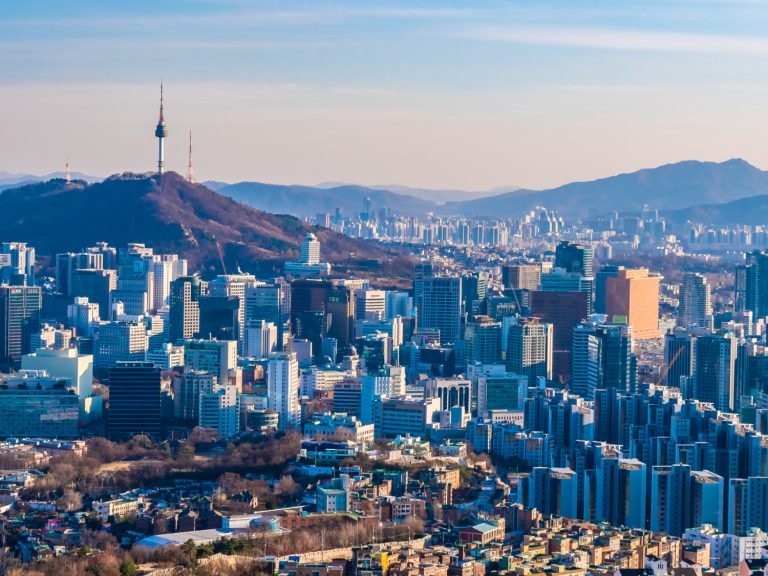
Today, traces of the Korean War remain scattered across Seoul, often unnoticed by those rushing past. Palaces rebuilt stone by stone stand beside modern government buildings. Hills once scarred by artillery now host memorials and parks. Museums document the war not as distant history but as lived experience, reminding visitors that modern Seoul rose directly from the ashes of conflict.
Visiting Seoul through the lens of the Korean War reveals a different city. The War Memorial of Korea offers a comprehensive narrative of the conflict, placing Seoul’s suffering within a broader national and international context. In neighborhoods once devastated by fighting, cafes and apartments now stand where front lines once shifted daily. The contrast is striking, and it invites reflection rather than spectacle.
Seoul’s ability to transform trauma into identity lies at the heart of its modern character. The city’s emphasis on education, innovation, and collective effort reflects lessons learned through survival. Progress was not optional; it was essential. This urgency shaped South Korea’s rapid development and continues to influence Seoul’s pace today.
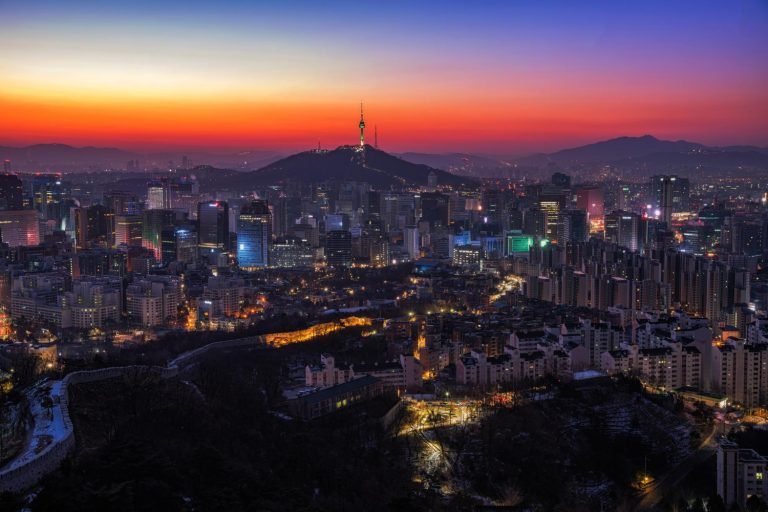
Understanding Seoul requires acknowledging this history. The city’s energy, ambition, and discipline are inseparable from the experience of loss and rebuilding. Seoul does not simply move forward because it wants to. It moves forward because it remembers what stagnation and vulnerability once cost.
For travelers, engaging with Seoul’s war history adds depth to the experience of the city. Modern attractions gain meaning when seen alongside the ruins they replaced. The vibrancy of contemporary Seoul becomes more powerful when understood as the outcome of resilience rather than inevitability.
Seoul fell three times during the Korean War. Each fall reshaped the city, stripping away illusions and forcing adaptation. Its rise was not a return to what once was, but the creation of something new. In this way, Seoul stands as one of Asia’s most profound examples of survival, a city that carries its past not as a burden, but as a foundation.
Comment (0)