

Bushido is often translated as “the way of the warrior,” yet this simple phrase barely captures the weight the concept carries within Japanese history. More than a code of conduct, Bushido became a moral framework that shaped how individuals understood honor, duty, loyalty, and sacrifice. Its influence extended far beyond the battlefield, penetrating politics, education, social behavior, and even modern corporate culture. To understand Japan, both past and present, one must understand Bushido not as a fixed rulebook but as a living philosophy that evolved alongside the nation itself.
Before Bushido took form, Japan existed in a world defined by instability and localized power. From the late Heian period through centuries of civil conflict, the samurai emerged as a warrior class whose primary function was survival in a fractured political landscape. Early samurai ethics were pragmatic rather than idealistic. Loyalty was conditional, violence was a means to an end, and honor was tied closely to reputation and lineage. There was no unified moral doctrine. What later generations would call Bushido did not yet exist as a codified philosophy.
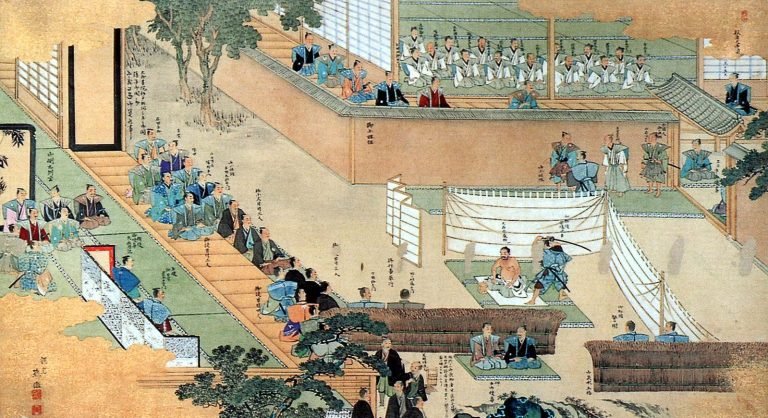
As Japan moved toward greater political consolidation, the role of the samurai changed. During the Kamakura and Muromachi periods, warriors became administrators, land managers, and enforcers of order. With this shift came a growing need for ethical restraint. Power without moral justification threatened stability. Confucian thought, Zen Buddhism, and indigenous Shinto beliefs gradually fused into a worldview that emphasized discipline, self-control, and moral responsibility. Bushido emerged not from a single text or authority, but from centuries of lived experience and philosophical adaptation.
At its core, Bushido was concerned with how a warrior should live when death was always present. Courage was not recklessness but composure in the face of inevitability. Loyalty was not blind obedience but a commitment to a moral hierarchy in which personal desire was subordinate to duty. Honor was not external praise but internal alignment between action and principle. These values were reinforced through ritual, education, and storytelling, becoming deeply embedded in samurai identity.
The concept of death occupied a central place in Bushido. Rather than glorifying violence, the acceptance of death served as a tool for ethical clarity. A warrior who had already accepted death was free from fear and therefore capable of acting decisively and responsibly. This mindset distinguished Bushido from purely militaristic codes. It emphasized moral readiness over brute force, self-discipline over aggression.
During the Tokugawa period, Japan entered an era of relative peace. Ironically, it was during this time that Bushido became more formally articulated. Samurai, no longer engaged in constant warfare, turned inward. Manuals, essays, and philosophical works sought to define the warrior’s role in a peaceful society. Bushido evolved into an ethical ideal rather than a battlefield necessity. The samurai became a moral exemplar, expected to model integrity, restraint, and loyalty for society at large.
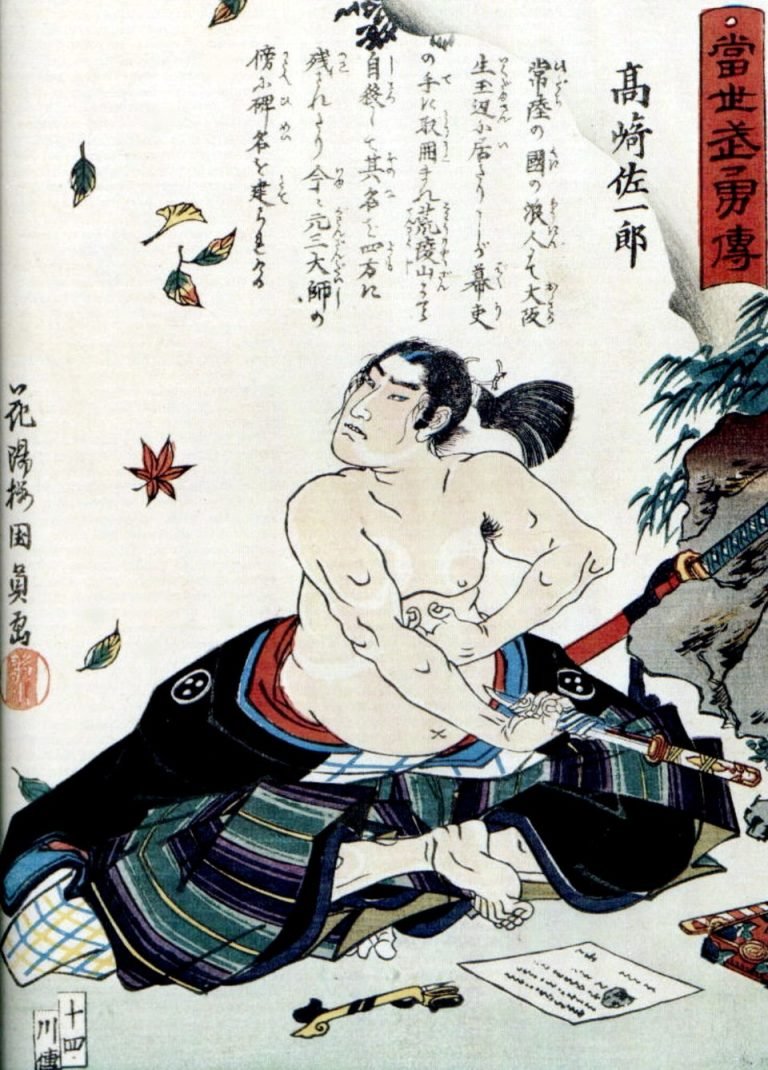
This transformation allowed Bushido to transcend class boundaries. Its values filtered into education and governance, shaping expectations of behavior across Japanese society. Discipline, respect for hierarchy, and personal accountability became cultural norms. Bushido was no longer confined to warriors; it became a framework for citizenship.
The Meiji Restoration marked a profound rupture. As Japan modernized rapidly, the samurai class was dismantled. Swords were banned, stipends abolished, and Western-style institutions replaced feudal structures. Many assumed Bushido would disappear alongside the samurai. Instead, it was repurposed. The state reframed Bushido as a national ethic, linking loyalty to the emperor with moral virtue. What had once governed individual conduct became a tool of collective identity.
This transformation carried both power and danger. Bushido’s emphasis on sacrifice and loyalty helped unify a rapidly changing nation. It fostered resilience, discipline, and a willingness to endure hardship. At the same time, its reinterpretation stripped away nuance. Moral complexity was replaced by absolutism. Loyalty became synonymous with obedience, and ethical reflection gave way to ideological certainty.
During the era of Imperial Japan, Bushido was mobilized as a justification for expansion and war. The language of honor and sacrifice was used to frame national objectives, blurring the line between personal ethics and state ambition. This period left a lasting shadow over Bushido’s legacy, associating it in global memory with militarism rather than moral discipline.
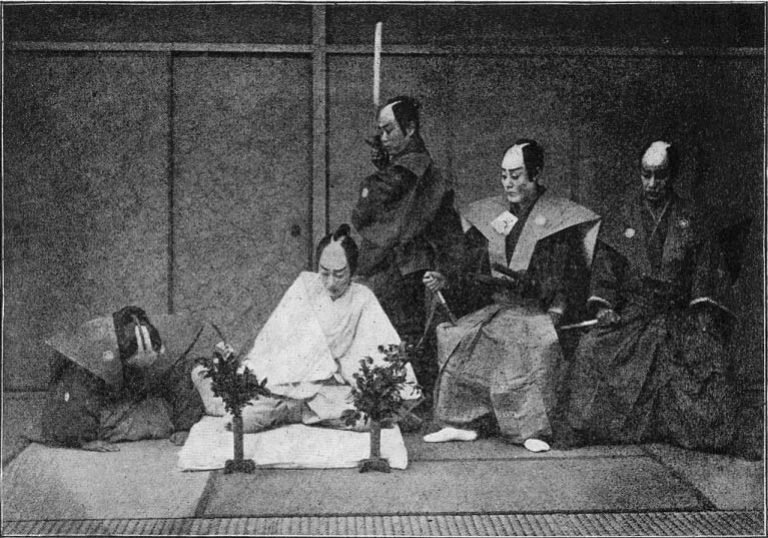
The end of World War II forced Japan to confront this legacy. The collapse of the imperial system shattered the ideological framework that had appropriated Bushido. In the aftermath, the concept fell into silence. Public discourse avoided it, wary of its wartime associations. Yet Bushido did not vanish. It retreated into subtler forms.
In postwar Japan, Bushido survived not as a doctrine but as an attitude. Its influence can be seen in work culture, where perseverance and responsibility are prized. It appears in education, emphasizing effort, humility, and respect. It shapes social behavior, encouraging individuals to consider the impact of their actions on the group. These traits are often described as cultural rather than ethical, yet their roots trace directly back to Bushido’s core principles.
Modern Japanese society does not teach Bushido explicitly, yet it lives through practice. The expectation to endure difficulty without complaint, to prioritize collective harmony, and to take responsibility even when systems fail reflects a moral inheritance shaped by centuries of warrior ethics. In this form, Bushido is neither glorified nor condemned. It simply exists as part of the cultural fabric.
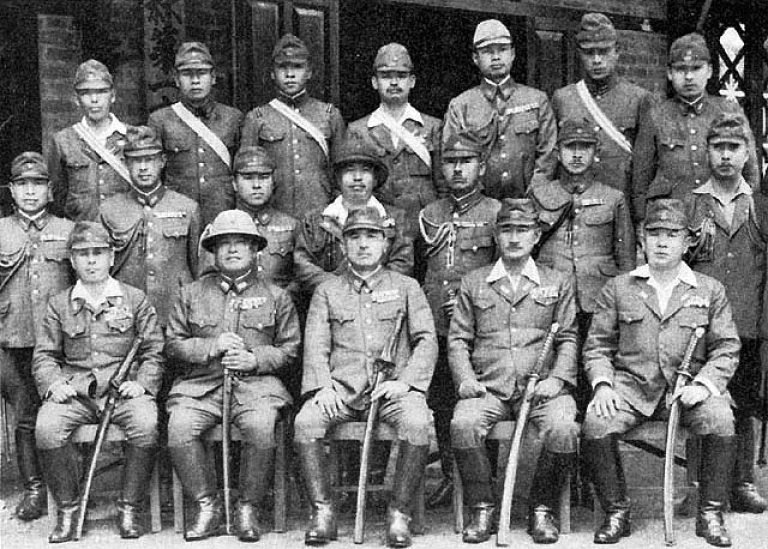
Traveling through Japan with an understanding of Bushido reveals layers often missed by casual observation. Castles, temples, and former samurai districts are not merely historical attractions. They are spaces where ethical ideas were lived and tested. Visiting places such as Kanazawa, Kagoshima, or Hagi offers insight into how local interpretations of Bushido shaped regional identity. Museums and preserved residences provide context, but the deeper experience comes from observing how order, respect, and discipline persist in everyday interactions.
Bushido’s endurance raises important questions. Can an ethical system born in violence contribute positively to modern life? Japan’s experience suggests that it can, when separated from ideology and returned to its philosophical roots. Bushido at its best was not about domination but about self-mastery. It asked individuals to live with integrity, aware of mortality and responsibility.
In a world facing renewed uncertainty, Bushido’s relevance extends beyond Japan. Its emphasis on ethical clarity, resilience, and accountability resonates in contexts far removed from samurai battlefields. Yet its history also warns of the dangers of moral absolutism when ethics are co-opted by power.
Bushido is not a relic of the past. It is a lens through which Japan continues to understand itself, balancing tradition and change. To study Bushido is not to romanticize the samurai, but to explore how values endure, adapt, and sometimes fracture under pressure. In this tension lies the true legacy of the Japanese warrior code.



Comment (0)