

Across Asia, myths were never meant to stay in books. They live in rivers, forests, temples, alleyways, and mountains. Unlike Western mythology, which often feels confined to ancient texts, Asian legends remain woven into daily life. People do not merely remember them. They coexist with them. From Japan’s shadowy yokai to the river-dwelling naga of Southeast Asia, these legends reveal how societies once understood danger, morality, power, and the unseen world.
Asian myths emerged from lived experience. They were not created to entertain but to explain what could not be controlled. Natural disasters, illness, political authority, and human fear all demanded meaning. Legends became maps for survival, teaching where not to go, how to behave, and what forces deserved respect.
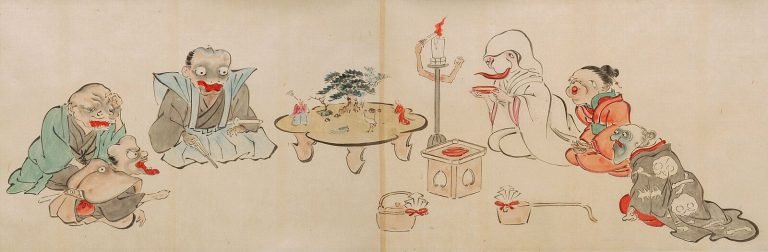
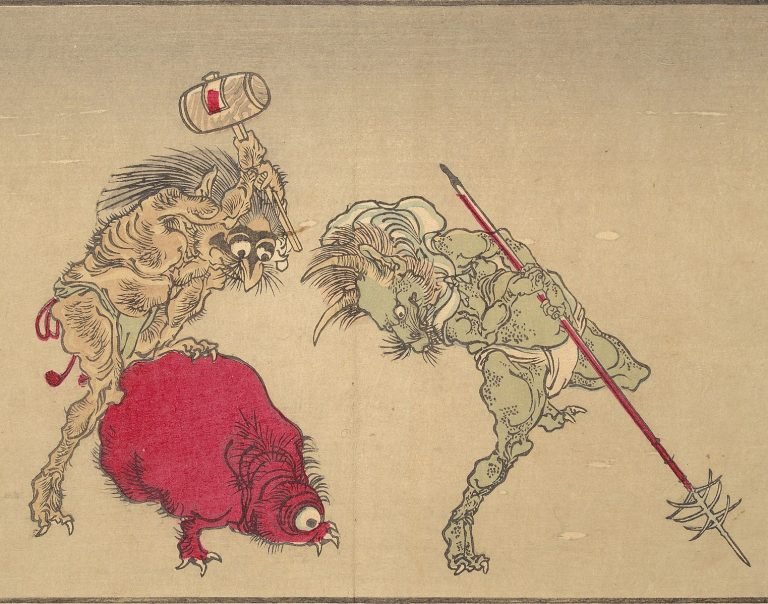
In Japan, yokai represent the fear of the unseen. They are not gods, nor are they demons in the Western sense. Yokai are manifestations of disruption. They appear when order breaks down, when nature intrudes upon human space, or when emotions grow too intense. Old houses, abandoned roads, deep forests, and forgotten villages became their natural habitats.
Yokai stories flourished during periods of social instability. They reflected anxiety during times of war, famine, and urbanization. Some yokai punished arrogance, others mocked greed, and many simply reminded people that the world was larger than human logic. The persistence of yokai in Japanese culture reveals a worldview that accepts ambiguity rather than erasing it.
Closely related to yokai is the kitsune, the fox spirit that walks the line between wisdom and deception. Unlike monsters meant to frighten, kitsune test human perception. They transform into beautiful women, monks, or ordinary travelers, exposing desire, vanity, and moral weakness. In Japanese folklore, intelligence without ethics is dangerous. Kitsune stories are warnings disguised as entertainment.
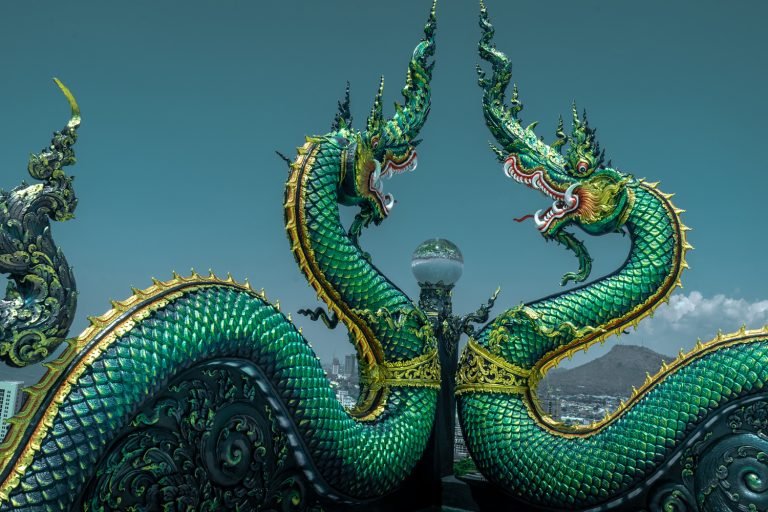
In Southeast Asia, legends took a different form. The naga, the great serpent, dominates rivers, lakes, and underground realms. Unlike dragons of destruction, naga are guardians. They control water, fertility, and the boundary between worlds. In agrarian societies dependent on monsoons and rivers, water was life and death. The naga embodied this power.
Across Thailand, Laos, Cambodia, and Vietnam, naga imagery appears on temple staircases and riverbanks. These are not decorations. They mark thresholds between the human and divine. To disrespect water was to disrespect the naga. Floods, droughts, and disease were interpreted through this lens, reinforcing humility toward nature.
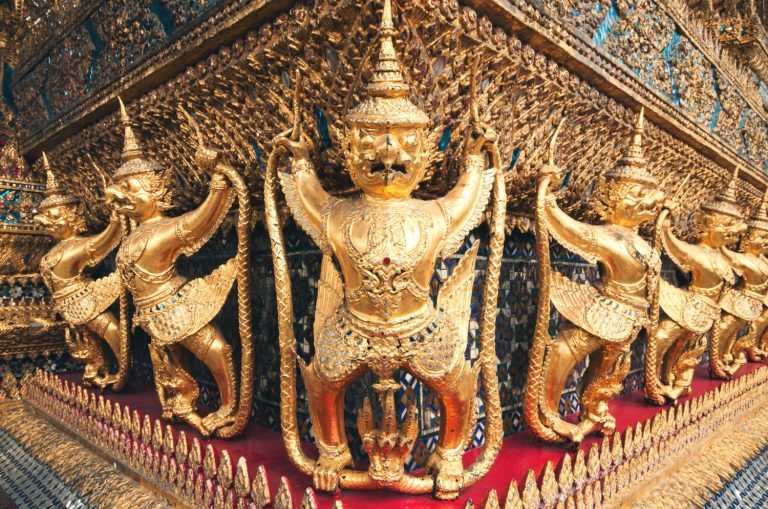
Garuda stands in contrast to the naga. Where naga represent the earth and water, garuda embodies the sky and authority. Rooted in ancient Indian cosmology, garuda entered Southeast Asia through Hindu and Buddhist transmission. It became a symbol of kingship, protection, and divine legitimacy. In Thailand and Indonesia, garuda is not merely mythological. It is political.
The adoption of garuda as a national emblem transformed myth into identity. Authority was no longer justified solely by force but by cosmic order. The ruler became a mediator between Heaven and Earth. This fusion of myth and governance allowed societies to internalize power as sacred rather than arbitrary.
What unites yokai, kitsune, naga, and garuda is not their form, but their function. Each legend explains power relationships. Yokai warn against ignoring the unseen. Kitsune expose moral blindness. Naga enforce respect for nature. Garuda legitimizes authority through cosmic balance. Together, they form a mythological system that regulates behavior without law.
These legends did not vanish with modernization. They adapted. Yokai became pop culture icons. Kitsune appear in anime and literature. Naga festivals draw crowds along the Mekong River. Garuda remains on passports, temples, and government seals. Modern Asia did not abandon myth. It rebranded it.
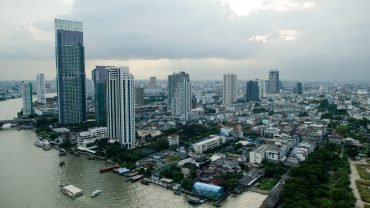
Traveling through Asia reveals this continuity. In Japan, remote villages still host yokai-themed festivals. Shrines dedicated to fox spirits attract worshippers seeking success or protection. Along the Mekong, naga fireball phenomena spark annual debate between science and belief. In Bangkok, garuda statues guard ministries and courts, reminding citizens of cosmic order embedded in statehood.
Understanding these myths transforms travel into interpretation. Forests are no longer empty. Rivers are not merely water. Architecture becomes narrative. The traveler stops consuming culture and begins reading it.
Asian legends go viral today because they resonate with modern anxiety. In an age of uncertainty, myth offers symbolic language where rational systems feel inadequate. Yokai reflect fear of the unknown. Kitsune mirror distrust of appearances. Naga embody environmental concern. Garuda speaks to legitimacy in times of political doubt.
These legends survive because they were never fictional. They were frameworks for meaning. And in Asia, meaning is never obsolete.


Comment (0)