

Samurai culture did not begin as legend. It emerged from necessity, shaped by violence, loyalty, land ownership, and political fragmentation. Yet over time, this warrior culture transformed into one of the most influential moral and aesthetic systems in Japanese history. Even after the samurai class disappeared, its values survived, reappearing in modern forms that continue to shape how Japan tells stories about honor, conflict, identity, and humanity. Today, samurai culture lives on not only in history books and preserved castles, but also in anime, television dramas, and the animated worlds of Studio Ghibli.
To understand why samurai culture still resonates so deeply, one must first understand the conditions that created it. Early Japan was a land of competing clans and shifting power. Central authority was weak, and survival depended on local military strength. From this environment emerged warriors who were not merely fighters, but land managers, administrators, and symbols of order. These early samurai were pragmatic rather than idealistic. Their loyalty was personal, their morality situational, and their identity forged through action rather than philosophy.
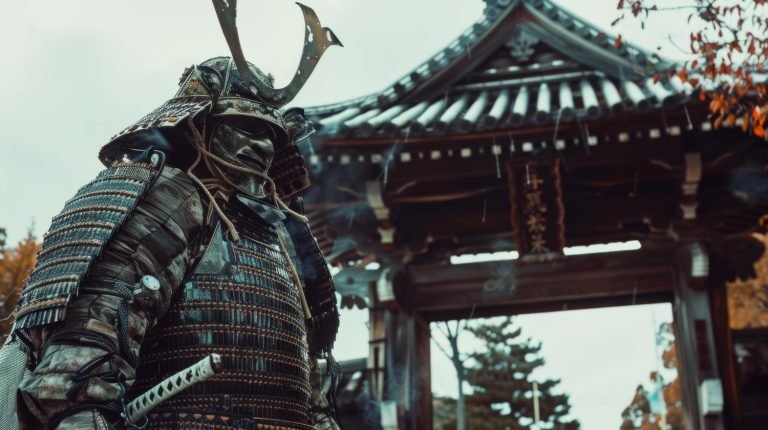
As Japan slowly unified, the samurai evolved. Warfare became more structured, and loyalty shifted from immediate survival to long-term allegiance. Over centuries, ethical expectations grew around the warrior class. Influences from Confucianism emphasized hierarchy and duty, Zen Buddhism introduced discipline and acceptance of impermanence, and Shinto reinforced loyalty to lineage and land. From this fusion emerged Bushido, not as a written law, but as a cultural framework for how a warrior should live and die.
Bushido placed enormous emphasis on self-control, responsibility, and inner discipline. Death was not glorified, but accepted as a consequence of living with integrity. Honor was internal rather than performative. These ideas transformed the samurai from mercenaries into moral symbols. By the Edo period, when Japan experienced long peace, samurai became bureaucrats and scholars, yet their identity as warriors persisted through education and ritual.
When Japan modernized during the Meiji era, the samurai class was dismantled. Swords were banned, privileges revoked, and Western institutions replaced feudal systems. Yet samurai culture did not vanish. It shifted. The values of perseverance, loyalty, and sacrifice were absorbed into national identity, education, and eventually corporate culture. Samurai became archetypes rather than a social class.
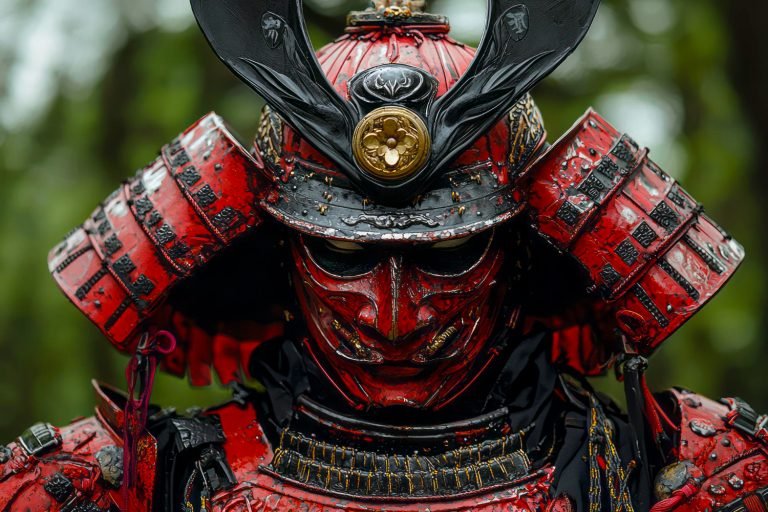
This transformation allowed samurai culture to migrate into storytelling. As Japan entered the modern age, literature, theater, and later film reimagined the samurai not as historical figures, but as symbols of moral struggle. This symbolic power carried seamlessly into anime, where samurai archetypes found new life.
In Japanese anime, the samurai is rarely portrayed as a flawless hero. Instead, characters embody internal conflict, questioning loyalty, justice, and identity. Series like Rurouni Kenshin present the warrior as a figure seeking redemption rather than glory. The protagonist’s refusal to kill reflects a modern reinterpretation of Bushido, one that prioritizes moral restraint over violence.
Similarly, Samurai Champloo deconstructs the samurai myth entirely, blending Edo-period aesthetics with modern music and irreverent storytelling. Yet beneath its stylistic experimentation lies a familiar theme: wandering warriors searching for meaning in a world that no longer needs them. This narrative echoes the historical fate of the samurai themselves.
The influence extends beyond swordplay. Even science fiction and fantasy anime borrow samurai ethics. Characters in Attack on Titan reflect Bushido-like values of sacrifice, duty, and loyalty to a cause larger than the self. Though set in a fictional world, the moral dilemmas mirror those faced by samurai navigating loyalty and survival.
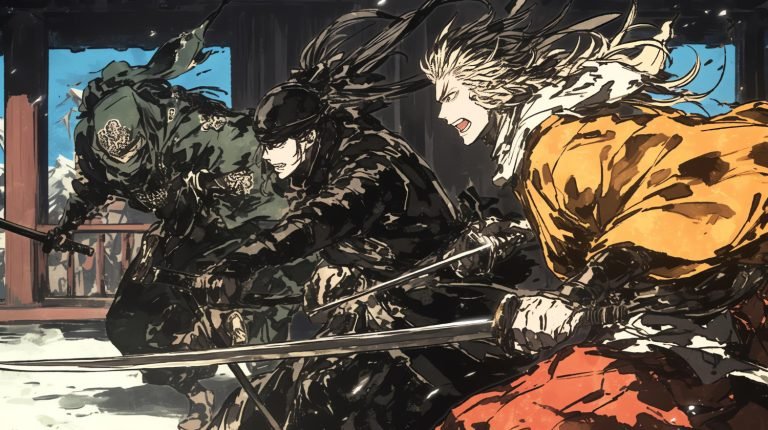
Japanese television dramas also preserve samurai narratives, often in more grounded and historical forms. Period dramas known as taiga dramas retell the lives of famous warriors and leaders, reinforcing national memory. These dramas focus less on battles and more on decision-making, loyalty, and moral consequence, presenting samurai history as a series of human choices rather than heroic inevitability.
Studio Ghibli offers a subtler yet profound continuation of samurai philosophy. While rarely featuring samurai directly, its films are deeply informed by Bushido values. In Princess Mononoke, conflict is portrayed without clear villains. Duty to nature, loyalty to community, and the cost of violence echo samurai ethics stripped of militarism. The protagonist’s struggle is not to defeat an enemy, but to live honorably amid irreconcilable forces.
In The Wind Rises, dedication to craft, acceptance of loss, and responsibility without glorification reflect a transformed Bushido. The film portrays discipline and sacrifice not as virtues of war, but as human burdens. Even Spirited Away carries samurai undertones, emphasizing respect, humility, and moral growth through endurance rather than strength.
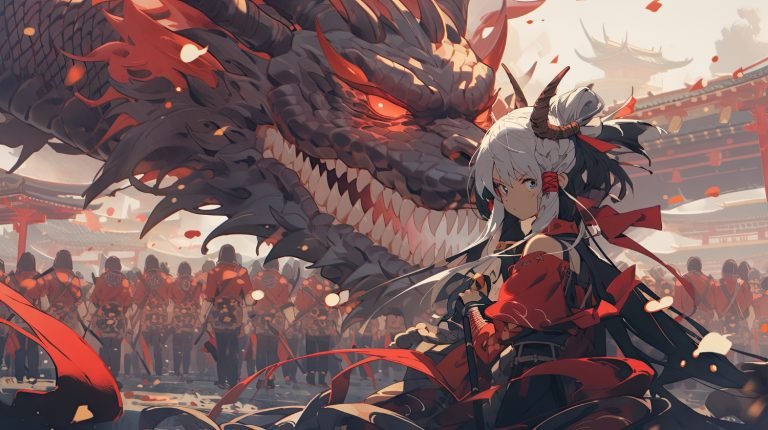
What makes samurai culture so adaptable is its emphasis on internal struggle. The samurai story is never just about combat. It is about choosing how to act when values conflict. This universality allows samurai ethics to resonate globally, even among audiences unfamiliar with Japanese history.
Traveling through Japan with this understanding reveals deeper layers of meaning. Castles are not merely fortresses, but centers of governance and moral authority. Samurai districts preserve spatial order reflecting social hierarchy. Museums contextualize swords not as weapons, but as symbols of responsibility. Places like Kanazawa, Kagoshima, and Kamakura allow travelers to see how samurai culture shaped urban life, education, and regional identity.
The continued global fascination with samurai culture reveals something essential about storytelling. In an era of moral uncertainty, narratives that explore honor, sacrifice, and restraint remain powerful. Samurai culture offers a framework for confronting conflict without simple answers.
The samurai no longer exist as warriors, but their cultural legacy persists wherever stories ask difficult questions about loyalty, justice, and identity. In anime, drama, and animation, the samurai lives on not as a figure of the past, but as a mirror through which modern society examines itself.



Comment (0)