

Fukuoka has always looked outward. Long before Tokyo became a capital or Osaka an economic engine, the northern shore of Kyushu served as Japan’s front door to the Asian continent. From these coastlines, Japan first encountered foreign traders, invading armies, migrating peoples, and new ideas. Fukuoka’s history is not one of isolation, but of constant contact. It is a city shaped by movement across the sea, where Japan met Asia face to face.
Geography explains much of Fukuoka’s destiny. Located on Kyushu, the closest of Japan’s main islands to the Korean Peninsula and mainland Asia, Fukuoka sits along natural maritime routes that have connected the Japanese archipelago to China and Korea for millennia. The sea here is not a barrier but a corridor. For ancient travelers, merchants, and envoys, the waters between Kyushu and the continent were among the most heavily trafficked in East Asia.
Archaeological evidence suggests that early migration into Japan flowed through northern Kyushu. Technologies, agricultural practices, and cultural influences arrived here first before spreading eastward. Fukuoka was not merely a recipient of foreign influence; it was a filter, absorbing, adapting, and transmitting continental ideas into uniquely Japanese forms. This role as mediator between worlds would define the region for centuries.
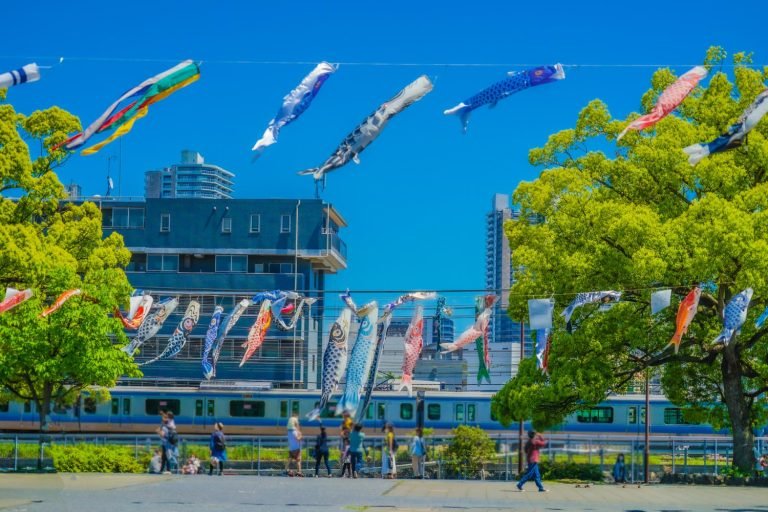
By the medieval period, Hakata emerged as a major port and commercial hub. Unlike political capitals centered on land-based authority, Hakata thrived on maritime exchange. Traders from China and Korea docked alongside Japanese merchants, creating a cosmopolitan environment rare in premodern Japan. Goods, languages, and beliefs circulated through its markets. Buddhism, Confucian thought, ceramics, and textiles flowed in and out, binding Japan to a wider Asian world.
This trade was not separate from samurai power. Warrior elites understood that control of ports meant control of wealth and information. Fukuoka became a strategic prize, guarded by fortifications and governed with care. Samurai did not only fight; they negotiated, taxed, and protected trade routes. In this frontier zone, martial and commercial worlds overlapped.
The Mongol invasions of the thirteenth century marked one of the most dramatic chapters in Fukuoka’s history. Armies from the continent landed along Kyushu’s shores, transforming the region into a battlefield that decided Japan’s fate. Defensive walls, coastal patrols, and rapid mobilization reshaped local society. The experience embedded a deep awareness of vulnerability and resilience into Fukuoka’s identity. The city became synonymous with defense against external threat, even as it remained Japan’s most open point of contact.
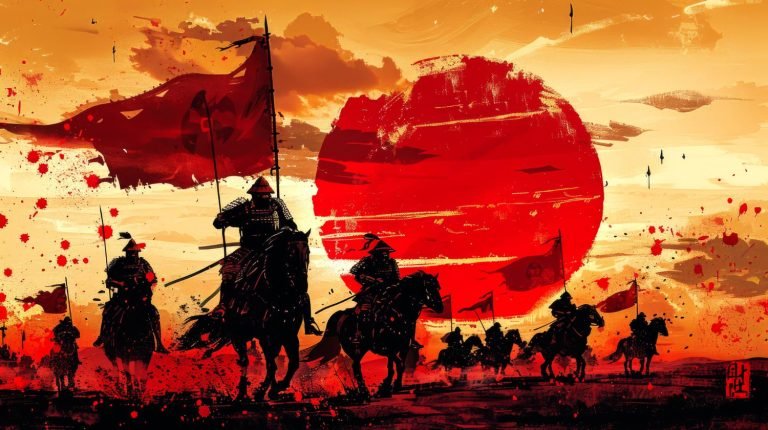
After the invasions, Fukuoka retained its importance as a frontier city. During Japan’s long period of relative isolation, trade was restricted but never fully severed. Hakata merchants continued limited exchanges, and knowledge from abroad still entered through controlled channels. Even in isolation, Fukuoka remained Japan’s window to Asia, albeit a narrower one.
The modern era transformed Fukuoka once again. As Japan industrialized and expanded its influence overseas, Kyushu became a strategic staging ground. Ports, railways, and military installations multiplied. Fukuoka’s proximity to Korea and China made it central to imperial logistics. Troops passed through its docks, and goods flowed outward as Japan projected power across Asia.
World War II underscored Fukuoka’s strategic geography. While spared the total destruction of some cities, the region experienced air raids and military pressure. Its ports and factories were vital nodes in Japan’s war effort. The war reinforced Fukuoka’s role not just as a gateway of trade, but as a gateway of conflict.
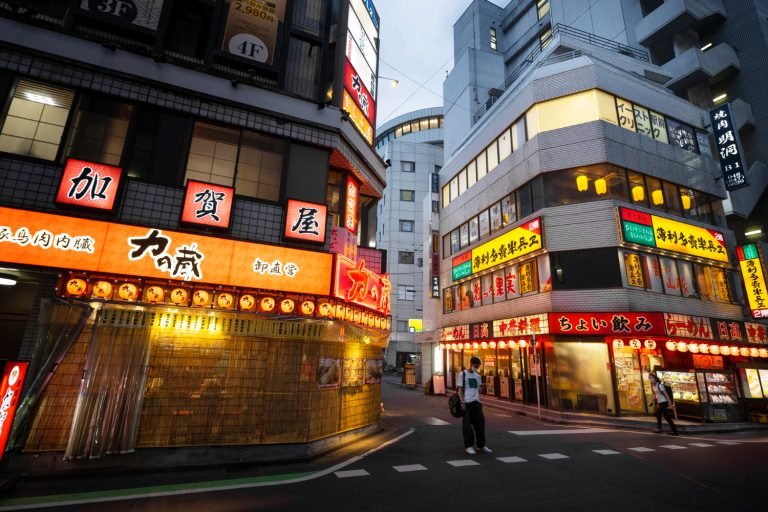
After the war, Fukuoka reinvented itself once more. As Japan turned from empire to economic growth, the city reclaimed its identity as a connector rather than a conqueror. Trade, culture, and migration resumed in new forms. Students, tourists, and entrepreneurs crossed the sea in numbers unseen since medieval times. Fukuoka became a bridge between Japan and a rapidly changing Asia.
Today, the city’s Asian orientation is visible everywhere. Neighborhoods retain memories of port life and merchant culture. Sites such as Hakata reflect centuries of trade and migration, while Dazaifu Tenmangu recalls political authority tied to continental diplomacy. Coastal fortifications and ruins speak quietly of invasion fears and defensive resolve.
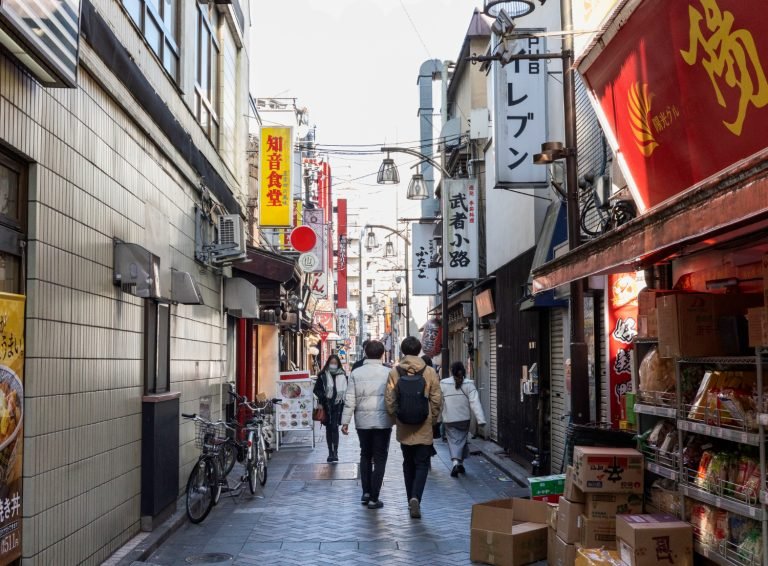
Walking through Fukuoka is to trace layers of encounter. Streets follow ancient trade routes. Markets echo with languages from across East Asia. The city does not monumentalize its past aggressively, but it preserves it through continuity. Fukuoka remains outward-looking, adaptive, and shaped by the sea.
Why does Fukuoka matter in Asian history? Because it demonstrates that Japan’s story is inseparable from its neighbors. Migration, trade, war, and cultural exchange flowed through this gateway long before modern borders existed. Fukuoka reminds us that Japanese history did not unfold in isolation, but in constant dialogue with Asia.
To understand Fukuoka is to understand Japan as part of a regional system rather than a closed island civilization. The city’s past reveals a Japan that learned, traded, defended, and transformed itself through contact. In an era when Asia is once again deeply interconnected, Fukuoka’s history feels not distant, but prophetic.
Comment (0)