

Okinawa’s history does not fit neatly into the national story of Japan. It never has. Long before the islands became a prefecture, Okinawa was the heart of the Ryukyu Kingdom, a maritime state that thrived not by conquest, but by connection. Positioned between Japan, China, and Southeast Asia, Ryukyu developed a culture shaped by diplomacy, trade, and adaptation. This in-between identity would later become the source of profound tragedy when Okinawa was transformed into the final battlefield of the Pacific War.
Before its incorporation into Japan, Okinawa existed as a bridge between worlds. The Ryukyu Kingdom maintained tributary relations with China while engaging in trade across East and Southeast Asia. Its language, music, and social customs evolved independently from mainland Japan. This distinct identity persisted even after formal annexation in the nineteenth century. Okinawa became Japanese by administration, but culturally remained something else.
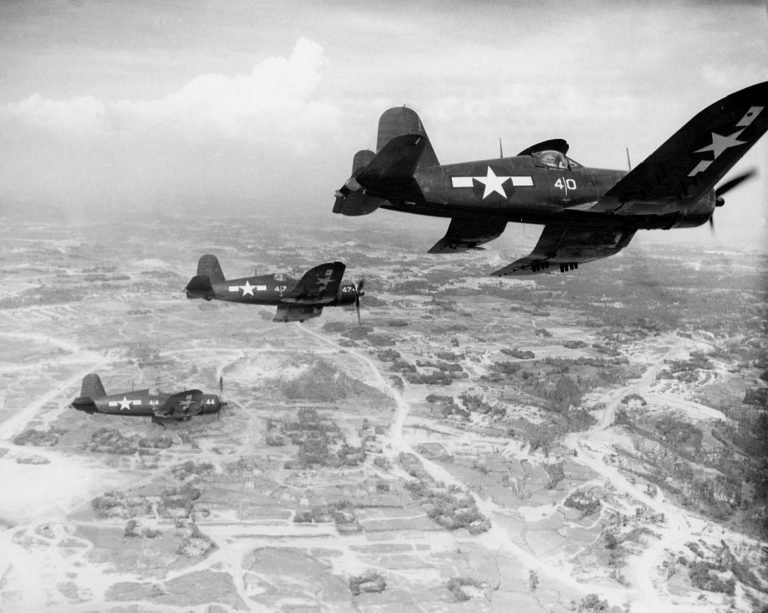
Credit: “Image courtesy of the U.S. National Archives (NARA). Public Domain.”
Modernization and militarization slowly erased this autonomy. As Japan expanded its empire, Okinawa’s strategic location became a liability rather than an asset. The islands were recast as defensive buffers for the mainland. Military installations multiplied. Local voices were marginalized. By the time World War II reached Okinawa, the islands were already deeply entangled in imperial strategy.
The Battle of Okinawa in 1945 was unlike any other conflict on Japanese soil. It was not a short engagement, but a prolonged campaign of attrition fought among villages, caves, and civilian communities. Okinawa became the site where the Pacific War collided directly with civilian life. Entire landscapes were transformed into killing grounds. The distinction between soldier and civilian collapsed.
Civilians bore the brunt of the violence. Many were caught between advancing American forces and retreating Japanese troops. Some were coerced into mass suicide by fear, misinformation, or direct orders. Families were torn apart. Cultural memory was scarred beyond repair. The battle did not simply destroy infrastructure. It fractured Okinawa’s relationship with Japan itself.
When the war ended, Okinawa did not return to Japanese sovereignty. Instead, it entered a new phase of occupation. American military administration reshaped daily life, land ownership, and political expression. Bases expanded across the islands, consuming farmland and displacing communities. While mainland Japan rebuilt under peace, Okinawa remained a frontline of the Cold War.
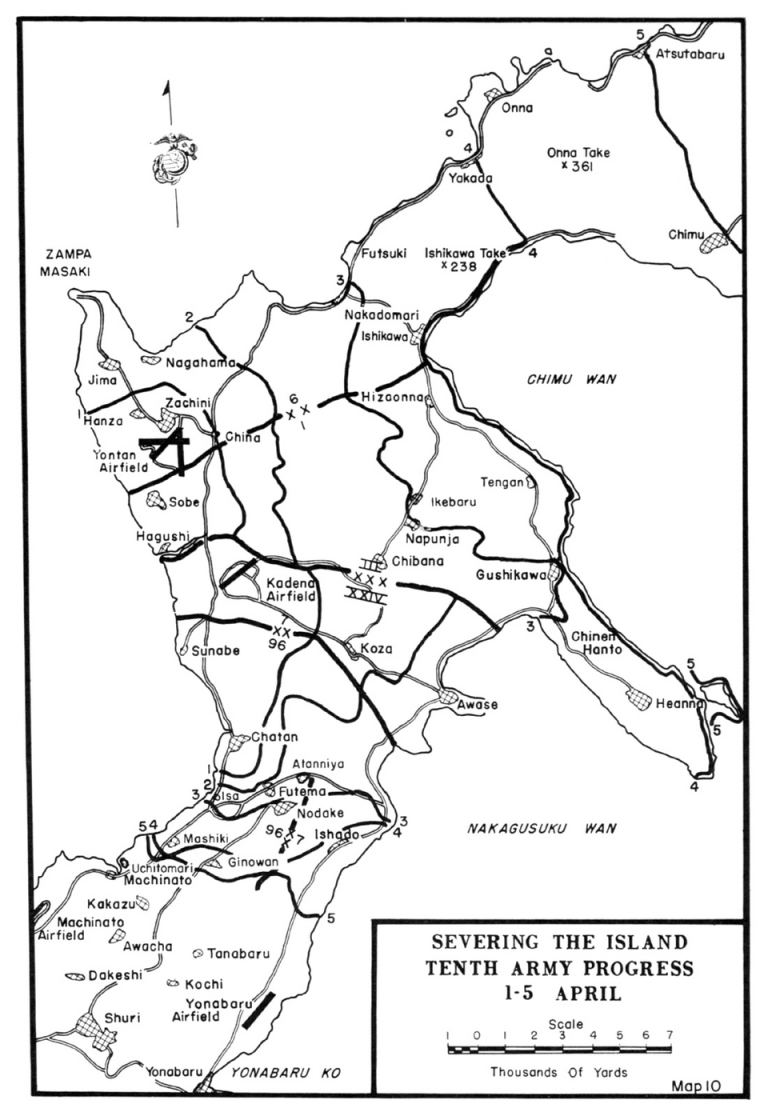
Credit: “Image courtesy of the U.S. National Archives (NARA). Public Domain.”
This prolonged occupation profoundly shaped Okinawa’s modern culture. American presence introduced new music, food, and social dynamics, but also reinforced a sense of exclusion. Okinawans were neither fully American nor fully integrated into postwar Japanese prosperity. Resistance movements emerged, demanding land rights, autonomy, and recognition of wartime suffering.
The return of Okinawa to Japan in 1972 did not resolve these tensions. US bases remained. Political marginalization continued. Okinawa became synonymous with protest, memory, and unresolved history. Cultural expression turned inward, preserving language, ritual, and music as acts of survival. Okinawan identity evolved as a quiet form of resistance.
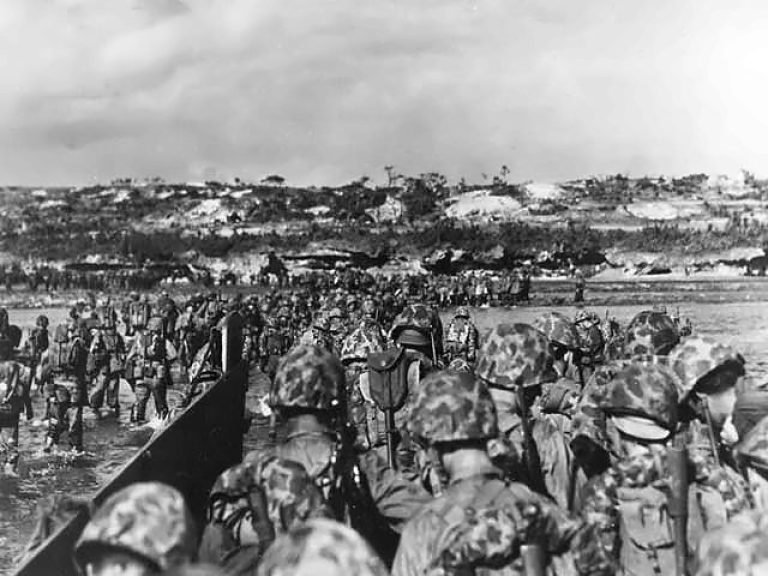
Credit: “Image courtesy of the U.S. National Archives (NARA). Public Domain.”
Today, Okinawa’s culture reflects this layered past. Traditional Ryukyuan music coexists with American influences. Memorials stand beside beaches. Places such as Peace Memorial Park and Itoman embody both mourning and continuity. The islands do not celebrate war. They remember it.
Walking through Okinawa reveals history embedded in terrain. Caves once used as shelters remain. Stone walls still mark village boundaries erased by bombing. The sea, once a route of trade, became an invasion corridor. These landscapes are not preserved as ruins alone, but as living reminders of survival.
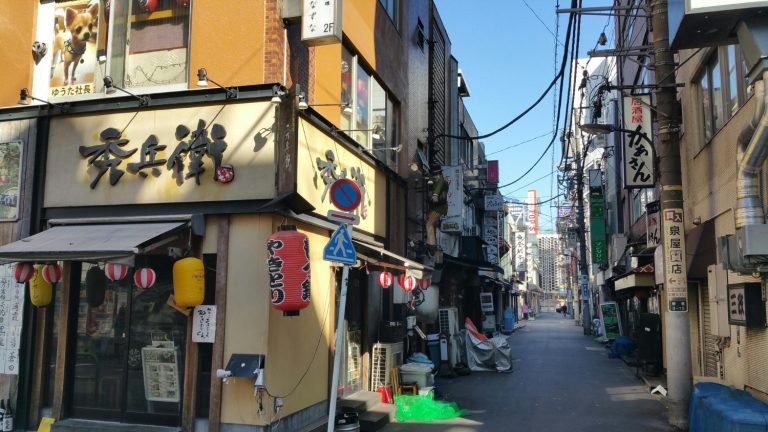
Why does Okinawa matter today? Because it exposes the human cost of strategic decisions. It challenges national narratives of heroism and unity. It reminds us that war’s end does not guarantee justice or closure. Okinawa’s experience complicates the story of modern Japan and forces a reckoning with memory.
Okinawa was the last battle of the Pacific, but its consequences never truly ended. The islands continue to negotiate identity between powers, histories, and futures. To understand Okinawa is to understand how war reshapes culture long after the guns fall silent.
Comment (0)