

Travel is often imagined as escape. People travel to relax, to admire beauty, or to momentarily step away from the weight of everyday life. Yet some of the most visited destinations in the world are not places of pleasure, but places of pain. Former battlefields, genocide memorials, prisons, and disaster sites draw millions of visitors every year. These journeys challenge the idea that tourism exists only for enjoyment. Instead, they reveal a deeper human impulse: the need to confront history where it happened.
Painful places are landscapes marked by collective trauma. They are locations where suffering was not private or incidental, but systematic and transformative. Visiting them is rarely comfortable. Silence replaces excitement. Reflection replaces consumption. These sites demand emotional engagement rather than passive observation. For many travelers, that discomfort is precisely the point.
Historically, travel to sites of suffering predates modern tourism. Pilgrimages to execution grounds, battlefields, and sacred sites of martyrdom existed long before guidebooks. Such journeys were acts of remembrance, repentance, or moral inquiry. Modern travel to painful places inherits this tradition, even when framed through museums, memorials, and curated experiences.
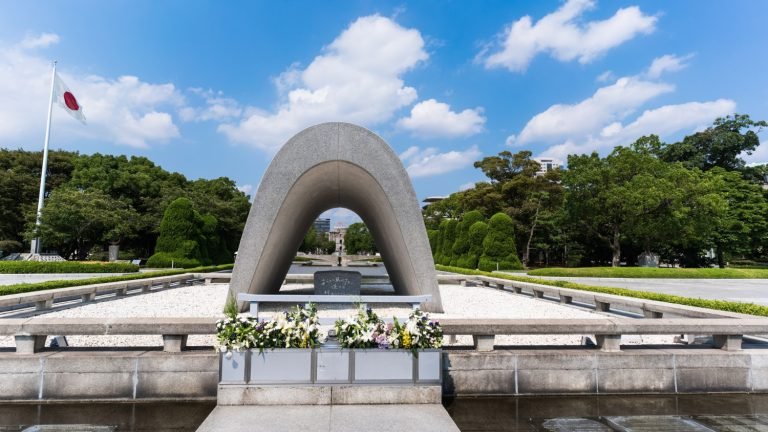
Hiroshima Peace Memorial Park as a space of reflection
The modern world intensified this phenomenon. The scale of violence in the twentieth century produced sites whose significance transcended national boundaries. World wars, genocide, and mass displacement created places that came to symbolize universal human failure and resilience. These locations became physical anchors for memory in a rapidly globalizing world.
One reason people travel to painful places is the inadequacy of distance. Reading about atrocities creates intellectual understanding, but it rarely produces emotional comprehension. Physical presence changes perception. Standing where events occurred collapses time. The abstraction of history becomes tangible. Space becomes testimony.
This is especially evident in Hiroshima. The city’s destruction by atomic bomb was not merely a military event, but a rupture in human history. Visitors arrive with prior knowledge, yet the experience of walking through the Peace Memorial Park alters understanding. The scale of absence, the quiet, and the preserved ruins communicate something no text can fully convey. Hiroshima does not present itself as a spectacle of horror. It presents itself as a space of restraint, asking visitors to reflect rather than react.
Travel to Hiroshima is often described as transformative because it reframes technological progress and power. The city forces confrontation with the consequences of modern warfare. It shifts focus from victory to vulnerability. Many visitors leave with a sense that understanding history is a moral responsibility, not an academic exercise.
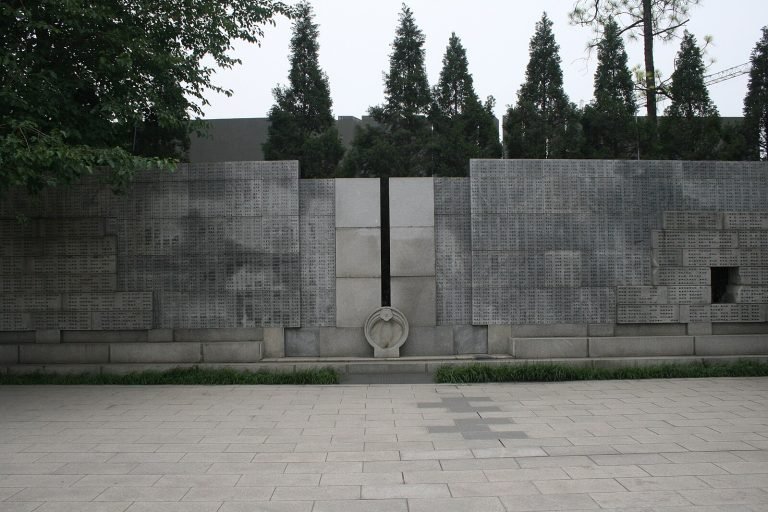
Nanjing Memorial Hall commemorating wartime victims
In contrast, Nanjing illustrates how painful places can also be arenas of contested memory. The atrocities committed there during wartime are deeply embedded in national consciousness. Visiting Nanjing involves navigating grief, anger, and political interpretation simultaneously. Museums and memorials do not simply preserve memory; they actively shape it. For travelers, this raises difficult questions about objectivity, narrative, and empathy.
Nanjing demonstrates that painful places are not neutral. They exist within ongoing debates about responsibility and recognition. Visitors are not only observers; they become participants in memory politics, whether intentionally or not. This complicates the ethics of travel but also deepens its significance.
Kanchanaburi offers another perspective. The Death Railway stands as a symbol of forced labor, imperial ambition, and human endurance. Unlike Hiroshima or Nanjing, Kanchanaburi’s landscape is deceptively serene. Nature has reclaimed much of the terrain. The quiet river and green hills contrast sharply with historical suffering. This contrast intensifies reflection rather than diminishing it.
In Kanchanaburi, visitors confront how pain can be absorbed into everyday geography. The railway is no longer a battlefield, yet its presence reshapes how travelers perceive the landscape. Beauty and brutality coexist, challenging the idea that memory must always be visually dramatic to be powerful.

The Death Railway in Kanchanaburi surrounded by nature
Why do people choose to visit such places voluntarily? Psychology offers several explanations. Some travelers seek understanding, hoping to make sense of violence by encountering its remnants. Others seek connection, wanting to honor victims through presence. There are also those drawn by curiosity, compelled to see what defies comprehension. These motivations often overlap, resisting simple categorization.
Importantly, travel to painful places transforms the traveler’s role. The visitor becomes a witness. Witnessing does not require personal experience of suffering, but it does demand attention and respect. Being physically present creates an ethical dimension absent from distant consumption of history. The act of visiting acknowledges that the past matters.
Nations understand this power and curate painful places carefully. Memorials, museums, and preserved ruins are not spontaneous. They are deliberate choices reflecting how societies want history to be remembered. What is emphasized, what is omitted, and how narratives are framed all influence visitor interpretation. Tourism becomes an extension of national memory-making.
For travelers, this curation presents both guidance and limitation. It offers context, but also requires critical engagement. Traveling to painful places responsibly means recognizing that no single narrative is complete. It means listening rather than judging, observing rather than consuming.
Walking through such sites changes how people think about travel itself. The destination becomes secondary to the experience of reflection. Time slows. Silence becomes meaningful. Travelers often report that these visits linger longer in memory than conventional sightseeing. Painful places resist forgettability.
In a world saturated with images and information, physical presence retains unique power. Painful places remind us that history is not abstract. It happened to real people in specific locations. Travel becomes a bridge between past and present, transforming geography into moral landscape.
Why do painful places still matter today? Because they challenge denial and indifference. They remind societies of the consequences of unchecked power and dehumanization. They offer opportunities for dialogue across cultures and generations. Travel to these sites is not about reliving suffering, but about acknowledging it.
As global tourism continues to expand, the role of painful places will likely grow rather than diminish. In an age of rapid movement, they anchor memory. They slow us down. They force us to confront uncomfortable truths about humanity.
History shapes tourism because memory seeks space. People travel to painful places not despite the discomfort, but because of it. These journeys affirm that understanding the past requires presence, humility, and willingness to feel. Travel, at its most meaningful, is not escape. It is encounter.
Comment (0)