

Cities are fragile inventions. They concentrate people, power, memory, and ambition into spaces that can be erased in days yet take centuries to form. In Asia, the twentieth century tested the limits of urban survival. Total war, colonial collapse, civil conflict, and ideological struggle reduced some of the continent’s greatest cities to rubble. Yet from that destruction emerged new urban identities, reshaped not by nostalgia alone, but by necessity. These cities did not simply rebuild. They redefined what survival meant.
Urban destruction in Asia was not incidental. Cities were targeted precisely because they symbolized governance, industry, and identity. Their annihilation was meant to break societies psychologically as much as physically. Yet in Asia, destruction often became a turning point rather than an ending. The cities that rose from ashes did so by absorbing trauma into structure, memory, and rhythm.
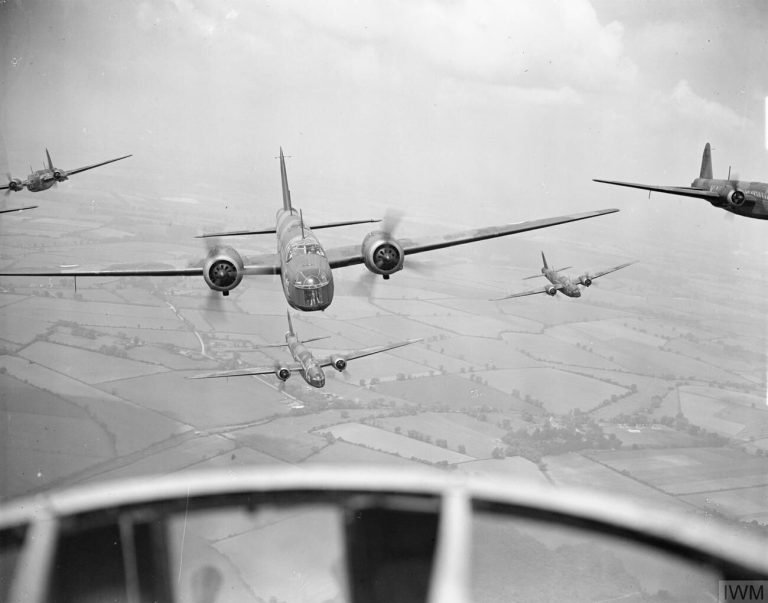
Credit: “Image courtesy of the U.S. National Archives (NARA). Public Domain.”
Tokyo embodies reinvention through impermanence. Repeatedly destroyed by earthquake, firebombing, and war, Tokyo learned not to preserve the past in stone, but to rebuild with speed and adaptability. After the firebombing of 1945, vast districts ceased to exist. Reconstruction prioritized function over monumentality. Roads, housing, and transport replaced ruins rapidly. Tokyo’s modern identity emerged not as a memorial city, but as a living organism that treats destruction as a phase rather than a failure.
This approach shaped Tokyo’s urban psychology. Memory exists, but it is embedded quietly in shrines, street layouts, and surviving neighborhoods. The city’s rebirth was driven by economic urgency and social pragmatism. Tokyo rose not by clinging to what was lost, but by creating what was needed. Its success turned impermanence into strength.
If Tokyo rebuilt through motion, Hiroshima rebuilt through memory. The atomic bombing erased the city’s physical core in an instant. Unlike conventional destruction, nuclear devastation left absence rather than ruins. Hiroshima faced a choice: erase the past entirely or anchor rebirth in remembrance. The city chose memory as foundation. Reconstruction integrated memorial spaces into daily life. Parks replaced ruins. Museums replaced silence.
Hiroshima’s rebirth is inseparable from moral purpose. The city does not deny its destruction. It teaches it. Urban planning here is an act of testimony. Schools, bridges, and streets coexist with memorials that resist forgetting. Hiroshima demonstrates that rebirth can be rooted not in forgetting trauma, but in carrying it forward responsibly.
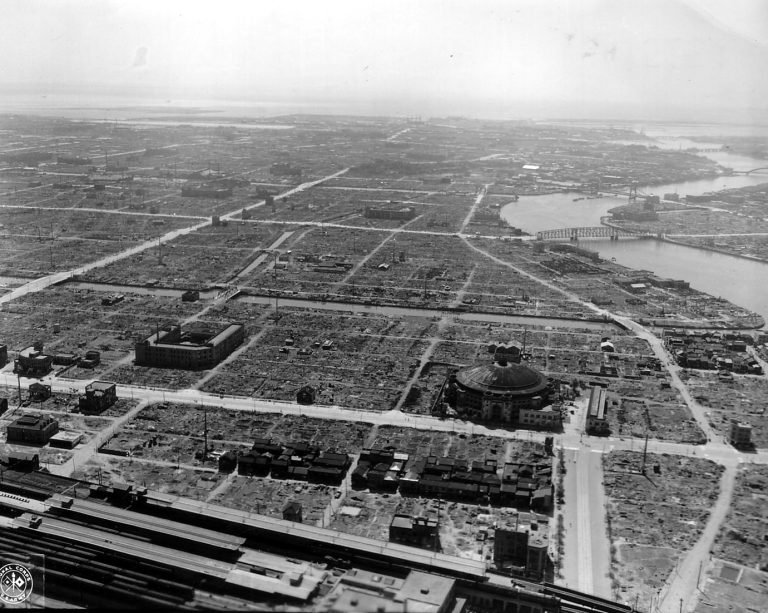
Credit: “Image courtesy of the U.S. National Archives (NARA). Public Domain.”
Seoul represents rebirth under division. The Korean War devastated the city almost completely. Seoul changed hands multiple times, leaving neighborhoods flattened and populations displaced. Unlike Tokyo or Hiroshima, Seoul rebuilt under permanent geopolitical tension. The armistice did not bring closure. It froze conflict into the city’s identity.
Reconstruction in Seoul became an assertion of survival. Rapid industrialization, vertical expansion, and infrastructure development transformed ruins into megacity. Yet the past remains visible in borders, memorials, and generational memory. Seoul’s rebirth is defined by urgency. It rebuilt because it had to, not because peace was guaranteed. The city stands today as proof that rebirth can occur even when history remains unresolved.
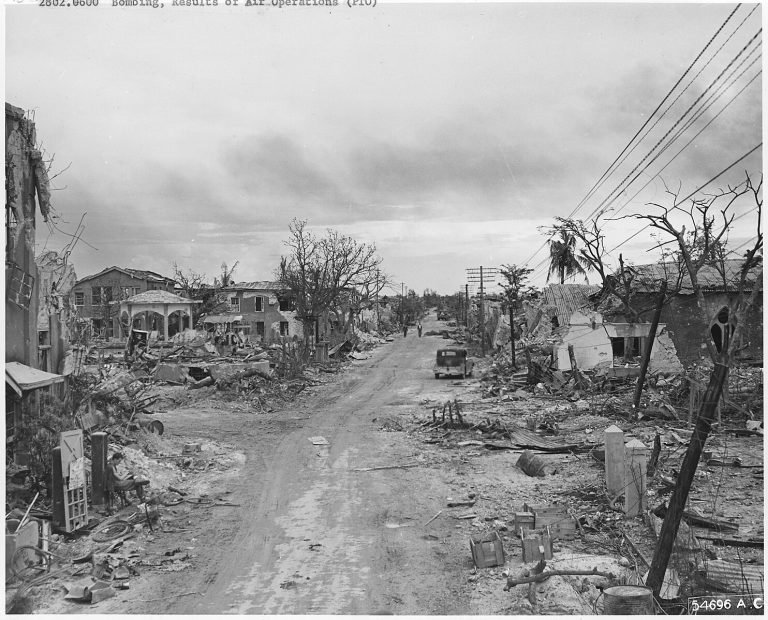
Credit: “Image courtesy of the U.S. National Archives (NARA). Public Domain.”
Manila offers a darker, often overlooked story. Once called the “Pearl of the Orient,” Manila was one of the most devastated cities of World War II. Entire districts were obliterated during the battle for liberation. Unlike Tokyo or Seoul, Manila’s reconstruction was uneven and incomplete. Colonial architecture vanished. Urban continuity fractured.
Manila’s rebirth was constrained by political instability and limited resources. Memory faded amid urgency to survive. The city rebuilt functionally, but without a unifying narrative of remembrance. This absence shapes Manila today. Trauma exists, but it is dispersed. The city’s rebirth reveals that survival does not always bring closure. Sometimes, rebuilding leaves wounds unspoken.
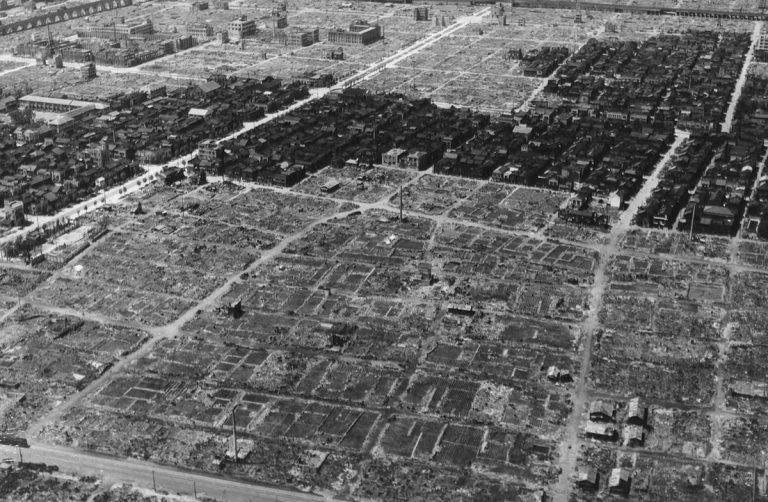
Credit: “Image courtesy of the U.S. National Archives (NARA). Public Domain.”
Yangon reflects interrupted rebirth. Bombed during World War II and later reshaped by decolonization, Yangon inherited colonial infrastructure damaged by war and neglect. Postwar recovery was slow. Political isolation and military rule stalled modernization. The city survived, but its rebirth was delayed.
Yangon’s urban fabric reveals layers of unfinished recovery. Colonial buildings stand weathered but resilient. Neighborhoods grew organically rather than through coordinated planning. Yangon illustrates a form of rebirth defined by endurance rather than transformation. Its story reminds us that not all cities rise quickly. Some survive quietly, waiting for opportunity.
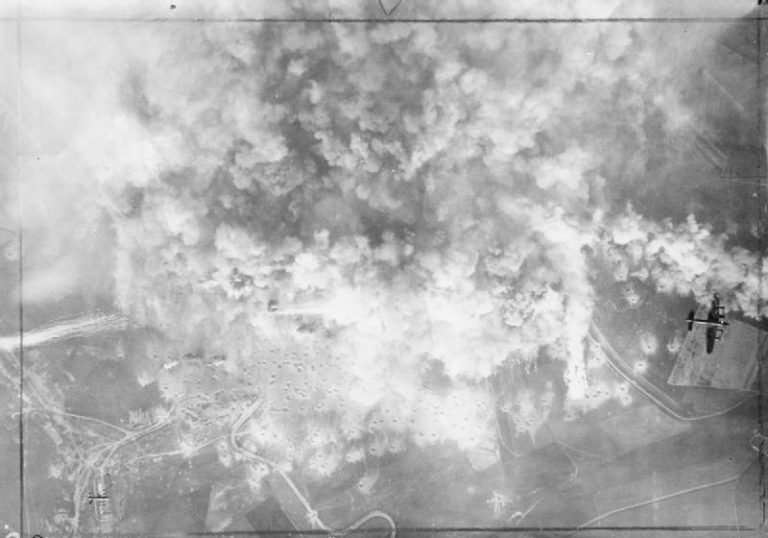
Credit: “Image courtesy of the U.S. National Archives (NARA). Public Domain.”
Walking through these cities today is to read history spatially. Streets trace scars. Districts reveal choices made under pressure. Reborn cities do not erase their pasts. They reorganize them. Urban rebirth in Asia was not uniform. It reflected cultural values, political conditions, and collective memory.
What unites these cities is refusal. Refusal to disappear. Refusal to let destruction define the end. Their rebirth reshaped national identities and regional trajectories. They became symbols not of defeat, but of continuity.
Asia’s cities rose from ashes because they adapted. They compromised. They remembered selectively or insistently. Urban rebirth became a strategy for survival in a century defined by collapse.
Understanding these cities changes how we travel. Visiting them is not about witnessing ruin, but about recognizing resilience embedded in daily life. Cafés stand where rubble lay. Subways run beneath former battle lines. Life continues not despite history, but because of it.
These cities matter because they show that rebirth is not a miracle. It is a process shaped by human choice. Asia’s twentieth century was brutal, but its cities prove that destruction does not have the final word.
Cities can burn. Civilizations endure.
Comment (0)