

Few questions appear as frequently in global discussions of modern history as this one: why does Japan never seem to apologize in a way the world accepts? Decades after World War II, official statements of remorse, regret, and reflection have been issued repeatedly by Japanese leaders, yet dissatisfaction persists. For many outside Japan, these statements feel insufficient, evasive, or conditional. For many inside Japan, the demand for further apology feels endless, politicized, and disconnected from lived reality. The tension is not simply diplomatic. It is cultural, historical, and deeply rooted in how responsibility and memory function within Japanese society.
The modern world often treats apology as a political act with a clear structure. A wrong is acknowledged, responsibility is accepted, remorse is expressed, and reconciliation follows. This framework reflects Western legal and moral traditions shaped by Christianity, individual guilt, and postwar European reconstruction. In this model, apology is performative and public. It is meant to close a chapter. The expectation is that once the correct words are spoken, the past can be addressed and moved beyond.
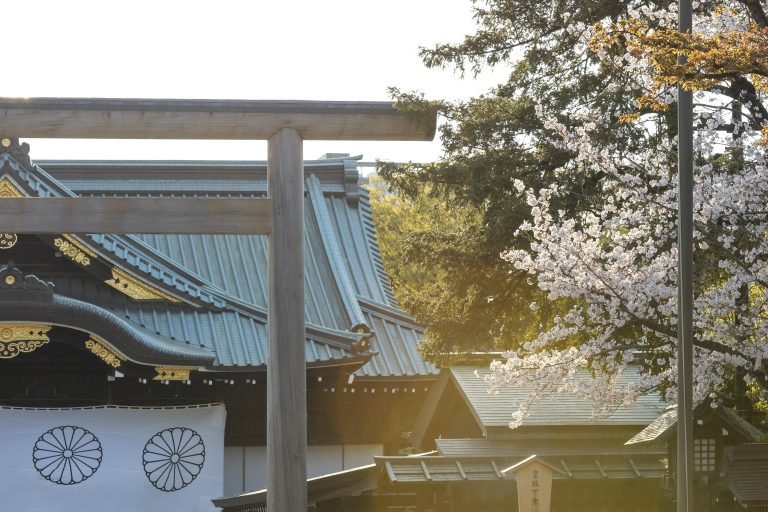
Yasukuni Shrine reflecting contested wartime memory
Japan does not operate within this framework. Its relationship with apology is shaped by a different moral vocabulary, one centered not on guilt but on shame, not on verbal confession but on behavior, not on closure but on endurance. To understand why Japan’s apologies rarely satisfy global expectations, one must understand how responsibility has historically been expressed and managed in Japanese culture.
In Japanese society, wrongdoing has traditionally been addressed through social consequence rather than verbal admission. Shame functions as a communal emotion rather than an individual one. Responsibility is demonstrated through withdrawal, resignation, or corrective action, not through explicit moral confession. Silence can be an expression of gravity rather than avoidance. Excessive verbalization of remorse risks appearing performative or insincere.
This cultural logic shaped Japan’s response to defeat in World War II. The collapse of the empire was total. Cities burned, the emperor renounced divinity, and the political system was dismantled under foreign occupation. Japan did not experience defeat as a moment of moral reckoning alone. It experienced it as civilizational collapse. Survival became the priority. In that context, apology was not a starting point. Recovery was.
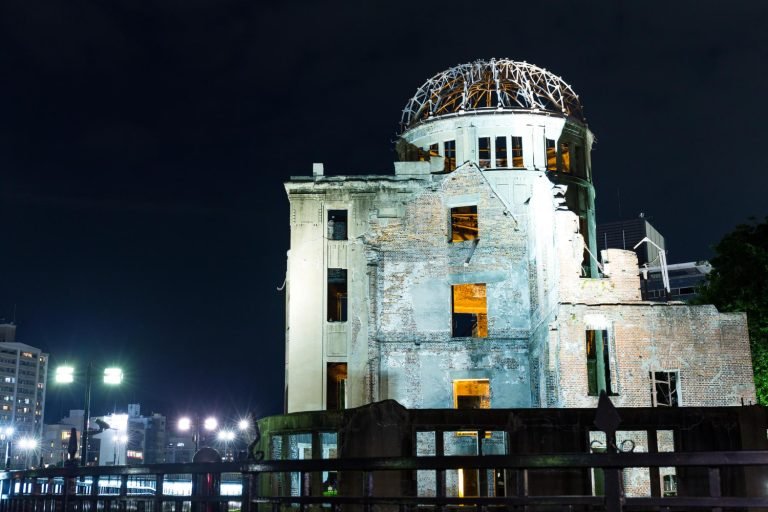
Hiroshima Peace Memorial Park emphasizing mourning and peace
The Allied occupation fundamentally shaped postwar memory. Responsibility for war crimes was selectively assigned through trials, while the emperor remained in place as a symbol of continuity. This decision stabilized society but fragmented moral accountability. The Japanese public internalized a narrative of suffering, particularly through atomic bombings and urban destruction. Victimhood became a dominant frame, not because Japan denied its actions, but because trauma was immediate and personal.
This does not mean Japan ignored its past. It means the past was processed inwardly rather than externally. Memory became private, generational, and fragmented. Official language emphasized peace, regret, and reflection, but avoided the absolutism of guilt. Statements were carefully calibrated to maintain domestic cohesion while acknowledging international pressure.
Language itself complicates the issue. The Japanese terms commonly translated as “sorry” do not map cleanly onto Western expectations. Expressions such as remorse, regret, and reflection carry different implications. Diplomatic statements are written with extreme precision, aware that a single word can trigger domestic backlash or international condemnation. Apology becomes a political minefield rather than a moral release.
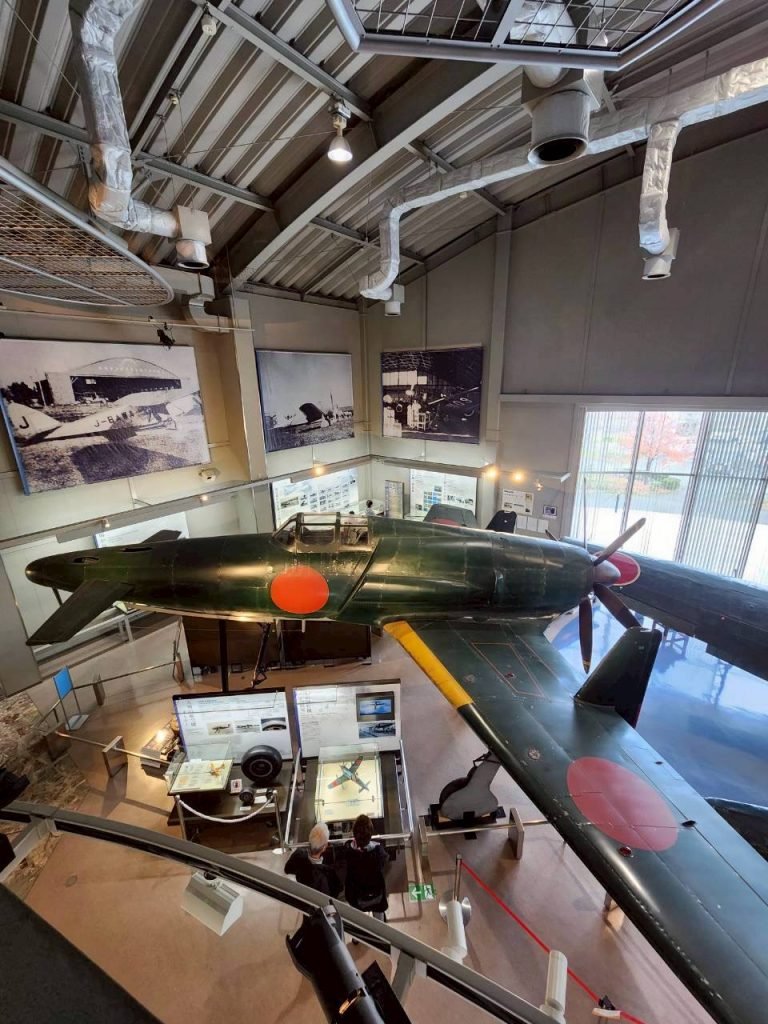
Japanese war museum presenting postwar narrative
This tension is most visible in Japan’s relationships with China and Korea. In South Korea and China, wartime memory is tied directly to national identity and postcolonial legitimacy. Apology is not merely symbolic. It is proof of recognition. The absence of a definitive apology is interpreted as denial, regardless of Japan’s internal understanding.
In Japan, repeated demands for apology are often perceived as attempts to reopen a past that has already been acknowledged through policy, aid, and restraint. Economic assistance, pacifist constitution, and decades of non-aggression are viewed domestically as actions louder than words. This mismatch of expectation fuels resentment on all sides.
Memorial practices reflect this divide. Sites such as Hiroshima Peace Memorial Park emphasize mourning and peace rather than accusation. They invite reflection without assigning blame. To some visitors, this feels evasive. To many Japanese, it feels appropriate. Memory is framed as warning, not confession.
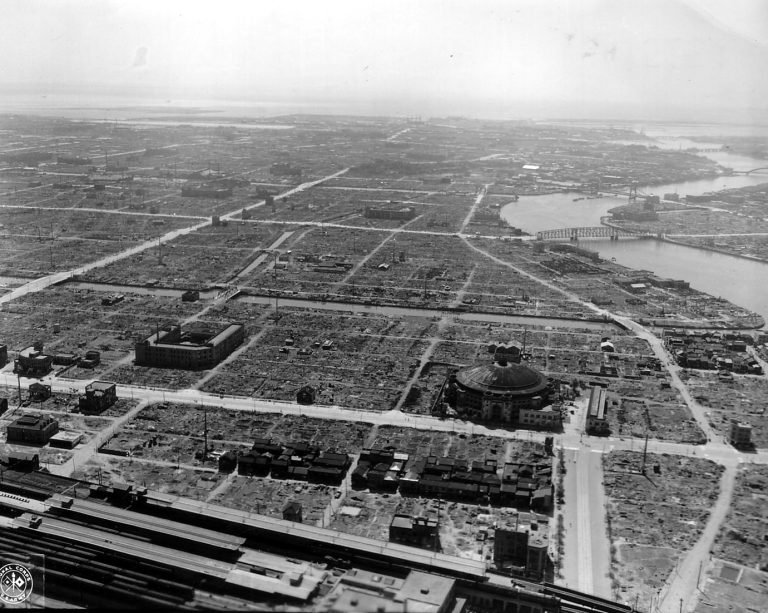
Bomb damage in tokyo
By contrast, visits to places like Yasukuni Shrine expose the unresolved nature of historical narrative. For some Japanese, the shrine honors the dead without endorsing war. For others, domestically and internationally, it symbolizes refusal to confront responsibility. The same space produces radically different interpretations because the underlying moral language is not shared.
Travelers to Japan often encounter this tension unexpectedly. Museums, memorials, and textbooks present war as tragedy rather than crime. Emphasis is placed on loss, resilience, and peace. For visitors expecting explicit acknowledgment of wrongdoing, the experience can feel incomplete. Yet this incompleteness is itself revealing. It reflects a society that processes trauma through restraint rather than proclamation.
Why does the apology debate never end? Because it is not actually about words. It is about incompatible systems of meaning. The world expects apology to function as moral closure. Japan understands responsibility as continuous behavior rather than verbal resolution. These positions are not easily reconciled.
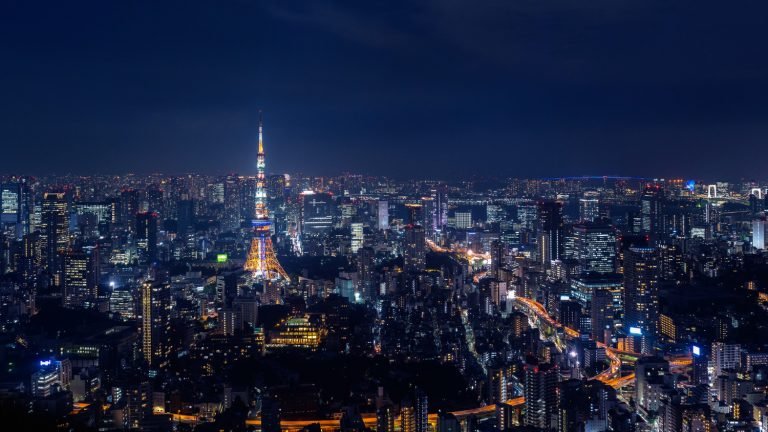
Tokyo rebuilt after World War II destruction
Understanding this difference does not require agreement. It requires recognition that memory operates through culture. Japan does not refuse to say sorry because it denies history. It struggles to say sorry in a way that aligns with expectations it was never culturally structured to meet.
The question, then, is not whether Japan has apologized enough. It is whether the global conversation has accounted for how apology itself differs across civilizations. Until that gap is acknowledged, the debate will continue, not because history is forgotten, but because it is remembered differently.

Comment (0)