

Borders feel permanent when drawn on maps, yet they are among the most fragile human constructions. They exist not because mountains demand them or rivers insist upon them, but because power, memory, and fear once aligned long enough to make lines appear fixed. Nowhere is this fragility more visible than in Asia. Across the continent, borders remain contested, emotionally charged, and politically volatile. They are defended fiercely, questioned constantly, and rarely taken for granted.
Unlike Europe, where borders gradually hardened after centuries of war, Asia inherited many of its modern boundaries suddenly. These borders were not the product of long internal negotiation. They were imposed, rushed, or frozen in moments of imperial collapse and ideological confrontation. As a result, Asia’s borders often lack shared legitimacy. They exist, but they are not fully accepted.
Before the modern era, Asia was not organized around fixed territorial states in the way contemporary maps suggest. Power flowed through tribute systems, cultural spheres, and shifting zones of influence. Empires expanded and contracted, but borders were porous. Identity was layered. Allegiance depended more on hierarchy and relationship than on precise geography. The idea that sovereignty must end at a sharp line is a relatively recent import.
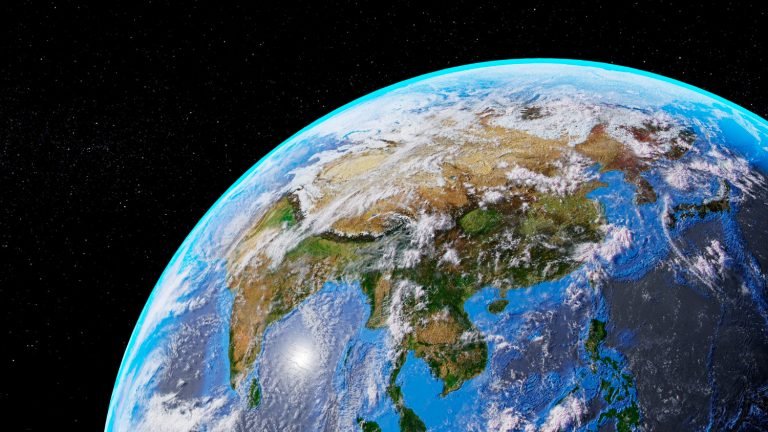
Asia Line of Control
European imperialism changed this logic fundamentally. Colonial administrations required clear boundaries to govern, tax, and control. Lines were drawn for convenience rather than coherence. Ethnic groups were split. Historical rivalries were frozen into administrative units. When colonial rule ended, these lines remained. What had once been temporary became international.
World War II shattered the imperial order that had sustained these borders. Japanese expansion dismantled European authority across East and Southeast Asia. When the war ended, the question was not only who would govern, but where authority would begin and end. Independence arrived faster than consensus. New states inherited borders they had never agreed upon.
Decolonization in Asia was uneven and incomplete. Some territories negotiated independence. Others fought prolonged wars. In almost every case, borders became symbols of sovereignty before they became expressions of shared identity. Once independence was declared, questioning borders felt dangerous. To challenge lines was to risk national collapse. As a result, many borders were accepted reluctantly rather than resolved.
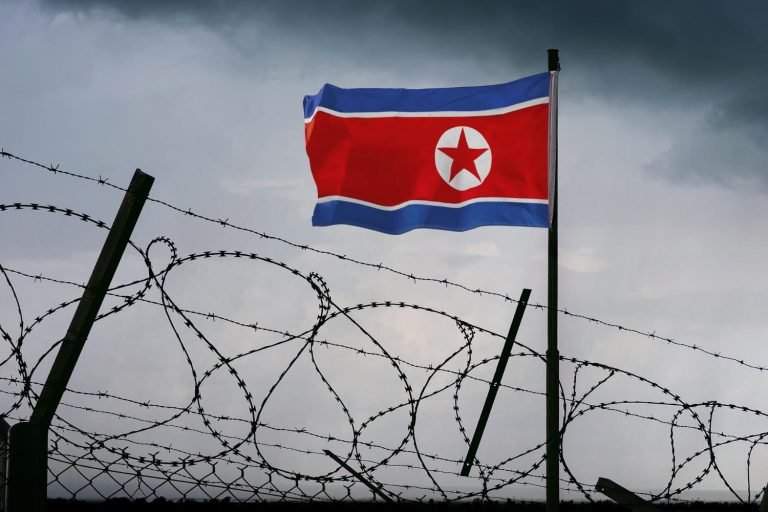
Demilitarized Zone dividing the Korean Peninsula
The Cold War deepened this fragility. Asia became the primary arena where ideological rivalry turned borders into fault lines. Divisions were enforced militarily rather than socially healed. Armistices replaced peace treaties. Temporary lines became permanent without reconciliation. The continent was left with borders that function, but do not rest.
The Korean Peninsula illustrates this reality starkly. Korean Peninsula was divided as a wartime expedient. What was meant to be temporary hardened into one of the most militarized borders on Earth. The line persists not because it reflects identity, but because history stopped moving. The war never truly ended. Memory remains active on both sides, making the border both real and unresolved.
Taiwan represents a different kind of fragility. Taiwan exists within overlapping historical narratives. For some, it is the continuation of a displaced political order. For others, it is an inseparable part of a longer civilizational story. The border here is not drawn on land alone. It exists in diplomacy, language, and international ambiguity. Its fragility lies in its invisibility.
China’s borders more broadly reflect the weight of historical memory. China views territory not only as land, but as inheritance. Historical maps, dynastic claims, and past humiliations shape contemporary policy. Borders become tools for restoring dignity as much as securing security. This perspective clashes with the modern international system, where borders are treated as settled facts.
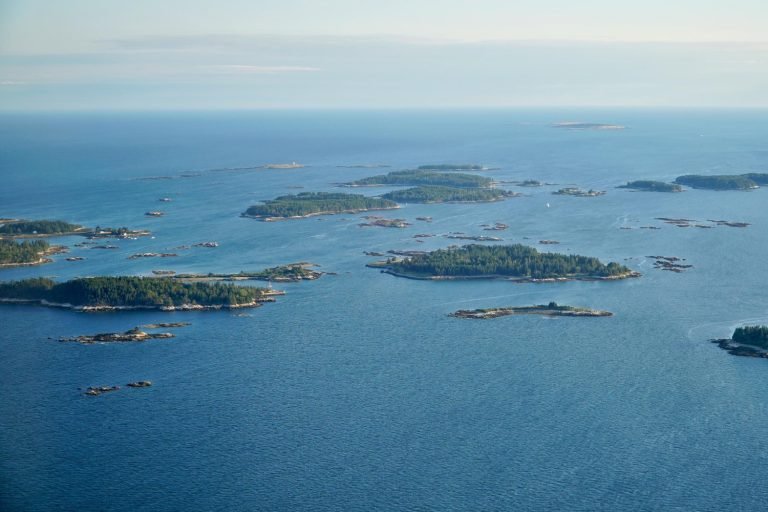
Islands in the South China Sea with overlapping claims
Southeast Asia introduces another dimension: the sea. Maritime borders are inherently fluid. In regions such as the South China Sea, sovereignty overlaps. History, trade routes, and resource claims collide. Islands become symbols of national pride disproportionate to their size. The ocean resists being divided cleanly, yet states insist on lines that nature does not recognize.
Living near fragile borders shapes everyday life. In regions such as Kashmir, borders cut through communities, memory, and identity. Generations grow up with militarization as normality. Maps change less often than narratives, but narratives shift constantly. Borders are enforced daily, yet rarely internalized peacefully.
Traveling through Asia reveals this fragility in subtle ways. Border crossings feel tense. Language changes abruptly. Infrastructure reflects suspicion rather than integration. Unlike parts of Europe where borders have softened, many Asian borders remain spaces of pause and control. They remind travelers that history here is not distant.
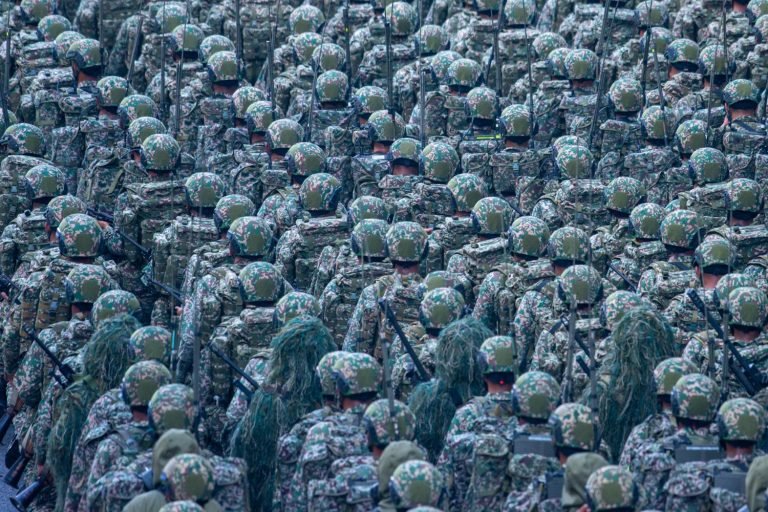
Every nation in Asia is accumulating military forces.
Why does this matter today? Because fragile borders create constant risk. They fuel nationalism, justify military buildup, and complicate cooperation. Economic integration exists, but political trust lags behind. Asia’s growth masks unresolved historical fractures. Stability is real, but conditional.
Asia’s borders are fragile because they were never meant to last without repair. They were inherited before they were agreed upon, frozen before they were healed. They survive through force, diplomacy, and habit, not through shared understanding.
Borders endure not because they are natural, but because societies choose to defend them. In Asia, that choice is still shaped by memories of collapse, humiliation, and unfinished war. Until those memories settle, the lines will remain sharp.
Asia does not lack borders. It lacks closure.
Comment (0)