

Taipei was never meant to be a capital of history. For most of its existence, it was a provincial city at the edge of larger empires, a place shaped by migration, trade, and colonial administration rather than national destiny. Yet in the middle of the twentieth century, Taipei was thrust into global significance almost overnight. It became a capital not by revolution or independence, but by exile. The city’s modern identity was forged not through victory, but through retreat, fear, and the suspended aftermath of civil war.
Before the Chinese Civil War reshaped East Asia, Taipei occupied a modest position within the island of Taiwan. Its development accelerated under Japanese colonial rule after 1895, when Taiwan was absorbed into the Japanese Empire. Infrastructure, railways, and administrative buildings transformed the city into a functional colonial capital, but its role remained regional. Taipei was important to Taiwan, but peripheral to the broader Chinese world.
Everything changed in 1949. As communist forces gained control of mainland China, the defeated government of the Republic of China fled across the Taiwan Strait. What arrived in Taipei was not merely a political administration, but an entire displaced state. Soldiers, officials, intellectuals, and families poured into a city unprepared for their arrival. Taipei became a capital in exile, carrying the unresolved claim to rule all of China.
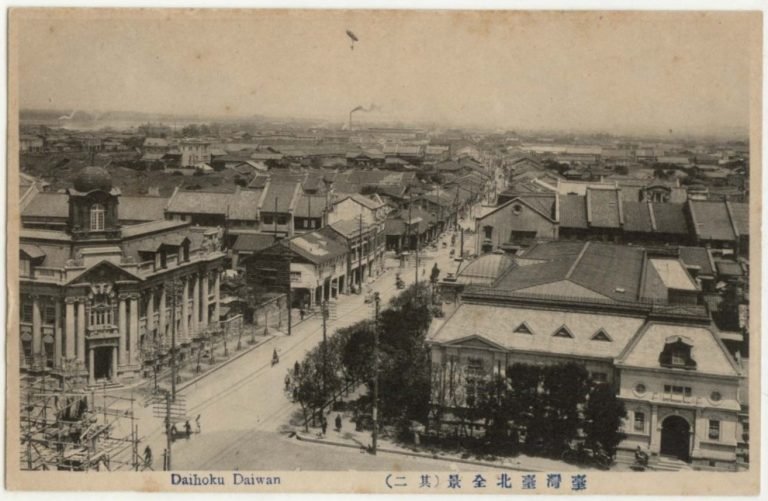
Japanese colonial buildings in early Taipei
This moment defined Taipei’s modern trajectory. The city expanded rapidly, absorbing waves of newcomers who believed their stay would be temporary. Buildings were erected quickly. Military zones appeared alongside residential neighborhoods. Government institutions transplanted themselves wholesale into an urban space that had never planned for such authority. Taipei did not grow organically into a capital. It was transformed by urgency.
Exile shaped the city’s psychology. The expectation of return haunted everyday life. Taipei was built as a provisional center, not a permanent homeland. This uncertainty influenced architecture, planning, and governance. Infrastructure served defense as much as development. The city existed under the assumption that war could resume at any moment.
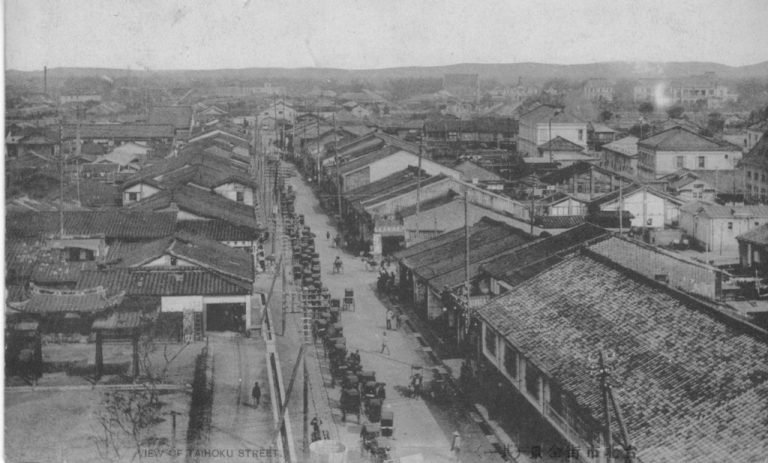
Taipei Taihoku
Cold War politics intensified this condition. Taiwan became a frontline state in the global struggle between communism and capitalism. Taipei was no longer just an exiled capital. It was a symbol. International alliances flowed through the city. Military aid, intelligence operations, and diplomatic maneuvering became routine. The city’s survival depended on global tension rather than resolution.
Martial law reshaped Taipei’s urban and social life. Surveillance was normalized. Political dissent was dangerous. Neighborhoods learned silence as a survival strategy. The city functioned under a permanent sense of emergency. Parks, schools, and cultural institutions existed, but always under watchful authority. Memory was controlled. History was selective.
Yet even under repression, Taipei evolved. Markets thrived. Education expanded. Cultural life adapted quietly. The city’s residents learned to navigate between loyalty, caution, and private expression. This balancing act defined Taipei for decades.
The lifting of martial law marked a profound transformation. Democracy reshaped the city’s relationship with its past. Streets once associated with authority became spaces of protest. Memory emerged publicly. Monuments were reinterpreted. Taipei did not erase its Cold War legacy. It confronted it.
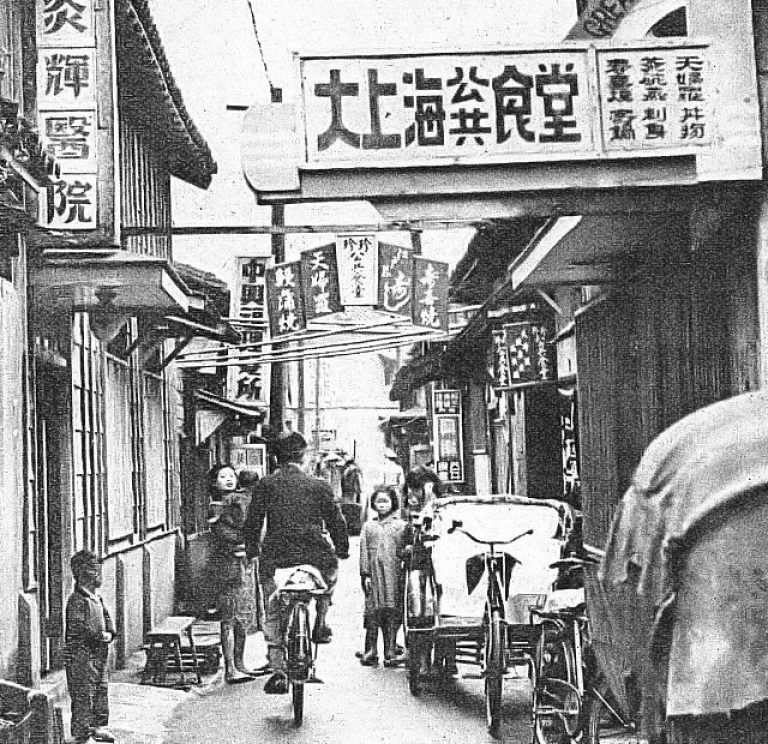
Taipei under martial law period
Walking through modern Taipei reveals these layers clearly. Japanese-era buildings coexist with authoritarian monuments and democratic spaces. Neighborhoods built for soldiers now house cafés and galleries. The city does not present a single narrative. It offers fragments.
Taipei’s identity remains inseparable from its unresolved status. The city exists between claims, between histories, between futures. It is shaped by proximity to Taiwan Strait and by the shadow of China. Its politics are local, but its implications are global.
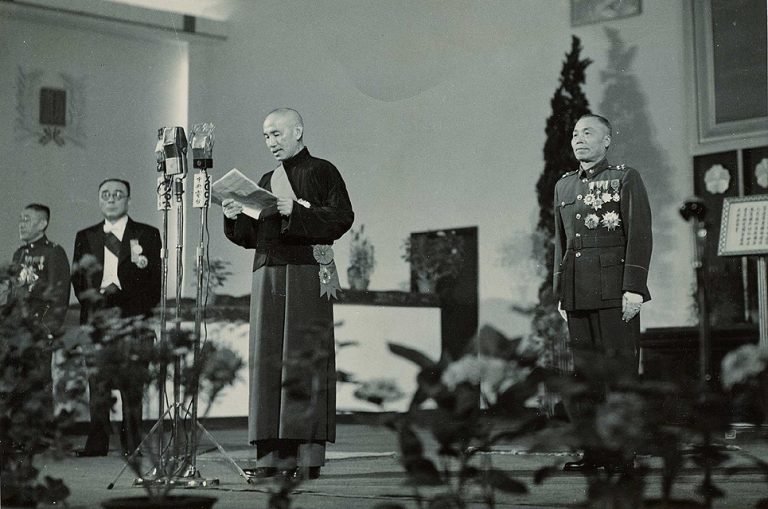
Chiang Kai-shek reflecting Cold War legacy
Travelers often sense Taipei’s distinct atmosphere immediately. The city feels open yet cautious, vibrant yet restrained. Its food, streets, and public life reflect a society accustomed to living with uncertainty. Taipei does not perform nationalism loudly. It practices continuity quietly.
Understanding Taipei requires abandoning simple narratives. It is not merely a Chinese city, nor purely a Taiwanese one. It is the product of displacement and adaptation. Its strength lies in its ability to hold contradiction without collapse.
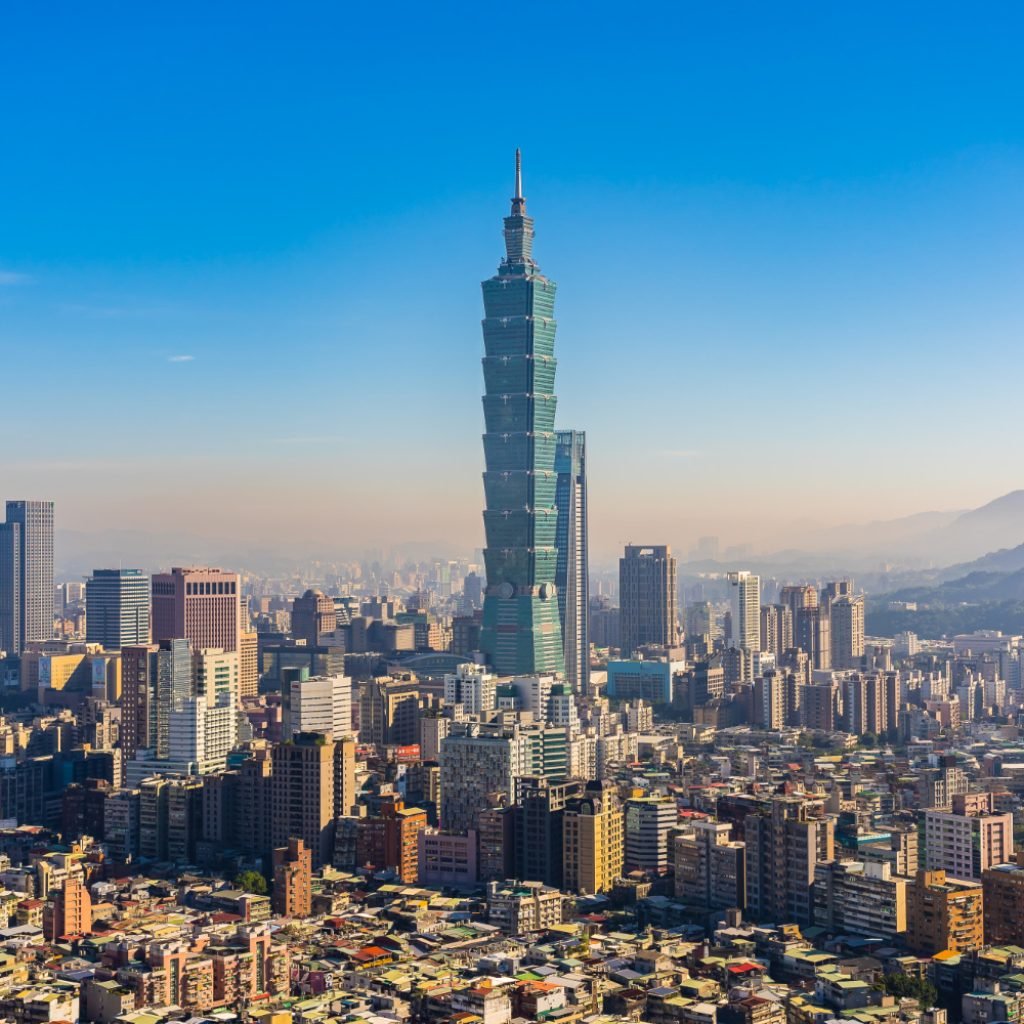
Modern Pudong skyline symbolizing Shanghai’s revival
Taipei was built by people who did not expect to stay, yet learned to belong. Its streets were shaped by fear, but matured through resilience. Cold War politics turned it into a global symbol. Democracy turned it into a living city.
Taipei matters because it shows how cities can be formed not by triumph, but by survival. It stands as proof that exile does not erase identity. It reshapes it.
Comment (0)