

Honor is not a universal value. Every society uses the word, but few mean the same thing by it. In Japan, honor is not merely a personal virtue or social expectation. It is a historical structure that has shaped behavior, authority, violence, memory, and survival for centuries. To understand Japanese history without understanding honor is to misunderstand its logic at every turning point.
In many Western societies, morality is organized around guilt. Wrongdoing is internalized, confessed, judged, and forgiven. Responsibility is verbal. Justice is articulated. In Japan, morality developed along a different axis. Honor is relational, not internal. It exists between people, roles, and expectations. Losing honor is not a private moral failure. It is a public rupture. Restoration often matters more than explanation.
This distinction reaches deep into Japan’s premodern past. Before Japan existed as a centralized nation-state, it functioned as a collection of clans, domains, and hierarchies bound by loyalty rather than law. Authority rested less on abstract rules and more on reputation. In such a system, honor was not symbolic. It was survival.
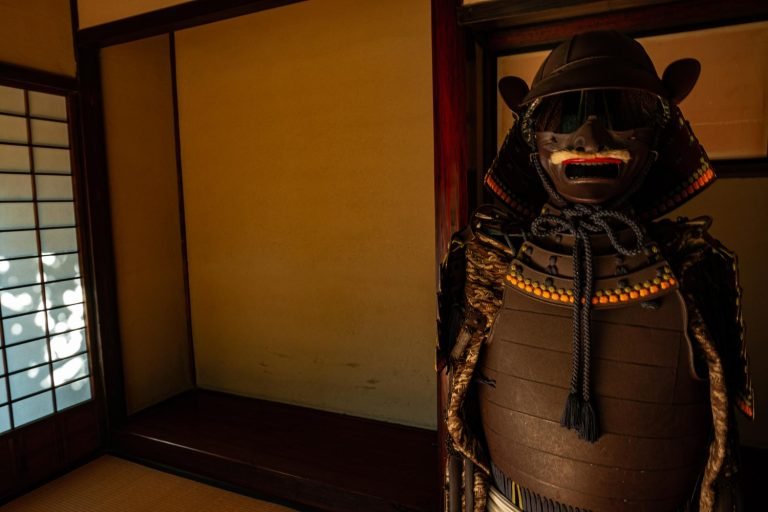
Samurai armor representing warrior honor culture
The rise of the warrior class transformed honor into a governing principle. Samurai culture did not emerge from philosophy alone. It emerged from prolonged instability. Civil war, shifting alliances, and weak central authority meant that trust was scarce. Honor became a social technology. It signaled reliability, courage, and loyalty in a world where contracts meant little without force.
The concept later known as Bushido did not originate as a written doctrine. It was a memory system. It preserved expectations about how warriors should behave in life and death. Loyalty to one’s lord mattered more than survival. Courage mattered more than victory. Honor mattered more than outcome.
This moral framework normalized violence without celebrating chaos. Killing was permitted, but not indiscriminate. Dying was acceptable, but not meaningless. Honor imposed limits on brutality while justifying it. The sword was not merely a weapon. It was a moral extension of the self.
Over time, these values spread beyond the battlefield. Samurai governed. They administered justice. They shaped etiquette. Honor became embedded in daily conduct. Bowing, language, posture, and restraint were not cosmetic. They communicated respect, hierarchy, and self-control. Society became ritualized to preserve order without constant coercion.

Calligraphy expressing Bushido philosophy
One of the most misunderstood aspects of Japanese honor is its relationship to shame. In Western thought, shame is often viewed as destructive. In Japanese history, shame functioned as regulation. It prevented disruption by encouraging self-withdrawal rather than confrontation. To be shamed was to recognize one’s failure to meet expectation. The response was not confession, but correction.
This is why silence plays such a powerful role in Japanese culture. Silence is not emptiness. It is acknowledgment. Speaking excessively about failure risks appearing unserious. Endurance is valued more than explanation. Responsibility is demonstrated through behavior rather than words.
Honor’s connection to death is perhaps its most extreme expression. Ritual suicide, often misunderstood or sensationalized, was not an obsession with death. It was an attempt to reclaim agency when honor was irreparably damaged. Death restored balance where life could not. This logic is unsettling to modern sensibilities, but within its historical context, it followed a consistent moral structure.
These values did not disappear with the end of the samurai era. They were absorbed into national identity. When Japan modernized rapidly in the nineteenth century, honor was repurposed. Loyalty shifted from feudal lords to the state. Sacrifice was reframed as national duty. Discipline and obedience became civic virtues.
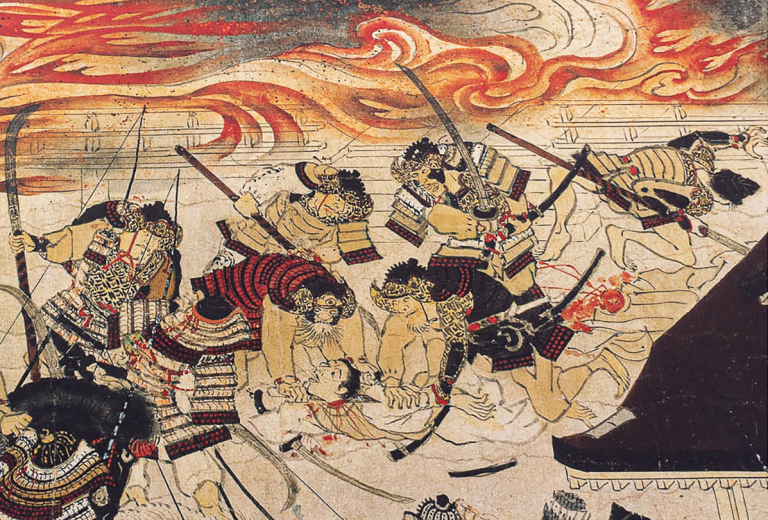
Historic Kamakura period samurai sites
This transformation had devastating consequences in the twentieth century. During wartime, honor was mobilized to justify endurance beyond reason. Surrender was equated with moral collapse. Individual life became secondary to collective dignity. Defeat was not merely strategic. It was existential.
Japan’s defeat in World War II therefore represented more than military loss. It was an honor catastrophe. The nation did not simply lose territory or power. It lost the moral framework that had justified sacrifice. This collapse explains much of Japan’s postwar silence. Words were inadequate. Survival required rebuilding meaning itself.
Postwar Japan did not abandon honor. It redirected it. Responsibility was expressed through restraint. Pacifism became a form of moral repair. Economic rebuilding replaced military pride. Work ethic substituted for battlefield valor. The corporate world absorbed samurai discipline. Loyalty, endurance, and self-sacrifice migrated into offices and factories.
This shift explains why postwar Japan rarely engages in emotional displays of remorse that outsiders expect. Apology, in the Japanese context, is not cathartic speech. It is continuous behavior. Peaceful conduct, aid, and self-restraint are considered expressions of responsibility. Honor is restored through consistency, not confession.
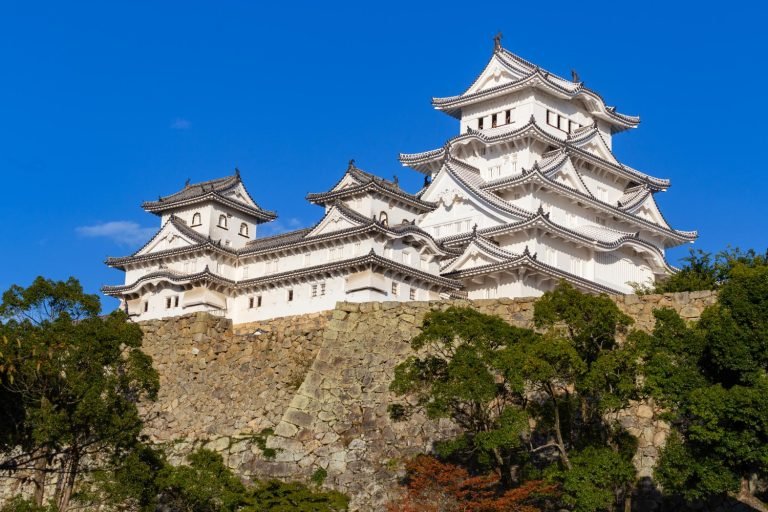
Himeji Castle reflecting feudal hierarchy
Travelers often encounter this cultural logic in subtle ways. Service is meticulous. Apologies are frequent but restrained. Conflict is avoided publicly. Discomfort is absorbed silently. These behaviors are not artificial politeness. They are remnants of a moral system that values harmony over confrontation.
Visiting historical sites such as Kamakura or Himeji Castle reveals how deeply honor shaped space itself. Castles were not merely defensive. They were symbolic centers of loyalty and order. Cities were organized to reflect hierarchy and discipline.
Even in modern Japan, honor continues to influence responses to crisis. Public apologies by executives, collective responsibility for institutional failure, and voluntary resignation reflect older patterns. The individual absorbs blame to protect the group. This logic can appear harsh, but it preserves cohesion.
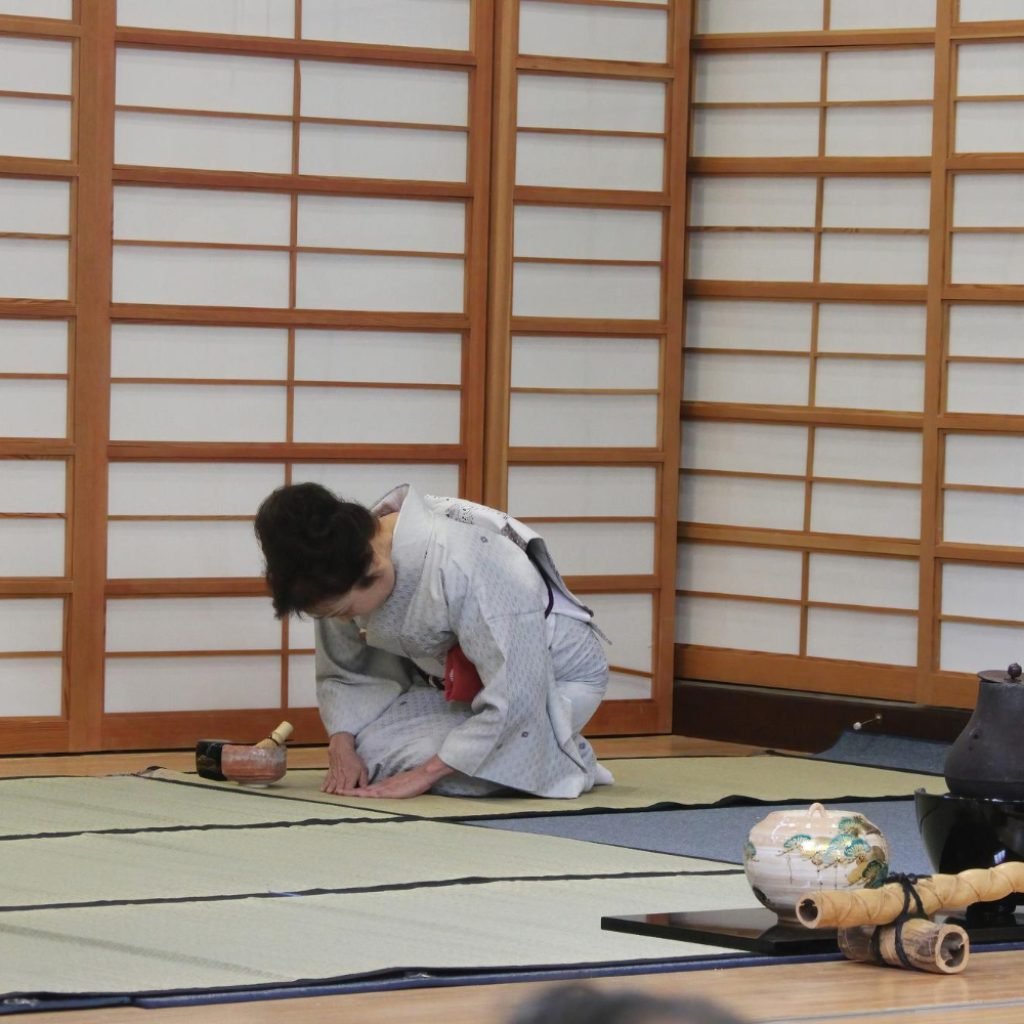
Japanese bowing culture as expression of respect
Why does honor still matter so much in Japanese history? Because it provided stability in a society that experienced long periods of uncertainty. It allowed order without constant force. It created meaning in suffering. It offered dignity in defeat.
Honor is not inherently virtuous or cruel. It is a system. In Japan, that system shaped centuries of behavior, belief, and survival. Understanding it does not require agreement. It requires recognition.
Japanese history cannot be read as a sequence of events alone. It must be read as a moral rhythm. Honor is the tempo that keeps that rhythm intact.



Comment (0)