

Trauma is often imagined as something that demands expression. In much of the modern world, healing is associated with testimony, confession, and public acknowledgment. Pain must be spoken, named, and shared to be resolved. Yet across much of Asia, trauma has followed a different path. It has been carried quietly, absorbed into routine, embedded in behavior rather than words. Silence, in this context, is not absence. It is structure.
Asian societies did not lack suffering in the twentieth century. They endured colonization, occupation, civil war, genocide, famine, and displacement on a scale that reshaped entire populations. What they often lacked was closure. Wars ended without reconciliation. Empires collapsed without justice. Borders hardened without healing. In such conditions, silence became not denial, but survival.
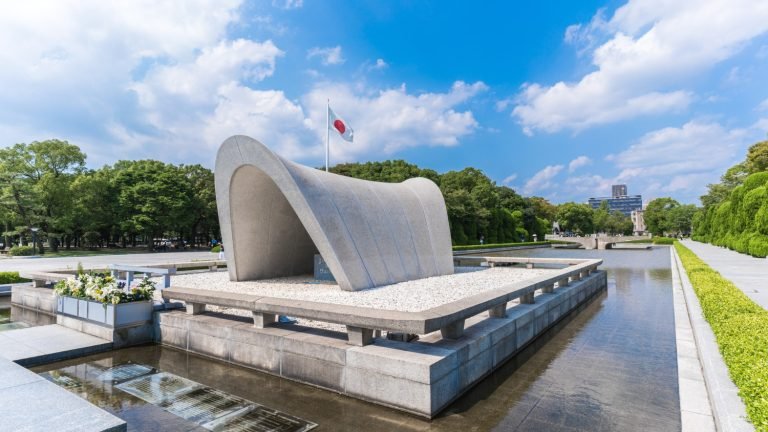
Quiet memorial spaces in Hiroshima
Before the modern language of psychology entered Asia, societies developed their own ways of managing pain. Emotional restraint was not merely cultural preference. It was necessity. When survival depended on obedience, endurance, and adaptation, overt expression of trauma risked punishment or exclusion. Silence protected individuals and families from further harm.
Colonial rule reinforced this pattern. Under empire, suffering was rarely validated. Complaints carried little power. Speaking openly about injustice often resulted in repression. Trauma was experienced privately while authority remained distant. Memory learned to retreat inward.
World War II intensified this silence dramatically. Violence swept across Asia without the structures that later framed European recovery. In Europe, defeat was followed by trials, reconstruction, and institutional memory. In Asia, war blurred into revolution, occupation, and Cold War. The past did not settle. It lingered unresolved.
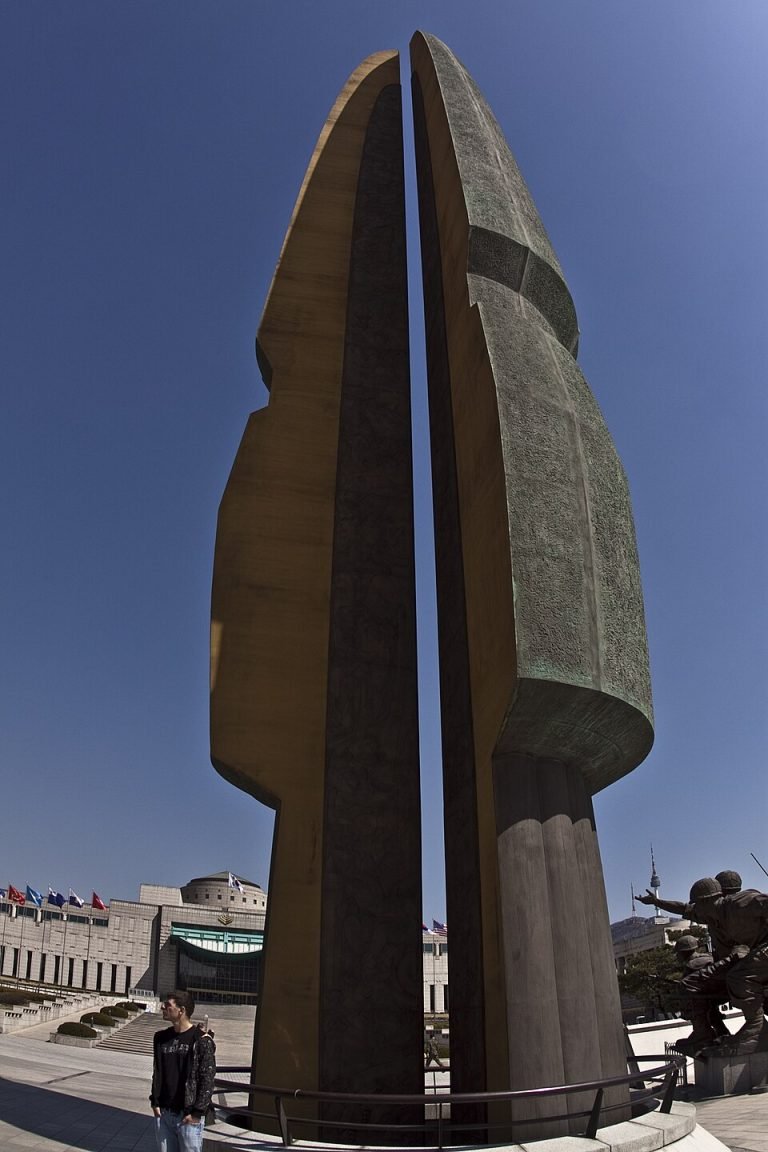
Seoul’s war memory sites
Consider cities like Hiroshima, where devastation was total yet memory was shaped through restraint rather than accusation. Mourning emphasized peace and endurance, not rage. Silence honored the dead without reopening conflict. The absence of explicit blame unsettled outsiders but reflected a deeper cultural logic.
In Seoul, trauma was layered. Colonial rule, civil war, and authoritarianism followed in rapid succession. Speaking openly about suffering was dangerous for decades. Families learned to endure quietly. Trauma passed through generations as behavior rather than story.
In Manila, mass civilian destruction during World War II was followed by rapid rebuilding and political transition. Memorialization was limited. Survival demanded forward motion. Silence allowed life to resume, even as memory fractured.
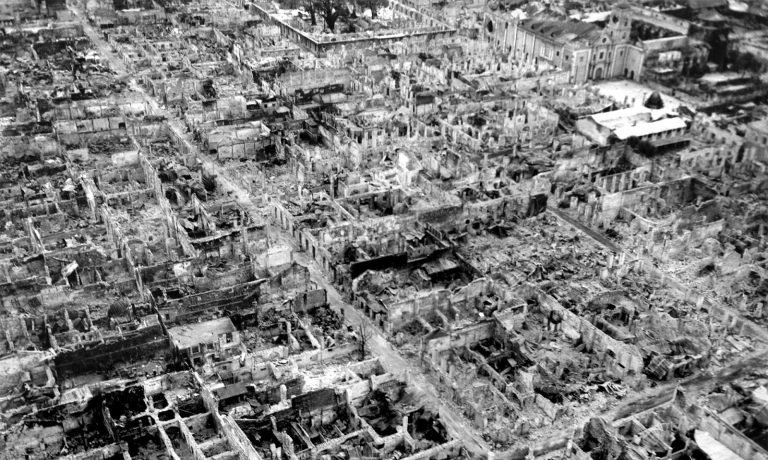
Manila ruins after World War II
These patterns created families that learned not to ask. Parents protected children by withholding stories. Silence was interpreted as strength. Emotional control became moral virtue. To dwell on pain was to risk destabilizing fragile progress.
Education reinforced this approach. History curricula emphasized national survival rather than individual suffering. Trauma was acknowledged selectively. Shame and honor shaped what could be said publicly. Silence maintained cohesion where open confrontation might reopen wounds.
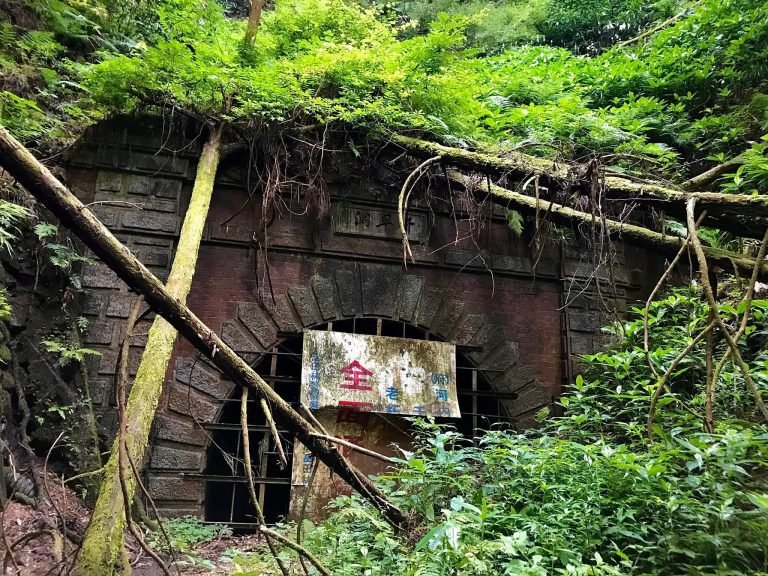
Abandoned war sites reclaimed by nature in Asia
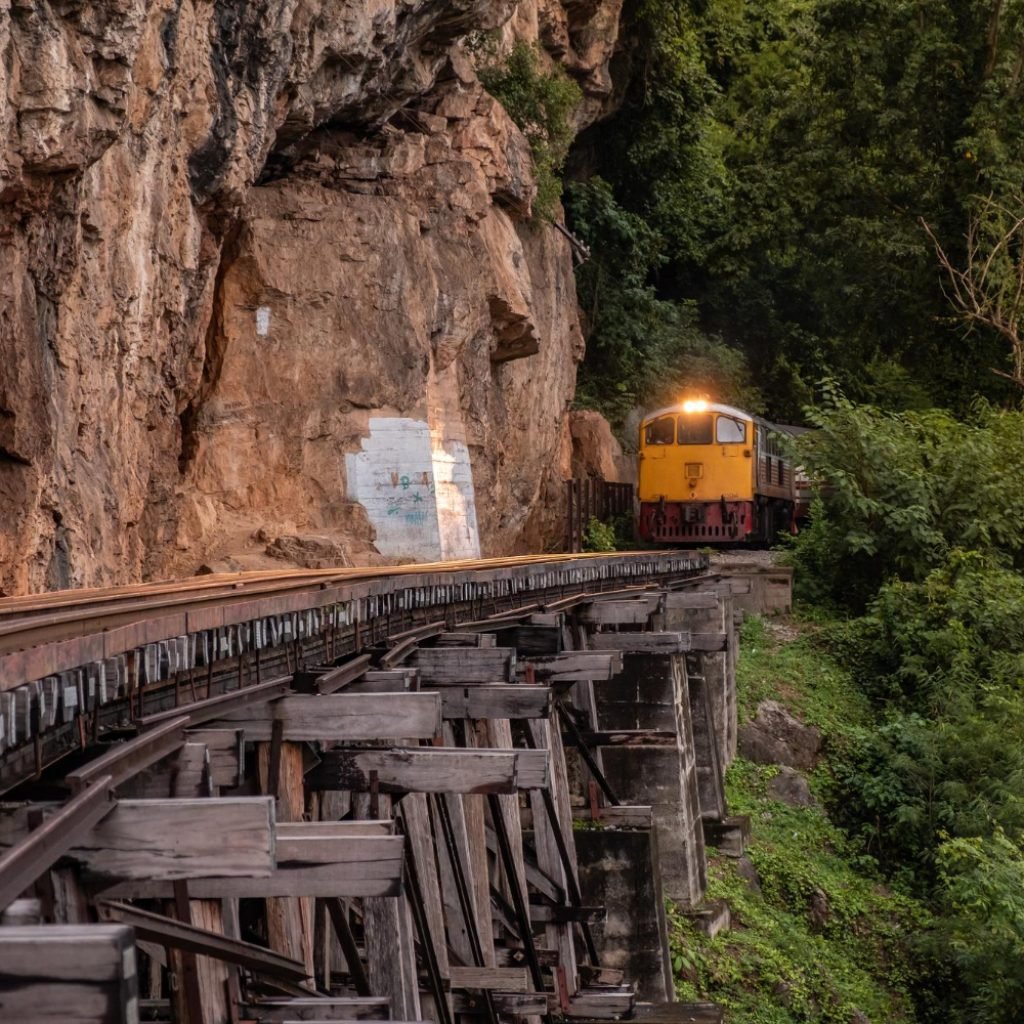
Traveling through Asia reveals this quiet memory everywhere. Ruins are reclaimed by nature. Battlefields become parks. Cities rebuild without monumentalizing suffering. Unlike memorial landscapes designed to instruct visitors, many Asian sites simply exist. Memory is present, but not curated.
This does not mean Asia forgot. Silence does not erase trauma. It stores it. Trauma emerges indirectly through anxiety, discipline, overwork, and intergenerational expectation. Pain is transmitted through habits rather than narratives.
Modern psychology often misreads this silence as repression. Yet for many Asian societies, silence functioned as a technology of survival. It allowed continuity where articulation might have shattered fragile order. Silence was not chosen freely. It was inherited.
Today, this legacy remains. Younger generations question inherited restraint. New voices seek articulation. Yet silence still shapes social response to crisis. Disasters are met with discipline. Grief is private. Endurance is praised.
Understanding Asian trauma requires abandoning the assumption that healing looks the same everywhere. Expression is not the only path to survival. Silence can be a form of care, a shield forged in history.
Asia’s silence is not empty. It is heavy with memory. It carries wars that never truly ended, losses never fully acknowledged, and lives rebuilt without ceremony. Silence is how history stayed livable.
To listen to Asia’s trauma, one must learn to hear what is not said.
Comment (0)