

Across Asia, cities vanish without ceremony. Entire neighborhoods stand empty. Factories rust in silence. Hotels overlook coastlines with no guests. Railways lead nowhere. These ghost cities and ruins are not isolated curiosities. They form a pattern that stretches from East Asia to Southeast Asia, from postwar battlefields to failed megaprojects. To understand why Asia contains so many abandoned cities is to understand how the region experienced modernity differently from the rest of the world.
Ghost cities are often explained as economic failures or planning mistakes. In Asia, this explanation is incomplete. Many abandoned cities were not abandoned gradually. They were emptied suddenly. War, revolution, border shifts, and regime collapse forced populations to move overnight. Reconstruction did not always follow. Memory remained unresolved. Ruins became permanent.
Asia entered the modern era through trauma rather than transition. Empires collapsed violently. Colonization disrupted existing urban systems. Independence was followed by civil war. Cold War borders froze conflicts rather than resolving them. Cities were built, destroyed, and abandoned faster than societies could process loss.
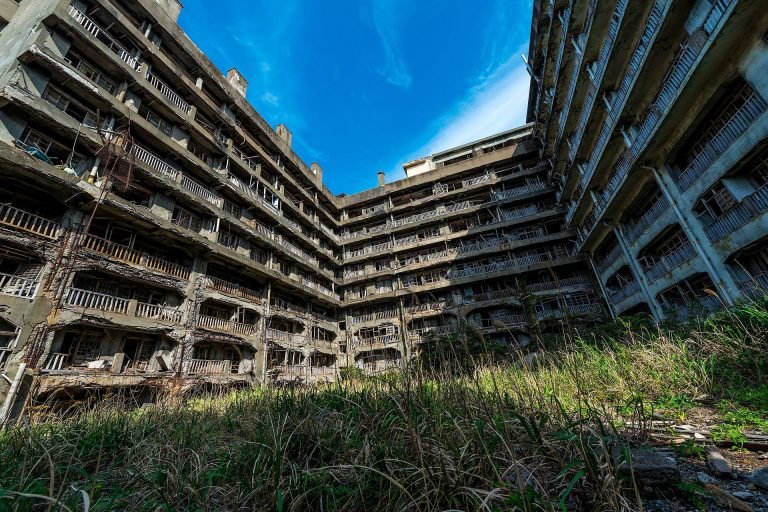
Abandoned buildings on Hashima Island
In Europe, ruins are often curated. Bombed cities were rebuilt deliberately. Destruction was framed as tragedy followed by recovery. In Asia, destruction frequently blended into the next crisis. There was no pause for mourning. Ruins were left behind as people moved on to survive.
Empire played a decisive role. Colonial powers built cities to extract resources, control populations, and project authority. When empire collapsed, many of these cities lost their purpose overnight. Infrastructure designed for control had no role in independent societies. Abandonment was pragmatic.
War intensified this process. World War II devastated Asian cities on a scale rarely matched elsewhere. Firebombing erased urban cores. Ground combat obliterated civilian neighborhoods. Yet postwar reconstruction was uneven. Some cities were rebuilt. Others were bypassed entirely.
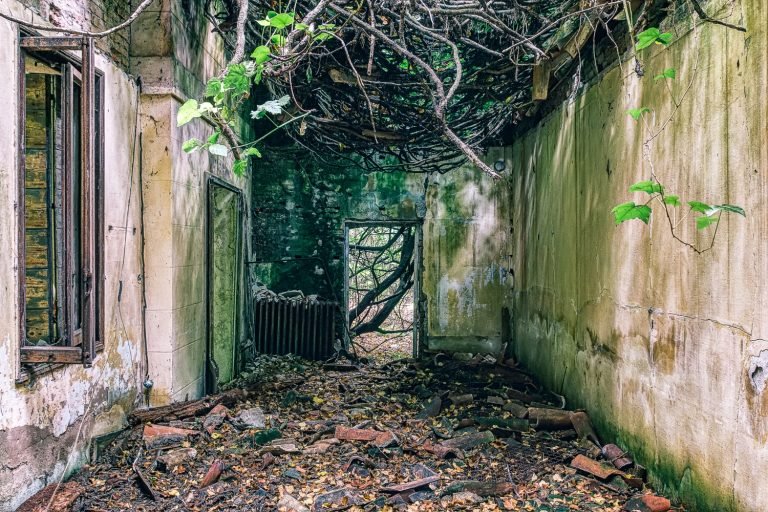
War ruins in Asia reclaimed by vegetation
In places like Hiroshima, destruction became symbolic and reconstruction deliberate. In others, such as parts of Manila, ruins lingered as development prioritized new centers. Memory fractured along economic lines.
Cold War ideology further froze cities in time. Borders hardened. Populations were displaced. Infrastructure on the wrong side of history was abandoned. Entire regions became inaccessible. Cities stopped evolving and began decaying.
In the Korean Peninsula, the division created landscapes of abandonment. Border towns were evacuated. Industrial zones were frozen. Even today, areas near Korean Demilitarized Zone remain untouched, nature reclaiming spaces once designed for human order.
Ideology also shaped development. Socialist planning produced massive industrial and residential projects. When political priorities shifted or economies collapsed, these cities lost support. Without private ownership or market adaptation, abandonment followed quickly.
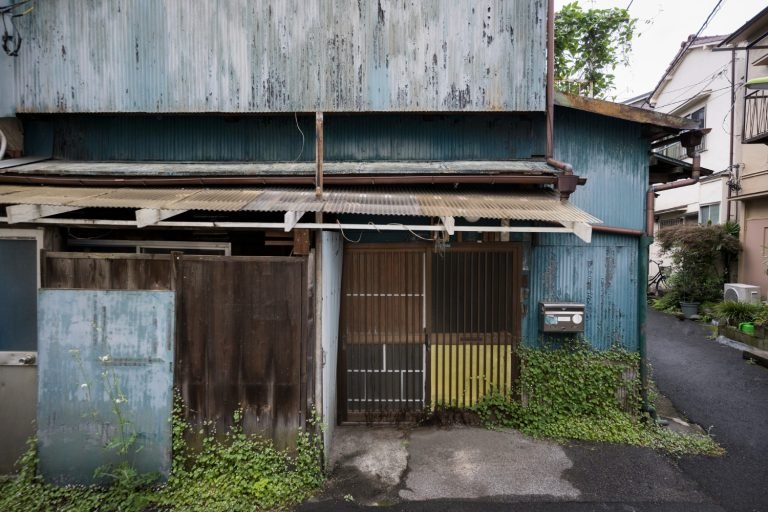
Empty village in the asia world war ll
China’s rapid growth added another layer. Cities were built for anticipated futures rather than existing populations. Some succeeded spectacularly. Others stalled. Empty districts became symbols of overreach. Yet even these modern ghost cities reflect deeper historical patterns: centralized decision-making, rapid mobilization, and limited public participation.
Not all ghost cities are failures. Some are casualties of speed. Asia urbanized faster than any region in history. Migration, industrialization, and speculation outpaced social integration. When momentum slowed, excess space remained.
Nature completed the process. In Asia, ruins are rarely preserved artificially. Vegetation reclaims concrete. Monsoon, humidity, and seismic activity accelerate decay. Abandonment becomes ecological. Ruins are absorbed rather than maintained.
This absorption reflects cultural attitudes toward impermanence. Many Asian philosophies accept transience. Ruins are not always seen as wounds needing repair. They are stages in a cycle. Cities rise, fall, and dissolve.
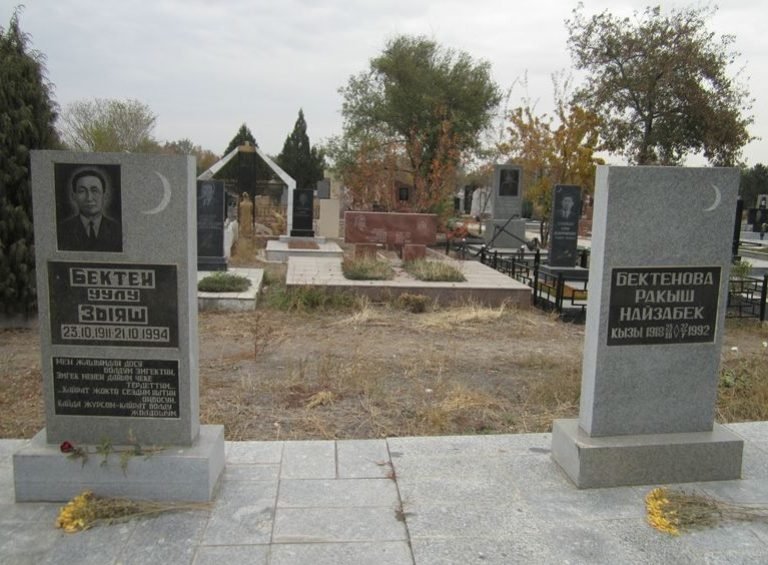
Soviet-era abandoned city in Central Asia
Traveling through Asia reveals these ghost landscapes everywhere. On islands like Hashima Island, abandoned structures stand as monuments to industrial ambition. In Southeast Asia, former colonial hill stations fade into forest. In Central Asia, Soviet-era cities crumble under open skies.
These sites are rarely turned into attractions. They are left ambiguous. Locals pass them without comment. Silence surrounds them. This silence is not indifference. It is continuity. Life moved elsewhere.
Why does Asia leave so many ruins untouched? Because rebuilding is not always the priority. Survival is. Forward motion mattered more than preservation. Memory was carried internally, not architecturally.
Ghost cities reveal how Asia experienced the twentieth century as disruption rather than narrative. There was no clean arc from destruction to recovery. There were layers of unfinished history.

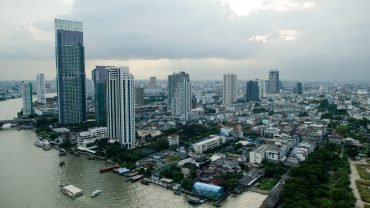
Unoccupied modern skyline in a Chinese ghost city
These ruins challenge modern assumptions about progress. They show that development does not erase trauma. It relocates it. Empty cities are physical reminders of futures that were promised but never delivered.
For travelers, Asia’s ghost cities are unsettling because they resist interpretation. There are no plaques, no explanations, no closure. They exist without instruction. They demand historical literacy rather than spectacle.
Understanding why Asia has so many ghost cities means accepting that the region’s modern history is unresolved. War ended without justice. Empires collapsed without repair. Growth arrived without reconciliation.
Ghost cities are not failures of planning alone. They are monuments to interrupted time.
They remain because Asia moved forward without looking back.
Comment (0)