

Most people imagine history as something distant. It is framed behind glass, labeled on museum walls, reconstructed in textbooks, or compressed into timelines. In this version of the past, history is something you visit briefly before returning to the present. Yet in many cities around the world, history is not separate from daily life. It is structural. It lies beneath sidewalks, inside walls, and underfoot. You do not visit it. You walk through it.
These cities do not preserve the past intentionally. They simply never erased it. Empires collapsed, wars ended, regimes changed, but streets remained. Foundations were reused. New buildings rose on old stones. Memory layered rather than replaced. The result is a living palimpsest where centuries coexist in a single walk.
This phenomenon is not accidental. It reflects how different societies experienced rupture, recovery, and continuity. In places where history was allowed to accumulate rather than reset, the past remains physically accessible. These cities teach history not through explanation, but through presence.
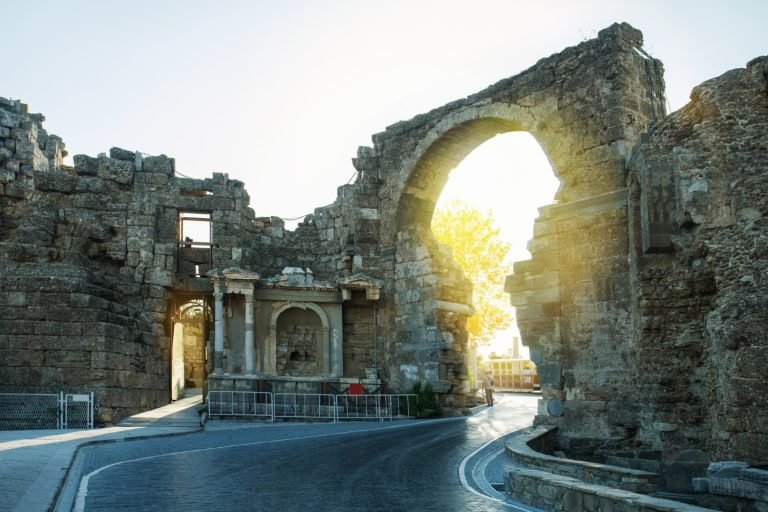
Ancient Roman ruins integrated into modern streets
In Rome, daily life unfolds atop ancient infrastructure. Modern traffic flows beside ruins that were once administrative centers of an empire. Apartments stand above collapsed forums. Restaurants occupy buildings whose foundations predate Christianity. The city never paused long enough to reconstruct itself completely. Survival demanded reuse. The past became load-bearing.
Walking through Rome is not an act of tourism alone. It is a negotiation with time. The stones beneath your feet were shaped by people whose worldviews no longer exist, yet whose decisions still dictate movement. History persists not as memory, but as constraint.
In Istanbul, the experience is similar but layered differently. Empires replaced each other without fully erasing what came before. Byzantine churches became Ottoman mosques. Roman roads guided modern neighborhoods. Political transformation did not require architectural annihilation. Continuity was more efficient than rupture.
This layering creates a city where religious, imperial, and national histories intersect physically. You can cross centuries by crossing a street. The past does not announce itself. It simply exists.
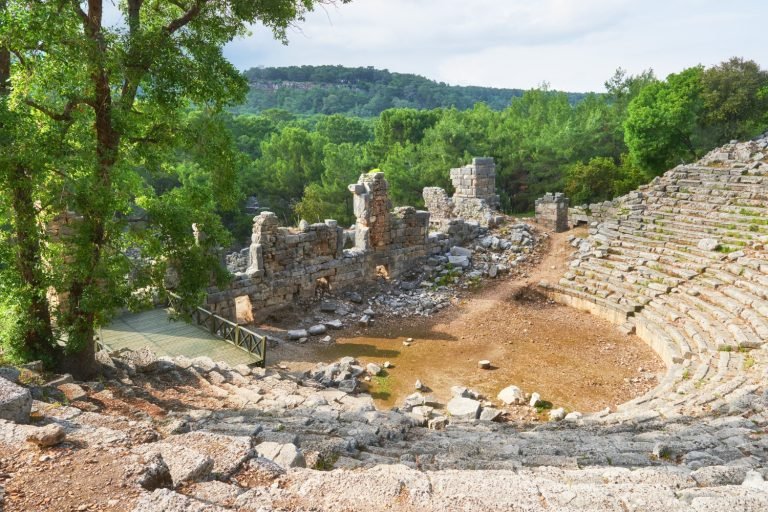
Layered Byzantine and Ottoman architecture in Istanbul
Asian cities offer an even more complex relationship with walkable history. In Kyoto, the past survives not through ruins, but through repetition. Wooden streets rebuilt after fires follow the same patterns as before. Shrines are reconstructed periodically, yet remain ancient in form. A structure may be new, but its logic is old. History is preserved through ritual, not material permanence.
Kyoto teaches a different lesson. Walkable history does not always mean visible age. It means continuity of space. The path remains even when the building changes. The city remembers through movement.
In Jerusalem, history is unavoidable. Every step intersects with competing narratives. Stones are sacred not because they are old, but because they are claimed. The past is contested, not resolved. Walking becomes political. Space itself argues.
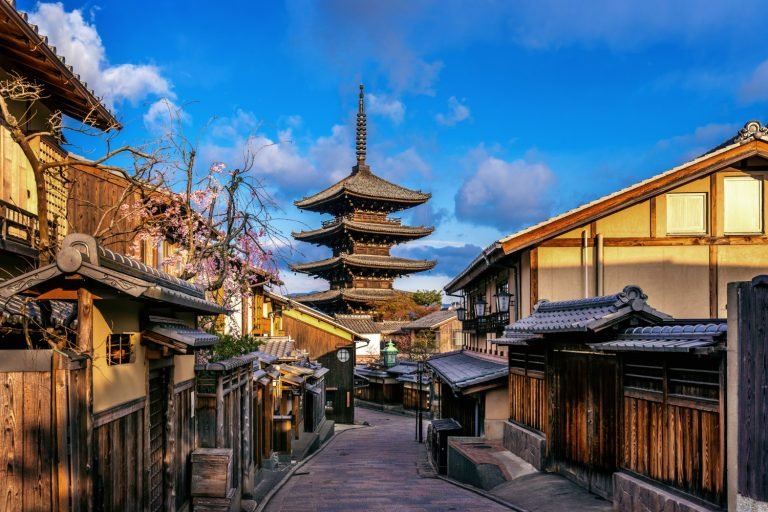
Traditional Kyoto streets reflecting historical continuity
Here, history is not neutral. It demands attention. You feel it in the density of meaning assigned to each site. The city resists simplification because it contains too many truths at once.
Some cities preserve walkable history precisely because they never experienced total reconstruction. In Hanoi, colonial buildings, socialist housing, and traditional neighborhoods coexist without clear hierarchy. War damaged the city, but rebuilding was incremental. There was no moment of complete reset. Life resumed where it could.
This continuity allows the past to remain accessible. You can walk through colonial streets that never became monuments. They remain functional. History is not commemorated. It is used.
In Seoul, layers of destruction complicate this pattern. War erased much of the city. Rapid modernization replaced it. Yet fragments remain embedded unexpectedly. Old palaces sit beside highways. Ancient gates frame modern districts. The contrast is abrupt, but intentional. The past is acknowledged without slowing progress.
Walking through Seoul reveals how history survives even when cities try to move on. It reemerges in fragments, insisting on recognition.
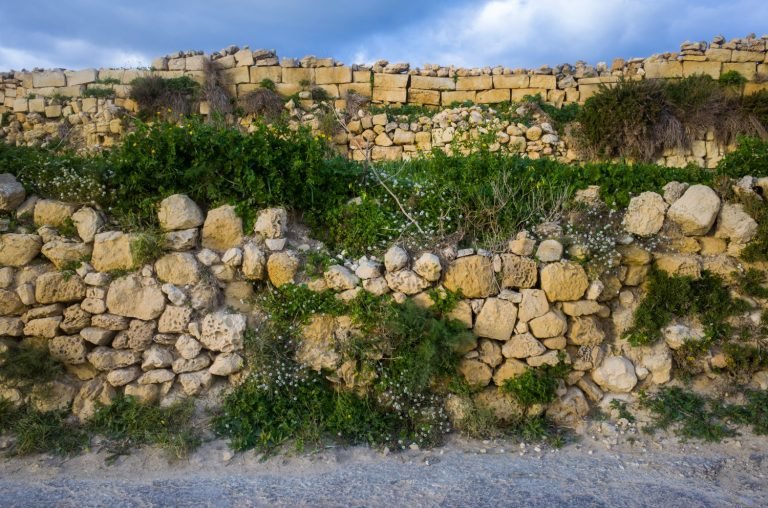
Stone streets of Jerusalem shaped by centuries of history
European cities like Prague or Lisbon retain walkable history because they avoided large-scale destruction in the modern era. Their streets remain intact not through preservation alone, but through luck. The past survived because it was never targeted.
In contrast, cities that experienced total destruction often rebuilt with new priorities. History became curated rather than lived. Reconstruction separated memory from function. Museums replaced streets as historical spaces.
Cities where history remains underfoot challenge this separation. They demand a different kind of literacy. You must read space rather than text. You learn by walking, noticing, and adjusting.
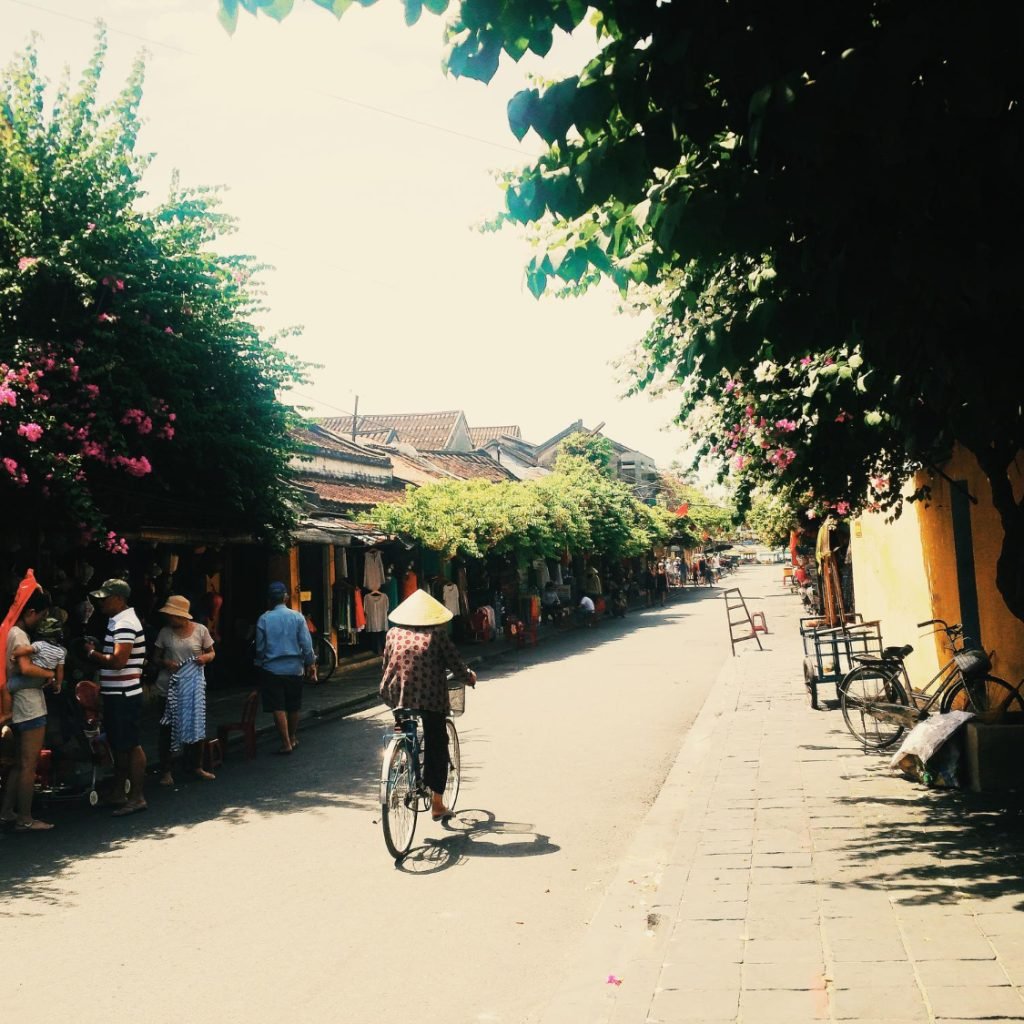
Colonial-era streets in Hanoi still used in daily life
Travelers often underestimate this experience. They photograph landmarks but miss the structural continuity that gives these cities depth. The true experience lies between destinations. The walk itself is the lesson.
This is why walkable history matters in the age of AI and instant information. Facts can be retrieved instantly. Experience cannot. These cities offer embodied knowledge. They teach how history constrains movement, shapes behavior, and limits possibility.
To walk through such a city is to accept that the present is never free of the past. Streets remember even when people forget. Urban space is historical memory rendered practical.
These cities do not freeze history. They carry it forward. Their value lies not in preservation alone, but in coexistence.
History you can walk through is history that still matters.
Comment (0)