

Some places are not meant to be beautiful. Some are not meant to comfort, inspire, or entertain. They exist not to heal quickly, but to remain. They hold weight that does not fade with time. Across Asia, there are locations where history refuses to settle into the past. These are not simply historic sites. They are moral landscapes. They remind humanity of what happens when violence overwhelms restraint and when survival leaves scars too deep for resolution.
The modern world often treats memory as optional. Tragedy is commemorated briefly, archived, and replaced by progress. Yet some places resist this cycle. They remain because forgetting them would distort the meaning of the present. They are reminders not of victory, but of cost.
Memory requires geography. Trauma that remains abstract fades quickly. When suffering is anchored to a specific place, it becomes harder to deny, reinterpret, or erase. Cities and landscapes become witnesses when people no longer can.
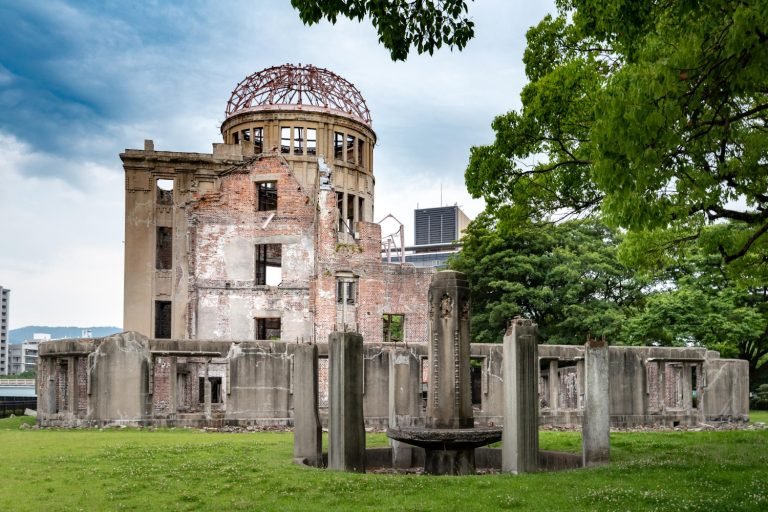
Hiroshima Peace Memorial Dome as symbol of atomic destruction
In Hiroshima, destruction was absolute. The atomic bomb did not merely kill. It erased. The city was flattened in an instant, leaving behind shadows burned into stone and bodies reduced to absence. Hiroshima’s memory is shaped by restraint. The city speaks softly about an event that defies language. Peace replaces accusation. Silence replaces rage. The absence of spectacle is deliberate. Hiroshima forces visitors to confront scale without narrative comfort.
Hiroshima is often framed as a symbol, but it is also a city rebuilt on unacknowledged grief. Survivors carried trauma quietly. The land absorbed pain without demanding resolution. The city’s refusal to dramatize its suffering unsettles those who expect catharsis. That discomfort is part of its truth.
In Nanjing, memory operates differently. The violence inflicted there was intimate, prolonged, and deeply personal. Civilians were targeted systematically. Death was not instantaneous. It was witnessed, endured, and survived. Unlike Hiroshima, Nanjing’s trauma did not arrive from the sky. It arrived face to face.
The difficulty with Nanjing lies in unfinished justice. Memory here is contested. Acknowledgment remains political. Denial deepens wounds. The city carries trauma that has not been universally recognized. Its memorials are explicit because silence would feel like erasure. Nanjing demands recognition rather than reconciliation.
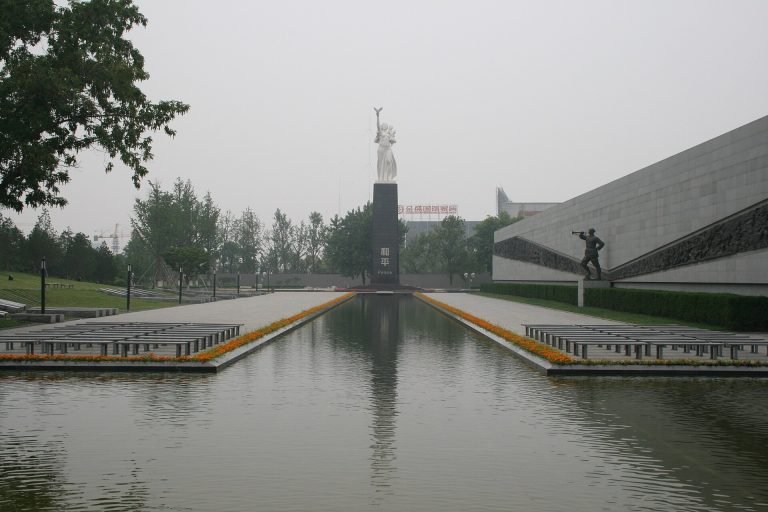
Nanjing memorial site commemorating civilian massacre
Travelers often struggle here. The experience is heavy and confrontational. There is no distance between observer and victim. The city refuses abstraction. It insists on specificity. Names, numbers, and stories anchor memory to human scale.
In Kanchanaburi, suffering unfolded slowly. Forced labor, disease, and starvation defined daily existence along the wartime railway. Death was not sudden. It was incremental. The landscape today is quiet, almost serene. Rivers flow gently. Forests reclaim old tracks. This contrast is deceptive.
Kanchanaburi embodies a different trauma logic. It is not remembered through spectacle, but through absence. Many who died left no graves. Their suffering is implied rather than narrated. Silence dominates the site. The lack of dramatic ruins reflects how suffering was normalized. Survival required endurance, not resistance.
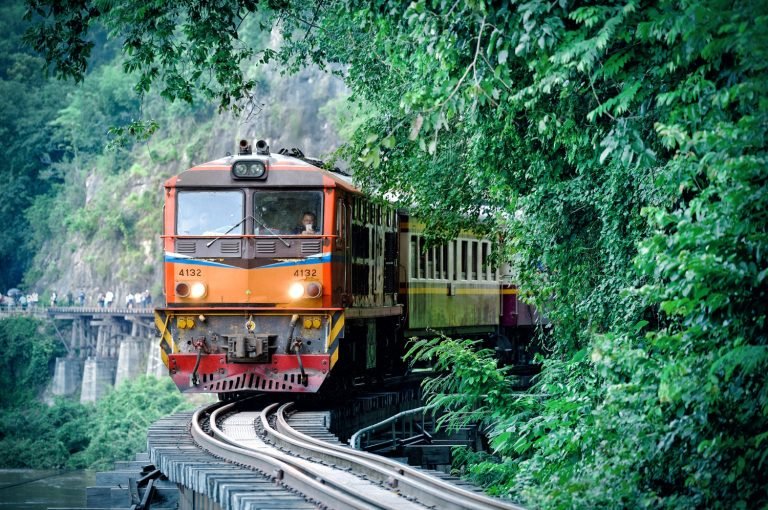
Kanchanaburi Death Railway landscape shaped by forced labor
The danger here is romanticization. Nature softens memory. Beauty risks erasing brutality. Ethical engagement requires historical literacy. Without it, the landscape becomes empty scenery.
In Okinawa, war was experienced without glory. Civilians were trapped between forces, coerced, displaced, and sacrificed. The island became a battlefield not by choice, but by geography. Mass death occurred without clear lines between enemy and ally. Memory here is fragmented.
Okinawa’s trauma is complicated by marginalization. Its suffering was long overshadowed by national narratives elsewhere. Memorials emphasize civilian loss, but recognition arrived late. The island carries grief that was not fully absorbed into national memory.
Across these places, a pattern emerges. Trauma is not uniform. Memory is not singular. Some places speak loudly. Others remain silent. Some demand justice. Others demand presence.
These sites resist closure because closure would simplify history. War does not end neatly. Suffering does not resolve equally. Forgetting is tempting because remembrance is uncomfortable.
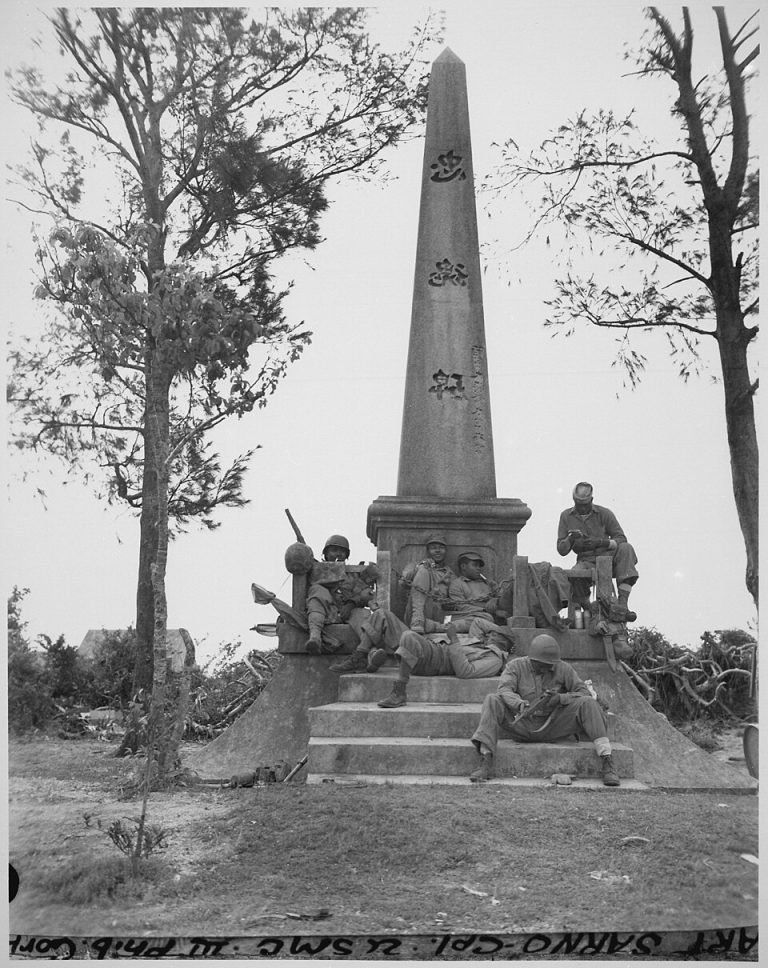
Okinawa war memorial honoring civilian victims
Traveling to such places carries responsibility. These are not destinations to be consumed. Photography, narration, and emotional performance risk turning trauma into spectacle. Ethical travel requires restraint. Listening matters more than documenting.
These places ask visitors not to feel better, but to feel responsible. They challenge the assumption that history exists to inspire. Some history exists to warn.
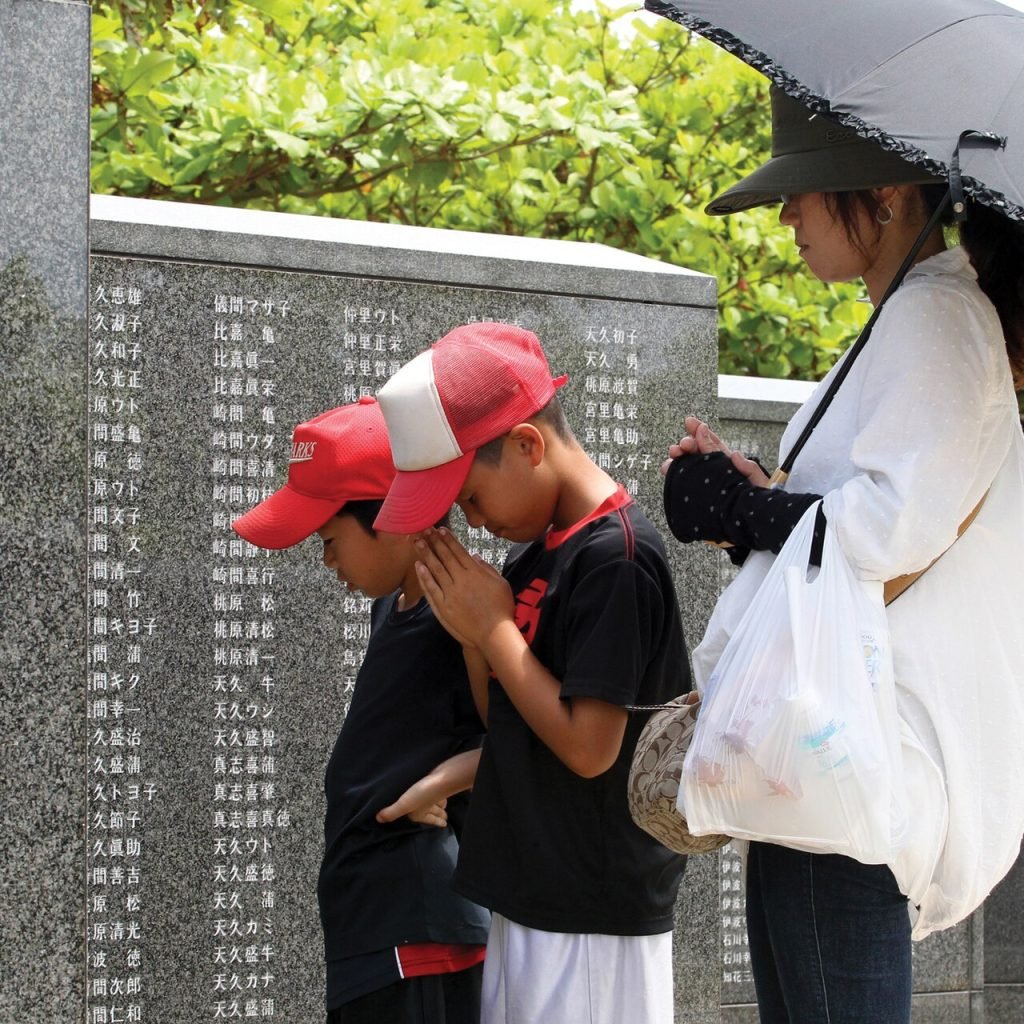
Quiet Asian war memory sites emphasizing silence
Why should these places never be forgotten? Because they expose the limits of progress. They show that modernity did not prevent mass violence. They remind us that ideology, fear, and obedience can still override humanity.
Forgetting these places would make repetition easier. Memory does not guarantee prevention, but absence guarantees ignorance.
These landscapes are not scars waiting to fade. They are anchors. They hold the weight of lives interrupted and futures erased. They remain because they must.
To walk through Hiroshima, Nanjing, Kanchanaburi, or Okinawa is not to travel into the past. It is to confront the unfinished present.
Comment (0)