

History is often presented as a story. It has a beginning, a middle, and an end. It moves forward through recognizable stages. Ancient becomes medieval, medieval becomes modern, and modern becomes contemporary. This structure works well for Europe. It works far less well for Asia.
Asia’s history is not harder to explain because it lacks clarity or coherence. It is harder because it does not conform to the narrative frameworks most people are taught to use. When those frameworks are applied, Asian history appears fragmented, contradictory, or overly complex. The problem is not Asia. The problem is the lens.
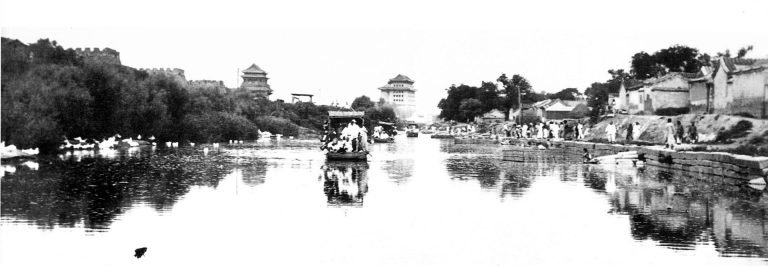
historical in Beijing
European history is often taught as a sequence of replacements. One empire falls, another rises. One system collapses, another takes its place. The Roman Empire ends. The medieval period begins. The Renaissance transforms thought. The Enlightenment reshapes politics. Each phase is framed as progress away from what came before.
In Asia, civilizations rarely ended cleanly. They overlapped, adapted, and reconfigured. Political regimes changed, but cultural systems endured. Ideas did not disappear when dynasties fell. They were absorbed, repurposed, and reinterpreted. Time layered rather than advanced.
This difference alone makes explanation difficult. Linear narratives depend on rupture. Asian history often depends on continuity through change. A dynasty may collapse, but its philosophy survives. A border may shift, but identity remains fluid. Explaining this requires abandoning the expectation of clear breaks.
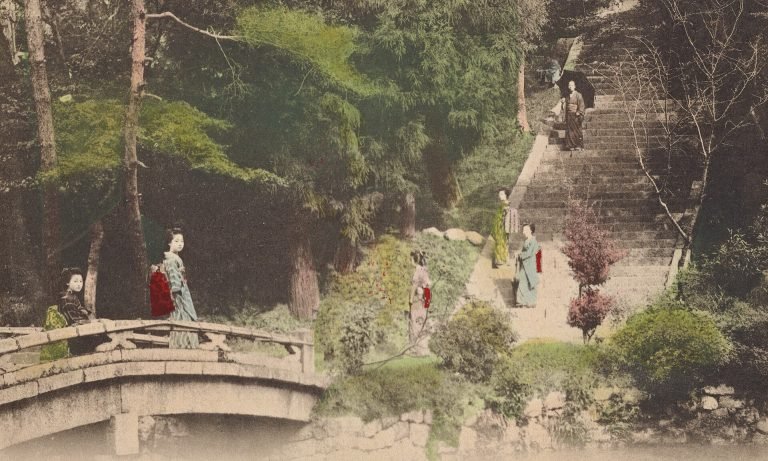
Traditional in Kyoto
China exemplifies this challenge. Dynasties rose and fell, yet the civilizational core persisted. Writing systems, philosophical frameworks, and social hierarchies endured across political upheaval. The fall of a dynasty did not mean the end of a civilization. It meant reorganization.
India presents another complexity. Multiple civilizations, languages, religions, and empires coexisted within the same geographic space. There was no single center, no unified narrative. History unfolded simultaneously at multiple levels. Explaining India requires accepting plurality rather than synthesis.
Japan followed a different path still. It selectively absorbed external influences while maintaining internal continuity. Periods of isolation alternated with rapid transformation. Modernization occurred without full cultural rupture. The past remained active rather than archived.
Europe’s history is easier to explain partly because it was later standardized through education. Nation-states curated national narratives. History became a tool of identity formation. Textbooks aligned. Timelines stabilized.
Asia did not experience this standardization uniformly. Colonialism disrupted local historiography. External frameworks were imposed. Indigenous narratives were sidelined. After independence, many societies struggled to reconcile precolonial, colonial, and postcolonial histories into a single story.
Colonialism did not just exploit Asia materially. It reframed Asia intellectually. European categories were used to interpret Asian pasts. Concepts such as nation, religion, and progress were applied retroactively. Nuance was lost.
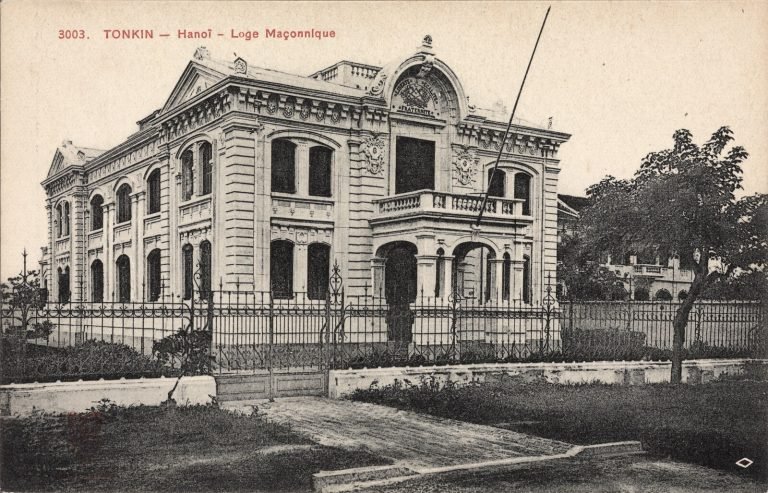
Colonial and indigenous structures in Hanoi
This created lasting distortion. Asian history was often explained in relation to Europe rather than on its own terms. Modernization was framed as catching up. Tradition was framed as backwardness. Complexity was reduced to deficiency.
Wars further complicated memory. In Europe, major conflicts ended with treaties, trials, and reconstruction narratives. In Asia, wars often bled into revolutions, civil conflicts, and Cold War divisions. There was no clean endpoint. Trauma remained unresolved.
Places like Seoul, Hanoi, or Beijing carry layers of conflict that cannot be neatly separated. Occupation, civil war, ideological struggle, and rapid modernization overlap physically and psychologically. Explaining these histories requires holding multiple truths at once.
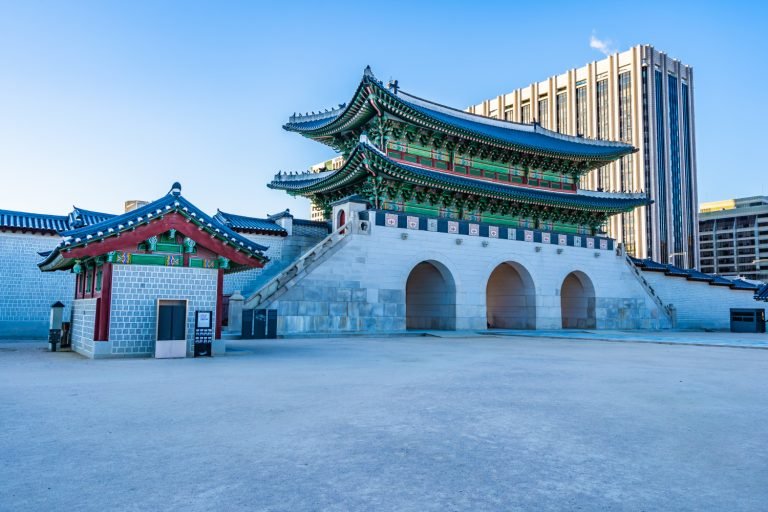
Seoul palaces surrounded by modern development
Memory in Asia often operates without closure. Silence, ritual, and indirect acknowledgment replace explicit resolution. This challenges Western pedagogical models that prioritize articulation and debate. What cannot be spoken appears invisible to those who expect explanation through words.
Teaching Asian history with European tools produces frustration. Students look for revolutions equivalent to the French Revolution or renaissances equivalent to the European Renaissance. When they do not find them, they assume absence rather than difference.
Asia resists simplification because its histories are not designed to converge into a single narrative. They diverge, intersect, and coexist. Understanding requires patience rather than mastery. It requires accepting ambiguity.
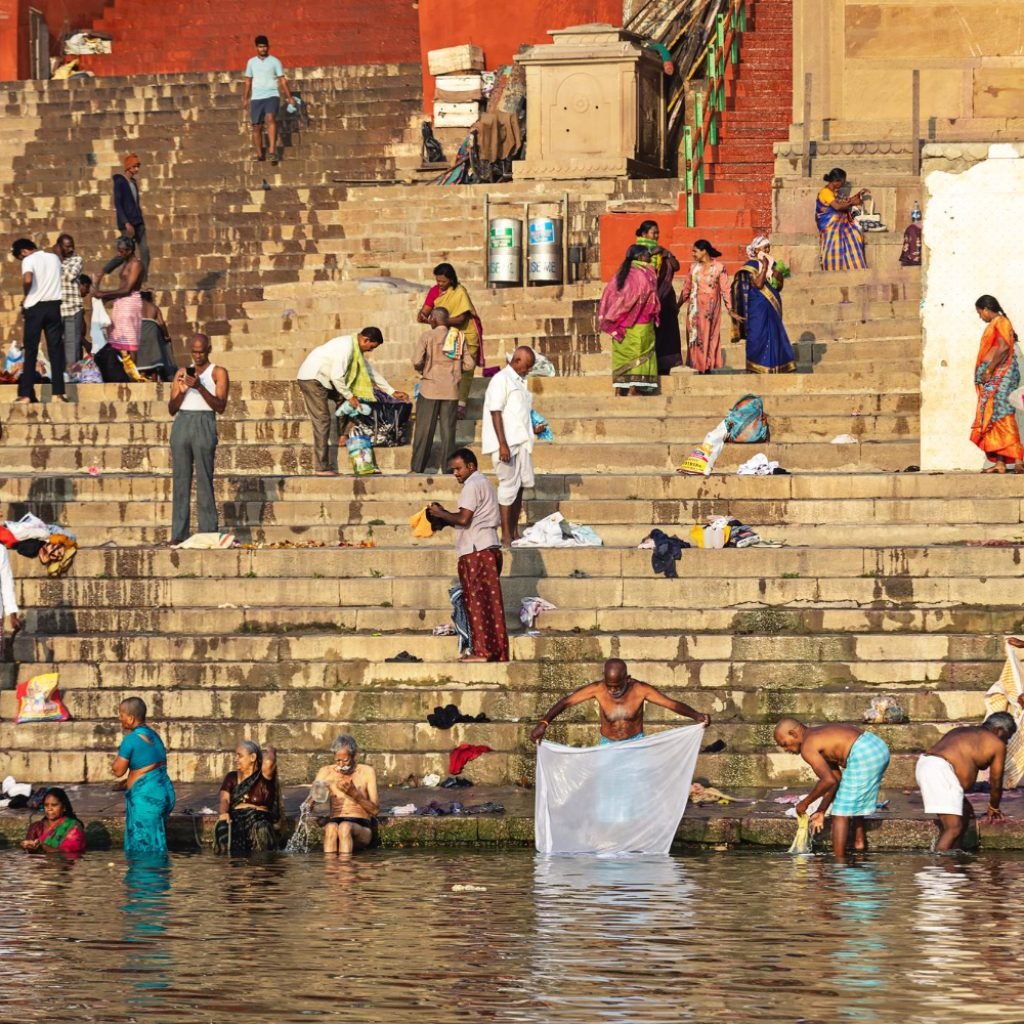
Varanasi as a city of continuous civilization
Travel often reveals what textbooks cannot. Walking through cities where dynasties, colonies, and modern states overlap physically exposes the inadequacy of linear explanation. The past is not behind. It is underfoot.
Asia’s history is harder to explain because it demands a different philosophy of history. One that values continuity over rupture, coexistence over replacement, and memory over narrative.
This difficulty is not a flaw. It is a reminder that history is not universal in structure. It is shaped by how societies remember, forget, and survive.
Asia does not offer a single story. It offers many at once.

Comment (0)