

The Cold War is often remembered as a restrained conflict defined by nuclear deterrence, ideological rivalry, and political tension without direct confrontation between superpowers. This image is misleading. The Cold War was only “cold” in places where stability already existed. In Asia, it was devastatingly hot. Tens of millions died, entire societies were destroyed, and conflicts continued for decades after the superpowers moved on.
The reason the Cold War became so violent in Asia lies not in ideology alone, but in history. Asia entered the Cold War already fractured by colonialism, war, and unresolved national questions. Ideology did not create violence. It poured fuel onto conflicts that already existed.
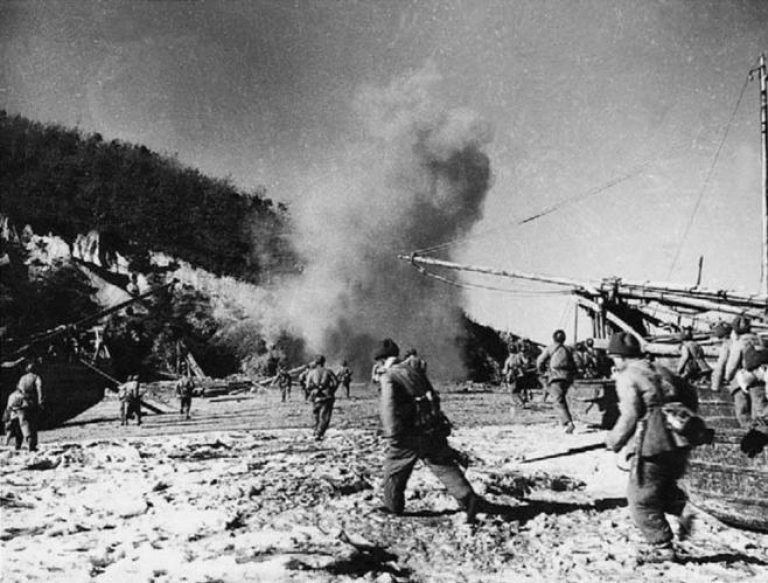
The People’s Volunteer Army disembarks on a western Korean island under the cover of artillery and machine guns
By 1945, Asia was not rebuilding. It was collapsing and reforming simultaneously. European empires were retreating, but they left behind no stable replacements. Borders were artificial. Institutions were weak. National identities were contested. Into this chaos arrived two global ideologies that demanded absolute loyalty and tolerated no neutrality.
Decolonization created power vacuums across Asia. In theory, independence promised self-determination. In practice, it unleashed competition over who would control the postcolonial state. Elites, guerrillas, warlords, and revolutionaries fought not only foreign powers, but each other. The Cold War transformed these struggles into global stakes.
Civil wars became ideological battlegrounds. Local grievances were reframed as existential struggles between communism and capitalism. This reframing justified unlimited violence. Compromise became betrayal. Negotiation became weakness. Victory had to be total.
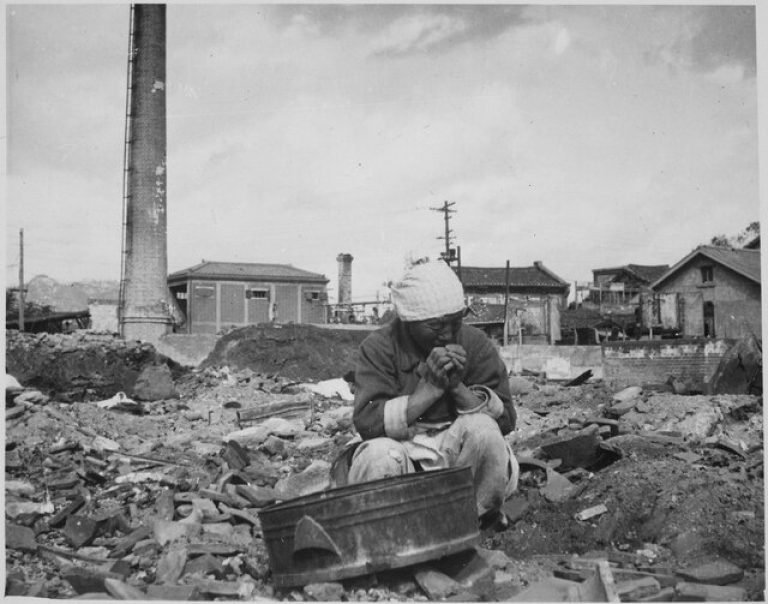
Ruins from the Korean War
The Korean Peninsula illustrates this transformation with brutal clarity. Korea emerged from Japanese rule divided, traumatized, and unprepared for unity. Competing regimes claimed legitimacy. When war broke out, it escalated rapidly because neither side believed coexistence was possible. External powers intervened decisively. The result was mass civilian death and a permanent division.
In Korean Peninsula, the Cold War established a template. Proxy war would not be limited war. It would be total war fought on behalf of distant powers but paid for by local populations.
Vietnam followed the same logic, but with even greater intensity. Anti-colonial struggle merged seamlessly into ideological conflict. What began as resistance against French rule transformed into a prolonged confrontation involving the United States, China, and the Soviet Union. Escalation replaced strategy. Bombing replaced negotiation. Victory became symbolic rather than practical.
The violence in Vietnam was not accidental. It was structurally incentivized. Superpowers supplied weapons, funding, and legitimacy. Local actors supplied manpower and suffering. The war persisted because neither ideology allowed retreat without humiliation.
China’s revolution further intensified Cold War violence in Asia. The victory of the Chinese Communist Party was not simply a regime change. It was a civilizational rupture. Revolution became permanent mobilization. Conflict was normalized as moral purification. War was framed as necessary for historical progress.
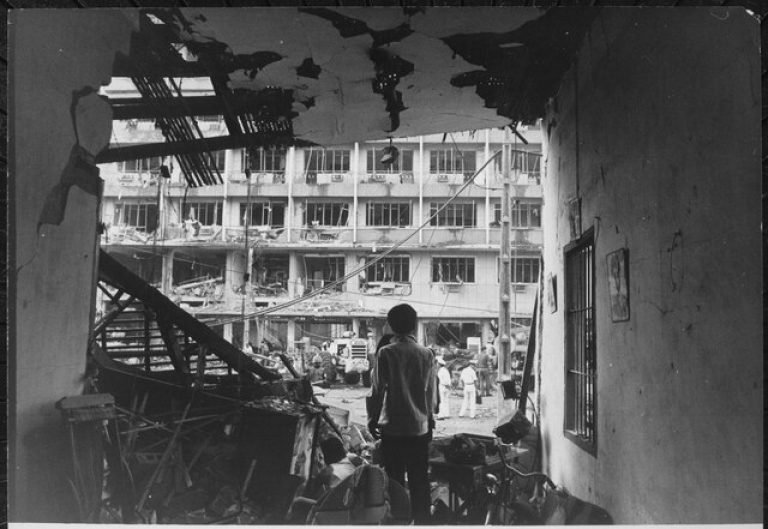
Aftermath of bombing during the Vietnam War
The existence of People’s Republic of China altered strategic calculations across Asia. Neighboring conflicts became existential threats. Neutrality disappeared. Alignment became compulsory.
Unlike Europe, Asia lacked stabilizing institutions. Europe had functioning states, clear borders, and the memory of mutual destruction that encouraged restraint. Asia had none of these. Violence did not threaten collapse. Collapse had already happened.
Europe also benefited from reconstruction and integration. Economic recovery created incentives for peace. In Asia, development often followed war rather than preventing it. Growth was uneven. Poverty fueled recruitment. Trauma perpetuated cycles of violence.
Colonial legacies worsened everything. Borders drawn for imperial convenience cut through ethnic, linguistic, and historical realities. Cold War powers inherited these borders and enforced them violently. Conflicts that might have remained local were internationalized.
The Cold War rewarded hardliners. Leaders who promised total victory received support. Moderates were marginalized. Societies polarized. Fear replaced trust. Violence became self-sustaining.
Places like Hanoi, Pyongyang, and Beijing became symbols of ideological endurance rather than human cost. Memory was subordinated to narrative.
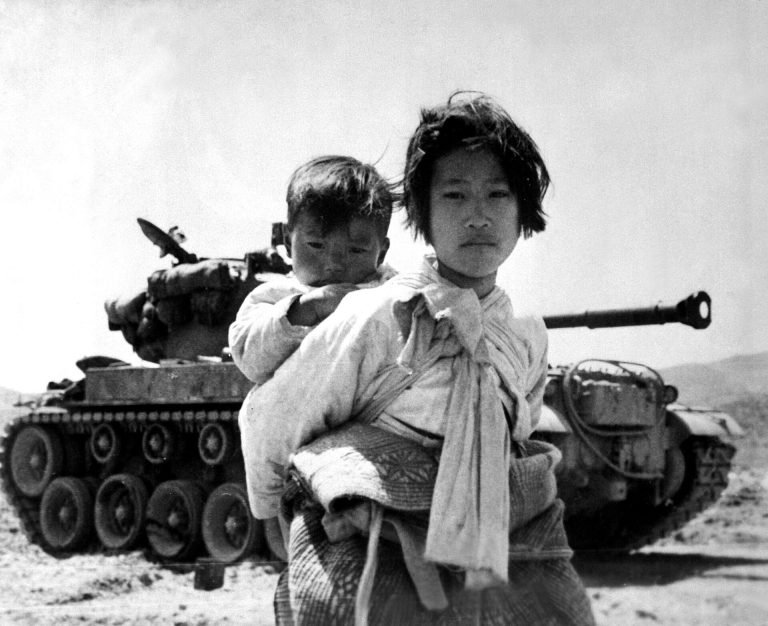
The Cold War raged across Asia.
The Cold War in Asia did not end cleanly. Armistices replaced peace treaties. Divisions hardened. Trauma was institutionalized. Even today, its effects remain visible in borders, militarization, and unresolved conflicts.
Asia’s Cold War was violent because it arrived too early and lasted too long. It intersected with decolonization, nation-building, and identity formation. It demanded choices before societies were ready to make them.
The Cold War did not simply happen in Asia. It reshaped Asia permanently.
Understanding this violence is essential not to assign blame, but to recognize how global ideologies can destroy fragile societies when history is ignored.
The Cold War in Asia was not an aberration. It was a warning.
Comment (0)