

In many parts of the world, World War II belongs firmly to the past. It is remembered through museums, anniversaries, and carefully framed narratives of victory, defeat, and reconstruction. In Asia, the war never fully settled into history. It remains active, unresolved, and politically alive. Borders, identities, grievances, and silences across the region still trace their origins directly to the war’s unfinished end.
World War II did not conclude in Asia the way it did in Europe. In Europe, defeat was followed by occupation, trials, reconstruction, and integration. In Asia, surrender was followed almost immediately by revolution, civil war, decolonization, and Cold War division. The war ended, but conflict did not. Memory was never allowed to stabilize.
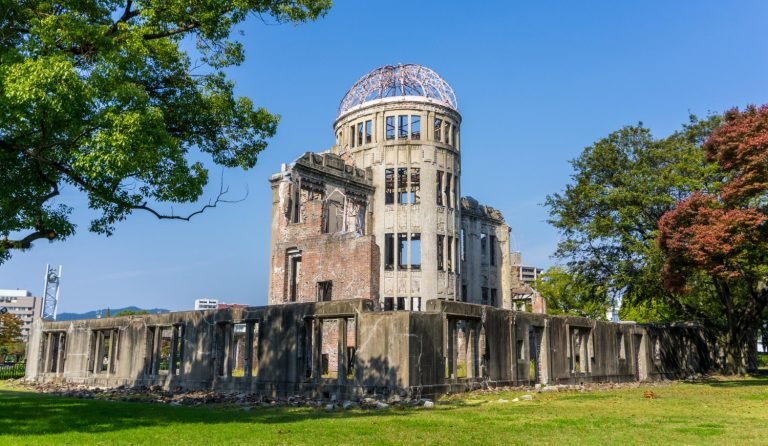
Hiroshima Peace Memorial Dome symbolizing atomic destruction
Asia experienced total war without closure. Cities were erased. Civilians were targeted. Empires collapsed abruptly, leaving power vacuums instead of transitions. For many societies, World War II did not feel like an ending. It felt like an interruption that led directly into something else.
The collapse of empire is central to this unresolved legacy. Japanese imperial rule stretched across East and Southeast Asia. When it ended in 1945, it did not restore a previous order. It exposed how deeply colonial systems had reshaped societies. Independence arrived alongside chaos. Old elites disappeared. New regimes emerged violently.
In Seoul, liberation from Japanese rule was followed almost immediately by division and war. The trauma of occupation blended into the trauma of civil conflict. World War II did not become a memory. It became a prelude.
In Hanoi, the end of Japanese occupation fed directly into anti-colonial struggle and ideological war. The war against empire never truly stopped. It changed enemies.
In Beijing, the war against Japan merged with civil war. Victory over occupation did not bring peace. It brought revolution. World War II reshaped China not as a concluded chapter, but as a catalyst.
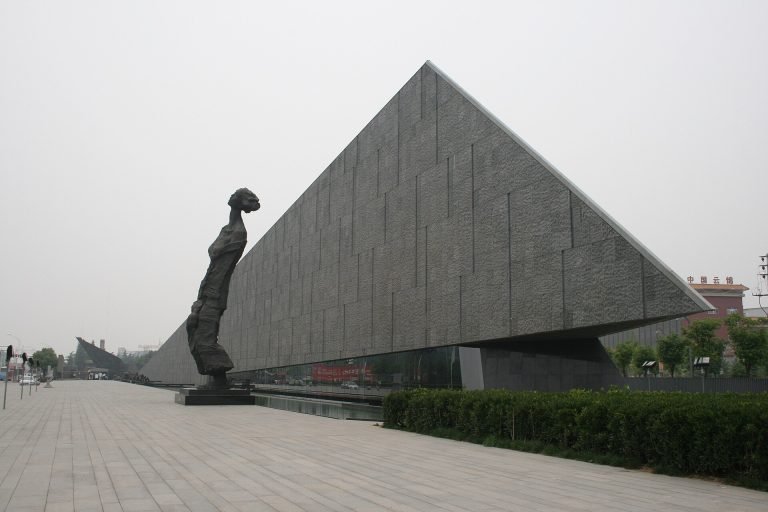
Nanjing Massacre Memorial representing unresolved war memory
Borders drawn during and after the war remain among the most volatile in the world. The Korean Peninsula, Taiwan Strait, South China Sea, and parts of Southeast Asia all carry unresolved questions rooted in wartime decisions. These borders were not negotiated calmly. They were imposed quickly to prevent further chaos. Their legitimacy was never fully accepted.
World War II also left Asia with trauma without resolution. In Europe, accountability mechanisms, however imperfect, created narrative closure. In Asia, justice was uneven. Some crimes were prosecuted. Many were ignored. Others were politicized. Memory became fragmented along national lines.
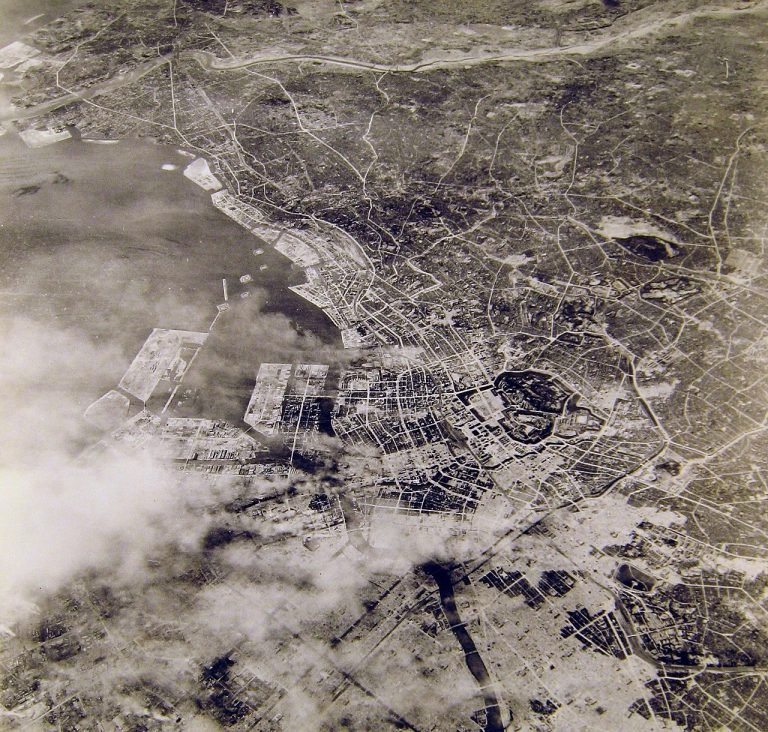
Historical remains of Tokyo firebombing
In Nanjing, remembrance remains intense because acknowledgment remains contested. Memory fills the space where justice failed. In Hiroshima, memory is shaped by restraint and silence, emphasizing peace over accusation. Different approaches coexist uneasily.
Silence is one of World War II’s most powerful legacies in Asia. Many survivors did not speak. Families protected children by withholding stories. Nations avoided full confrontation with their pasts to preserve fragile stability. Silence became survival.
This silence does not mean forgetting. It means carrying trauma internally. World War II appears in behavior, work ethic, discipline, nationalism, and anxiety rather than in open dialogue. The war shaped how societies learned to endure.
Cities across Asia are built on unfinished history. Modern skylines rise over battlefields, camps, and ruins. In Tokyo, wartime destruction was almost entirely erased physically, but not psychologically. In Kanchanaburi, quiet landscapes conceal immense suffering.
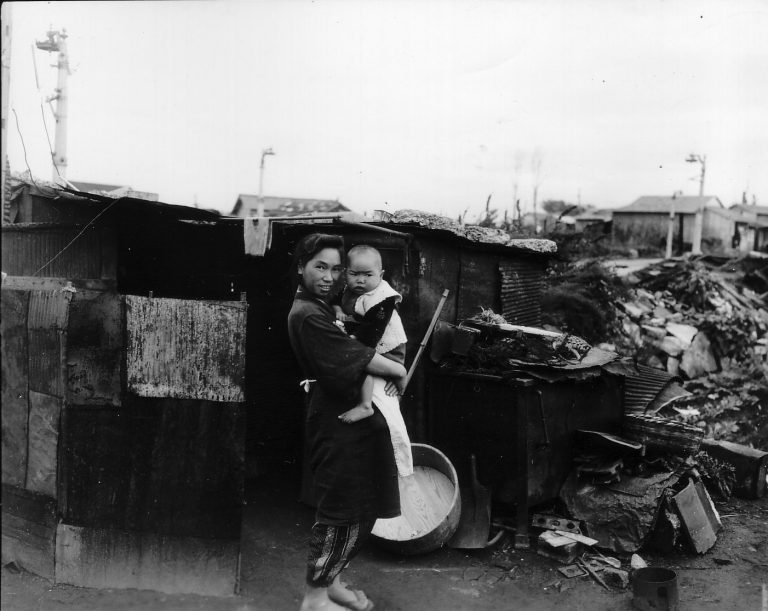
Woman and child outside bombed home
World War II still matters because it structured Asia’s modern world. It determined which states exist, which ideologies dominate, and which conflicts remain frozen. It taught governments the cost of weakness and the danger of restraint. It shaped national myths and fears.
Europe moved on because it could integrate memory into institutions. Asia could not because the war dismantled the institutions themselves. New states were built on unstable foundations. Survival took priority over reflection.
This unresolved past explains why World War II continues to surface in Asian diplomacy, education, and popular culture. Apologies are debated. Memorials are contested. History textbooks become political battlegrounds. The war is not history. It is leverage.
World War II still matters in Asia because it never became a shared story. Each nation remembers differently. Each memory competes with another. Without a common narrative, the past remains present.
Understanding Asia today requires understanding this unfinished war. It explains why trauma feels inherited, why borders feel fragile, and why history is never neutral.
World War II is not over in Asia because its consequences were never resolved. They were carried forward.
Comment (0)