

In many parts of the world, memory is treated as a cultural matter. It belongs to museums, education, and personal reflection. In Asia, memory operates differently. It is political, contested, and powerful. Memory shapes diplomacy, legitimizes governments, and sustains unresolved conflicts. The past is not simply remembered. It is actively managed.
Memory is political in Asia because history never fully settled. Wars ended without resolution. Colonialism collapsed without accountability. States were built before trauma could be processed. Memory stepped in where law, justice, and reconciliation failed.
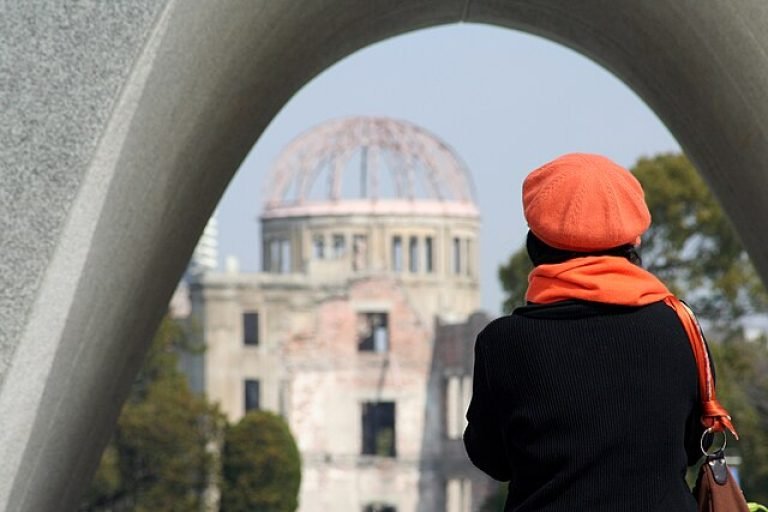
Hiroshima Peace Memorial Dome representing atomic memory
Asia learned early that survival often depended not only on strength, but on controlling narrative. Empires rose and fell, but memory determined legitimacy. Who suffered, who resisted, who collaborated, and who endured became questions of power.
Unlike Europe, Asia did not experience a continent-wide reckoning after its most destructive wars. World War II ended, but it immediately bled into civil wars, revolutions, and Cold War division. There was no stable pause to examine the past. Memory remained raw.
In Nanjing, memory is not historical abstraction. It is moral evidence. Remembrance exists because acknowledgment elsewhere feels insufficient. The city carries the burden of proof, not closure.
In Hiroshima, memory is framed around universal suffering and peace. This framing is sincere, but it also avoids reopening questions that could destabilize national identity. Silence becomes protection.
These approaches collide. One demands recognition. The other seeks transcendence. Memory becomes geopolitical.
Colonialism intensified the politicization of memory. Asian societies did not control how their histories were recorded. Colonial powers framed resistance as disorder and dominance as progress. After independence, reclaiming memory became an act of sovereignty.
But memory could not be reclaimed whole. New states faced urgent survival challenges. Economic collapse, internal division, and external pressure forced difficult choices. Remembering everything was impossible. Forgetting became strategic.
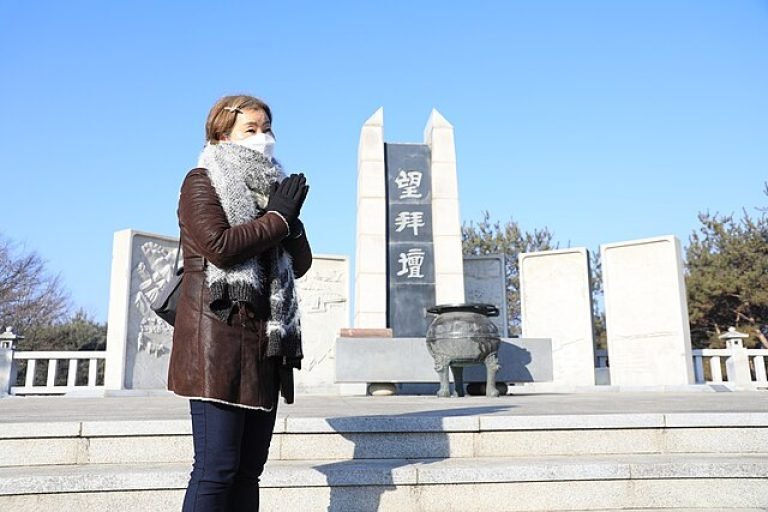
Memorials near the Korean DMZ
In Seoul, colonial memory overlaps with Cold War trauma. Liberation from Japan did not bring peace. It brought division and war. Memory here is inseparable from injustice. Forgetting feels like betrayal.
In contrast, much of Southeast Asia adopted silence. Japanese occupation was brutal, but independence struggles demanded unity. Public memory was softened to prevent reopening wounds that could fracture fragile states.
In Vietnam, war memory is officially victorious but privately heavy. The state narrates triumph. Families remember loss. Memory splits between public and personal spheres.
Memory is political because it replaces treaties that were never signed. The Korean War ended with an armistice, not peace. The war remains officially unresolved. Memory fills the gap where law should stand.
On the Korean Peninsula, memory justifies militarization, authority, and vigilance. Ending the war would require confronting unresolved legitimacy on both sides. Memory sustains the status quo.
States also use memory to educate loyalty. Textbooks, memorials, and anniversaries shape collective identity. What is emphasized or omitted teaches citizens how to see the nation and its enemies.
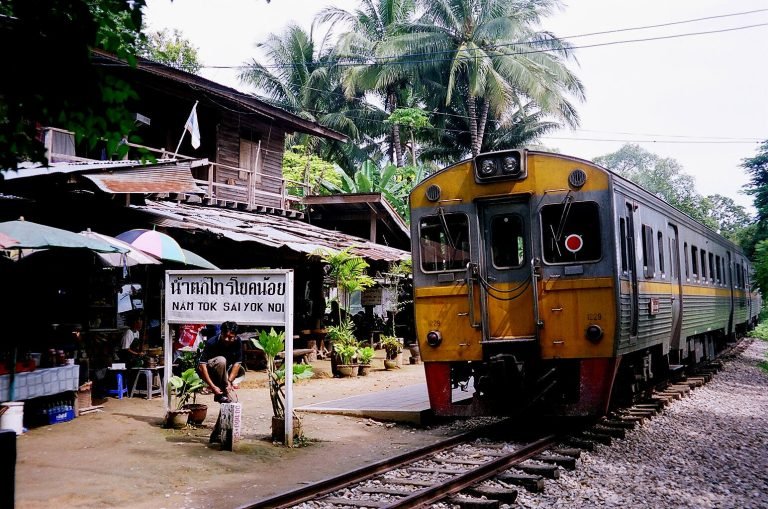
Kanchanaburi Death Railway landscape hiding wartime trauma
This is why historical disputes in Asia feel endless. Apologies are debated not because words lack meaning, but because memory carries political weight. Accepting one narrative often threatens another.
Memory is also personal. Many Asian families carry trauma without language. Silence protected survival. Speaking too openly once carried risk. This silence did not erase memory. It internalized it.
Asian cities reflect this layered remembering. In Tokyo, the physical scars of war were erased, but psychological ones remain. In Kanchanaburi, tranquil landscapes conceal immense suffering.
Memory becomes political when forgetting feels dangerous and remembering feels destabilizing. Asia lives within this tension daily.
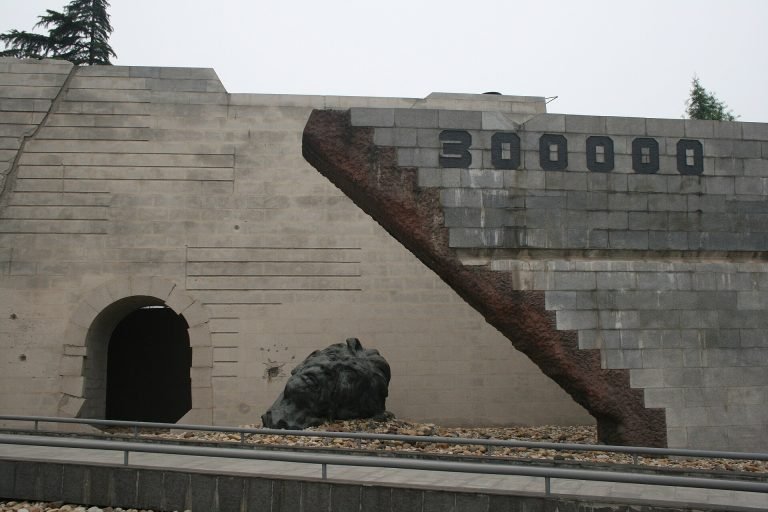
Nanjing Massacre Memorial symbolizing unresolved justice
The cost of politicized memory is high. It fuels nationalism, resentment, and diplomatic deadlock. But forgetting carries its own cost. It risks repeating trauma without understanding it.
Memory is political in Asia because it is unfinished work. It stands in for justice that never arrived and conversations that were postponed for survival.
Asia does not argue over memory because it is obsessed with the past. It argues because the past was never resolved.
Until history is given space to breathe, memory will continue to govern politics.
Comment (0)