

Few cities carry the emotional weight that Nanjing does in modern Chinese consciousness. It is remembered not only as a site of mass violence, but as a moral anchor for how China understands its twentieth-century trauma. While World War II devastated many cities across Asia, Nanjing occupies a singular place because its suffering was documented, contested, denied, and repeatedly recalled. The city does not represent one tragedy among many. It represents a turning point in how war, memory, and national identity became inseparable.
Nanjing’s role in Chinese history long predates World War II. It served as a capital multiple times across imperial dynasties, symbolizing political authority and cultural continuity. This legacy made its fall in 1937 more than a military defeat. It was perceived as the collapse of order itself.
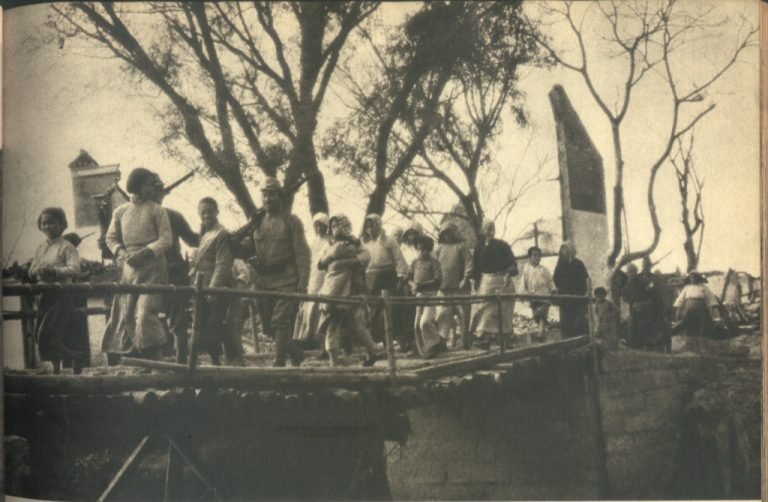
Japanese soldiers escorting Chinese farmers from their fields to home
When Japanese forces captured Nanjing, the violence that followed exceeded the boundaries of conventional warfare. Civilians were targeted systematically. Killing was public, prolonged, and often ritualized. The destruction was not only physical. It was psychological and symbolic. The city was meant to break morale.
In Nanjing, violence unfolded over weeks rather than days. Survivors lived alongside death. Families were destroyed in front of one another. The absence of restraint left a scar that never healed.
What distinguishes Nanjing is not only the scale of violence, but the presence of witnesses. Foreign missionaries, journalists, and diplomats recorded what they saw. Their accounts contradicted later attempts to minimize or deny the events. Documentation transformed memory into evidence.
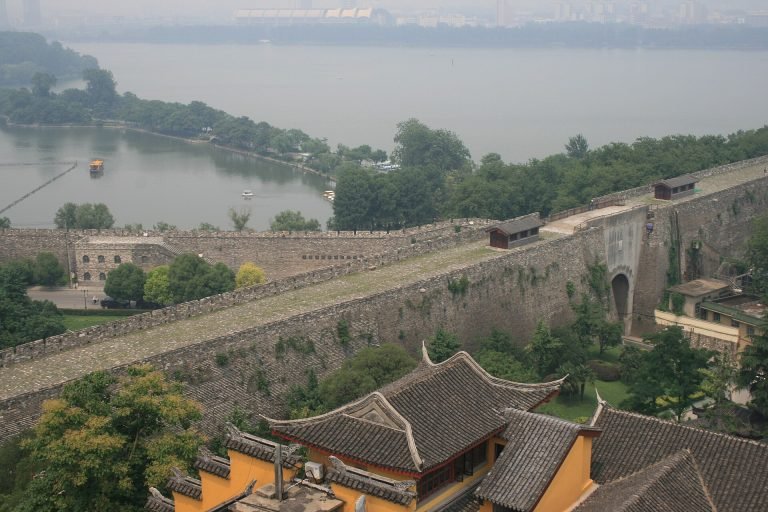
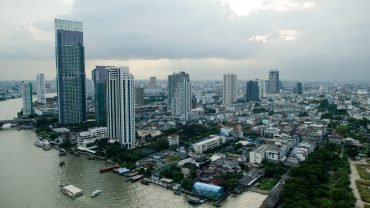
Modern Nanjing cityscape alongside remembrance spaces
After 1945, Nanjing did not receive closure. There was no comprehensive reckoning that settled responsibility in the region. Trials addressed some crimes, but geopolitical priorities quickly shifted. The Chinese Civil War and the founding of the People’s Republic of China reframed historical memory.
For decades, Nanjing’s trauma existed quietly. Survival took precedence over commemoration. Families carried memory privately. Public discussion remained limited. Silence did not erase memory. It preserved it.
As China stabilized and reasserted itself, Nanjing’s story reemerged. It became a symbol of national suffering and resistance. Memory served a dual function. It honored victims and reinforced collective identity. Remembering Nanjing was remembering vulnerability, endurance, and injustice.
Unlike Hiroshima, which emphasizes universal suffering and peace, Nanjing emphasizes accountability and recognition. The city’s memorial culture insists that the violence be named. This insistence is not about vengeance. It is about acknowledgment.
Memory became especially important because denial persisted elsewhere. When suffering is questioned, memory hardens. Nanjing stands as counterweight to forgetting. The city bears witness not only to violence, but to the danger of erasure.
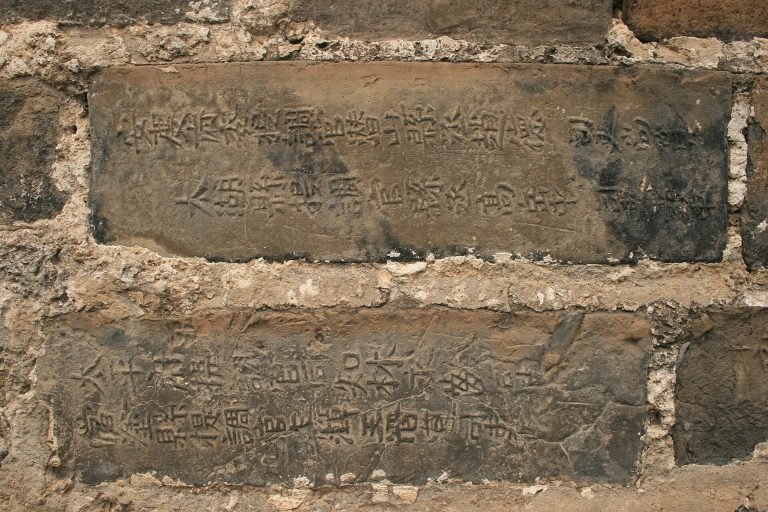
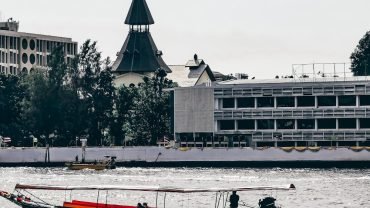
Historic city walls of Nanjing symbolizing continuity
Education plays a critical role. Nanjing is taught not merely as history, but as moral lesson. The massacre is framed as evidence of why vigilance matters. War memory shapes how generations understand sovereignty and threat.
This does not mean memory is static. Interpretation evolves. Emphasis shifts. But the core remains. Nanjing is not interchangeable with other sites of suffering. It anchors Chinese war memory because it encapsulates the moment when innocence ended.
The city’s modern landscape reflects this tension. Rapid development coexists with solemn memorials. Life continues, but remembrance interrupts. Memory is not confined to museums. It permeates civic identity.
In international relations, Nanjing remains sensitive because it represents unresolved questions. Apologies are measured against acknowledgment. Silence is interpreted as denial. The past intrudes into diplomacy.
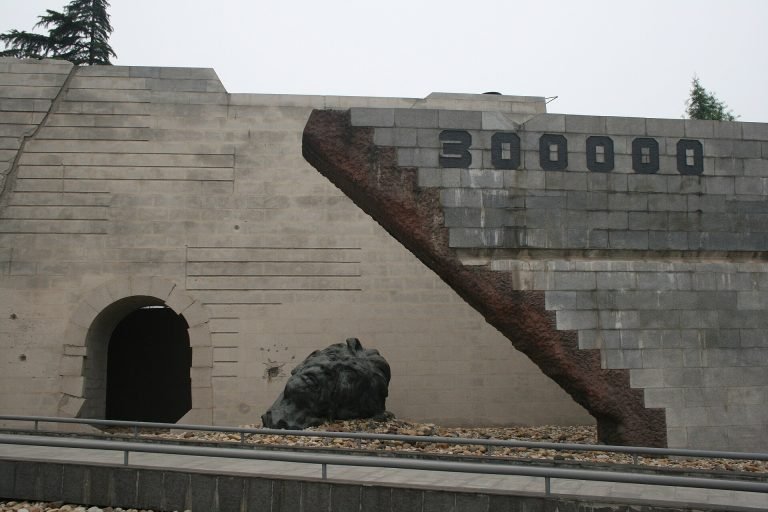
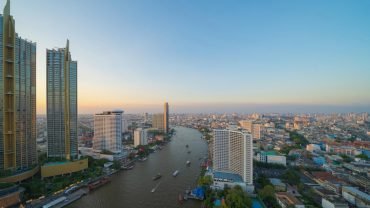
Nanjing Massacre Memorial Hall honoring victims
Travelers often encounter Nanjing through its memorials, but the city itself communicates memory through restraint. The tone is sober rather than theatrical. The weight of history is present without spectacle.
Nanjing defines Chinese war memory because it concentrates multiple truths. It shows how civilians suffer when restraint collapses. It reveals how memory survives suppression. It demonstrates how history becomes identity.
The city is not trapped in the past. It carries the past forward. Memory here is not obsession. It is foundation.
Nanjing matters because forgetting it would mean misunderstanding modern China. The city stands as reminder that history unresolved does not fade. It endures.
Comment (0)