

Independence is often imagined as an ending. The end of foreign rule. The end of exploitation. The beginning of sovereignty and peace. In Asia, independence rarely followed this script. For many societies, the moment colonial flags were lowered marked not calm, but escalation. Violence did not disappear. It transformed.
Across Asia, independence coincided with civil war, partition, revolution, and military rule. The promise of self-determination collided with inherited instability. New states emerged before nations had time to form shared identities. Colonialism ended, but its structures remained embedded in politics, borders, and institutions.
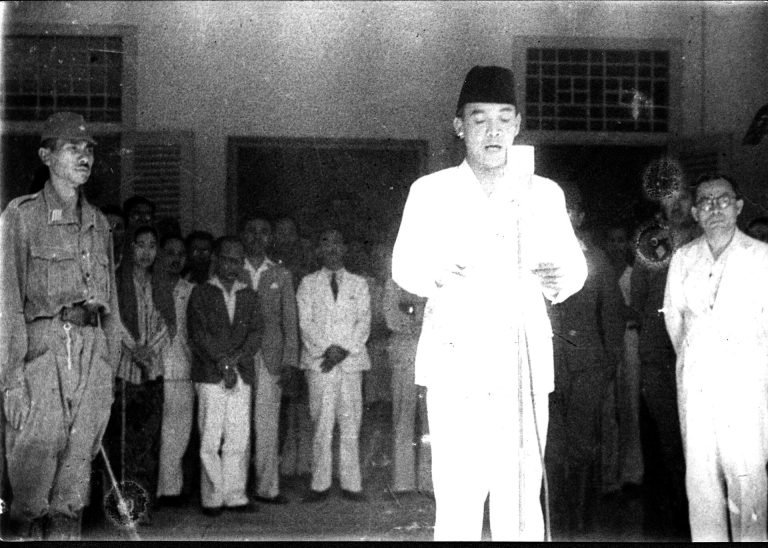
Indonesia declaration of independence
Asian independence movements were born in resistance. They learned to organize through struggle rather than compromise. This legacy mattered deeply after independence. When external enemies vanished, internal divisions surfaced.
Colonial powers rarely prepared their territories for self-rule. Institutions were designed to extract resources, not to mediate conflict. Administration prioritized order over representation. When colonial authority collapsed, there were few mechanisms to manage disagreement peacefully.
In India, independence arrived alongside partition. Borders were drawn hastily, dividing communities overnight. Millions were displaced. Violence followed not because independence failed, but because it arrived without reconciliation or preparation.
In Indonesia, liberation from Dutch rule led to years of internal struggle. Competing visions of the nation clashed. Regional rebellions, ideological conflict, and military consolidation replaced colonial domination with domestic coercion.
Many Asian states were born with borders that made conflict inevitable. Colonial lines grouped diverse peoples into single political units without shared historical identity. Independence froze these borders rather than resolving them. The result was states that existed legally but lacked internal consensus.
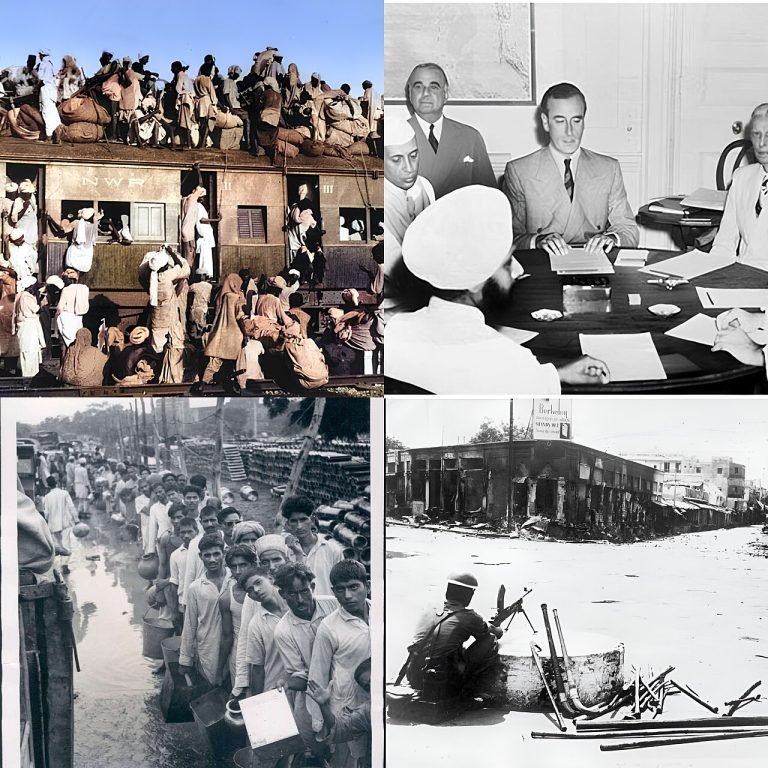
Refugees during the Partition of India
In Southeast Asia, new nations inherited artificial boundaries that cut across ethnic, religious, and cultural landscapes. Loyalty to the state competed with loyalty to community. Violence became a method of integration.
Civil wars became common because independence did not answer fundamental questions. Who belonged? Who governed? Whose history mattered? These questions were postponed under colonial rule and exploded afterward.
Cold War intervention magnified instability. Newly independent Asian states became battlegrounds for ideological competition. External powers supported factions, armed militias, and hardened divisions. Local conflicts gained global stakes.
In Vietnam, independence merged with prolonged war. Anti-colonial struggle became civil conflict and proxy war. Victory did not bring peace. It brought exhaustion and silence.
In Korean Peninsula, liberation from Japanese rule produced division rather than unity. External powers imposed competing systems. War followed almost immediately. Independence became conditional.
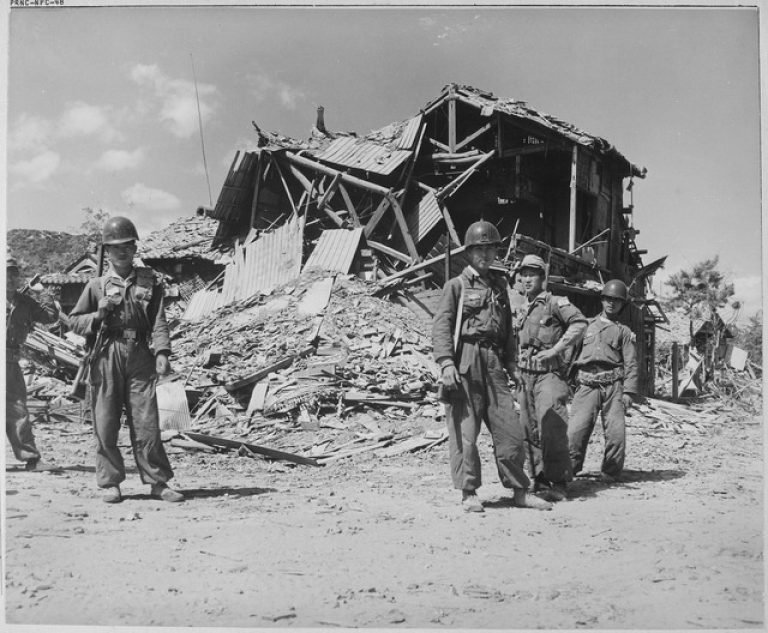
Ruins from the Korean War
Unlike Europe, Asia did not experience independence alongside reconstruction and integration. Europe rebuilt under shared frameworks and external support. Asia faced independence amid scarcity, division, and pressure.
Violence often replaced negotiation because legitimacy was fragile. Governments relied on force to consolidate authority. Opposition was framed as threat rather than dialogue. War became a tool of state formation.
Everyday life after independence reflected this tension. Military presence normalized. Emergency laws persisted. Development was framed as defense. Peace became something postponed for stability.
In Jakarta, Hanoi, and Karachi, independence reshaped urban life around security and control rather than reconciliation.
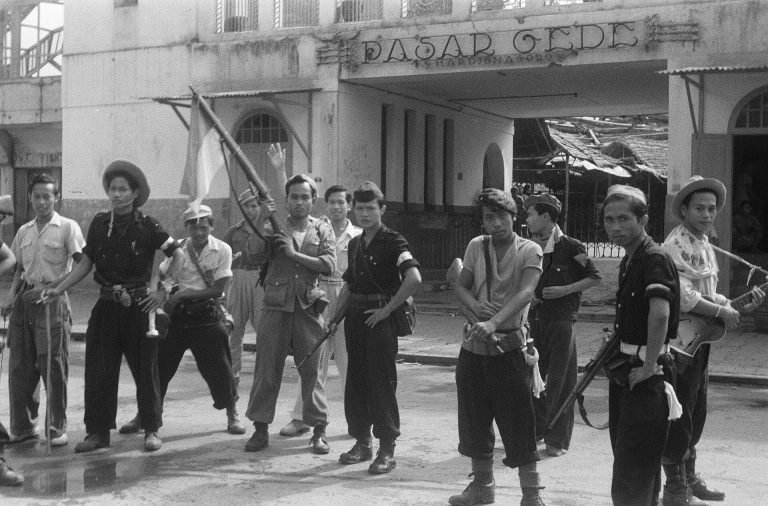
Indonesian fighters during independence struggle
Independence did not mean peace in Asia because independence arrived before healing. Colonial wounds were deep. Identities were unresolved. Borders were artificial. External pressures were relentless.
Peace requires more than sovereignty. It requires institutions, trust, and shared memory. Asia inherited sovereignty without these foundations.
The wars that followed independence were not failures of freedom. They were consequences of its timing and conditions.
Asia’s postcolonial conflicts remind us that liberation is not an endpoint. It is a beginning that demands patience, negotiation, and time.
In many parts of Asia, that time never arrived.

Comment (0)