

In much of the modern world, freedom is framed as the highest moral good. Political systems, economic models, and cultural narratives place the individual at the center of meaning. Rights precede obligations. Choice defines dignity. This framework feels natural to societies shaped by Enlightenment philosophy and liberal political history. In much of Asia, however, freedom has never occupied the same position. Duty often comes first.
This difference is frequently misunderstood. It is described as authoritarianism, passivity, or cultural backwardness. In reality, it reflects a different historical logic shaped by geography, population density, social organization, and long cycles of survival. Duty did not suppress freedom in Asia. It made survival possible long before freedom could be imagined as an abstract right.

Multi-generation Asian family emphasizing duty
Freedom is not a universal concept with a single meaning. It emerges from historical conditions. In societies where land was abundant and populations sparse, individuals could afford autonomy. In societies where people lived densely, depended on one another, and faced recurring scarcity, freedom without duty threatened collapse.
Much of Asia developed under conditions that demanded coordination rather than individual assertion. Agriculture required synchronized labor. Irrigation systems required cooperation. Villages functioned as collective units. Survival depended less on personal expression than on reliability.
Before the modern era, much of Asia did not organize life around the individual as an autonomous moral unit. Identity was relational. A person existed as a child, sibling, subject, or ancestor. Moral worth was measured by fulfillment of role rather than assertion of self.
In East Asia, family and hierarchy structured daily life. In Southeast Asia, communal labor and reciprocal obligation shaped village economies. Across South Asia, caste, kinship, and duty defined social order long before modern citizenship existed.
These systems were not inherently oppressive. They were adaptive. They minimized conflict, distributed risk, and ensured continuity. Duty functioned as a social technology that allowed large populations to coexist without constant coercion.

Confucian education and moral hierarchy
Confucian philosophy formalized this logic. Moral life was structured around obligation. A ruler owed benevolence. A subject owed loyalty. A parent owed care. A child owed respect. Freedom existed, but it was secondary to harmony. Order preceded rights.
In China, Confucian ethics shaped governance for centuries. The state was imagined as an extension of the family. Moral behavior stabilized society more effectively than law alone. Duty was internalized rather than enforced.
In Korea, Confucian hierarchy regulated education, family structure, and bureaucracy. Personal desire was disciplined not by fear, but by expectation.
In Japan, duty evolved into concepts of loyalty and honor that bound individuals to institutions. Obligation was not imposed externally. It was absorbed into identity.
Empires reinforced this orientation. Asian empires governed through moral legitimacy and reciprocal obligation rather than constant surveillance. Subjects complied because order benefited all. Duty connected personal behavior to collective stability.
Colonialism intensified this dynamic rather than dismantling it. Under foreign rule, survival required discipline. Speaking freely could invite punishment. Cooperation within the group became essential. Duty turned inward, protecting community from external domination.
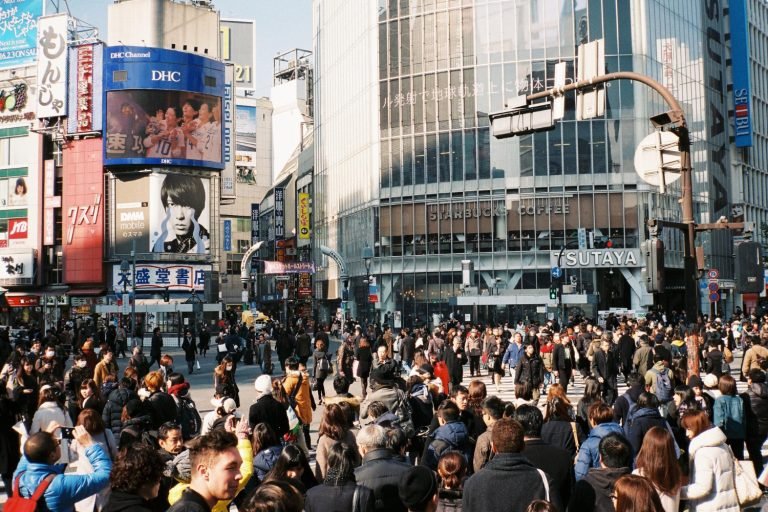
Crowded Tokyo commute reflecting collective order
In Taiwan, colonial administration reinforced obedience and hierarchy. In Vietnam, resistance depended on collective discipline more than individual heroism.
War further entrenched duty. Twentieth-century Asia endured invasion, famine, and displacement on a massive scale. Survival required sacrifice. Freedom without responsibility became dangerous.
In Korean Peninsula, war normalized obedience and mobilization. In Cambodia, trauma made social order fragile, elevating collective responsibility above individual assertion.
Modernization did not erase this structure. Economic growth increased choice, but duty remained embedded. Education systems rewarded conformity. Work cultures emphasized loyalty. Social shame enforced discipline more efficiently than law.
In Tokyo, Seoul, and Singapore, individual freedom exists within strong expectations of responsibility. Social order is maintained not by force, but by internalized obligation.
Western observers often misread this as suppression. They overlook the tradeoff. Duty provides predictability. It reduces social friction. It allows millions to share limited space without chaos.
Freedom is not absent in Asia. It is contextual. It exists within relationships rather than above them. Choice is exercised with awareness of consequence. Autonomy is negotiated, not absolute.
This does not mean Asia rejects individual rights. It means rights arrived later, layered atop older systems of obligation. Where Western societies moved from freedom to responsibility, Asia moved from responsibility to selective freedom.
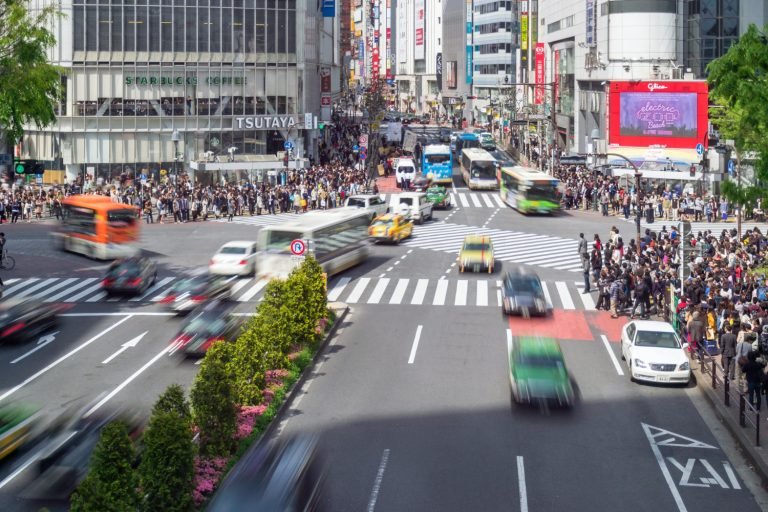
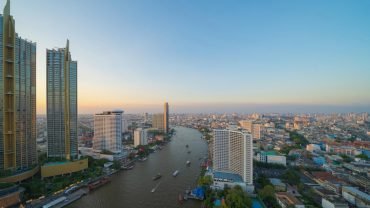
Urban life in Asia shaped by social responsibility
Understanding this difference matters. It explains political culture, workplace norms, family expectations, and even digital behavior across Asia. It explains why protests look different. Why silence is sometimes strategic. Why conformity is not always fear-based.
Duty comes before individual freedom in Asia because history demanded it. Dense populations, recurring trauma, imperial governance, and collective survival shaped moral priorities long before abstract liberty became feasible.
This is not a failure to modernize. It is a different path through history.
Asia’s future will not abandon duty. It will renegotiate it. Freedom will expand, but obligation will remain.
Because in much of Asia, freedom without duty has never been sustainable.
Comment (0)