

In many parts of the world, battlefields are preserved. They are fenced, marked, and remembered as separate from daily life. In much of Asia, battlefields were never allowed to remain empty. They became cities. Markets, schools, highways, and apartment blocks rose where armies once clashed. Life returned not after remembrance, but instead of it.
Asia’s modern cities are often built directly over war. Not metaphorically, but physically. Streets follow old military supply routes. Residential neighborhoods occupy former trenches. Office towers stand where bombs once fell. The ground beneath daily life carries unresolved violence.
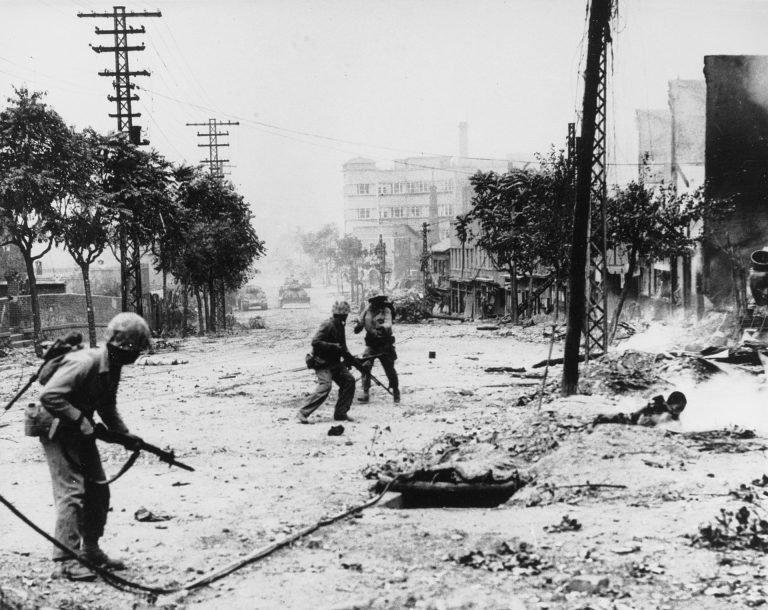
Seoul rebuilt over Korean War battle zones
This is not accidental. Asia’s twentieth century unfolded through continuous conflict. Colonial conquest, world war, civil war, revolution, and Cold War confrontation overlapped with little pause. There was rarely time to separate war from rebuilding. Survival demanded immediacy.
War did not leave the land. It stayed embedded within it.
Asia is a geography shaped by repeated conflict rather than isolated wars. Entire regions experienced violence as a recurring condition rather than a temporary disruption. When fighting stopped in one form, it resumed in another. Cities expanded not after peace, but during fragile ceasefires and political uncertainty.
In East Asia, Southeast Asia, and South Asia, urban growth followed conflict closely. Land was scarce. Populations displaced by war needed shelter immediately. Clearing battlefields for memorialization was a luxury few societies could afford.
Many Asian cities never had time to mourn. Reconstruction began before grief could surface. Ruins were cleared not to erase memory, but to allow survival. Silence replaced commemoration.
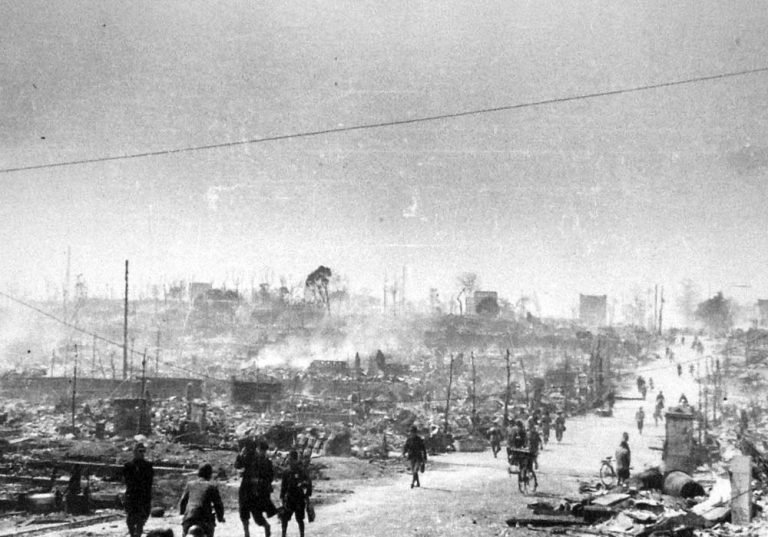
Bombing of Tokyo
In Seoul, entire districts were rebuilt over Korean War devastation. Hills that once hosted artillery positions became residential neighborhoods. Subway lines cut through former defensive zones. Daily commutes cross invisible front lines.
In Hanoi, lakes and parks sit beside areas once targeted by air raids. The city absorbed war into its geography without formal separation. Children play where shelters once stood.
In Tokyo, postwar reconstruction erased most visible ruins, but the urban grid still reflects wartime adaptation. Narrow streets, firebreaks, and decentralized neighborhoods emerged from survival logic rather than aesthetic planning.
Reconstruction in Asia prioritized function over closure. Housing mattered more than memory. Infrastructure mattered more than mourning. War was treated as something to move past quickly, even if it was never resolved emotionally.
Streets that once served as front lines became commercial arteries. Markets emerged where supply depots stood. Schools replaced barracks. The city moved forward without formally acknowledging what lay beneath.
Homes were built on silence. Families settled on land without knowing its history, or knowing but choosing not to ask. Silence became a protective layer between the present and the past.
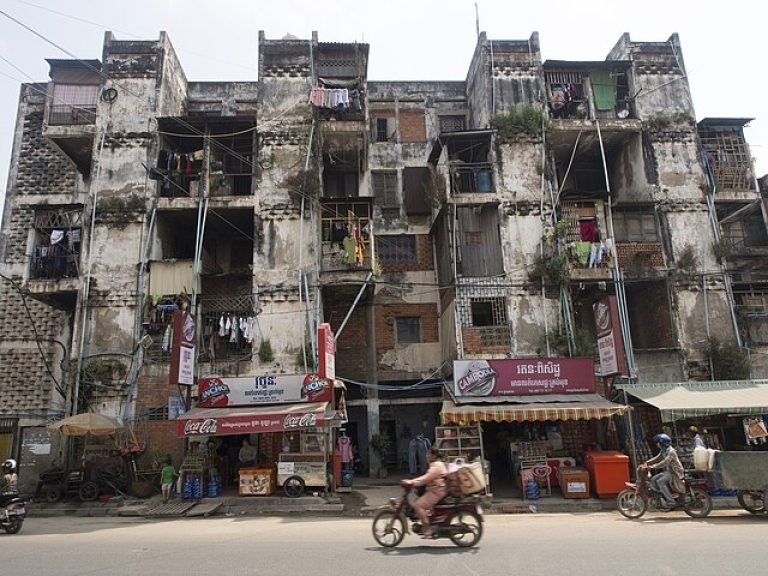
Urban in Phnom Penh over war-affected land
In Phnom Penh, neighborhoods expanded over sites associated with mass violence. Urban growth did not wait for reconciliation. The city learned to coexist with unspoken trauma.
In Nanjing, modern development surrounds areas of historical massacre. Memory exists, but it is unevenly distributed. Some sites are marked. Others are absorbed into everyday space.
Urban growth over mass graves is not unique to Asia, but its scale and speed are. High population density, rapid development, and political urgency compressed memory into the ground itself. What could not be spoken was built over.
This does not mean memory disappeared. It changed form. War memory in Asian cities is often indirect. It surfaces through behavior rather than monuments. Caution, restraint, and emotional reserve are urban habits shaped by historical violence.
Cities normalize trauma by incorporating it into routine. Daily life continues atop unresolved history. People adapt without demanding explanation. Normality becomes a coping mechanism.
In Taipei, layers of Japanese colonial infrastructure, wartime logistics, and postwar authoritarian development overlap. The city feels stable, but its foundations are contested.
Economic growth accelerated this process. Development promised escape from memory. New buildings signaled progress. The faster the city changed, the less visible war became.
Yet war never fully vanished. It remains present in the form of emergency planning, militarized borders, and political anxiety. The city lives forward while carrying the past underneath.
Western narratives often frame this as forgetting. In reality, it is a different relationship with memory. Asia did not forget war. It incorporated it.
Cities built over battlefields are not cities without history. They are cities saturated with it. The absence of visible ruins does not mean absence of impact.
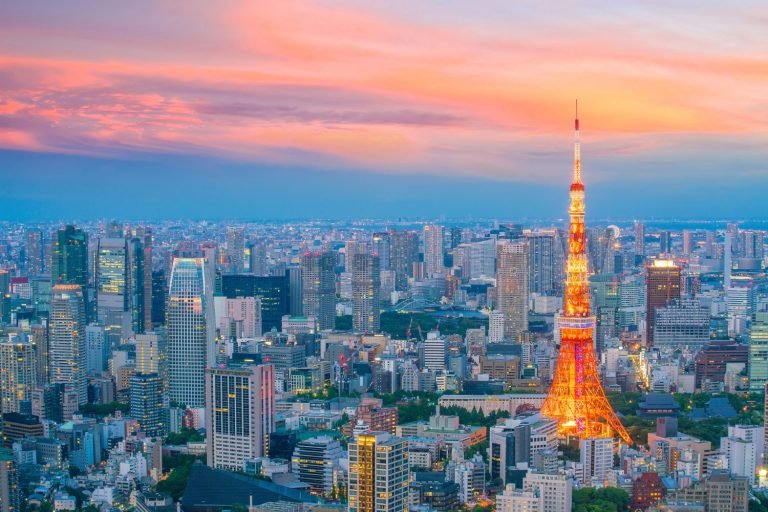
Postwar reconstruction transforming Tokyo’s urban landscape
Walking through these cities means walking through layered time. Each step crosses unseen stories. Each routine is shaped by decisions made under fire decades earlier.
Asian cities live with the dead not through constant remembrance, but through continuity. Life continues because it must. Memory survives because it cannot be erased.
War shaped the land, and the land shaped the city. The city, in turn, shapes how war is remembered.
Living on battlefields is not a metaphor in Asia. It is a daily condition.
And yet life goes on.
Comment (0)