

In international politics, apologies are often treated as moral closure. A statement is issued. A leader bows. Words of regret are offered. The expectation is that history can be settled through acknowledgment alone. In Asia, this expectation repeatedly fails. Apologies are issued, yet conflicts remain unresolved. Anger persists. Memory reopens. War may end on paper, but it rarely ends in the mind.
This is not because Asians reject apology. It is because apology alone cannot resolve wars that never truly ended.
Across much of Asia, war did not conclude with treaties followed by reconstruction and reconciliation. It ended through exhaustion, armistice, or political rearrangement. Violence stopped, but justice did not arrive. Accountability remained partial. Trauma was absorbed into daily life rather than processed publicly.
Apologies assume a clean past. Asia’s wars left no such clarity.
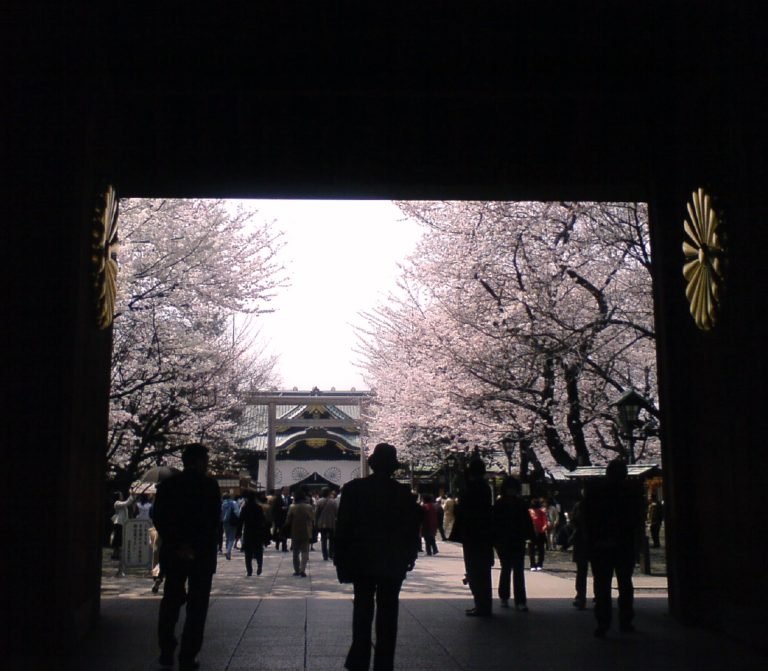
Japanese apology ceremony related to wartime history
The global myth of apology is rooted in European experience. In Europe, World War II ended with defeat, occupation, trials, reparations, and reconstruction. Memory was institutionalized. Responsibility was formalized. Apology functioned as one element within a larger framework of justice and repair.
Asia did not receive this sequence.
In much of Asia, the war transitioned directly into new conflicts, revolutions, or Cold War confrontation. Colonial powers returned. New states emerged under pressure. Survival took priority over reflection. Memory remained raw.
In East Asia, Southeast Asia, and South Asia, war memory became fragmented along national and ideological lines. There was no shared moment of reckoning.
Apologies offered decades later arrive into this unresolved landscape. They land on open wounds rather than healed scars.
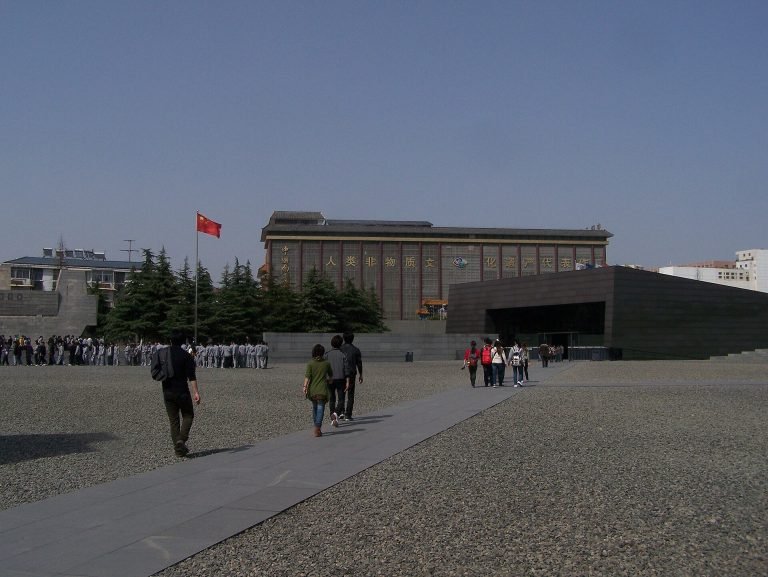
Memorial hall commemorating wartime victims in Nanjing
War memory in Asia is not primarily textual or legal. It is lived. Families remember loss through absence rather than narrative. Villages remember through silence. Cities remember through layout and habit.
In China, memory of wartime suffering remains central to national identity. Apologies are evaluated not by wording but by consistency, behavior, and perceived sincerity. Words without structural change are interpreted as strategic rather than moral.
In Korea, colonial trauma and war remain deeply personal. Generations inherited pain without closure. Apologies that do not translate into legal recognition or educational reform feel hollow.
In Japan, repeated statements of regret coexist with internal debates over history. This ambiguity undermines trust. Apology loses meaning when memory is contested at home.
Apologies without power are symbolic. In Asia, symbols matter, but only when backed by action. Bowing does not substitute for accountability. Regret does not replace repair.
Justice was delayed or denied for many Asian victims. War crimes were unevenly prosecuted. Colonial violence often escaped judgment. Compensation was limited or politicized. Survivors aged without recognition.
In Nanjing, memory of massacre persists not because apology was absent, but because justice felt incomplete. The passage of time intensified rather than softened grievance.
In Korean Peninsula, war never formally ended. Apology cannot close a conflict that remains legally open. Peace was postponed indefinitely.
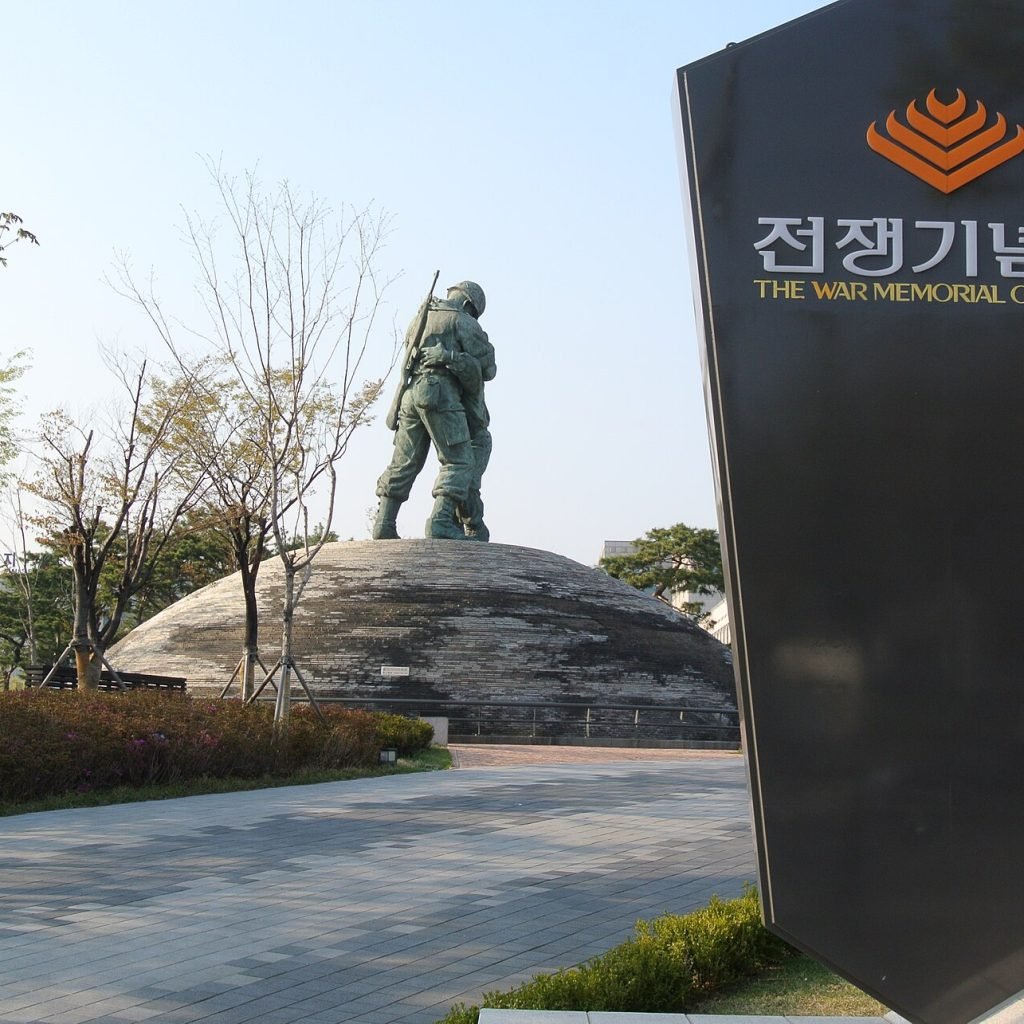
Civilian-focused war memorial on the Korean Peninsula
National identity in Asia often formed through suffering. Trauma became a foundational story. Apology, when offered externally, can feel like an attempt to rewrite that story without changing its consequences.
This dynamic creates resistance. Acceptance of apology risks dilution of memory. It risks losing moral leverage in an unresolved geopolitical landscape.
Silence, denial, and selective memory further complicate reconciliation. When historical narratives differ across borders, apology becomes contested terrain. Each side hears different meanings.
Apologies are also constrained by domestic politics. Leaders speak to international audiences while negotiating nationalist pressure at home. Words become carefully balanced. Ambiguity replaces clarity.
In Asia, people listen for consistency rather than statements. They watch policies, textbooks, commemorations, and alliances. Apology is judged over decades, not moments.
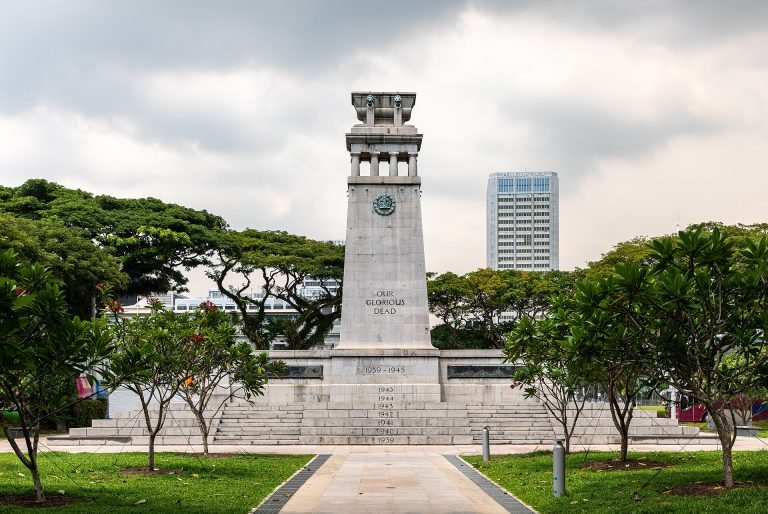
World War II memorials across Asia (Singapore, Cenotaph)
War in Asia was not only physical. It reshaped identity, hierarchy, and survival strategy. Healing requires more than acknowledgment. It requires transformation of structures that preserved inequality and silence.
What would end wars in Asia is not apology alone, but justice combined with memory and repair. Recognition that persists across generations. Education that confronts rather than softens. Policies that demonstrate accountability.
Apologies fail because they arrive too late, stand alone, and ask memory to settle without offering resolution.
Asia does not reject apology. Asia rejects closure without consequence.
War ends when its causes are addressed, its victims are recognized, and its memory is shared honestly. Until then, apology remains a gesture suspended in unresolved history.
Words cannot end wars that were never allowed to finish.
Comment (0)