

Conflict in Asia rarely announces itself as something new. When violence resurfaces, it often feels familiar, as if an old argument has resumed rather than a new one begun. Borders flare up again. Militias reappear. Historical grievances are reactivated with ease. This recurrence has led to a persistent misconception that Asia is inherently unstable or prone to violence. The reality is more precise and more uncomfortable. Asia’s conflicts keep returning because many of them were never truly finished.
In much of the world, war is understood as an event with a beginning and an end. Fighting erupts, treaties are signed, and societies transition into peace. Asia’s modern history followed a different trajectory. Here, war often ended through exhaustion, armistice, or geopolitical rearrangement rather than resolution. Violence stopped without being settled. Memory remained active because justice and reconciliation never fully arrived.
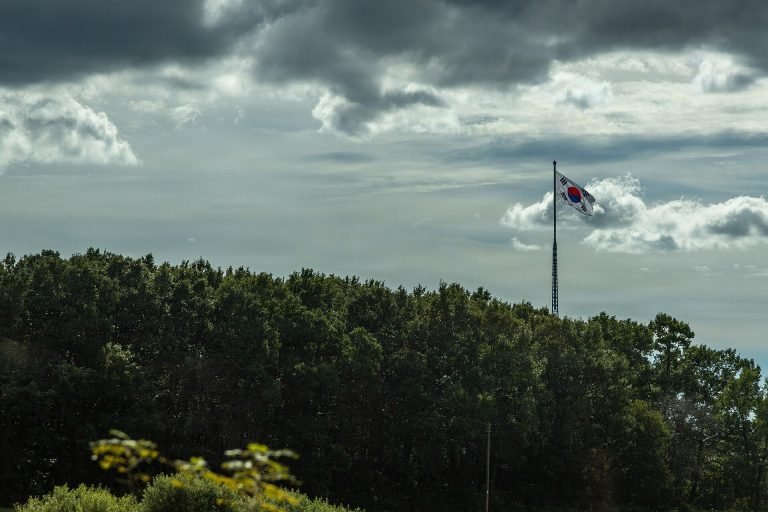
Demilitarized Zone dividing the Korean Peninsula
Conflict in Asia is not episodic. It is structural. It is embedded in borders, institutions, and collective memory. The twentieth century did not deliver Asia a clear postwar moment. Instead, it delivered a chain of overlapping crises that left little space for healing.
Across East Asia, Southeast Asia, and South Asia, colonial conquest, world war, civil war, revolution, and Cold War confrontation unfolded with minimal interruption. For many societies, peace was provisional and conditional. Stability was something to be guarded, not assumed.
Wars in Asia often ended without closure. Armistices replaced peace treaties. Occupying powers withdrew without accountability. New states emerged before social trust could form. The result was not reconciliation but suspension.
The Korean Peninsula illustrates this condition vividly. The Korean War never officially ended. The armistice institutionalized division instead of resolving it. Militarization became permanent. Generations grew up understanding peace as something fragile and temporary. Conflict persists not because of new hatred, but because the original war remains legally and psychologically open.
Colonial borders played a decisive role in freezing violence. Lines drawn for administrative convenience hardened into national frontiers at independence. These borders were not negotiated by the people who lived along them. They were inherited as faits accomplis.
In Kashmir, a hastily drawn line created a dispute that multiple wars failed to resolve. Each conflict ended without settlement, ensuring its return. Borders did not heal violence. They preserved it.
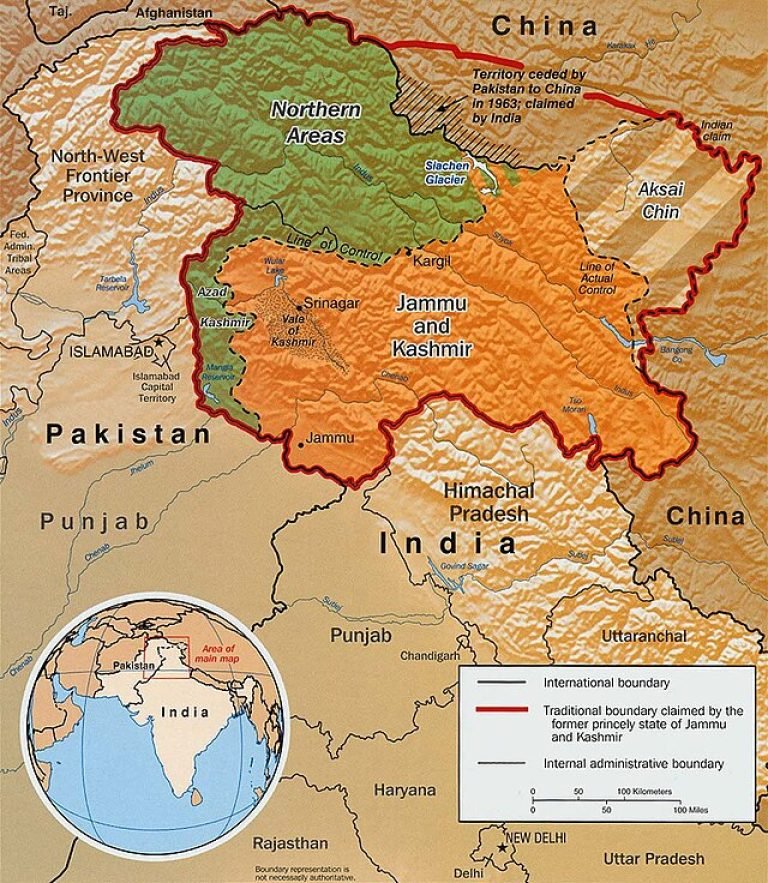
Line of Control separating contested Kashmir
The collapse of empires created power vacuums without repair. Colonial rule suppressed conflict through force, not reconciliation. When empires withdrew, suppressed divisions erupted violently. New governments inherited authority without legitimacy and territory without trust.
In Vietnam, independence merged with prolonged war. Victory expelled foreign powers but did not reconcile internal divisions. Peace arrived through exhaustion rather than agreement, leaving memory unresolved.
In Indonesia, independence was followed by internal conflict and coercive consolidation. Stability was achieved, but grievances remained unaddressed. Conflict receded without disappearing.
Cold War geopolitics deepened this pattern. Many Asian conflicts were frozen rather than settled. External powers armed factions, supported regimes, and postponed reconciliation. When global pressure shifted, unresolved conflicts resurfaced with renewed intensity.
In Afghanistan, decades of intervention ended repeatedly without closure. Each withdrawal left behind unfinished war. Violence returned because nothing had been resolved.
States built under emergency conditions normalize conflict. Many Asian governments emerged during war or crisis. Emergency powers became permanent. Military influence remained central. Political culture adapted to survival rather than trust.
In Myanmar, independence did not end civil war. Armed conflict became structural. Peace talks stalled because war was embedded in state formation itself.
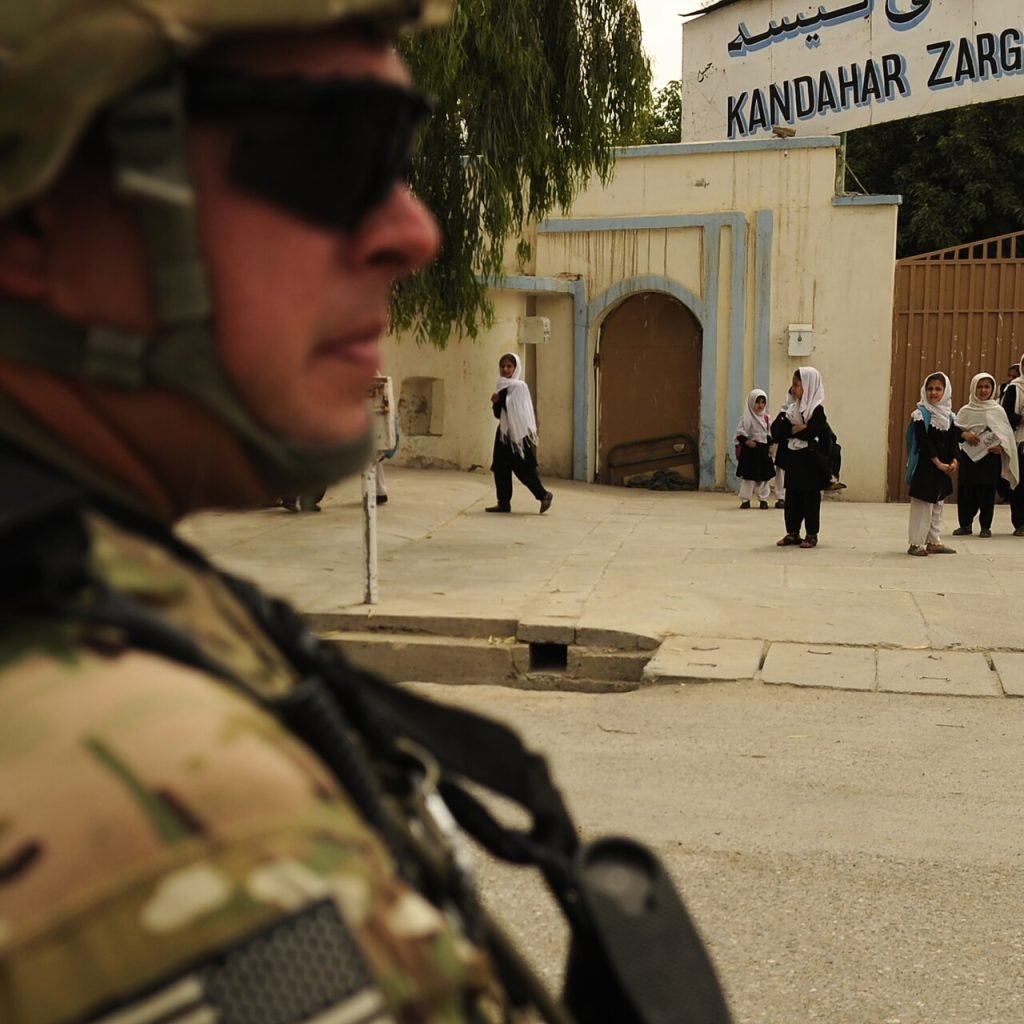
Afghan civilians living amid recurring conflict
Memory without resolution keeps conflict alive. Asia’s wars inflicted massive civilian trauma that was rarely addressed through justice or public reckoning. Survivors rebuilt lives without acknowledgment. Silence became a survival strategy.
Trauma does not vanish when it is unspoken. It embeds itself in institutions, behavior, and identity. Grievance becomes political currency. Leaders mobilize unresolved memory to sustain authority. History becomes a weapon.
This trauma passes across generations. Children inherit fear, caution, and suspicion without experiencing the original conflict. Identity forms around survival rather than reconciliation. Conflict becomes part of normal political expectation.
Economic development overlays but does not erase this inheritance. Infrastructure replaces battlefields. Prosperity masks fragility. Modern life unfolds on unresolved ground.
In Seoul, Taipei, and Hanoi, daily normality exists alongside persistent geopolitical tension. Peace feels real, but conditional.
Western frameworks often assume peace is the natural outcome of war. Asia’s experience suggests the opposite. Peace requires closure, justice, and shared memory. Asia rarely received these conditions.
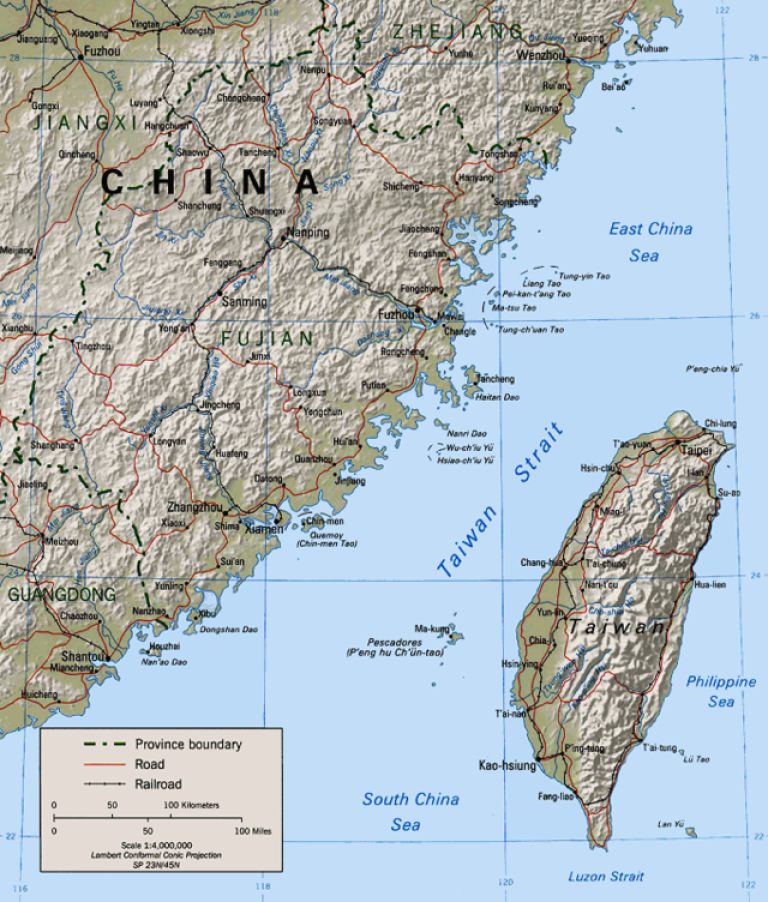
Map showing recurring conflict zones across Asia
Conflicts keep returning because their causes remain intact. Borders are artificial. Trauma is unacknowledged. Power structures are rooted in emergency rather than consent.
Ending conflict requires finishing war. That means more than ceasefire. It means accountability, memory, and institutional transformation. Without these, conflict pauses but never ends.
Asia’s conflicts do not return because the region seeks violence. They return because the past was never allowed to close.
Comment (0)