

Asia is often described as a region shaped by ancient history, rapid modernization, and constant change. Yet beneath these narratives lies a quieter, more persistent reality. Many of Asia’s wars never truly ended. They stopped fighting, but they did not resolve. They shifted form, changed language, and embedded themselves into borders, institutions, and daily life. Asia does not live after war. It lives inside unfinished war.
In much of the world, war is imagined as an event. It begins, escalates, and concludes. Treaties are signed. Defeat or victory is acknowledged. Reconstruction follows. In Asia, this sequence rarely occurred. Wars ended through exhaustion, stalemate, or geopolitical rearrangement rather than resolution. Violence paused without closure. Memory remained active because justice never fully arrived.
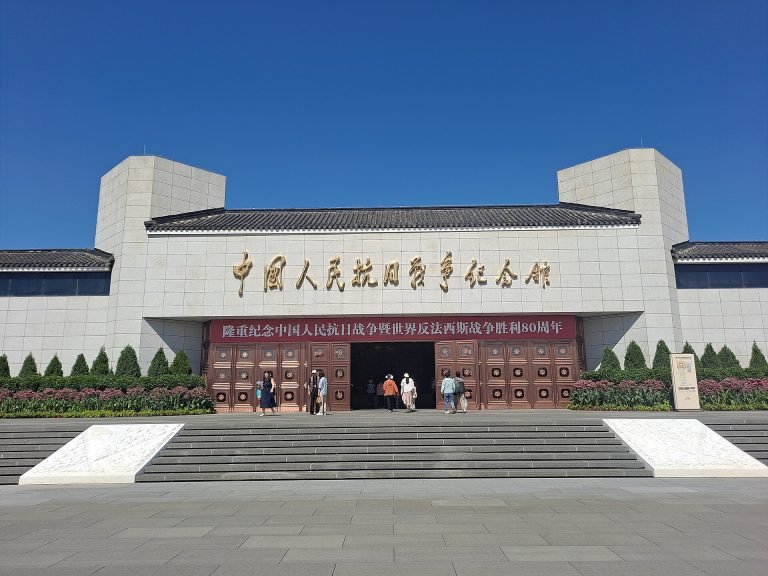
Everyday life alongside war memorials in Asia
Asia’s twentieth century unfolded as a continuum of conflict. Colonial conquest merged into world war. World war dissolved into civil war. Civil war bled into Cold War confrontation. For many societies, there was no clear boundary between wartime and peacetime. Stability was provisional. Peace was conditional.
Across East Asia, Southeast Asia, and South Asia, modern states emerged not from negotiated peace, but from unresolved violence. New governments inherited war before they inherited trust.
One reason Asia’s wars never truly ended lies in how they stopped. Armistice replaced peace. Ceasefire replaced reconciliation. Occupation ended without accountability. External powers withdrew without repair. Conflict was frozen rather than resolved.
The Korean Peninsula is the clearest illustration of this condition. The Korean War never ended legally. The armistice institutionalized division instead of healing it. Militarization became permanent. Generations grew up with war embedded into national identity. Peace exists, but only as absence of fighting, not presence of resolution.
Borders across Asia locked conflict into place. Colonial lines drawn for administration hardened into national frontiers at independence. These borders were not designed to reconcile communities. They were designed to manage empire. When empires collapsed, the lines remained.
In Kashmir, a hastily drawn boundary transformed a temporary administrative decision into a permanent fault line. Wars did not settle the issue. They postponed it. Each ceasefire carried the seeds of the next conflict.
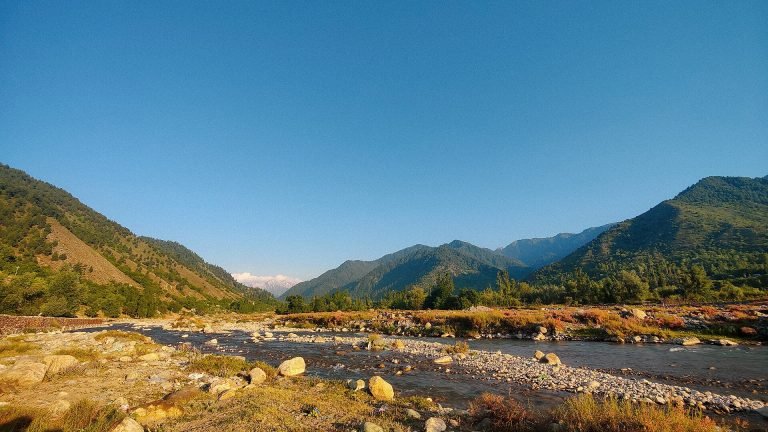
Line of Control in Kashmir as frozen conflict
Civilian trauma compounded unfinished war. Asia experienced World War II and postwar conflict as wars of occupation, famine, and mass displacement. Civilians were not collateral damage. They were targets, labor, and resources. After the fighting stopped, justice was uneven. Many crimes were never fully acknowledged. Survivors rebuilt lives without recognition.
Trauma without justice does not fade. It hardens into memory.
In China, war memory became a foundation of national identity. In Korea, colonial trauma and war remained deeply personal. In Vietnam, victory ended foreign rule but not loss. Silence replaced reconciliation.
Memory in Asia rarely transitioned into shared history. It remained fragmented along national, ideological, and generational lines. Without shared narratives, wars could not be placed safely in the past. They remained politically useful and emotionally active.
Cities were rebuilt before healing occurred. Urban reconstruction prioritized survival, housing, and economic recovery. Memorialization was secondary. In many cases, it was absent. Life resumed on ground that had not been mourned.
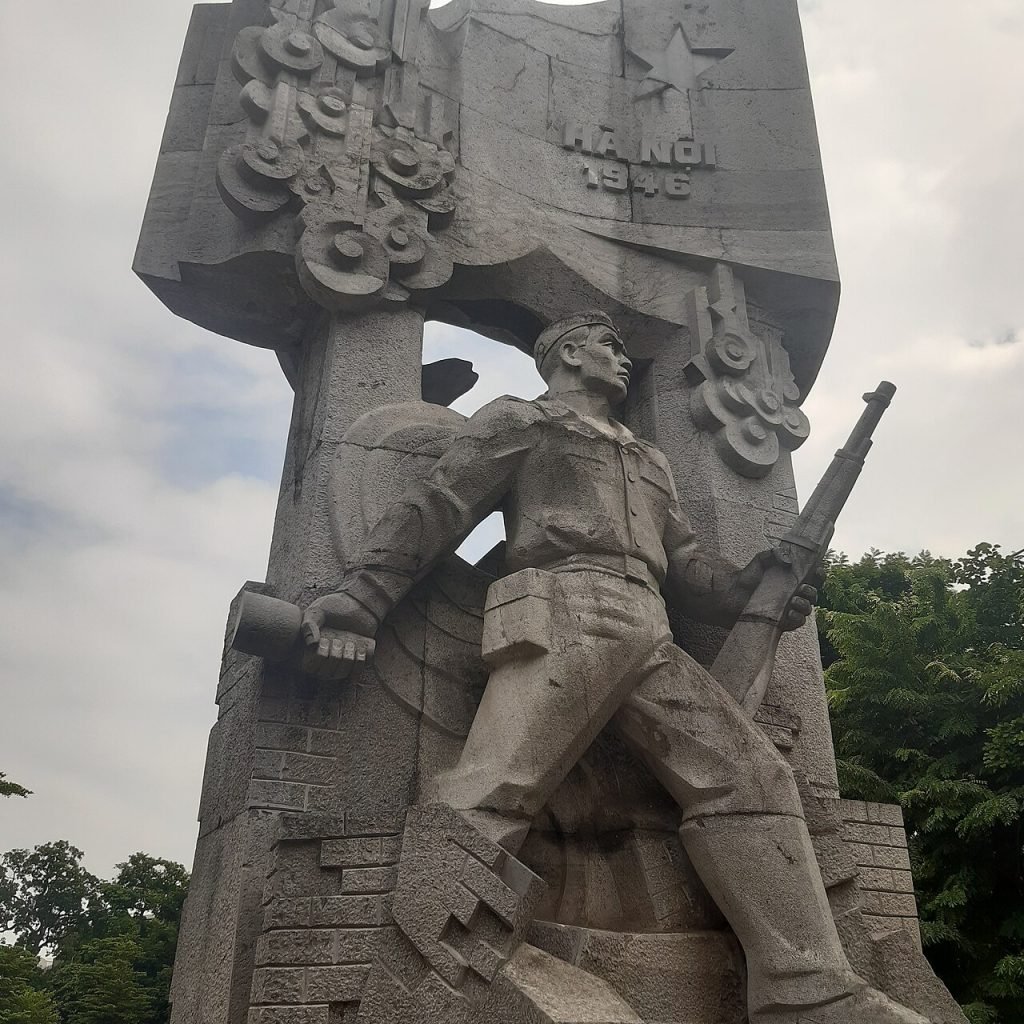
War remnants embedded in Hanoi’s urban life
In Seoul, neighborhoods rose over Korean War front lines. In Hanoi, daily life unfolded beside sites of aerial bombardment. In Tokyo, reconstruction erased ruins but preserved habits shaped by scarcity and fear.
States themselves were born from war rather than peace. Many Asian governments emerged under emergency conditions. Authority was consolidated through security rather than consent. Emergency powers became permanent. Political culture adapted to survival.
In Myanmar, civil war did not end with independence. Conflict became structural. In Afghanistan, repeated interventions ended without settlement. Each exit guaranteed return.
The Cold War intensified unfinished war. Asian conflicts became proxy battlegrounds. External powers armed factions and delayed reconciliation. When global pressure shifted, unresolved conflicts resurfaced.
Economic growth masked unfinished war but did not erase it. Development replaced battlefields with infrastructure. Prosperity coexisted with unprocessed grief. Speed became a coping mechanism.
In Taipei, modern normality exists alongside unresolved geopolitical tension. Peace is real, but provisional. Preparedness replaces confidence.
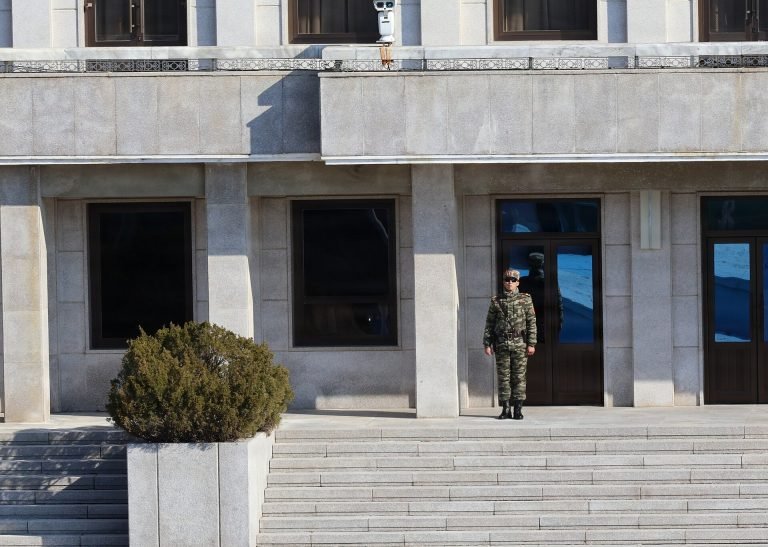
Demilitarized Zone dividing the Korean Peninsula
Asia never experienced a true postwar era because war was never completed. There was no moment when violence ended, justice arrived, and memory settled. Instead, war transformed into borders, institutions, silence, and habit.
Unfinished war explains why conflicts keep returning. It explains why apologies fail. It explains why peace feels fragile. It explains why history remains politically active.
Asia is not trapped in the past. It is carrying unresolved history forward.
To finish war requires more than ceasefire. It requires accountability, shared memory, and institutional change. Without these, war pauses but does not end.
Asia’s wars did not end because the conditions for ending them never arrived.
This is unfinished Asia. And until its wars are allowed to finish, the past will continue to walk beside the present.
Comment (0)