

In many parts of the world, history is something you visit. It is preserved behind glass, explained by plaques, and framed as something completed. In much of Asia, history is something you walk through. It does not announce itself as the past. It exists as part of daily movement, embedded in streets, buildings, and routines that appear ordinary until examined closely. Asian cities are not built after history. They are built inside it.
To walk through an Asian city is often to move across unresolved ground. Wars ended, occupations withdrew, and empires collapsed, yet cities continued without pause. There was rarely time to stop, mourn, or reconcile. Life resumed because it had to. As a result, urban space absorbed memory rather than processed it.
Cities became living archives.
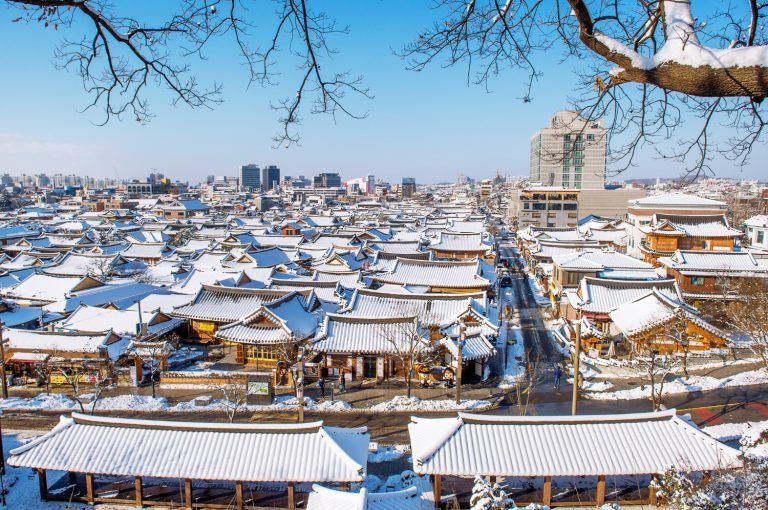
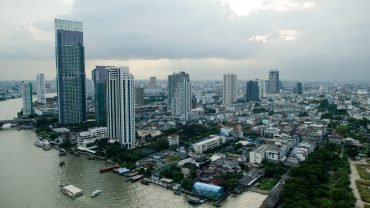
Urban neighborhoods in Seoul built over Korean War history
Across East Asia, Southeast Asia, and South Asia, modern cities grew out of interruption. Colonial rule, world war, civil war, and Cold War confrontation reshaped urban space repeatedly. Reconstruction prioritized function over reflection. Streets were rebuilt before stories were told.
When war ends but cities continue, closure becomes optional. People return to work. Markets reopen. Schools resume. The city does not wait for history to settle. It absorbs disruption and moves forward.
In Seoul, apartment blocks rise over former battle lines of the Korean War. Daily commutes pass through neighborhoods once flattened by artillery. There are few visible markers explaining what happened beneath the pavement. The city feels modern, efficient, and alive, yet it rests on a war that never officially ended.
This absence of visible memory is not accidental. It reflects how survival shaped urban priorities. Housing mattered more than memorials. Infrastructure mattered more than narrative. Cities rebuilt quickly because delay meant collapse.
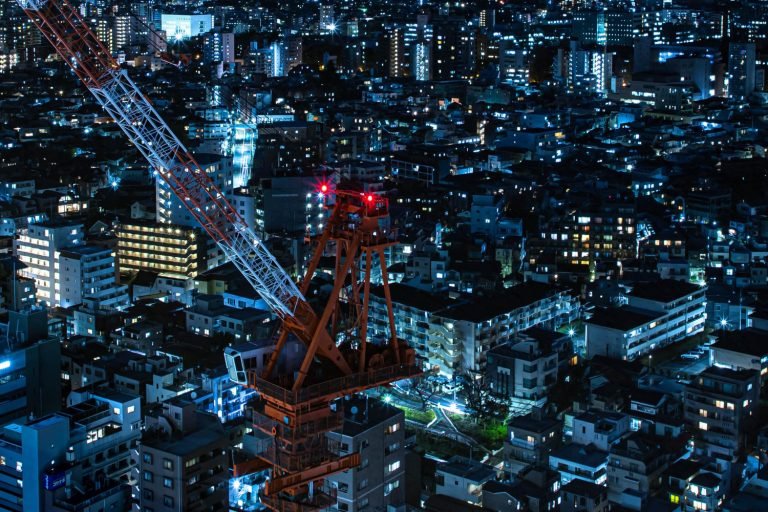
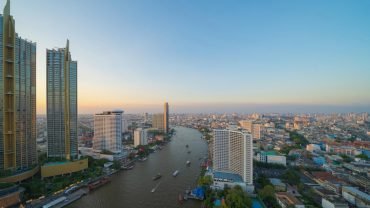
Tokyo cityscape reflecting postwar reconstruction
In Hanoi, daily life unfolds beside remnants of aerial bombardment and colonial architecture. Cafés operate next to former shelters. Sidewalks cover scars that were never fully addressed. War exists not as spectacle, but as background condition.
Asian cities are layered rather than linear. Each layer does not replace the previous one. It sits on top of it. The result is a landscape where different eras coexist without being reconciled.
Streets often follow paths determined by violence. Military roads become commercial arteries. Evacuation routes become commuter corridors. The logic of war quietly shapes movement long after fighting stops.
In Tokyo, postwar reconstruction erased ruins rapidly, yet habits shaped by scarcity and fear remained. Urban density, efficiency, and discipline reflect adaptation to repeated disruption. The city feels orderly not because it forgot war, but because it learned to function despite it.
Silence is embedded in architecture. Buildings rarely explain what stood before them. Apartments do not advertise their history. Residents learn to live with absence rather than explanation.
In Taipei, modern life proceeds under unresolved geopolitical tension. The city is vibrant and contemporary, yet preparedness is woven into its rhythm. Emergency planning exists alongside cafés and co-working spaces. Peace feels real, but conditional.
Cities that never had time to heal develop particular characteristics. They prioritize adaptability. They normalize uncertainty. They teach residents to read between the lines.
Memory does not always take the form of monuments. In many Asian cities, it appears as avoidance. Certain topics are not discussed. Certain places are not lingered in. Certain histories are implied rather than explained.
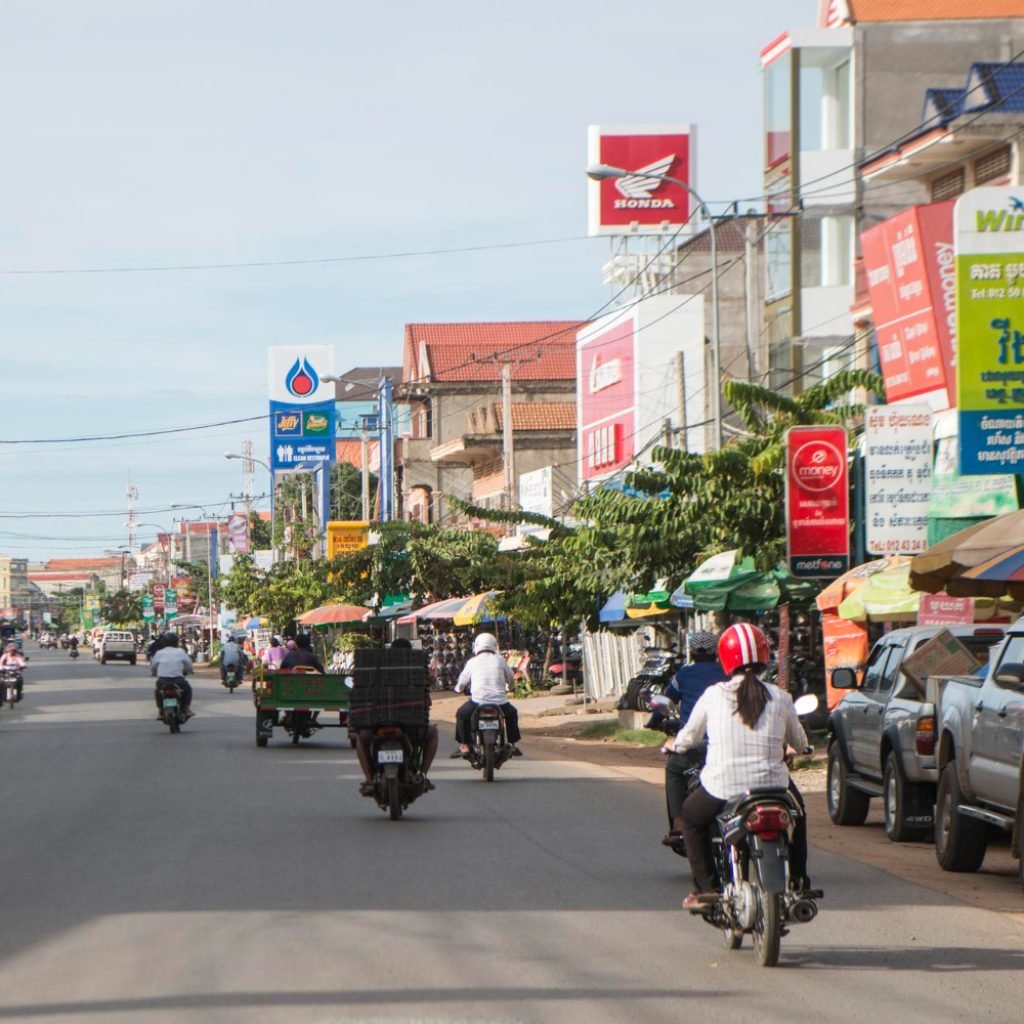
Phnom Penh daily routines on historical ground
In Phnom Penh, daily life resumed quickly after catastrophe. Markets reopened. Schools functioned. The city moved forward without fully integrating its trauma into public space. Silence became a survival strategy.
This silence should not be mistaken for forgetting. It is a way of containing memory so that life can continue. Cities cannot afford to collapse under the weight of their past.
Why do Asian cities often feel temporarily stable rather than conclusively peaceful? Because stability was learned as a fragile condition. History taught caution. Reconstruction taught speed. Memory taught restraint.
Walking through these cities requires a different way of seeing. History is not always visible. It must be inferred from what is absent, what is unmarked, and what is treated as normal despite extraordinary origins.
A nondescript alley may have been a refuge. A shopping district may follow a former military boundary. A park may cover a mass grave that was never publicly acknowledged.
Walking becomes a method of reading history not as text, but as space.
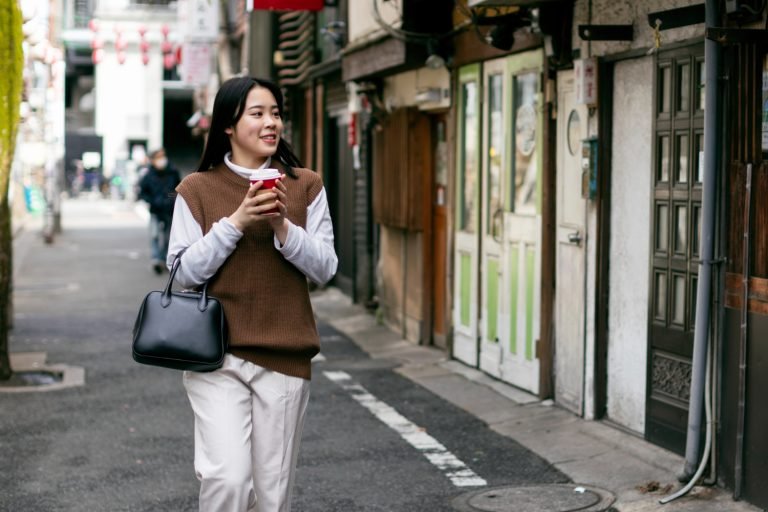
Everyday life in Taipei under unresolved geopolitics
Asian cities do not separate past and present cleanly. They compress them. Daily life unfolds inside unresolved time. People adapt not by resolving history, but by living with it.
This condition shapes identity. It produces resilience, pragmatism, and caution. It also produces tension, silence, and vulnerability to recurrence.
Unresolved history does not paralyze Asian cities. It shapes how they move.
To walk through these cities is to recognize that progress does not require closure everywhere. It requires the ability to function despite its absence.
Asian cities are not haunted in the cinematic sense. They are inhabited by memory in practical ways. War becomes infrastructure. Trauma becomes habit. History becomes environment.
Walking through unresolved history means accepting that the past is not always behind us. Sometimes it is beneath our feet.
Comment (0)