

For many people around the world, Hiroshima exists as a single image. A dome of twisted steel. A shadow burned into stone. A moment frozen at 8:15 a.m. on August 6, 1945. It is one of the most recognizable symbols of the twentieth century, invoked whenever humanity speaks about nuclear weapons, total war, or the cost of modern conflict. Yet this image, powerful as it is, hides something equally important. Hiroshima is not just a museum city. It is a living place that existed before the bomb and continued long after it.
To understand Hiroshima only through its memorials is to misunderstand the city itself.
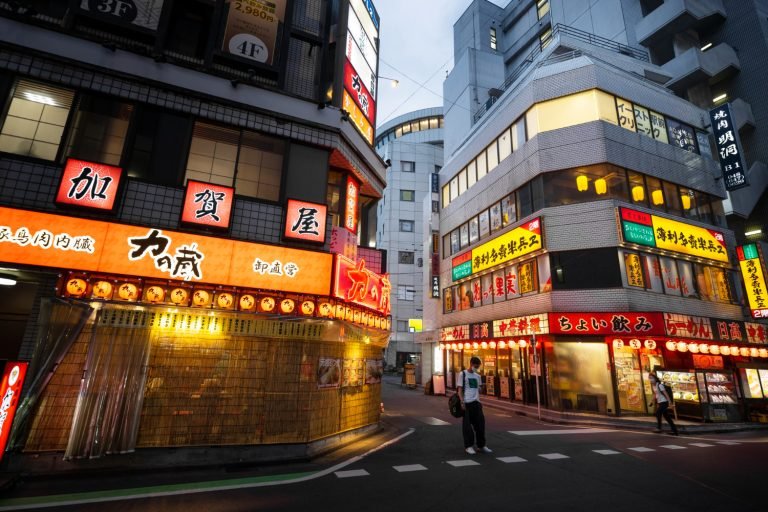
Everyday life in modern Hiroshima beyond memorial spaces
Before it became synonymous with nuclear destruction, Hiroshima was a regional center shaped by water, trade, and military administration. Located in western Japan, the city developed along multiple rivers flowing into the Seto Inland Sea. Its geography encouraged movement, commerce, and connection. Long before the twentieth century, Hiroshima functioned as a castle town, a port, and a node linking inland Japan to maritime routes.
By the early twentieth century, Hiroshima had become an important military hub. Troops passed through its stations. Supplies moved through its docks. The city’s role in Japan’s imperial expansion meant that war was already part of its daily rhythm long before 1945. Hiroshima was not an innocent bystander to history, but neither was it prepared for what would come.
On the morning of August 6, 1945, Hiroshima did not slowly fall into ruin. It vanished.
The atomic bomb did not merely destroy buildings. It erased scale, direction, and meaning. Streets disappeared. Neighborhoods collapsed into indistinguishable debris. People were killed instantly or fatally injured without visible wounds. Survivors described a city that no longer felt like a place, only an expanse of heat, fire, and silence.
What followed was not only physical devastation, but temporal dislocation. Hiroshima ceased to exist as it had been. Time itself felt broken. For survivors, life became divided into before and after, with no bridge connecting the two.
Yet even as the world froze Hiroshima into a symbol, the city itself faced a more urgent problem. It had to keep living.
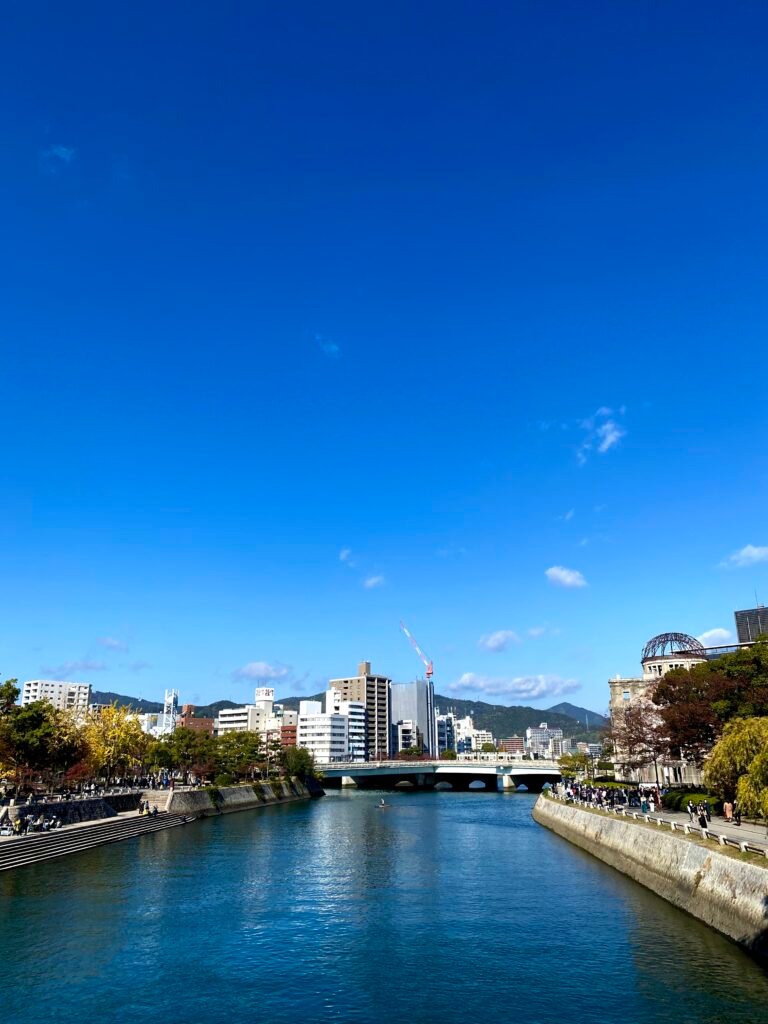
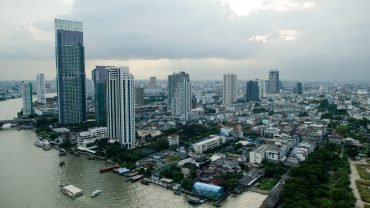
Rivers flowing through rebuilt Hiroshima city
Memory arrived quickly in Hiroshima, but closure did not. The city became a focal point for global conversations about nuclear weapons and peace. Memorialization began early. The area around what is now Hiroshima Peace Memorial Park was transformed into a space of remembrance. The Atomic Bomb Dome was preserved as a ruin, not rebuilt, not erased.
This decision shaped how the world would see Hiroshima. The city became a lesson, a warning, a moral symbol. Millions would visit, reflect, and leave with a sense that they had understood Hiroshima.
But memorials, by nature, freeze time. They cannot show how people lived afterward.
Beyond the Peace Park, Hiroshima rebuilt itself quietly and quickly. Survivors returned not because they had healed, but because there was nowhere else to go. Homes were reconstructed with limited materials. Markets reopened beside ruins. Children went to school in temporary classrooms surrounded by devastation.
Life resumed not because the trauma had been processed, but because survival demanded movement.
In the years that followed, Hiroshima became an experiment in living after the unimaginable. Radiation sickness lingered invisibly. Stigma followed survivors, known as hibakusha, who were often treated as fragile or dangerous. Many hid their experiences to avoid discrimination. Silence became a social adaptation.
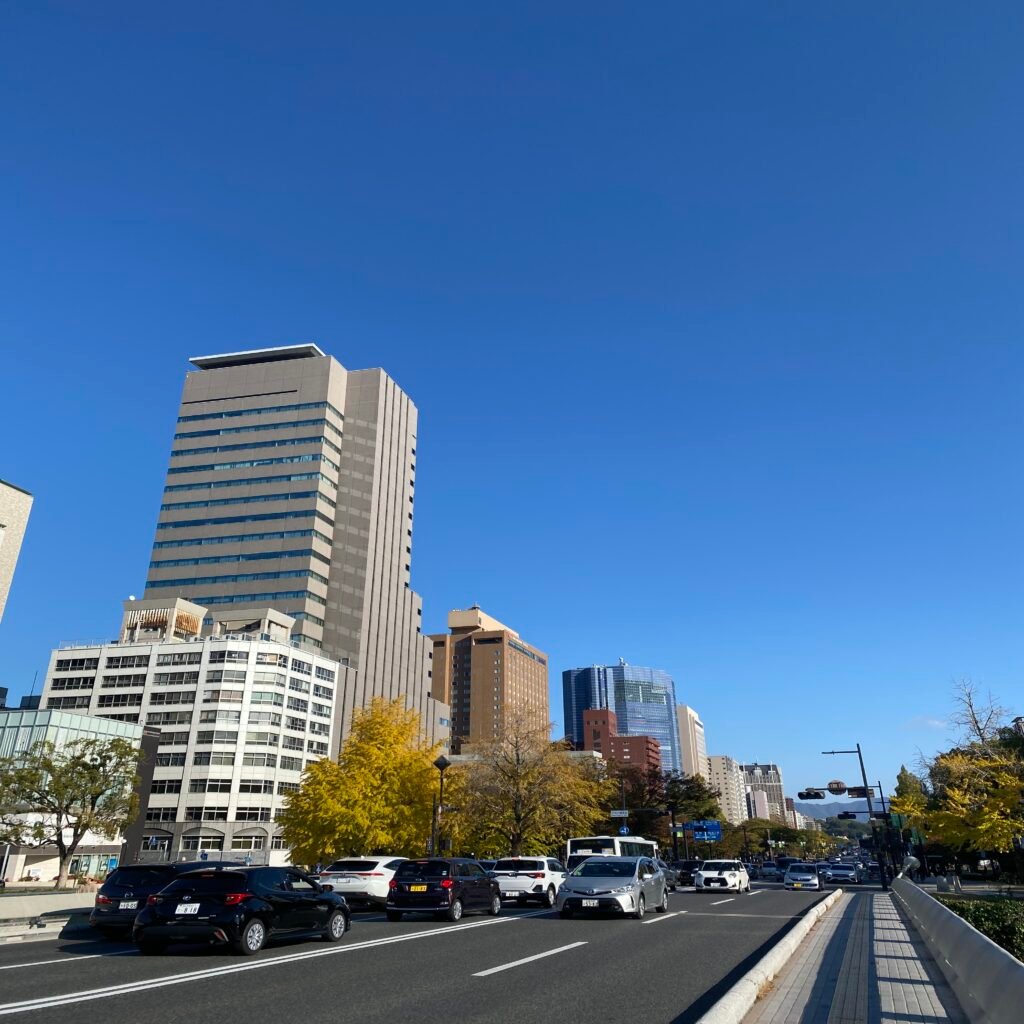
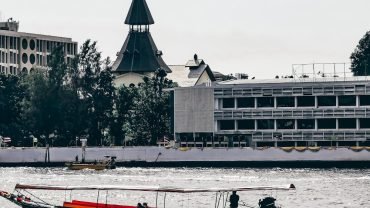
Car passing through Hiroshima residential streets
As Japan entered its period of rapid economic growth, Hiroshima transformed again. New neighborhoods rose. Factories returned. Trams ran through streets that had once been scorched beyond recognition. To an outsider, the city began to resemble any other mid-sized Japanese city.
This normality is precisely what makes Hiroshima difficult to read.
In much of the world, historical trauma is marked loudly. In Hiroshima, it is layered beneath daily life. Office workers commute past sites of mass death without stopping. Cafés operate near places where nothing once survived. The city does not constantly remind residents of what happened. It allows them to live.
This is where the museum image becomes insufficient.
The Peace Memorial Museum tells the story of destruction, but it cannot explain how people rebuilt identity afterward. It cannot show how families learned to coexist with invisible illness. It cannot capture the quiet resilience required to raise children in a place the world associates only with death.
To walk beyond the Peace Park is to encounter a different Hiroshima. Residential districts where life feels ordinary. Shopping arcades filled with local routine. Rivers crossed by bridges rebuilt so completely that their wartime destruction is invisible unless you know where to look.
Hiroshima’s postwar identity was shaped by an unusual tension. The city was asked to represent peace for the world while functioning as a normal city for its residents. This dual role required balance. Too much memory could paralyze. Too little could feel like betrayal.
As a result, Hiroshima learned to contain its past rather than display it constantly.
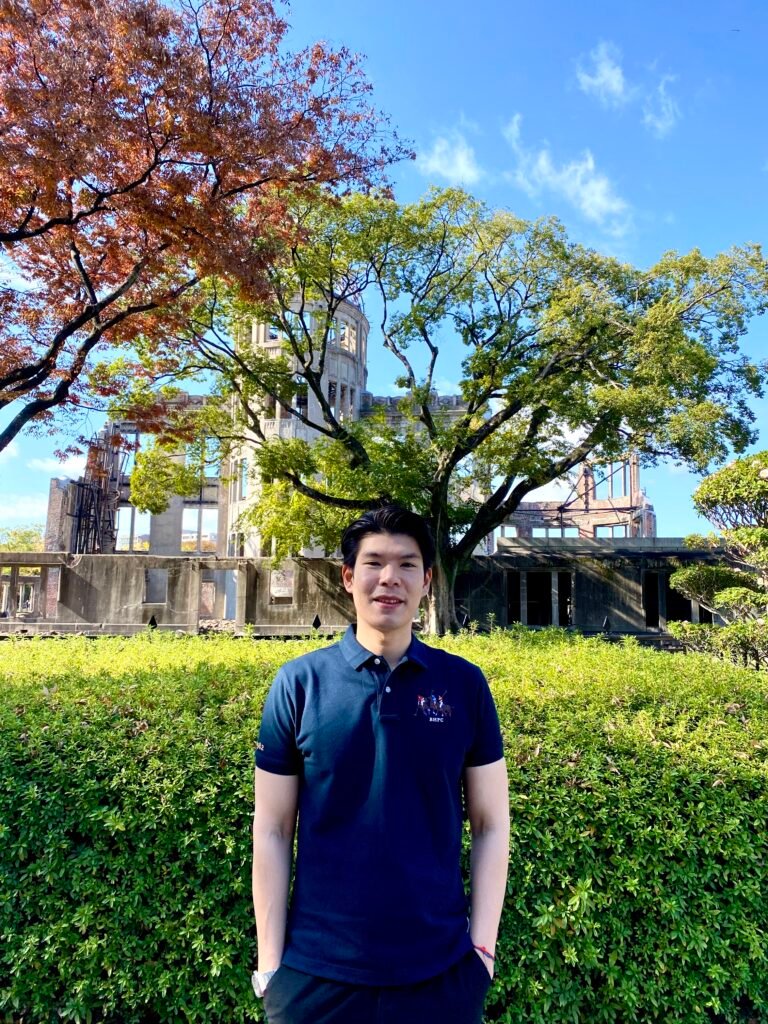
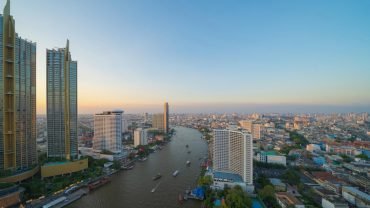
Hiroshima Peace Memorial Park at dawn
Today, Hiroshima is often described as peaceful, modern, and calm. This is not because the past has faded. It is because the city integrated trauma into its structure. Peace here is not abstract. It is practical.
Travelers who come only to the Peace Park often leave with a complete narrative that is, in reality, incomplete. They see the moment of destruction, but not the decades of adaptation that followed. They learn about loss, but not about continuity.
To understand Hiroshima, one must walk through its ordinary spaces.
Walk through neighborhoods rebuilt by survivors. Walk along rivers that once carried debris and bodies and now reflect apartment lights. Walk through shopping streets where daily routines unfold without ceremony. Notice how little explains itself.
This absence of explanation is not denial. It is survival.
Hiroshima is not a museum city because museums preserve the past as something finished. Hiroshima’s history is not finished. It lives quietly in the rhythms of the city.
Understanding Hiroshima requires moving beyond symbolism and into place. It requires seeing the city not only as a site of global memory, but as a lived environment shaped by unresolved history.
History does not end at the memorial gates.
To truly understand Hiroshima, you must walk beyond the Peace Park and let the city speak in its own, understated way.
Hiroshima is not only a place to remember.
It is a place to walk, observe, and understand.
History does not end at the memorial.
Walk the city where it continues.
Comment (0)