

Chiran is quiet in a way that feels intentional. Surrounded by farmland and distant mountains in southern Kyushu, the town gives little indication that it once stood at the center of one of World War II’s most extreme strategies. There are no dramatic skylines or imposing monuments announcing its past. Yet beneath this calm surface lies a history that continues to challenge how war, sacrifice, and memory are understood.
Chiran was not where kamikaze pilots became legends. It was where they became human.
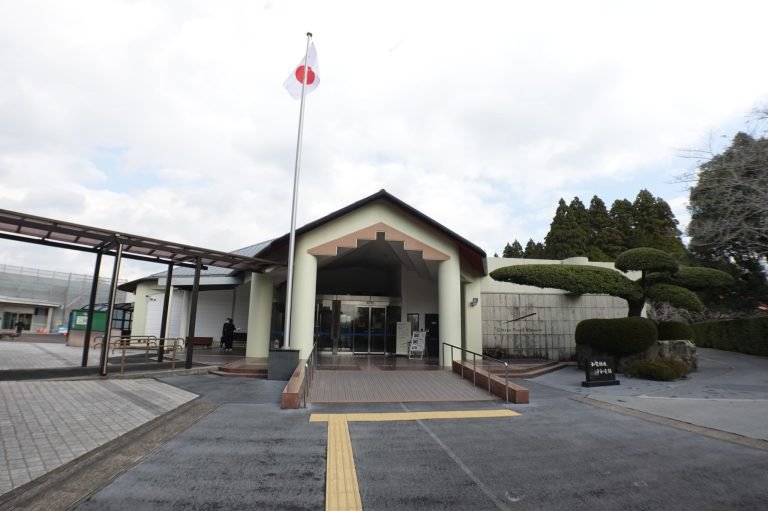
Chiran Peace Museum preserving kamikaze pilots’ letters
Before the war, Chiran was an agricultural town shaped by routine rather than ideology. Rice fields, tea farms, and village roads defined daily life. The rhythms of planting and harvest mattered more than politics. This ordinariness is crucial to understanding what happened later. Chiran was not built for war. War arrived and reshaped it.
As Japan’s situation deteriorated in the final years of World War II, military strategy shifted toward desperation. Conventional victory was no longer possible. What remained was delay, damage, and symbolic resistance. It was under these conditions that the concept of kamikaze operations expanded from isolated acts into an organized system.
Chiran was selected as one of the primary training and departure bases for these missions.
Young men arrived from across Japan, many barely out of adolescence. They trained quickly, lived briefly, and departed knowing they would not return. Their time in Chiran was measured in weeks or days, not years. For many, it was the last place they would experience ordinary human life.
What distinguished Chiran from other military sites was not the scale of destruction, but the intimacy of preparation. Pilots lived among local residents. They ate meals prepared by villagers. They wrote letters in borrowed rooms. They walked roads that still exist today.
This proximity stripped away abstraction. Kamikaze was not an idea here. It was a daily presence.
The pilots were not uniformly ideological. Some believed deeply in sacrifice. Others expressed fear, doubt, or quiet resignation. What united them was youth and lack of choice. Many were students whose education was interrupted by war. Some had never flown before arriving at the base.
Their final days were spent waiting.
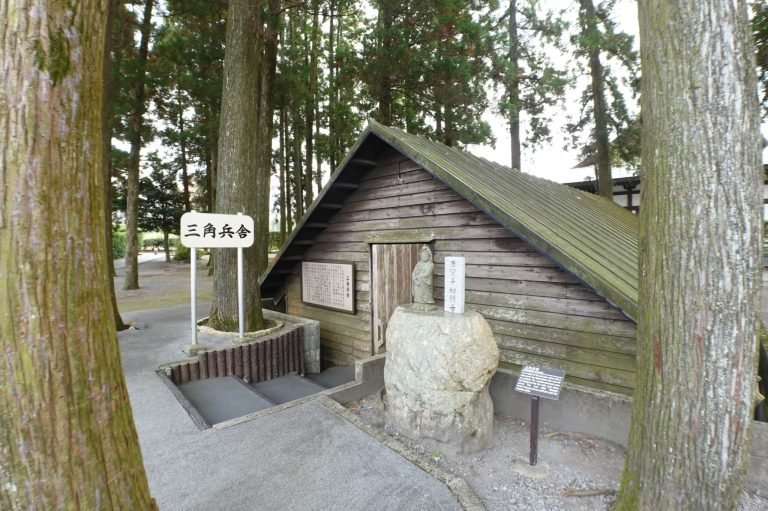
Japanese soldiers’ barracks used in Kamikaze flights at the end of the war.
What survives most powerfully from Chiran are the letters. Written to parents, siblings, teachers, and friends, they reveal a generation forced to compress an entire lifetime into a final message. These writings do not read like propaganda. They read like farewells written by young people trying to make sense of an ending they did not choose.
It is these letters that transformed kamikaze from military tactic into human tragedy.
After the war, Japan faced a difficult question. How should these deaths be remembered? Kamikaze pilots occupied an uncomfortable space in national memory. They were victims of the state, yet also participants in its violence. They were young, sincere, and tragic, but also part of a brutal war machine.
Chiran became one of the few places where this ambiguity was preserved rather than simplified.
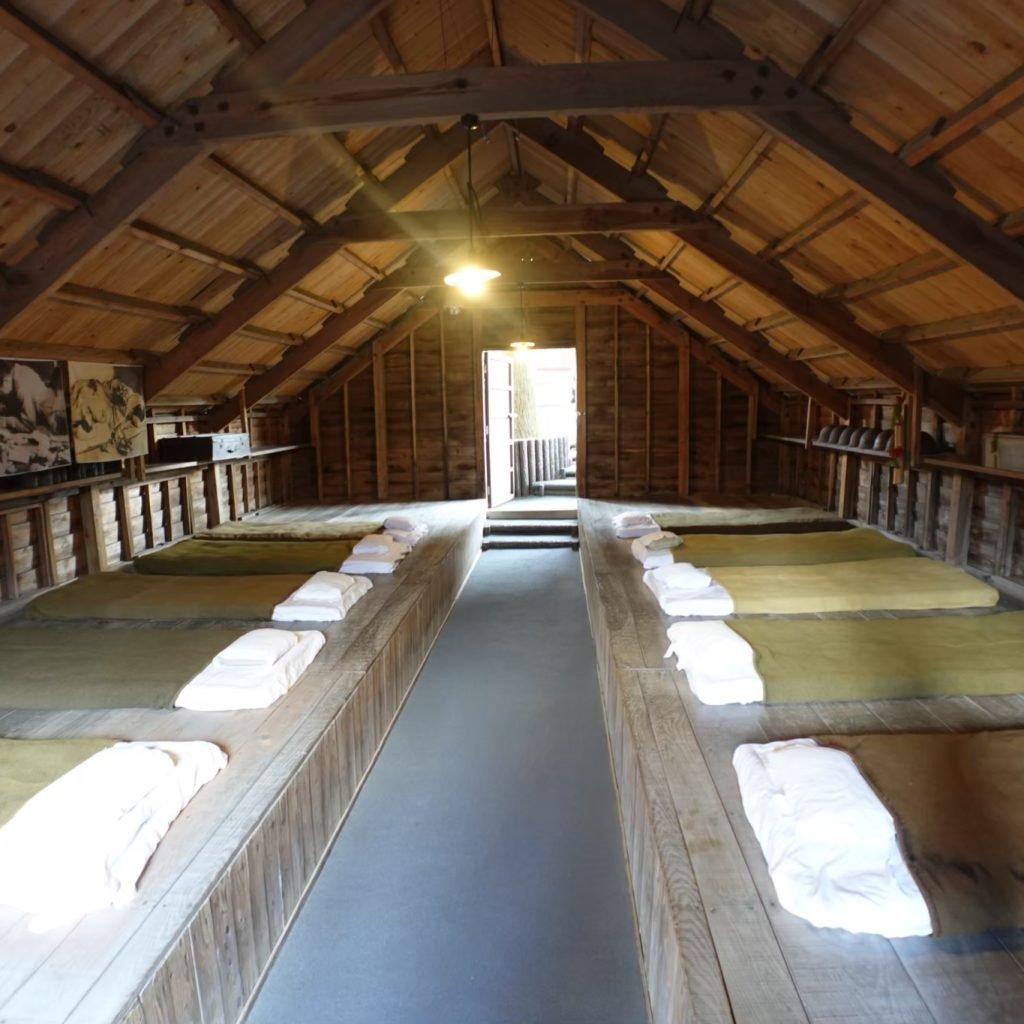
The barracks of Japanese Kamikaze fighter pilots during World War II.
The town did not turn its past into spectacle. Instead, it allowed memory to exist quietly. When the Chiran Peace Museum was established, its focus was not on glorifying sacrifice or celebrating nationalism. It centered on the individuals who passed through the base.
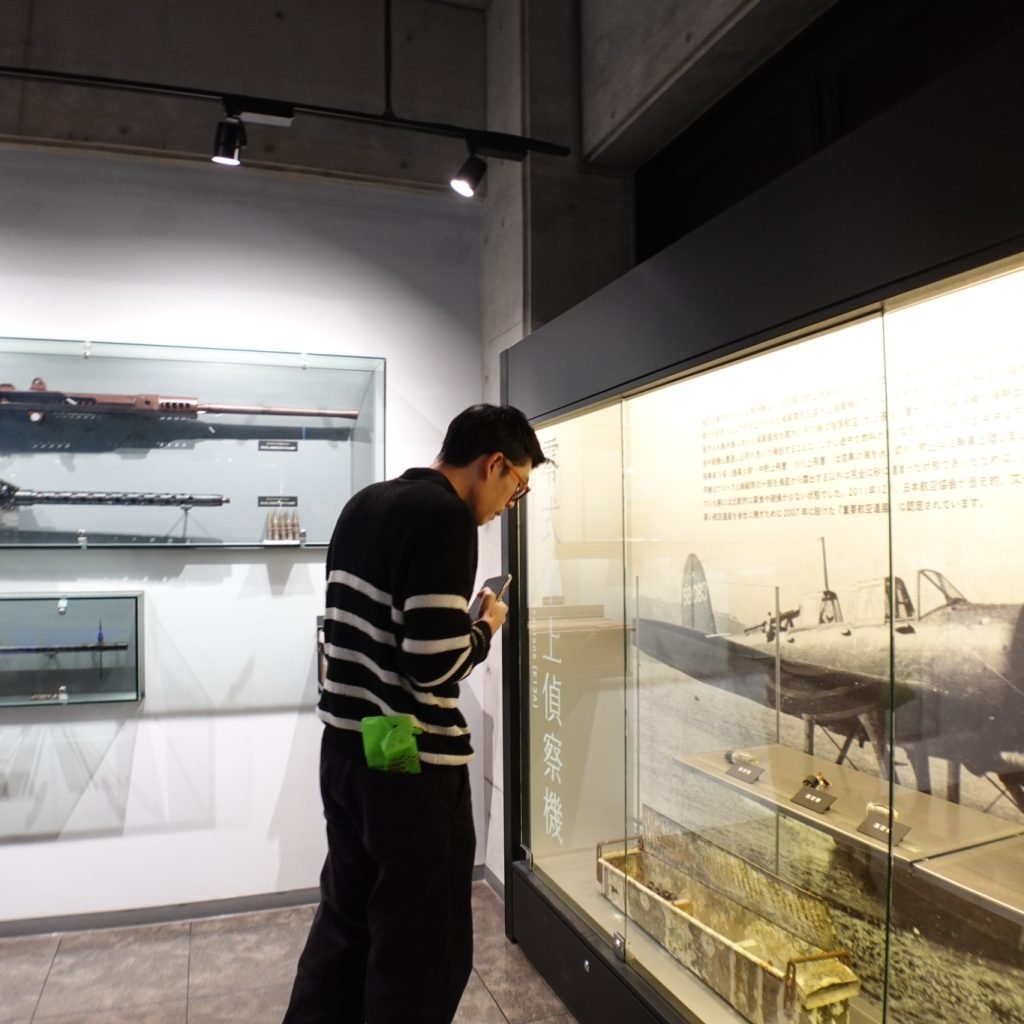
Photographs show faces rather than formations. Exhibits present letters without commentary telling visitors what to feel. The museum does not ask for admiration. It asks for attention.
This approach reflects a deeper truth about Chiran. Memory here is not heroic. It is restrained.
The town lives with its past rather than performing it. Former airstrips are now fields. Roads once used by military trucks are used by bicycles and farm vehicles. Life continues without erasure, but also without emphasis.
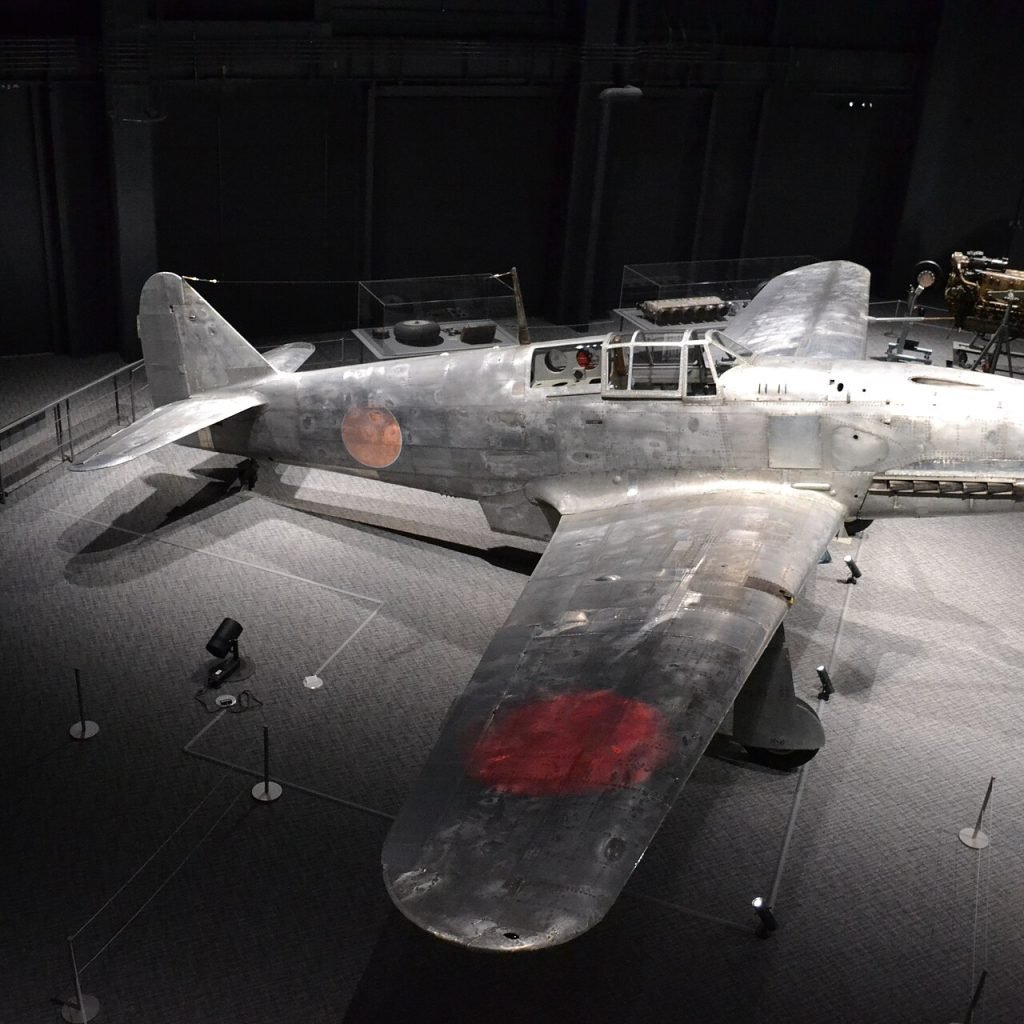
The Kawasaki Ki-61-II-kai Tony is one of several fighter aircraft models used in kamikaze attacks.
Walking through Chiran today, it is difficult to reconcile the calm landscape with the intensity of what occurred. This tension is deliberate. It forces visitors to confront the distance between ideology and lived reality.
Kamikaze is often discussed in abstract terms, framed as fanaticism or cultural extremity. Chiran dismantles that abstraction. It reveals the cost of desperation when a state converts youth into strategy.
Traveling to Chiran with historical awareness requires restraint. This is not a place for dramatic reactions or simplistic judgments. It is a place for listening.
Walk the preserved houses where pilots stayed. Read the letters slowly. Notice how little is explained for you. Chiran does not guide emotion. It trusts visitors to bring their own.
The surrounding region reinforces this lesson. Southern Kyushu is known for its quiet landscapes and slow pace. The contrast between natural beauty and historical weight deepens reflection. The environment does not distract from memory. It frames it.
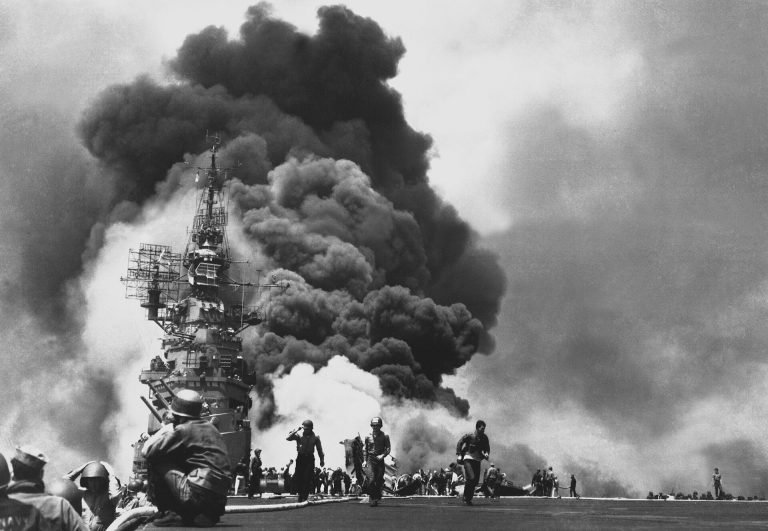
USS Bunker Hill hit by two Kamikazes
Chiran’s significance lies not in what it says loudly, but in what it refuses to resolve. There is no clear moral closure here. There is no triumphant ending. The war ended, but its ethical questions did not.
This is why Chiran matters.
It challenges how World War II is remembered in Asia. It complicates narratives of heroism and victimhood. It insists on humanity where ideology once dominated.
Chiran is where kamikaze stopped being a symbol and became memory.
To visit Chiran is to encounter the limits of explanation. It is to accept that understanding does not require agreement, and remembrance does not require glorification.
History here is not finished. It is contained carefully, waiting for those willing to approach it with humility.
Chiran is not a place to debate ideology.
It is a place to understand cost.
Visit the Chiran Peace Museum
with context, not admiration,
and let history speak through silence.


Comment (0)