

In many parts of the world, war is remembered through dates. The day it began. The day it ended. Victory days, liberation days, armistice days. Calendars anchor memory, allowing societies to place conflict neatly into history. Asia remembers war differently. Here, memory does not live primarily in dates. It lives in places.
This difference is not cultural preference alone. It is historical consequence.
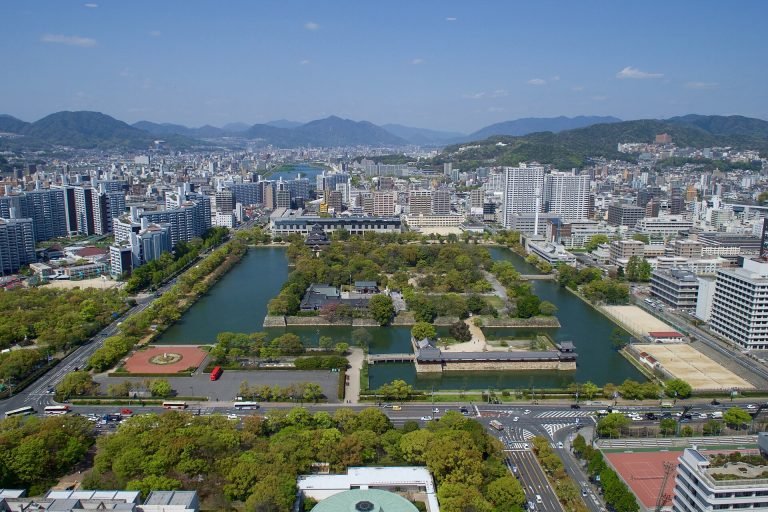
Hiroshima cityscape beyond official memorials
This imbalance is not accidental. It is the result of how history is recorded, whose voices shape narratives, and how suffering becomes legible to the world.
Asian wars are not forgotten by those who lived through them. They are forgotten globally because they were never translated into a universal historical language.
Global memory is not built on scale alone. It is built on narrative power. Certain wars become global because they are framed as moral turning points for humanity. Others remain local because they are framed as regional conflicts, colonial side stories, or internal struggles. Asia’s wars were often placed into these smaller categories, even when their human cost rivaled or exceeded those remembered worldwide.
World War II is often described as a single global event, yet it did not generate a single global memory. In Europe, the war produced a narrative of clear villains, clear defeat, and collective reckoning. Trials were held. Borders were redrawn. Responsibility was publicly assigned. The story could be told in a way the world understood.
In Asia, the same war fractured into multiple overlapping experiences.
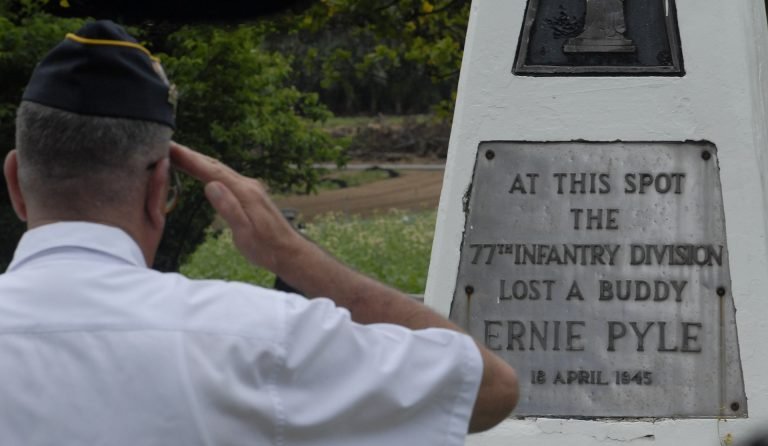
Civilian war memorials in Okinawa
Across East Asia, Southeast Asia, and South Asia, World War II intersected with colonial rule, civil war, famine, and independence movements. There was no single ending that could anchor memory. For many societies, 1945 did not mark peace. It marked transition into another conflict.
This complexity made Asian wars difficult to narrate globally.
Colonialism played a decisive role in shaping which stories traveled. Much of Asia entered the twentieth century already under foreign domination. When war arrived, it did not interrupt sovereignty. It reinforced its absence. Civilian suffering occurred in territories that lacked political voice on the world stage.
When the war ended, former colonial powers returned to rebuild their own narratives. Asian suffering was absorbed into imperial footnotes rather than elevated into universal memory.
In Vietnam, wartime famine killed millions, yet this catastrophe rarely appears in global histories of World War II. It is remembered locally as a defining trauma, but globally as a marginal episode.
In Indonesia, Japanese occupation dismantled Dutch rule, setting the stage for independence, yet the violence endured by civilians remains peripheral in international narratives.
Civilian death in Asia often lacked global language. Europe’s suffering was framed through genocide, camps, and liberation narratives that fit emerging human rights discourse. Asian suffering occurred through forced labor, famine, mass displacement, and indiscriminate violence that resisted simple categorization.
In Kanchanaburi, tens of thousands died building the Death Railway, yet global memory often centers on Allied prisoners, marginalizing Asian laborers whose deaths lacked documentation and advocates.
In Okinawa, civilians became part of the battlefield itself. Mass death occurred without clear perpetrators easily named. This ambiguity complicated international recognition.
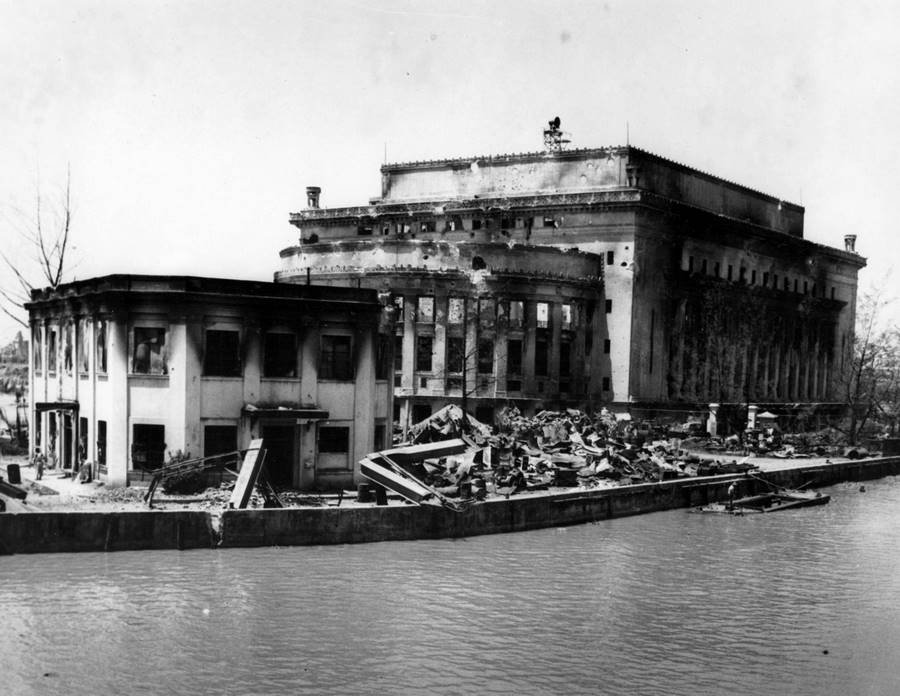
WWII destruction sites in Manila
Asian wars were also remembered without international stages. Europe hosted tribunals, memorial days, and institutionalized remembrance supported by international bodies. Asia rarely received comparable platforms. Trials were uneven. Apologies were partial. Responsibility remained contested.
Without global validation, memory stayed local.
Silence became a survival strategy. Speaking openly about wartime experiences could invite political danger, social stigma, or renewed conflict. Families preserved memory privately. Communities carried trauma quietly. This silence protected survival, but it limited global transmission.
Places became the primary vessels of memory.
In Hiroshima, the atomic bombing is globally recognized, yet understanding remains superficial without walking the city beyond its memorials. The place holds depth that global narratives flatten.
In Nagasaki, war memory is embedded in hills, churches, and neighborhoods that never became global symbols.
In Manila, destruction rivaled Europe’s worst urban battles, yet the city’s suffering remains largely absent from global imagination.
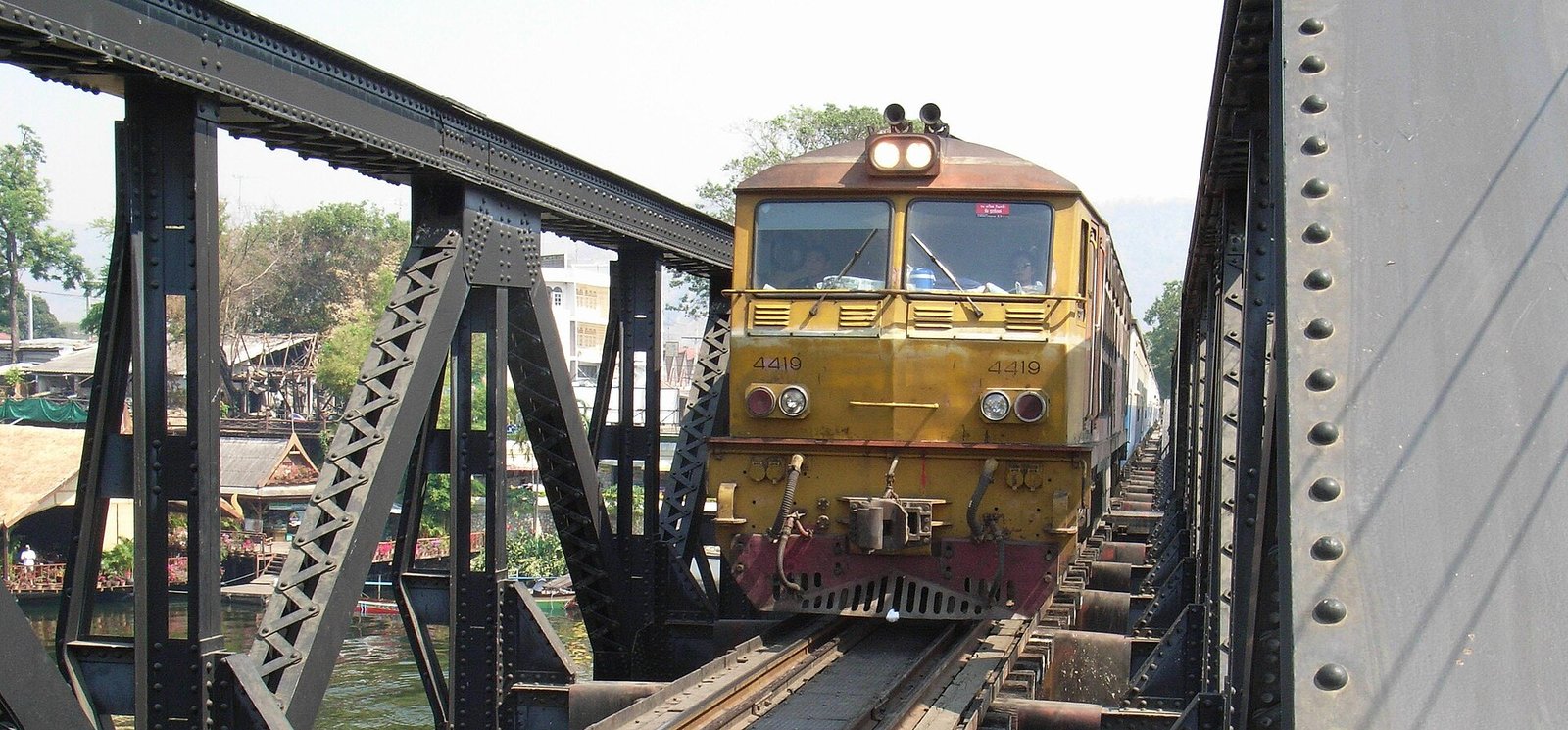
Death Railway landscape in Kanchanaburi
Asian wars remain local because they are preserved spatially rather than ceremonially. Memory is embedded in land, buildings, and routines. It does not announce itself to outsiders. It waits.
Global history often privileges events that can be summarized cleanly. Asian wars resist simplification. They involve overlapping perpetrators, victims, and consequences. Telling them honestly requires confronting colonial responsibility, civilian suffering, and unresolved injustice.
These are uncomfortable narratives.
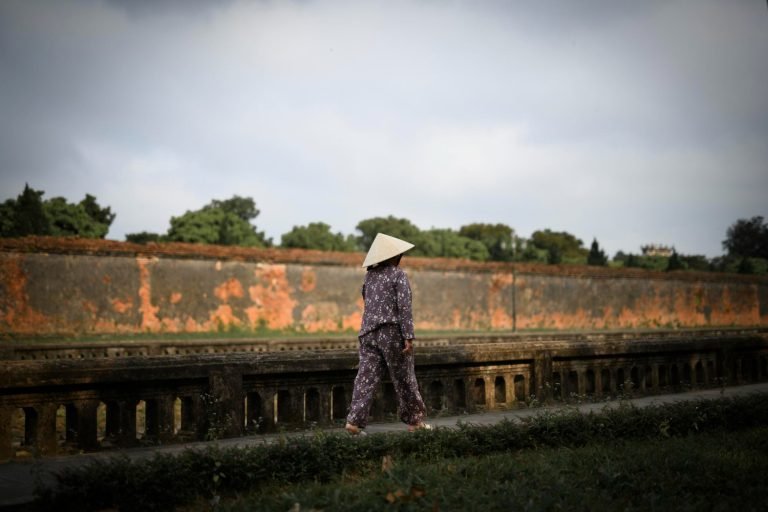
Seoul built over Korean War sites
Travel reveals what global memory overlooks. Standing in places where violence occurred makes absence visible. The lack of plaques, the quietness of memorials, and the ordinariness of life all point to histories carried without recognition.
To travel Asia with historical awareness is to encounter wars that were never globalized. It is to see how memory survives without audience.
Asian wars are remembered locally not because they mattered less, but because they were never framed for the world.
Understanding this gap is essential. It challenges how global history is constructed. It reveals whose suffering is considered universal and whose is considered regional.
Asia’s wars did not disappear. They stayed where they happened.
In places.
Many of Asia’s wars were never told to the world.
They were carried by land, cities, and families.
Travel through Asia not to consume history,
but to encounter the places where it still lives.
Comment (0)