

Shanghai did not become modern in spite of war. It became modern through it. Few cities in Asia illustrate this truth more clearly. Long before skyscrapers defined its skyline, Shanghai was shaped by conflict, coercion, and foreign power. War did not interrupt its rise. War structured it.
To understand Shanghai is to understand how violence and modernity arrived together.
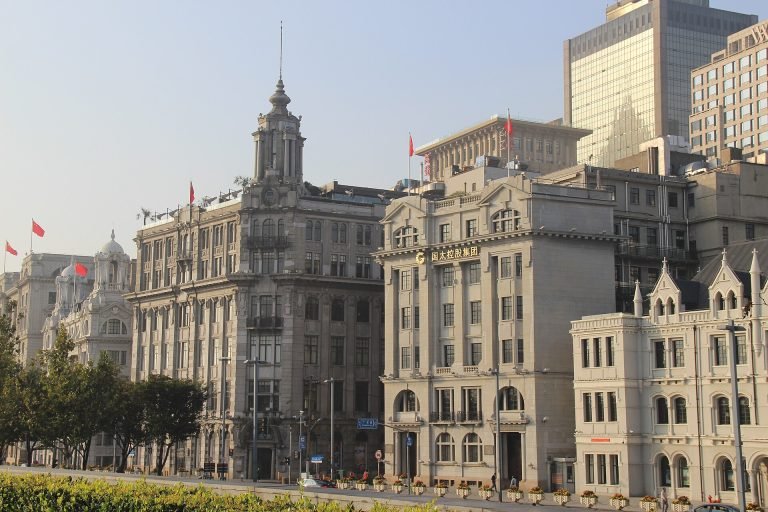
Colonial-era buildings along the Shanghai Bund
Before the nineteenth century, Shanghai was a regional port city. It was commercially active but not exceptional. Its transformation began not with industrial ambition, but with defeat. The First Opium War forced China to open treaty ports, and Shanghai became one of them. This opening was not voluntary. It was imposed.
From the beginning, modern Shanghai was born through unequal power.
Foreign concessions carved the city into jurisdictions governed by different legal systems. British, French, American, and later Japanese interests reshaped Shanghai’s economy and physical layout. Infrastructure expanded rapidly. Banks, factories, clubs, and apartment buildings rose along the Bund and beyond. Electricity, trams, and modern utilities arrived earlier here than in many Chinese cities.
Modernity arrived with boundaries.
For Chinese residents, Shanghai was both opportunity and humiliation. Jobs multiplied, but sovereignty fractured. The city offered access to global markets while reminding its inhabitants daily that they lived under foreign authority.
This contradiction defined Shanghai’s identity.
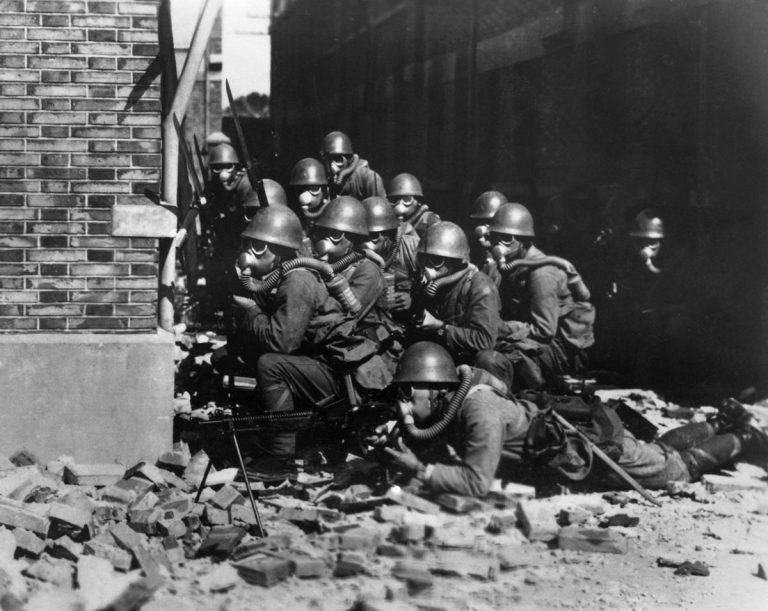
Streets of Shanghai under Japanese occupation
Unlike colonial capitals designed for administration, Shanghai functioned as a commercial battlefield. Competing powers invested, competed, and maneuvered within the same urban space. Capitalism thrived alongside espionage, crime, and political intrigue. The city became a node where global interests collided.
War did not stop this momentum. It intensified it.
When conflict expanded across East Asia, Shanghai became a strategic prize. The Battle of Shanghai in 1937 brought full-scale warfare into the heart of a modern metropolis. Unlike traditional battlefields, this was a city already wired with global infrastructure. Bombing, street fighting, and occupation unfolded amid banks, factories, and residential blocks.
Civilians were not removed from the equation. They were the environment in which war occurred.
Neighborhoods were destroyed selectively. Refugees flooded concessions seeking safety under foreign protection. The city fractured further, creating zones of survival amid chaos. War did not erase Shanghai’s modernity. It exposed its fragility.
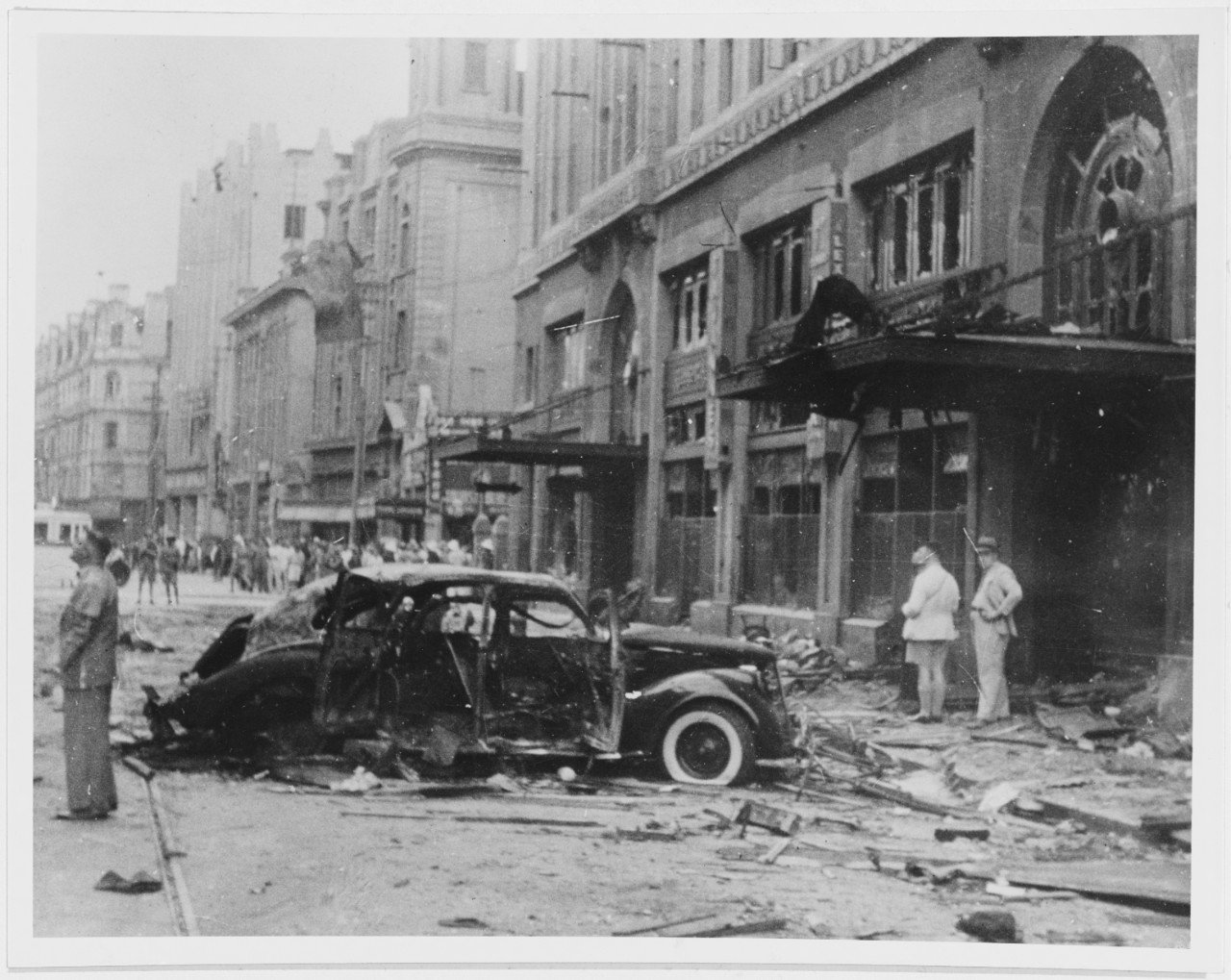
Urban destruction during the Battle of Shanghai 1937
Japanese occupation altered the city’s balance without fully dismantling it. Economic life continued unevenly. Some industries adapted. Others collapsed. The city learned to function under occupation, a pattern that would define its memory.
Shanghai experienced war not as total collapse, but as distortion.
This distinction matters. Unlike cities reduced entirely to ruins, Shanghai remained operational. Nightlife persisted. Trade continued. Daily routines adjusted rather than vanished. War became part of the city’s rhythm.
This coexistence created moral ambiguity. Collaboration and resistance intertwined. Survival often required compromise. Memory later struggled to categorize behavior cleanly.
When the war ended, Shanghai did not immediately process what it had endured. Revolution followed. Power shifted again. The Communist victory reframed history. Narratives were streamlined. The city’s cosmopolitan past became politically inconvenient.
Many layers of wartime memory were silenced.
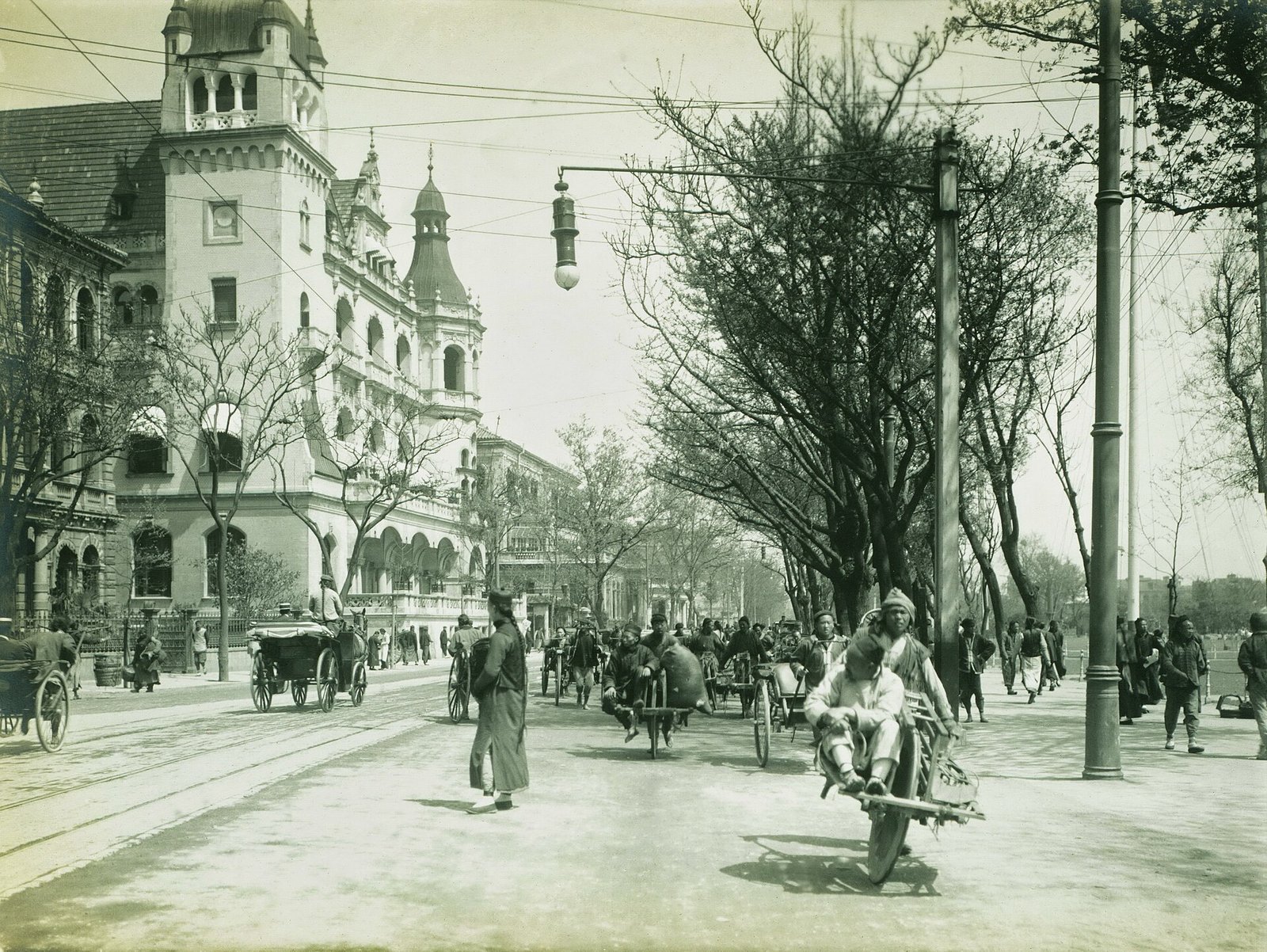
Former foreign concessions shaping old Shanghai
Buildings remained. Streets stayed where they were. But explanation faded. Shanghai’s skyline rose higher, drawing attention upward rather than backward. War receded into background texture.
Yet it never disappeared.
Walk along the Bund today and colonial facades still dominate the riverfront. Step into former concession neighborhoods and spatial hierarchies remain legible. Shanghai’s modernity carries scars beneath its polish.
This is what makes Shanghai unique. War here did not freeze the city in time. It accelerated transformation while embedding trauma into infrastructure.
Unlike cities that memorialize war through monuments, Shanghai memorializes through continuity. Life moved on without pause. Memory stayed embedded rather than announced.
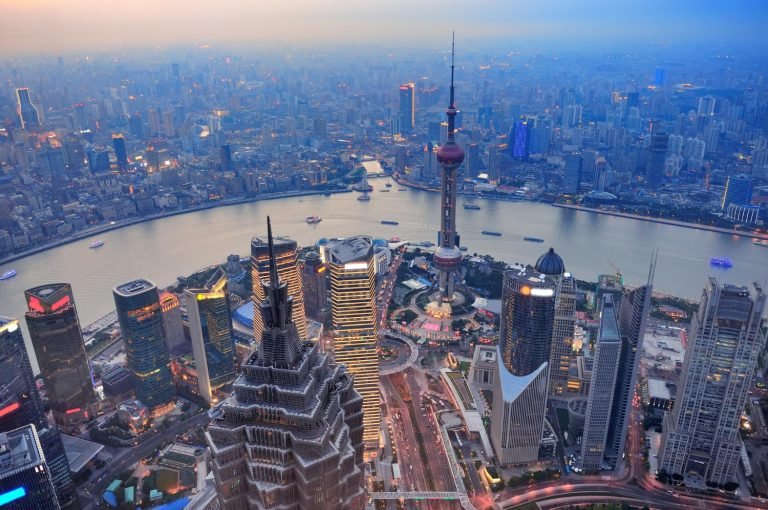
Modern Shanghai skyline layered over war history
For visitors, this creates dissonance. Shanghai appears relentlessly forward-looking. Its past feels invisible. Yet war history shapes why the city feels the way it does: restless, adaptive, and resilient.
Understanding Shanghai’s war history requires reading architecture, zoning, and urban flow rather than plaques.
The city teaches that modernity is not neutral. It is often built through coercion. Shanghai’s global status emerged through imperial pressure, conflict, and survival.
Traveling Shanghai with this awareness transforms experience. Streets become archives. Buildings become witnesses. Cafés operate inside former sites of power.
Shanghai is not a city that escaped war.
It is a city that absorbed it and kept moving.
Shanghai’s past is not behind glass.
It lives beneath its speed, scale, and ambition.
Walk beyond the skyline,
and let the city reveal how war and modernity arrived together.
Comment (0)