

Singapore’s relationship with World War II is defined not by ruins, but by restraint. Unlike cities remembered for destruction, Singapore is remembered for efficiency, survival, and rapid recovery. The war did not erase the city. It reshaped how the city chose to remember.
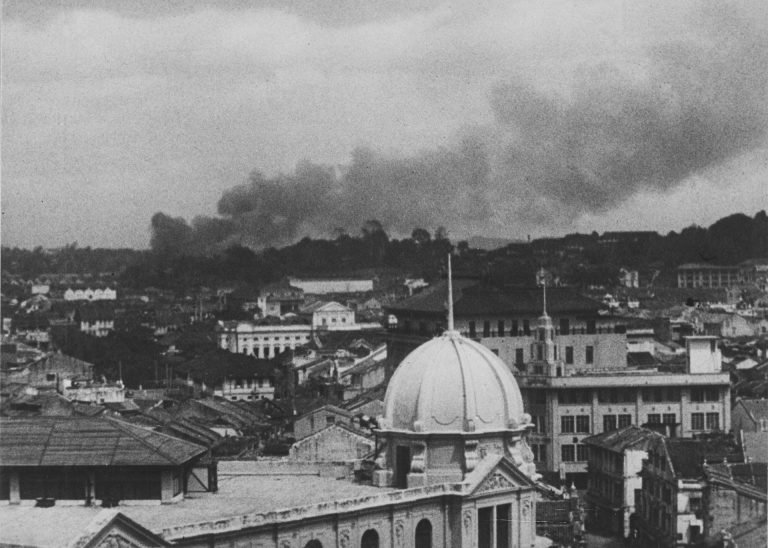
Sites of Japanese occupation in Singapore
Before the war, Singapore was one of the British Empire’s most important outposts in Asia. It was marketed as an impregnable fortress, protected by naval power and imperial confidence. The island represented order, trade, and colonial stability. Few believed it could fall.
That belief collapsed in February 1942.
The Japanese capture of Singapore stunned the world. British forces surrendered after a rapid campaign that overturned assumptions about imperial dominance. What followed was not a dramatic urban battle that reduced the city to rubble. It was something quieter and, for civilians, more enduring.
Occupation.
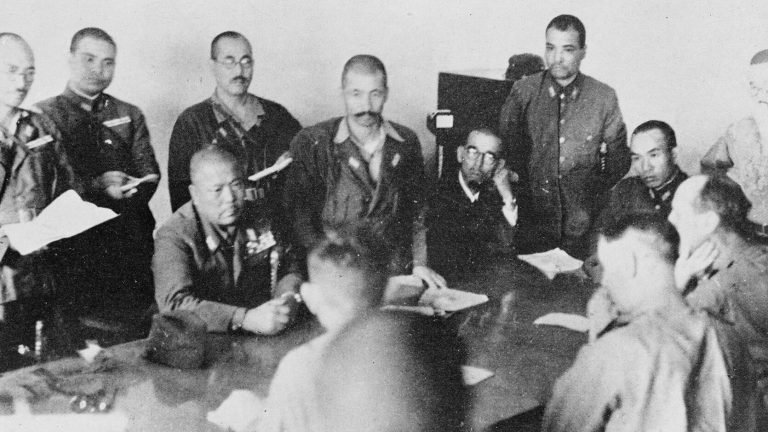
British Surrender
Under Japanese rule, Singapore became a city governed by fear, scarcity, and uncertainty. Public executions, food shortages, forced labor, and surveillance defined daily life. Violence was present, but not always visible. It was designed to control rather than annihilate.
Civilians learned how to survive without drawing attention.
This mode of wartime experience shaped how memory developed later. Singapore did not experience the kind of total destruction that freezes cities into symbols. Buildings remained standing. Infrastructure endured. The city continued to function.
The trauma unfolded internally.
One of the most defining aspects of the occupation was the systematic targeting of civilians suspected of disloyalty. These events were not always witnessed publicly, yet they were widely known. Fear circulated without spectacle.
Survival became pragmatic rather than heroic.
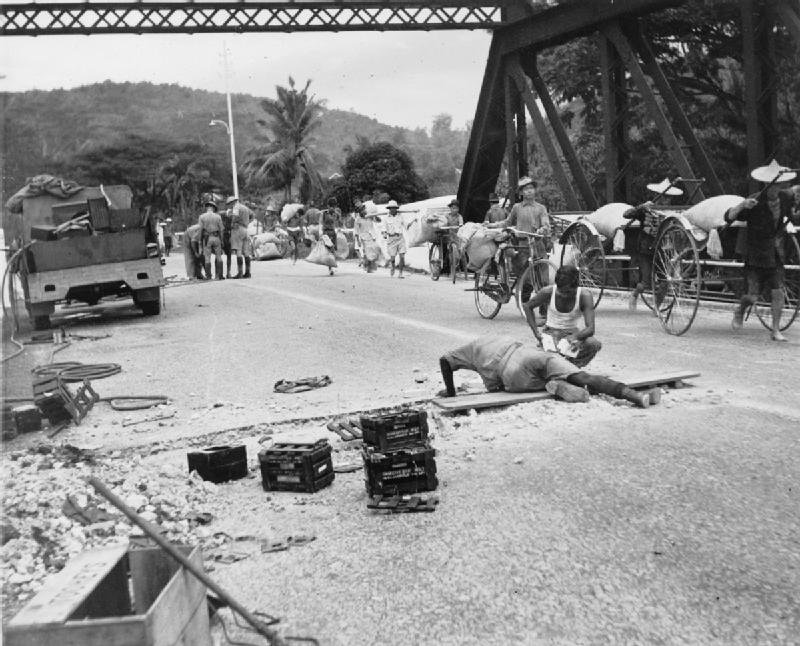
Royal Engineers prepare to blow up a bridge in Malaya
Unlike narratives that celebrate resistance or martyrdom, Singapore’s wartime story centers on adaptation. People complied when necessary. They hid when possible. They waited. Moral clarity was a luxury few could afford.
When the war ended, Singapore did not linger in mourning.
British rule returned briefly, but its legitimacy was irreversibly damaged. The occupation shattered illusions of imperial protection. Independence movements gained momentum. The city’s future pivoted rapidly toward self-governance and economic survival.
Memory became secondary to momentum.
As Singapore moved toward independence and later nation-building, the priority was stability. Economic growth, security, and cohesion took precedence. The past was acknowledged, but not foregrounded. Excessive dwelling on trauma risked division.
Silence became strategic.
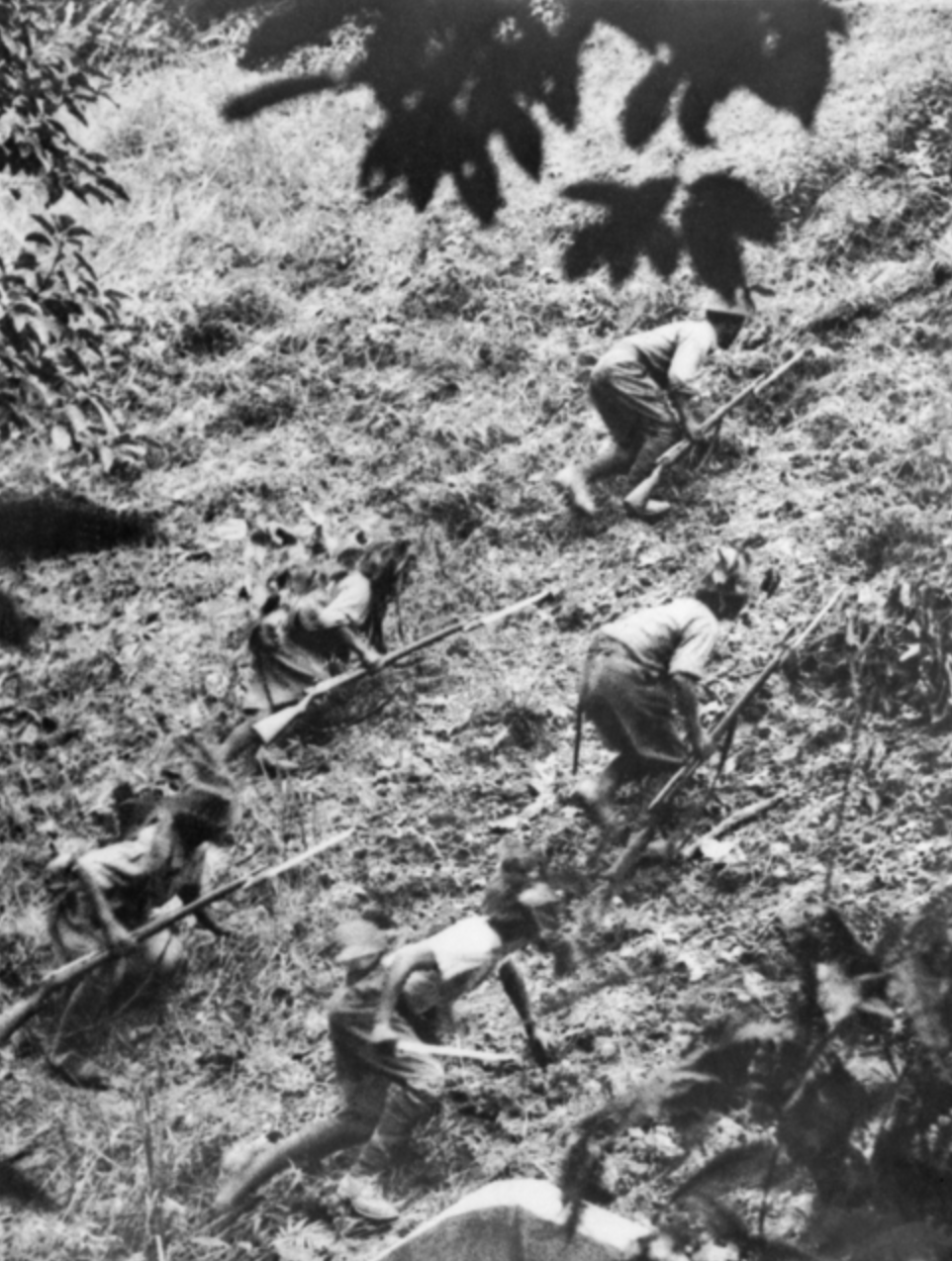
Japanese Soldiers In The Bukit Timah Area, About Six Miles From Singapore
This does not mean Singapore forgot the war. It means remembrance was carefully managed. Memorials exist, but they are understated. Narratives focus on resilience rather than victimhood. The war is framed as a lesson in vulnerability, not grievance.
This approach aligns with Singapore’s broader identity. The city-state emphasizes forward movement. History is treated as foundation, not destination.
Unlike cities where war memory dominates urban identity, Singapore absorbed its wartime experience into governance philosophy. The lesson was not emotional. It was operational.
Never assume safety. Always prepare.
Today, traces of World War II exist quietly across Singapore. Former internment sites sit beside modern developments. Beaches that once witnessed invasion are now recreational spaces. Bunkers are hidden beneath parks.
The city does not dramatize these places. They coexist with everyday life.
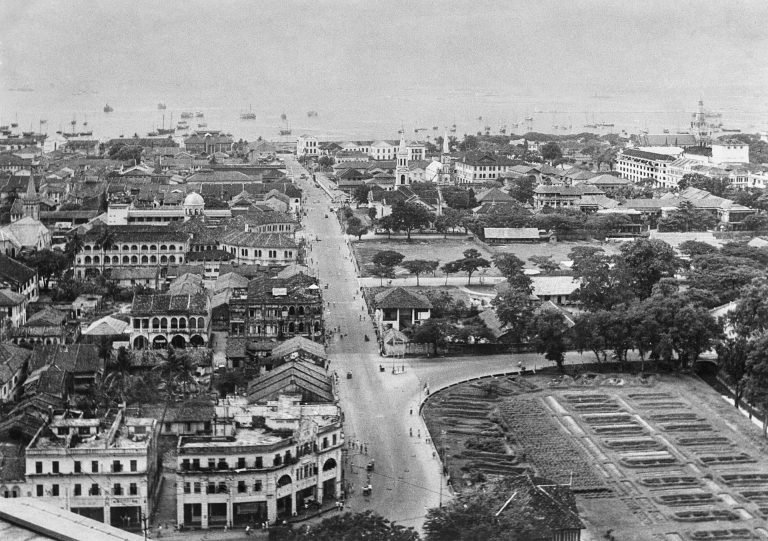
British Reoccupation of Singapore, 1945
For visitors, this creates an unusual challenge. War history is present, but not announced. It requires intention to find. Without guidance, one might walk through significant sites without realizing their past.
This subtlety reflects how Singapore processes trauma.
The war is remembered as a warning rather than a wound. It informs policies, planning, and preparedness. It does not dominate identity.
Singapore’s silence is not denial. It is control.
Understanding this silence is essential to understanding the city itself. Singapore is not built on forgetting, but on selective emphasis. The war shaped its obsession with security, efficiency, and autonomy.
Traveling Singapore with historical awareness reveals a different city. Beneath prosperity lies a narrative of vulnerability. Beneath order lies memory of collapse.
To walk Singapore beyond its skyline is to encounter a city that learned its lessons quietly.
The war did not destroy Singapore.
It taught it how fragile survival can be.
Singapore’s war history does not shout.
It waits beneath the city’s order and success.
Walk slowly, look carefully,
and let silence reveal what survival required.
Comment (0)