

In many parts of the world, silence is often misunderstood. It is mistaken for avoidance, weakness, or repression. In Asia, silence carries a different meaning. It is not the absence of thought or feeling. It is a learned response to history.
Silence in Asia did not emerge from philosophy alone. It emerged from necessity.
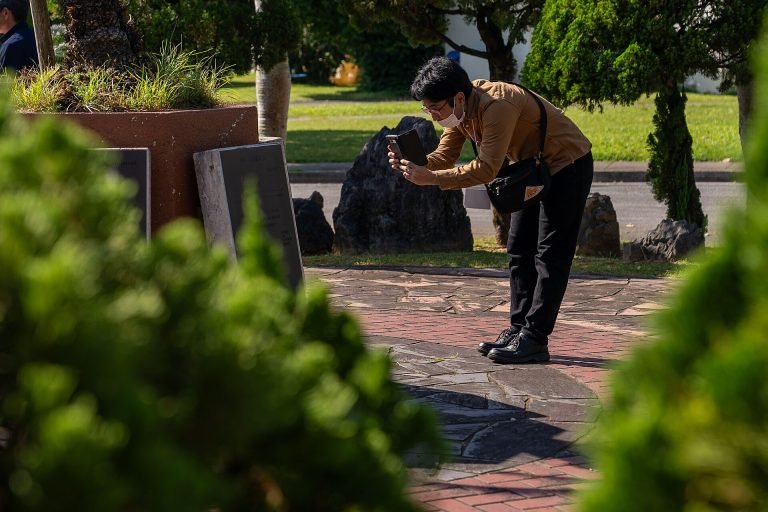
Quiet memorial spaces in Okinawa
Across centuries, people in Asia learned that survival often depended not on what was said, but on what was withheld. Words could attract attention. Attention could invite punishment. Silence became a way to remain intact.
This pattern intensified in the twentieth century.
Wars swept across Asia with unusual persistence. Conflict rarely ended cleanly. Occupations overlapped. Empires collapsed slowly. New regimes replaced old ones without guaranteeing safety. In such environments, speaking openly was rarely rewarded.
During wartime, silence protected families. It prevented accusations. It avoided drawing the gaze of authorities. Silence was not passive. It was active self-preservation.
In many Asian societies, civilians experienced war not as soldiers or strategists, but as those trapped between powers. The safest position was often invisibility. To speak too much was to risk becoming visible.
This dynamic shaped how trauma was processed.
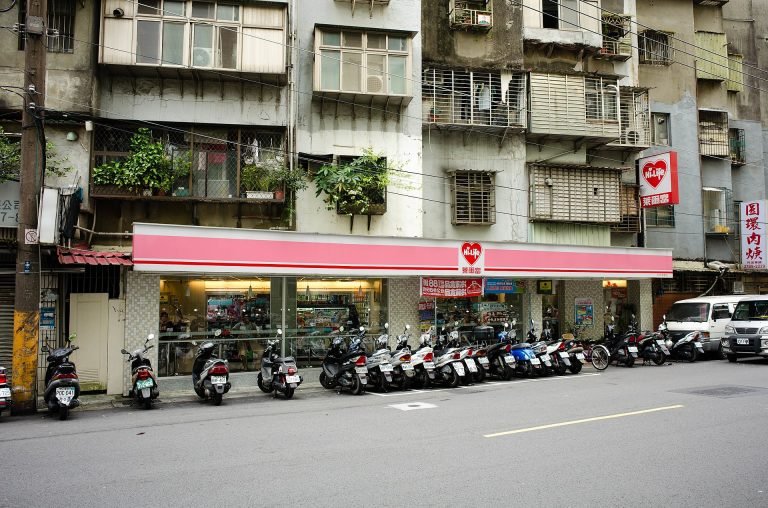
Japanese-era streets integrated into Taipei life
In Okinawa, survivors of World War II carried memories of civilian catastrophe for decades without public articulation. Silence allowed communities to function alongside ongoing military presence. Speaking too openly risked reopening wounds that had no path to resolution.
In Seoul, war never officially ended. Silence helped families live with uncertainty rather than confront it daily. The absence of a peace treaty made memory provisional.
In Taipei, layers of colonial rule, war, and authoritarian governance taught residents to navigate history carefully. Silence became fluency.
Empire reinforced this behavior. Colonial systems discouraged dissent and rewarded compliance. Speaking openly about injustice rarely produced change. Silence preserved dignity when resistance was impossible.
This does not mean people forgot.
Memory moved inward.
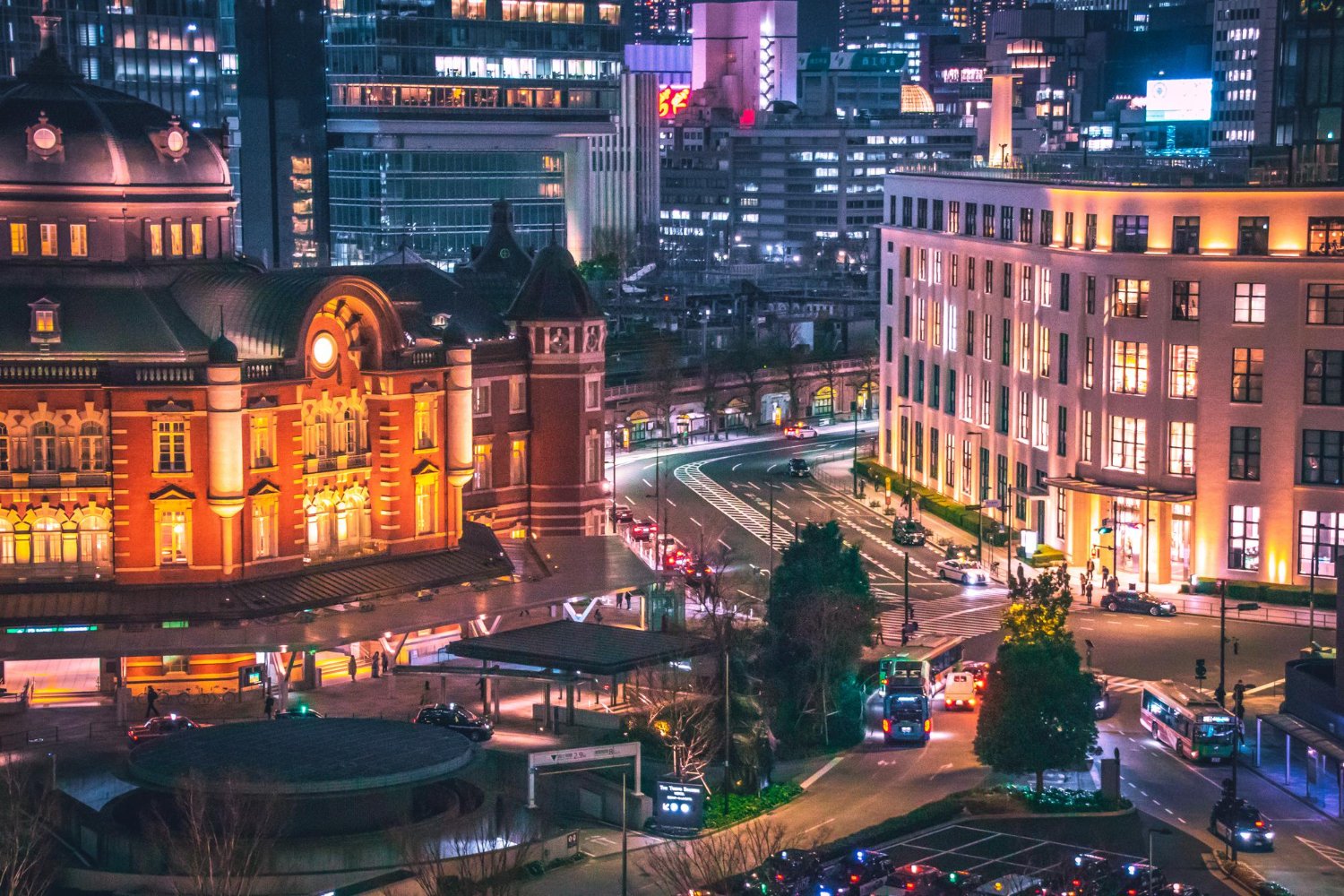
Old Shanghai concessions blending into modern city
Families became archives. Trauma was transmitted through habits, caution, and emotional restraint rather than stories. Children learned what not to ask. Elders learned what not to explain. Silence carried information without exposure.
This pattern extends beyond war.
In daily life, silence functions as social intelligence. It avoids conflict. It preserves harmony. It signals respect. These cultural expressions are not detached from history. They are shaped by it.
Silence allowed coexistence in diverse societies where confrontation could fracture fragile balance. It enabled survival under surveillance, occupation, and ideological shifts.
Cities across Asia embody this principle.
In Shanghai, war, revolution, and political upheaval unfolded rapidly. Survival required adaptation rather than expression. Memory embedded itself into architecture and routine rather than public discourse.
In Manila, massive wartime destruction was followed by urgent rebuilding. Silence allowed life to continue on ground that had no time to grieve.
Silence also protects complexity.
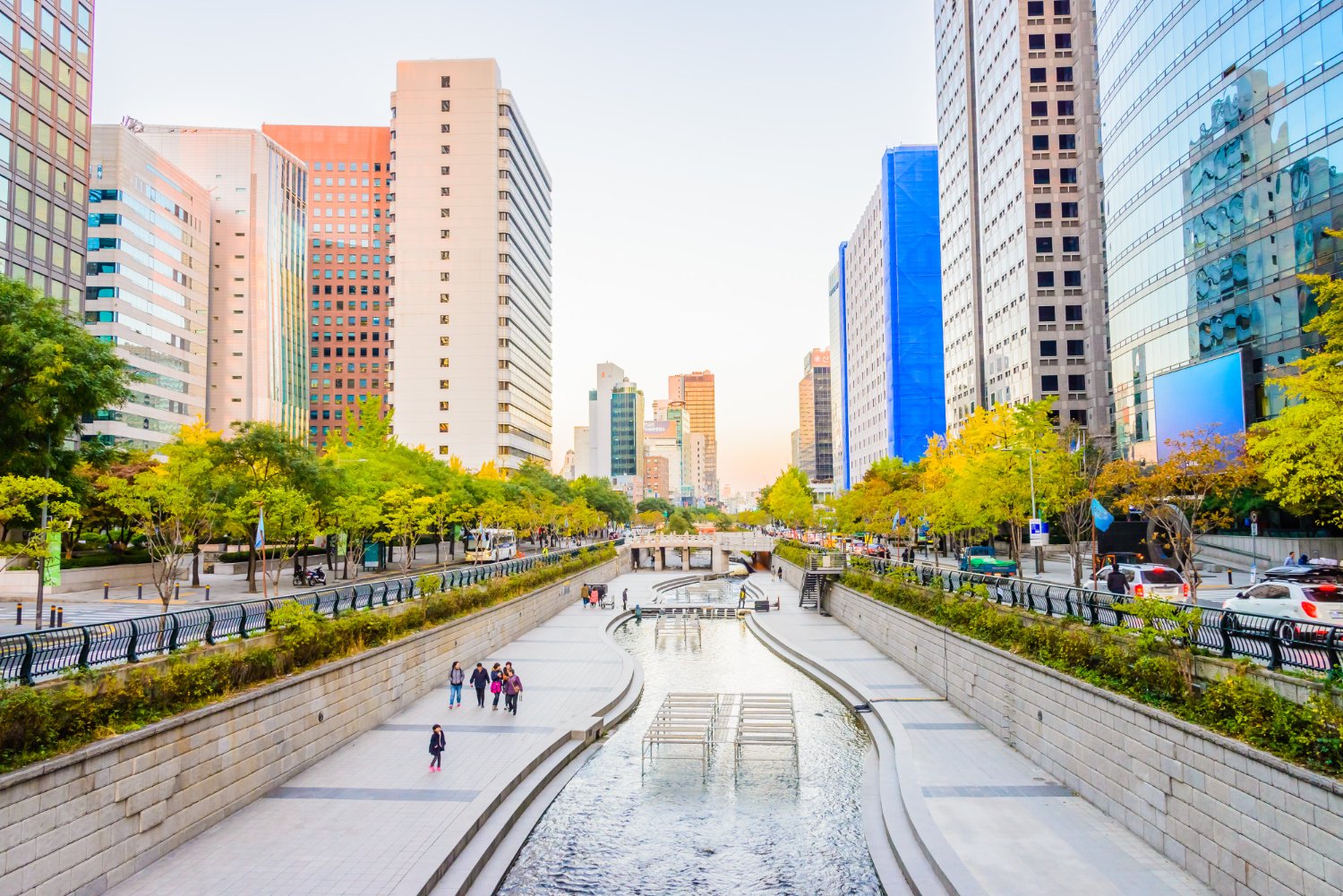
Seoul neighborhoods shaped by unresolved war
Asian histories rarely offer clear moral binaries. Victims and survivors often occupied ambiguous positions. Speaking openly risks simplification. Silence allows contradiction to exist without resolution.
This does not mean silence is always healthy. It can conceal pain. It can delay healing. Yet it explains why Asia remembers differently.
Silence is not forgetting.
It is endurance.
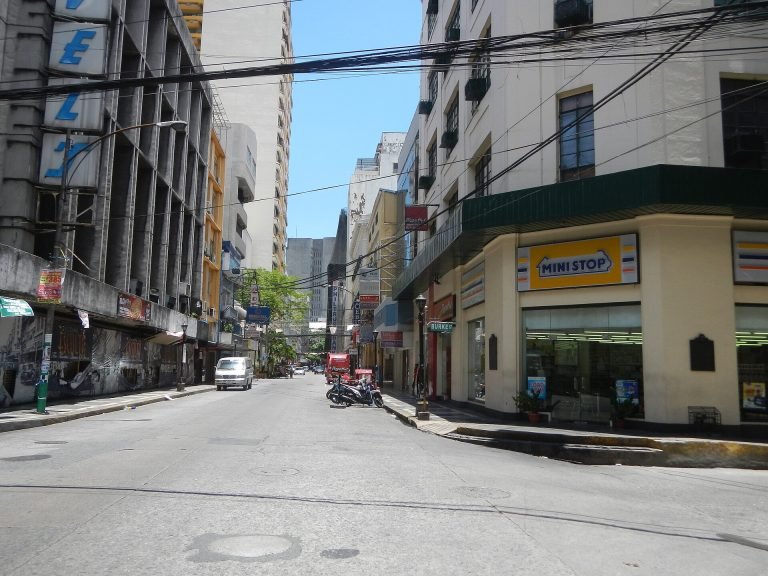
Manila streets built over wartime history
Traveling Asia reveals this truth quietly. Memorials are understated. Ruins are rare. History is woven into daily environments rather than displayed. To understand, one must observe patterns rather than listen for declarations.
Travelers who expect explanation may miss meaning.
To walk Asia with awareness is to read what is implied rather than stated. A street name, a building’s orientation, a neighborhood’s absence all communicate history without words.
Silence in Asia is a skill passed down through generations shaped by war, empire, and uncertainty. It allowed people to live when expression was dangerous. It remains embedded in behavior, space, and memory.
Understanding this silence does not require breaking it.
It requires listening differently.
Asia does not always explain itself.
It invites observation instead of answers.
Travel slowly, listen carefully,
and let silence show you how survival shaped a continent.
Comment (0)