

Trauma in Asia rarely announces itself. It does not always appear as dramatic memory, open grief, or explicit storytelling. Instead, it travels quietly across generations, embedded in behavior, caution, emotional restraint, and everyday choices. Children inherit it without being told. Grandchildren live its effects without knowing its origin.
This persistence is not psychological coincidence. It is historical consequence.
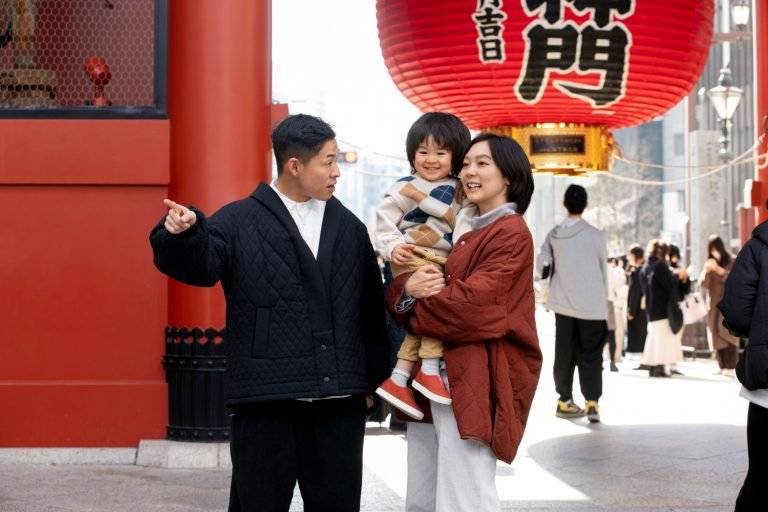
Asian families living with unresolved war legacy
Across Asia, trauma was rarely given the conditions needed to end. Wars overlapped with colonization, occupation, famine, and political repression. Survival was prioritized. Recovery was postponed indefinitely.
Trauma did not resolve. It adapted.
In many Asian societies, the twentieth century did not offer clean transitions from war to peace. Instead, violence dissolved into new forms of instability. Occupation gave way to civil war. Independence arrived alongside authoritarianism. Economic survival demanded silence.
Trauma requires closure to heal. Asia rarely received closure.
For millions of civilians, war was not an event but an environment. Entire families lived under conditions of scarcity, fear, and uncertainty for years or decades. These experiences reshaped nervous systems, trust, and emotional expression. When the external threat receded, the internal patterns remained.
Children born after the war inherited these patterns.
They learned vigilance without context. They sensed fear without explanation. They absorbed restraint as normal. Trauma passed not through stories, but through atmosphere.
In Okinawa, survivors of World War II raised families amid ongoing military presence. The war did not feel finished. Trauma stayed current. Silence became the safest inheritance.
In Seoul, the Korean War never officially ended. Families lived with permanent uncertainty. Trauma was not historical. It was active.
In Taipei, colonial rule, war, and later martial law taught families that memory could be dangerous. Trauma traveled quietly, disguised as discipline, ambition, and emotional distance.
Asian trauma also traveled because it was never externalized.
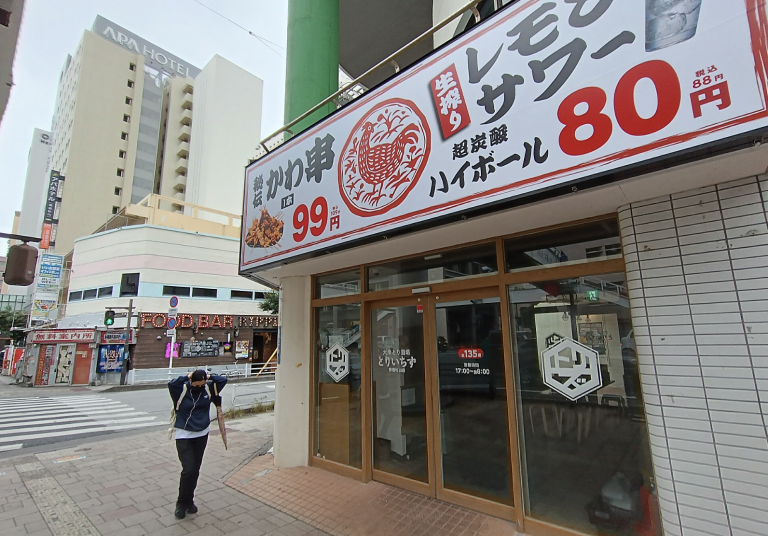
Everyday life in Okinawa shaped by war legacy
In many Western contexts, trauma is processed through public discourse, therapy, and institutional recognition. In Asia, trauma was often privatized. Speaking openly could invite danger, shame, or political consequences. Silence was adaptive.
Families became containers.
Parents protected children by not speaking. Children learned not to ask. Trauma was not denied. It was managed.
This form of transmission is subtle but powerful. Emotional regulation replaces expression. Stability replaces vulnerability. Success replaces reflection. These strategies help families survive, but they also carry unresolved pain forward.
Cities reflect this inheritance.
Asian cities rebuilt rapidly after war. There was little space for mourning. Infrastructure mattered more than memory. Trauma embedded itself into urban rhythms rather than monuments.
In Manila, massive wartime destruction was followed by urgent reconstruction. Families rebuilt homes before processing loss. Trauma moved inward.
In Shanghai, war, revolution, and political campaigns unfolded in rapid succession. Each generation learned to adapt without lingering. Trauma became efficiency.
This is why Asian trauma often feels invisible.
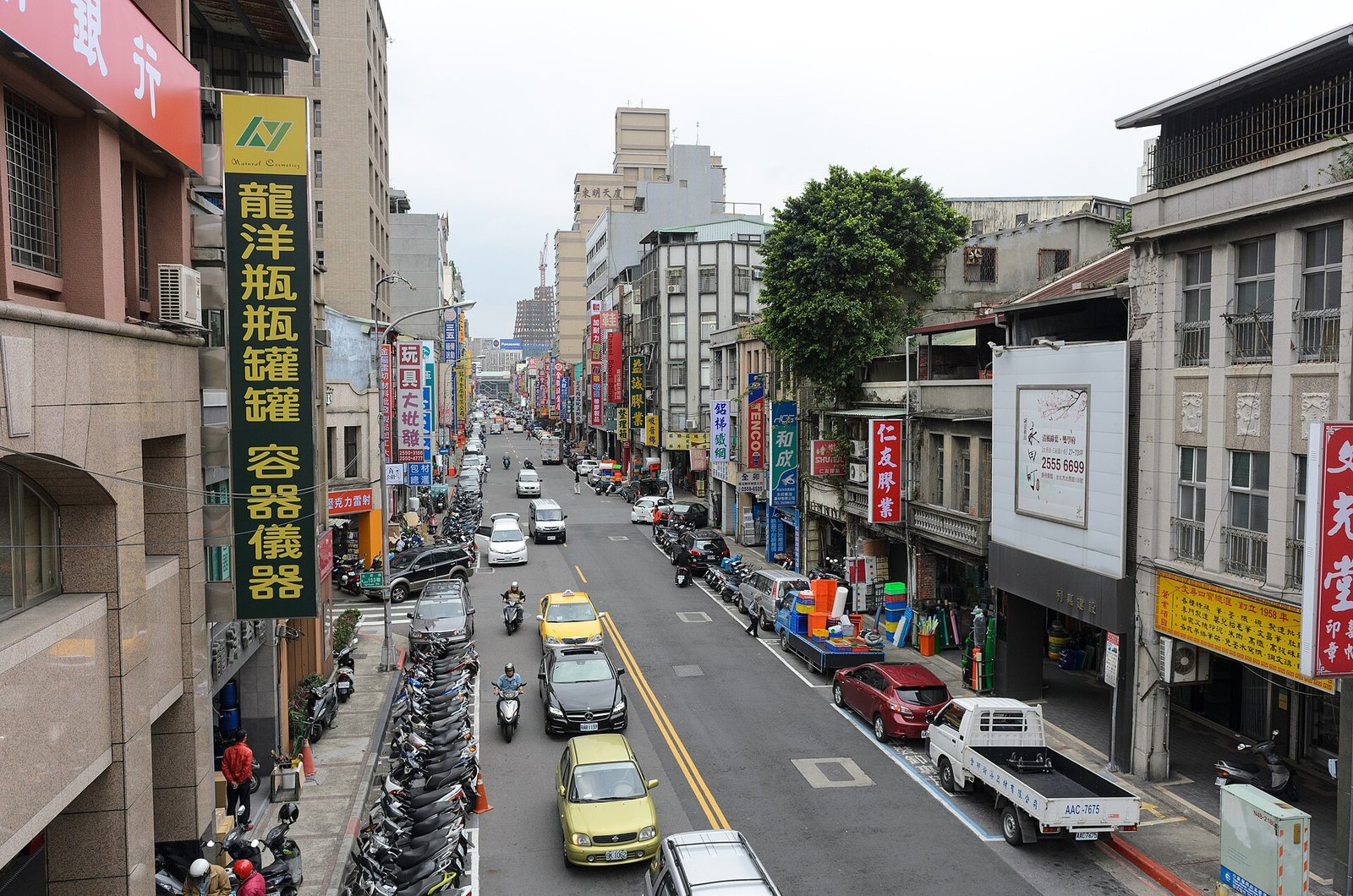
Historic streets of Taipei reflecting layered trauma
It is not marked by ruins or constant remembrance. It lives in work ethic, conflict avoidance, and emphasis on stability. It appears as emotional distance mistaken for coldness. It appears as silence mistaken for indifference.
Travel reveals this inheritance spatially.
Walking through Asia’s landscapes of memory shows how trauma settled into place. Former battlefields become neighborhoods. Mass graves become parks. Sites of fear become ordinary.
These places hold what families could not articulate.
In Hiroshima, public testimony emerged decades after the atomic bombing. Family silence lasted longer than international attention.
Trauma travels across generations in Asia because it was never allowed to stop moving. There was no pause long enough to process. No consensus safe enough to speak. No space secure enough to heal publicly.
Instead, trauma learned to survive.
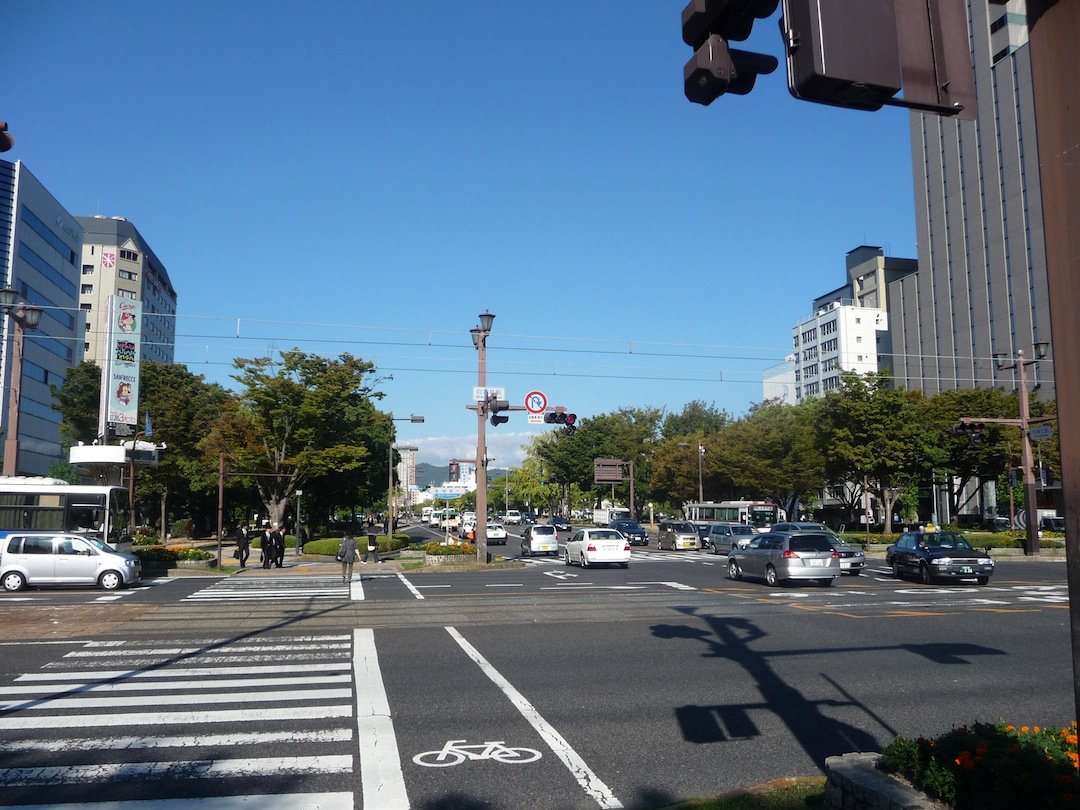
Daily life in Hiroshima shaped by intergenerational memory
Understanding this challenges simplistic interpretations of Asian culture. Emotional restraint is not innate. It is inherited adaptation. Silence is not absence. It is memory under protection.
Traveling Asia with this understanding transforms perception. What seems calm may be containment. What feels quiet may be full.
To walk Asia is to walk through intergenerational memory still unfolding.
The past is not behind.
It is carried forward.
Asia’s trauma does not always speak.
It travels through families, cities, and habits.
Travel slowly, observe carefully,
and let places reveal the memories that words could not carry.
Comment (0)