

In many parts of the world, wars are remembered as completed chapters. They begin, escalate, conclude, and eventually recede into history. In Asia, war often refuses this structure. Conflicts here do not always end. They pause, transform, or freeze in place. As a result, Asia’s wars remain ongoing stories rather than finished events.
This is not because Asia is inherently unstable or conflict-prone. It is because the conditions that produce closure were rarely present.
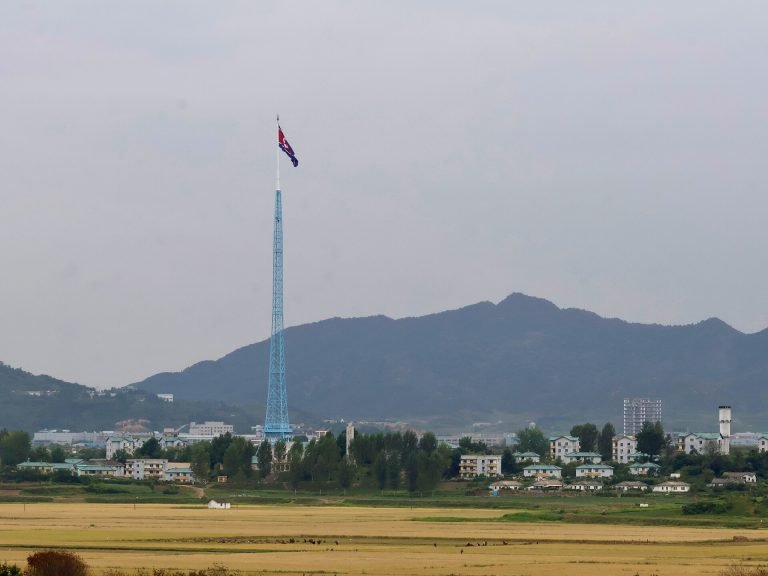
Landscape of the Korean Demilitarized Zone
Across Asia, wars frequently ended without resolution. Armistices replaced peace treaties. Borders hardened instead of healing. Occupations transitioned into new political realities without reconciliation. Civilians returned to daily life while the underlying conflict remained unresolved.
War became a condition rather than an episode.
One of the clearest reasons Asia’s wars remain ongoing stories is the absence of decisive endings. In Europe, major twentieth-century wars concluded with formal treaties, trials, and reconstruction plans. Responsibility was articulated. Borders were renegotiated. Memory was institutionalized.
In Asia, this process was incomplete.
The Korean War never officially ended. What exists instead is an armistice that froze the conflict in time. For residents of Seoul, the war is not history. It is present in divided families, military readiness, and a border that remains active decades later.
In Taiwan, the Chinese Civil War never formally concluded. The conflict transformed into political stalemate. The absence of resolution keeps war alive as narrative, threat, and identity.
Borders across Asia often did not emerge from mutual agreement. They were drawn by external powers or frozen by Cold War geopolitics. These borders preserved conflict rather than resolving it.
In Korean Peninsula, the Demilitarized Zone is not a symbol of peace. It is a reminder that war was suspended, not settled.
In South China Sea, overlapping claims reflect unresolved histories of empire, occupation, and postwar ambiguity. Conflict persists as negotiation without closure.
Civilian experience reinforces this continuity.
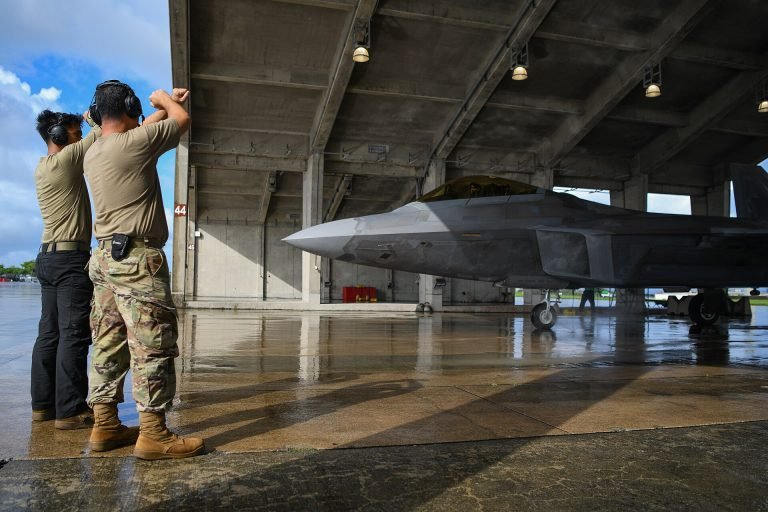
Military bases shaping Okinawa’s daily environment
For millions in Asia, war did not end when fighting stopped. Displacement, land loss, trauma, and military presence continued shaping life long after ceasefires. Civilians adjusted to ongoing uncertainty rather than celebrating peace.
In Okinawa, World War II officially ended in 1945, yet military infrastructure remained. The war became embedded in daily life through noise, land use, and political tension. For locals, the story never closed.
In Manila, massive destruction was followed by rapid rebuilding without comprehensive reckoning. The war faded from global memory, but its absence still shapes urban form and family histories.
Asia’s wars also remain ongoing because memory was rarely finalized.
In many societies, political conditions discouraged open discussion of past conflicts. Silence protected stability. Forgetting was encouraged. Yet suppressed memory does not disappear. It lingers unresolved.
When war memory is not processed publicly, it survives privately. Families pass down fear without context. Cities retain scars without explanation. Nations carry tension without narrative closure.
This produces wars that continue as stories rather than events.
Cities become archives of unfinished conflict.
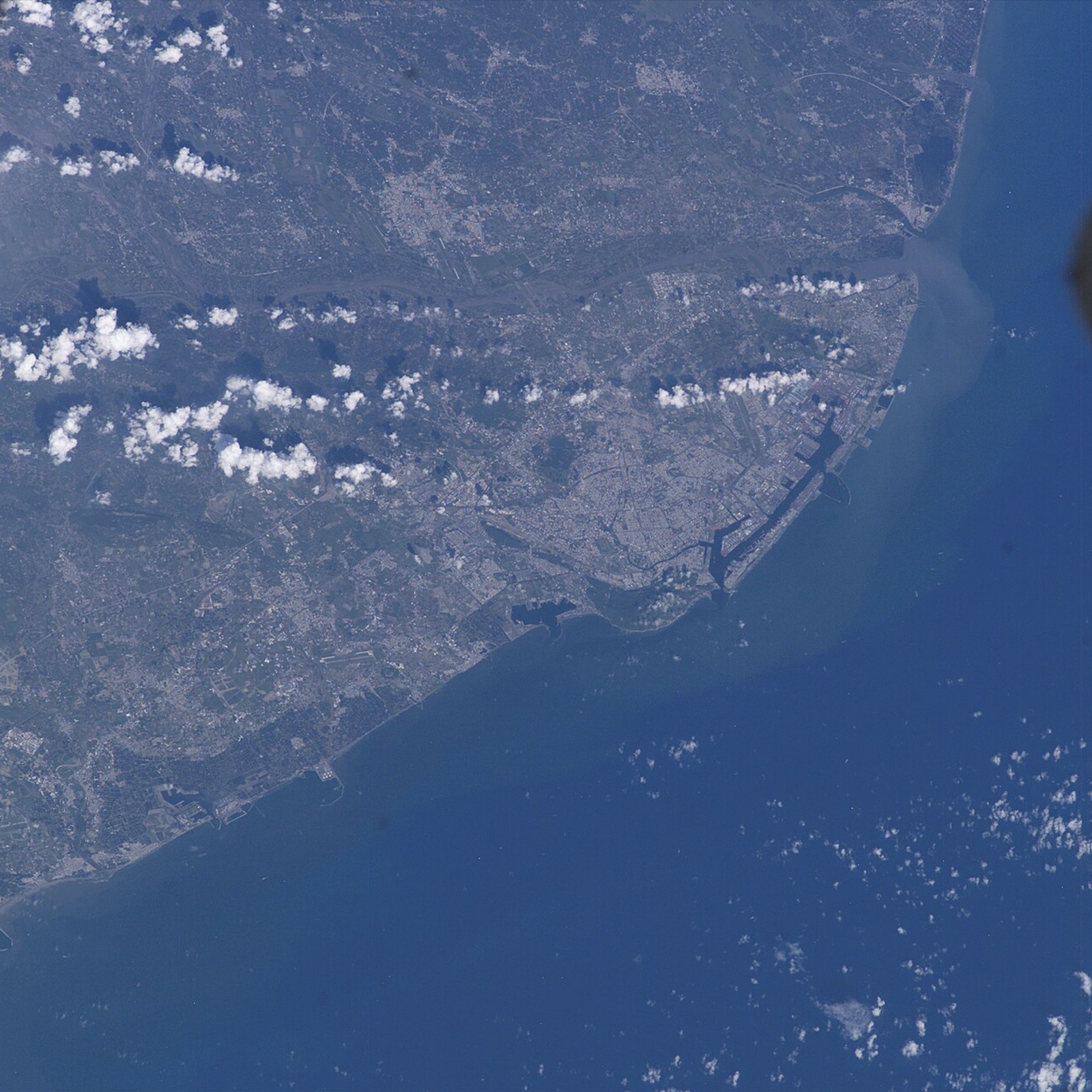
Geography of the Taiwan Strait and unresolved conflict: Image by Nasa
In Hiroshima, the atomic bombing is globally recognized, yet local memory extends beyond the moment of destruction. Survivors lived decades negotiating trauma that did not end with surrender.
In Shanghai, war, occupation, and revolution overlapped. Each phase ended without fully resolving the previous one. The city moved forward while carrying layered conflict.
Asia’s wars remain ongoing stories because they were absorbed rather than concluded.
Peace treaties formalize endings. Asia often received armistices, withdrawals, or power shifts instead. These mechanisms stop violence but do not resolve causes. Conflict continues in different form.
Traveling Asia reveals this continuity.
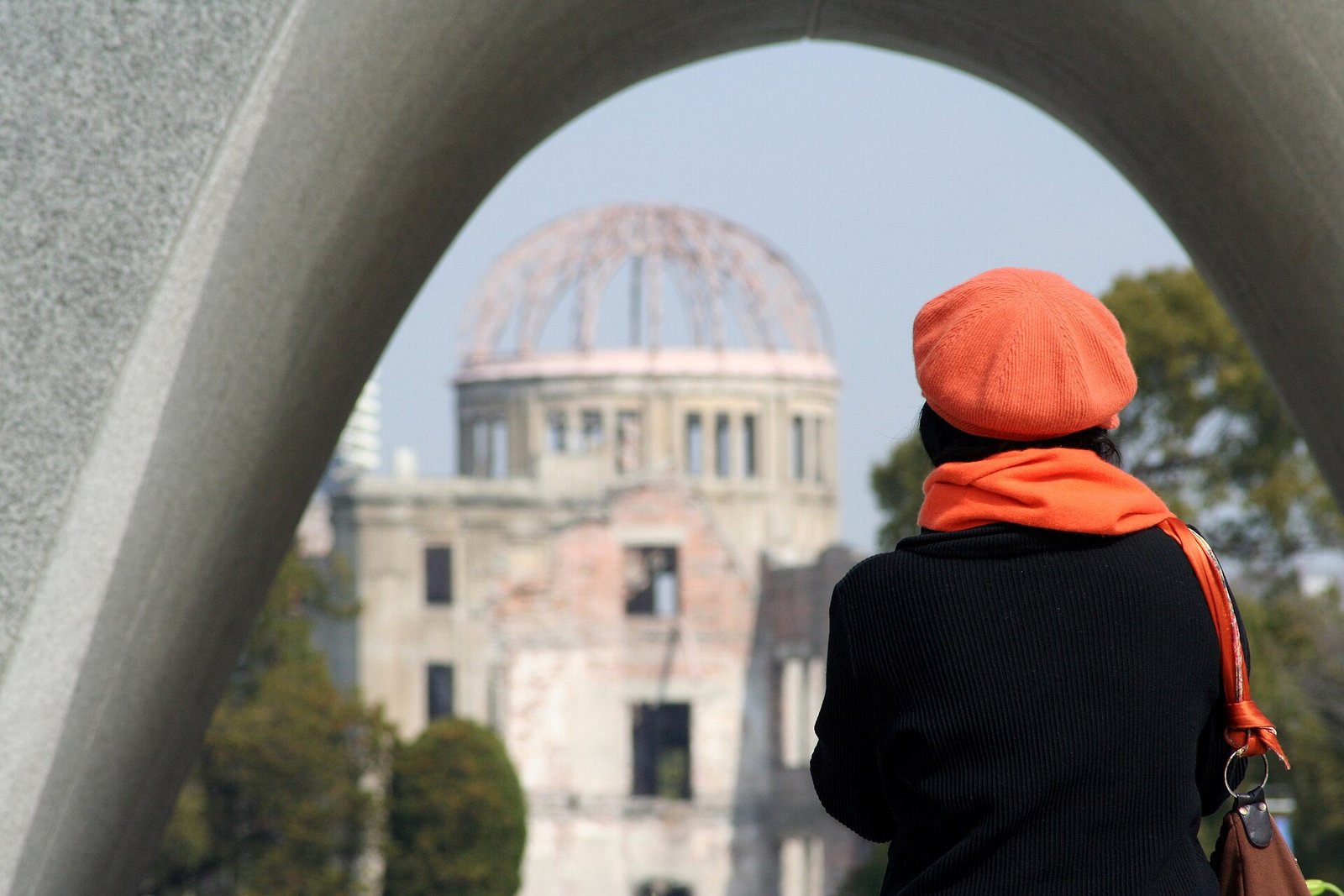
Everyday life in Hiroshima shaped by war legacy
Military zones coexist with tourist destinations. Former battlefields become neighborhoods. Borders remain tense while commerce flows. War is not absent. It is managed.
Understanding Asia requires recognizing that history here is not past tense.
It is present tense.
Asia’s wars remain ongoing stories because no one ever closed the book.
In Asia, wars rarely end cleanly.
They transform, pause, and persist.
Travel through Asia with awareness,
and you will walk inside stories that history never finished.
Comment (0)