

Burma did not enter World War II as a global power, a strategic mastermind, or a nation with choices. It entered the war as land. Roads, rivers, jungles, and villages became pathways for armies that were not Burmese. The country did not fight the war. It absorbed it.
This is why Burma, now known as Myanmar, is a country built on forgotten battlefields.
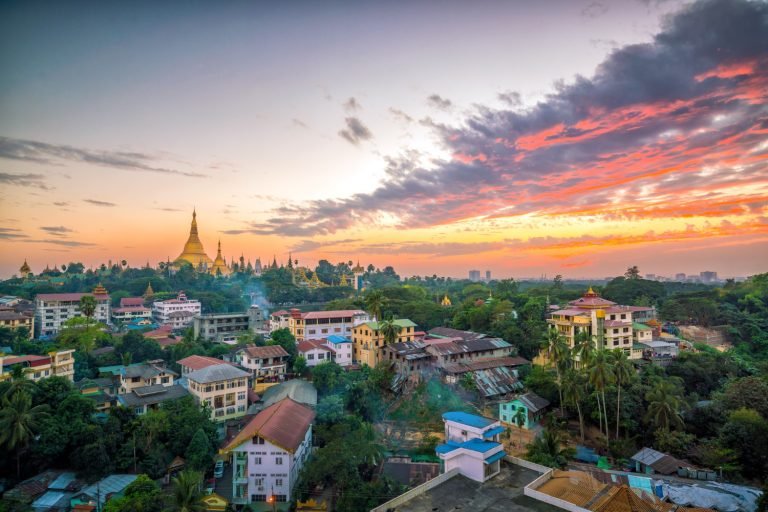
Jungle landscapes shaped by the Burma Campaign
Before the war, Burma was a British colony positioned as a resource corridor rather than a center of attention. Its value lay in geography. It connected India to China. It held oil fields, rice plains, teak forests, and river systems that could support armies. The British did not prepare Burma as a fortress. They treated it as buffer territory.
That decision shaped everything that followed.
When World War II expanded into Asia, Burma became unavoidable. Japanese forces advancing westward saw Burma not as an enemy state, but as terrain standing between ambition and supply. Allied forces saw it as a lifeline to China. What followed was one of the most brutal and least remembered campaigns of the entire war.
The Burma Campaign was not defined by grand victories or iconic photographs. It was defined by endurance, disease, exhaustion, and civilian entanglement. Fighting unfolded across jungles, mountains, and villages rather than cities. There were no dramatic ruins to preserve. There were only paths carved into land and bodies.
Civilians lived inside the war rather than beside it.
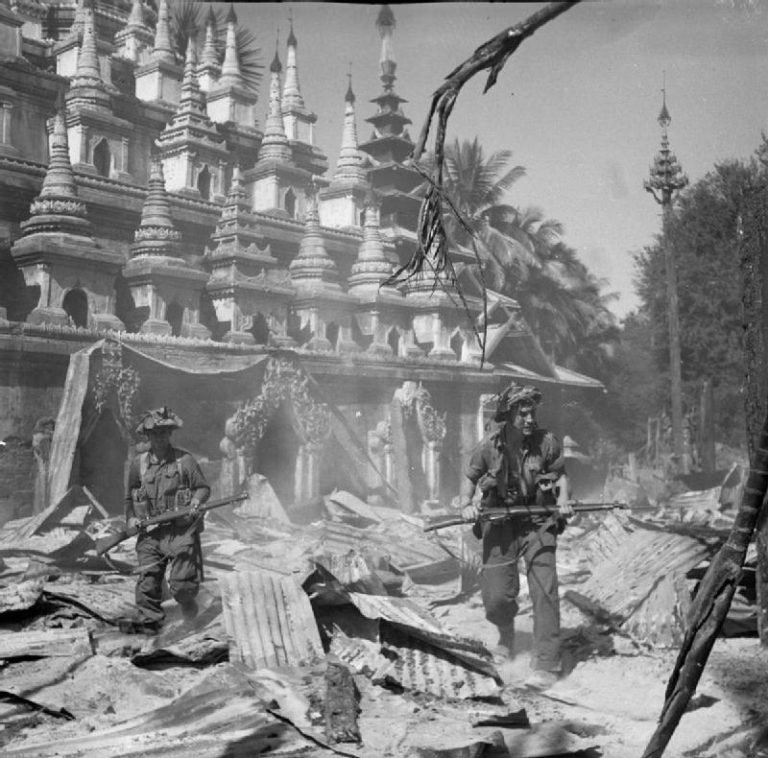
Remains of WWII in Myanmar
Villages became camps, supply points, and targets without warning. Roads were built rapidly and abandoned just as quickly. Rivers carried troops, refugees, and the dead. The front line moved constantly, making survival unpredictable.
For Burmese civilians, allegiance offered no safety. British retreat, Japanese occupation, and Allied return all brought requisition, coercion, and fear. Food shortages spread. Forced labor increased. Families fled repeatedly, often without knowing which army controlled the next village.
This kind of war leaves little behind that can be easily commemorated.
Unlike European battlefields marked by cemeteries and memorials, Burma’s war scars blended back into landscape. Jungle reclaimed trenches. Fields returned to cultivation. Villages rebuilt without ceremony. The absence of monuments did not mean the absence of memory. It meant memory stayed local.
After the war, Burma did not receive a moment of closure. Independence arrived in 1948, but it did not bring peace. Internal conflicts erupted almost immediately. Ethnic insurgencies, political instability, and military rule followed. The war dissolved into new forms of violence.
World War II never fully became “history” in Burma because another war replaced it.
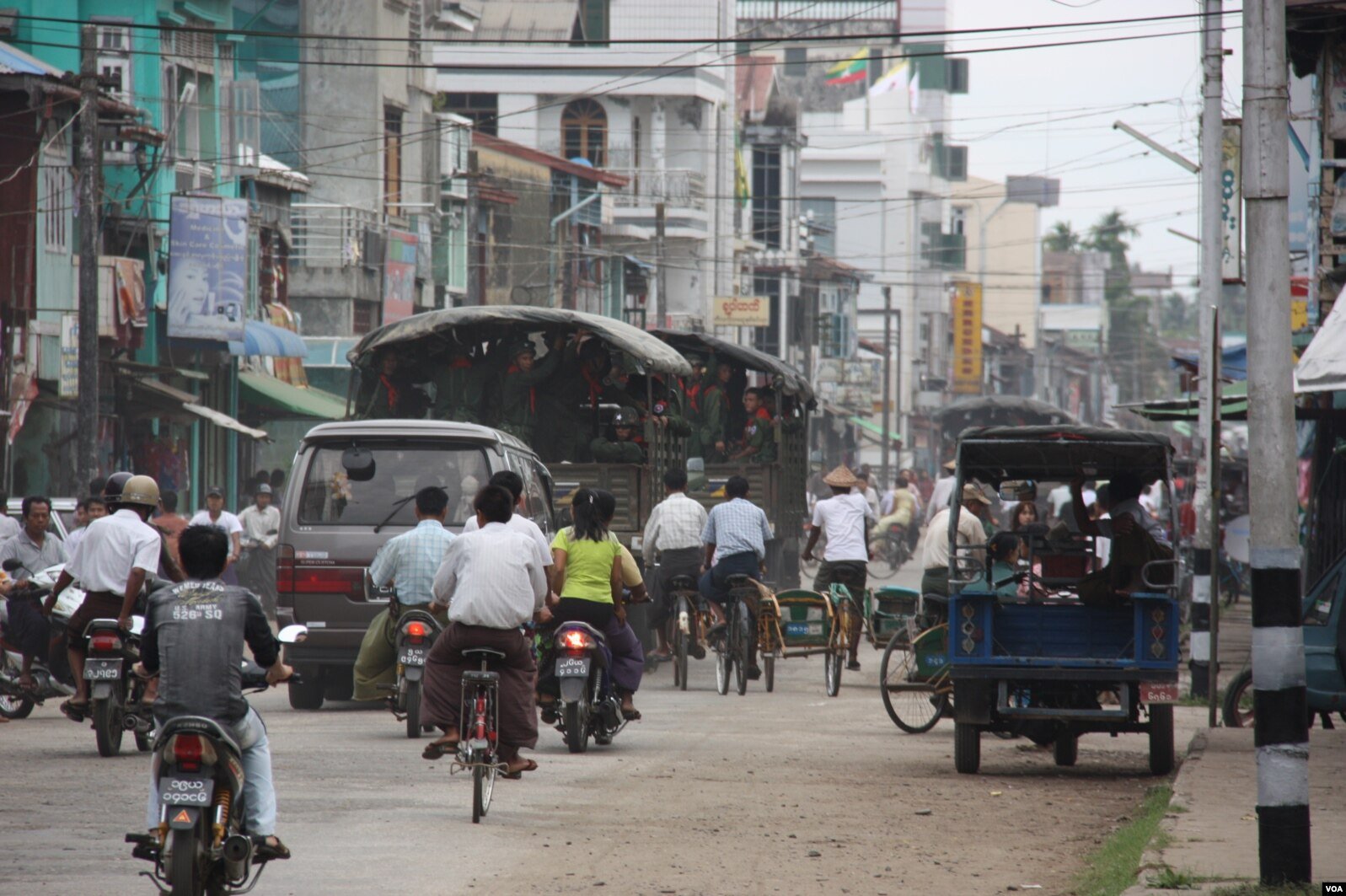
Rural Myanmar landscapes hiding war history
This continuity explains why Burma’s WWII battlefields remain largely unknown globally. There was no pause long enough to remember. Survival demanded forward motion.
Even today, large parts of Myanmar sit atop war geography without signage. Former airstrips are fields. Supply routes are highways. Camps are towns. The land remembers even when maps do not.
Memory in Burma exists without monument.
This absence can be misleading. Travelers often encounter Myanmar through pagodas, colonial architecture, and landscapes marketed as timeless. Yet beneath these images lies a country shaped by repeated militarization.
In Yangon, colonial streets reflect British ambition, but the surrounding regions supplied war logistics. In Irrawaddy River, water routes once carried troops and supplies. In the north, mountain paths once connected China through conflict zones now remembered only by those who lived there.
The war shaped Myanmar’s relationship with authority, mobility, and trust. Decades of instability reinforced caution. Silence became survival strategy. Families carried memory privately rather than publicly.
This is why Burma’s war feels invisible.
Global memory favors wars that can be narrated cleanly. Burma’s war was messy, prolonged, and unresolved. It involved multiple powers, shifting alliances, and civilian suffering without clear moral resolution. Such stories are difficult to globalize.
Yet they matter.
Understanding Burma’s war history explains much about modern Myanmar. The persistence of military influence. The fragmentation of authority. The deep regional identities shaped by survival rather than ideology.
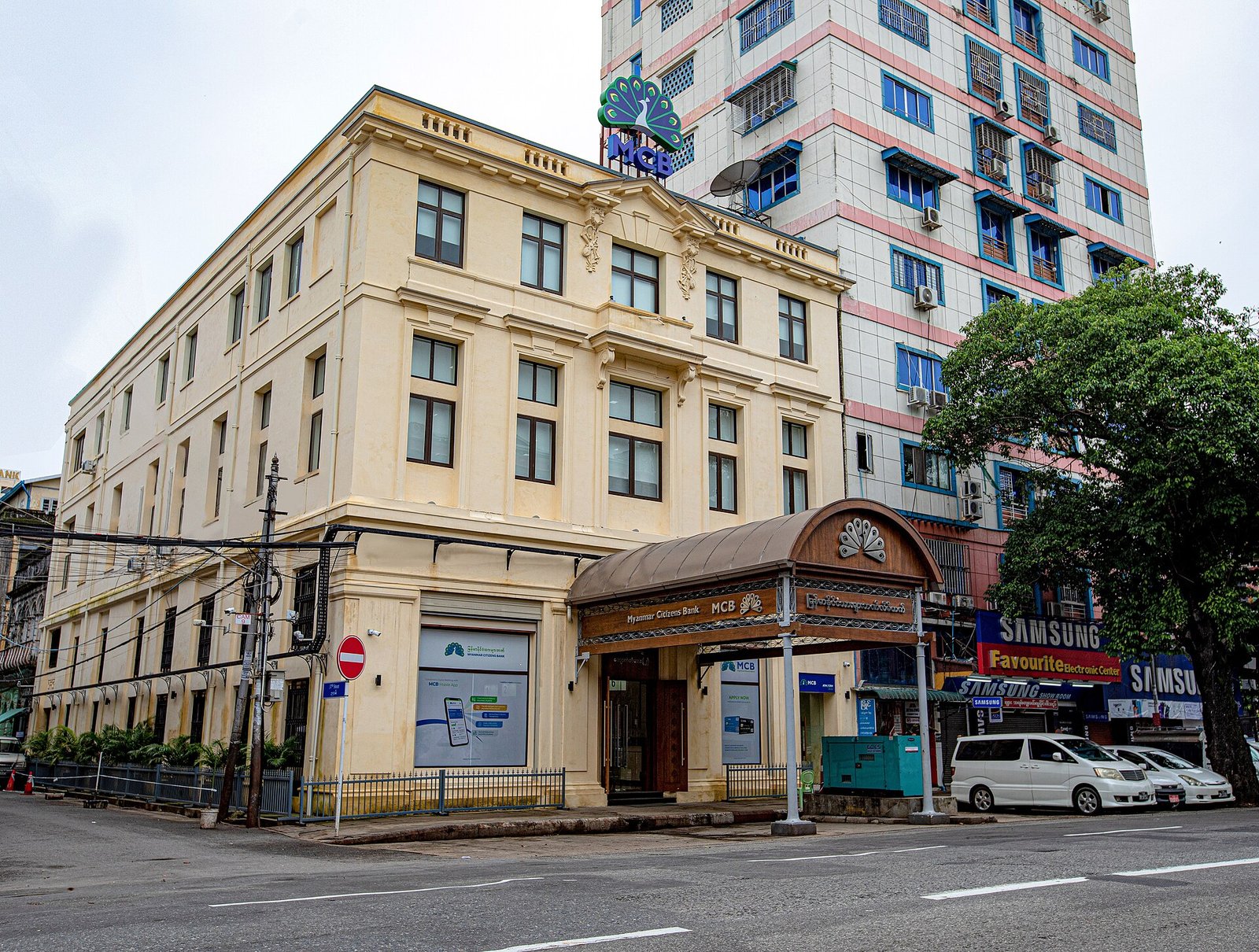
Colonial streets of Yangon connected to wartime logistics
Traveling Myanmar with historical awareness transforms experience. Pagodas remain beautiful, but they no longer stand alone. Roads feel heavier. Landscapes feel layered.
Walking through Myanmar means walking through land shaped repeatedly by war without ever being allowed to rest.
This is not dark tourism. It is contextual travel.
To travel Myanmar beyond pagodas and postcards is to recognize that beauty here coexists with endurance. The country’s calm surfaces mask a history of being used, crossed, and contested.
Burma was not destroyed in World War II.
It was consumed by it.
And then asked to move on.
Myanmar is not only a land of temples and traditions.
It is a country shaped by wars few remember.
Travel beyond pagodas and postcards,
and let the land itself tell the story history never finished.
Comment (0)