

Penang is often introduced through taste. Street food, hawker stalls, layered spices, colonial facades, and mural-lined streets dominate the global imagination. The island feels textured, charming, almost playful. Yet beneath this cultural vibrancy lies a wartime past that reshaped its society in ways still visible today.
Penang did not burn like Manila. It was not flattened like Hiroshima. It did not become a jungle battlefield like parts of Burma. It survived occupation physically intact. But survival is not the same as being unchanged.
Before World War II, Penang was one of the most important ports in British Malaya. Strategically located along maritime trade routes, it connected India, China, and Southeast Asia. Its multicultural society—Malay, Chinese, Indian, Eurasian—was shaped by commerce rather than nationalism.
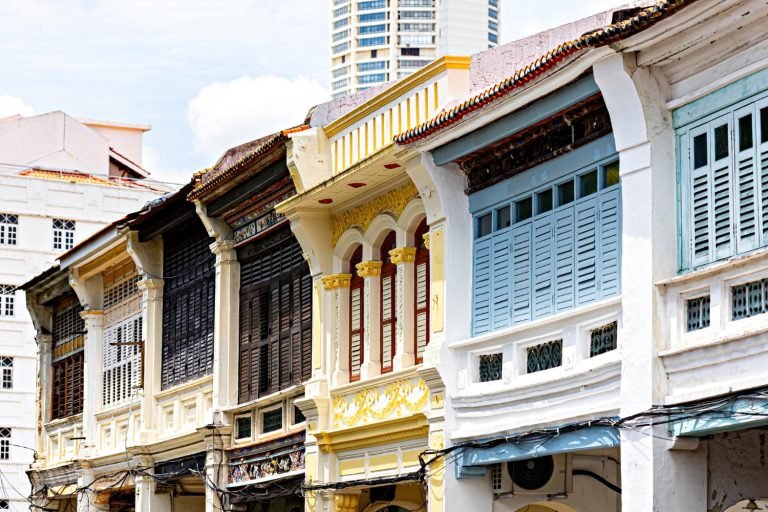
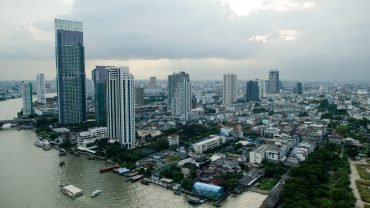
Heritage buildings in George Town reflecting colonial era
Under British administration, Penang’s colonial architecture symbolized order and control. Warehouses, courthouses, and mansions reflected imperial confidence. The port facilitated extraction and global exchange. Stability, at least outwardly, defined daily life.
When Japanese forces advanced through Southeast Asia in December 1941, Penang became vulnerable immediately. The fall of British defenses in Malaya unfolded rapidly. Penang’s position as a maritime hub made it strategically valuable but difficult to defend.
Bombings began. Civilians fled. British authorities retreated quickly, prioritizing larger military strategies over local stability.
The city’s experience of war began not with prolonged siege, but with sudden abandonment.
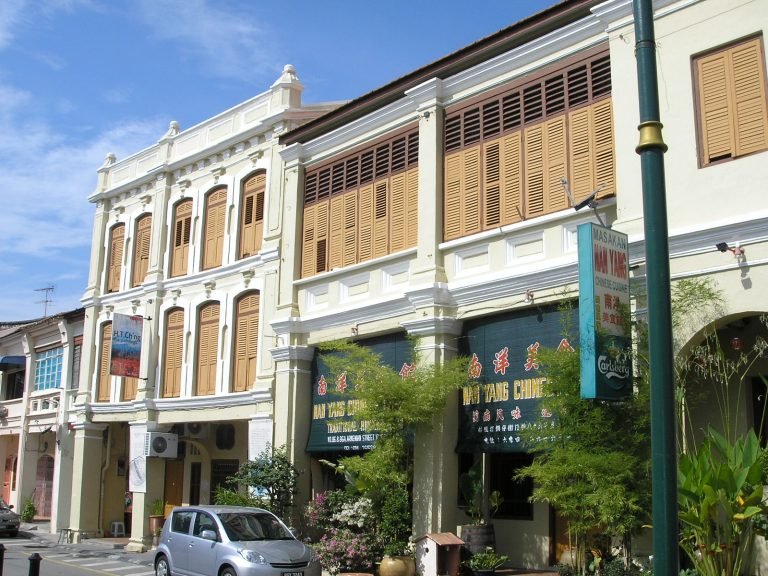
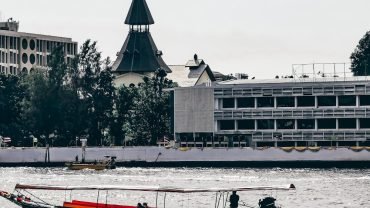
Colonial streets in George Town Penang
Japanese occupation replaced British governance in early 1942. Authority shifted overnight. The colonial administrative grid remained. The faces within it changed.
Across George Town, occupation altered daily life profoundly. Japanese military presence introduced surveillance, rationing, and coercion. Public spaces once associated with trade became zones of fear.
Ethnic dynamics shifted sharply.
Chinese communities, due to Japan’s war with China, faced harsh repression. Arrests, forced confessions, and executions created lasting trauma. Malay communities navigated shifting expectations. Indian communities experienced complex political positioning linked to anti-British movements.
Penang’s multicultural balance fractured under occupation.
Unlike cities that suffered total physical devastation, Penang’s buildings remained largely standing. Streets continued functioning. Markets reopened under restriction. This continuity created a strange duality: normalcy and terror coexisting.
War in Penang was psychological as much as physical.
The port remained operational but redirected. Infrastructure served Japanese logistics. Civilian survival required adaptation. Information became scarce and dangerous. Trust eroded.
Penang’s survival as a built environment masks the depth of its transformation.
After Japan’s surrender in 1945, British authorities returned. Yet the illusion of imperial permanence had been shattered. The speed of collapse during invasion undermined confidence in colonial protection. Resistance movements gained legitimacy.
Postwar Penang was not simply restored. It was reoriented.
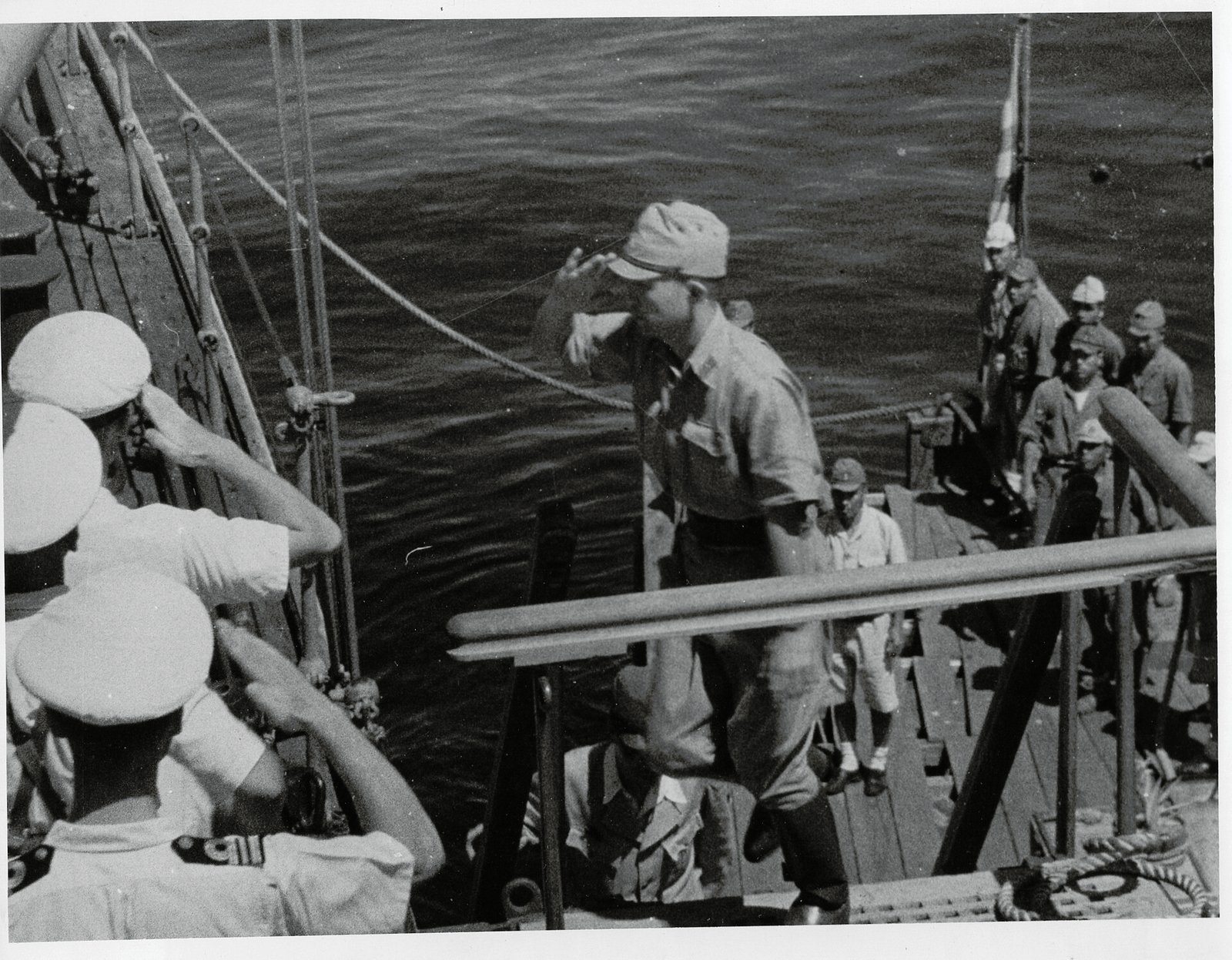
Penang under Japanese occupation during WWII
Across Malaysia, occupation accelerated the unraveling of colonial hierarchy. Multiracial tensions intensified but also intersected in new ways. Shared vulnerability reshaped perceptions.
Penang’s postwar trajectory moved toward independence within a broader Malayan identity. Yet public commemoration of occupation remained selective. Economic rebuilding and social harmony became priorities.
This selective memory explains why Penang today is more strongly associated with cuisine than conflict.
The city’s UNESCO heritage status emphasizes architecture, not anxiety. Street art celebrates vibrancy. Colonial mansions host museums and cafés. The physical survival of the city makes it easy to overlook its wartime rupture.
Travelers walking through George Town may pass buildings used during occupation without realizing it. Administrative offices once housed Japanese officials. Schools and warehouses functioned as detention centers. Ordinary facades conceal extraordinary histories.
Penang teaches that war does not always leave rubble. Sometimes it leaves silence.
Understanding Penang WWII history reframes the travel experience. Food becomes more than culinary delight—it reflects resilience of communities that endured fear. Architecture becomes more than aesthetic—it represents continuity through upheaval.
Walking along the waterfront reveals strategic geography. Exploring heritage districts uncovers layered authority.
Penang survived occupation physically intact.
But it emerged altered.
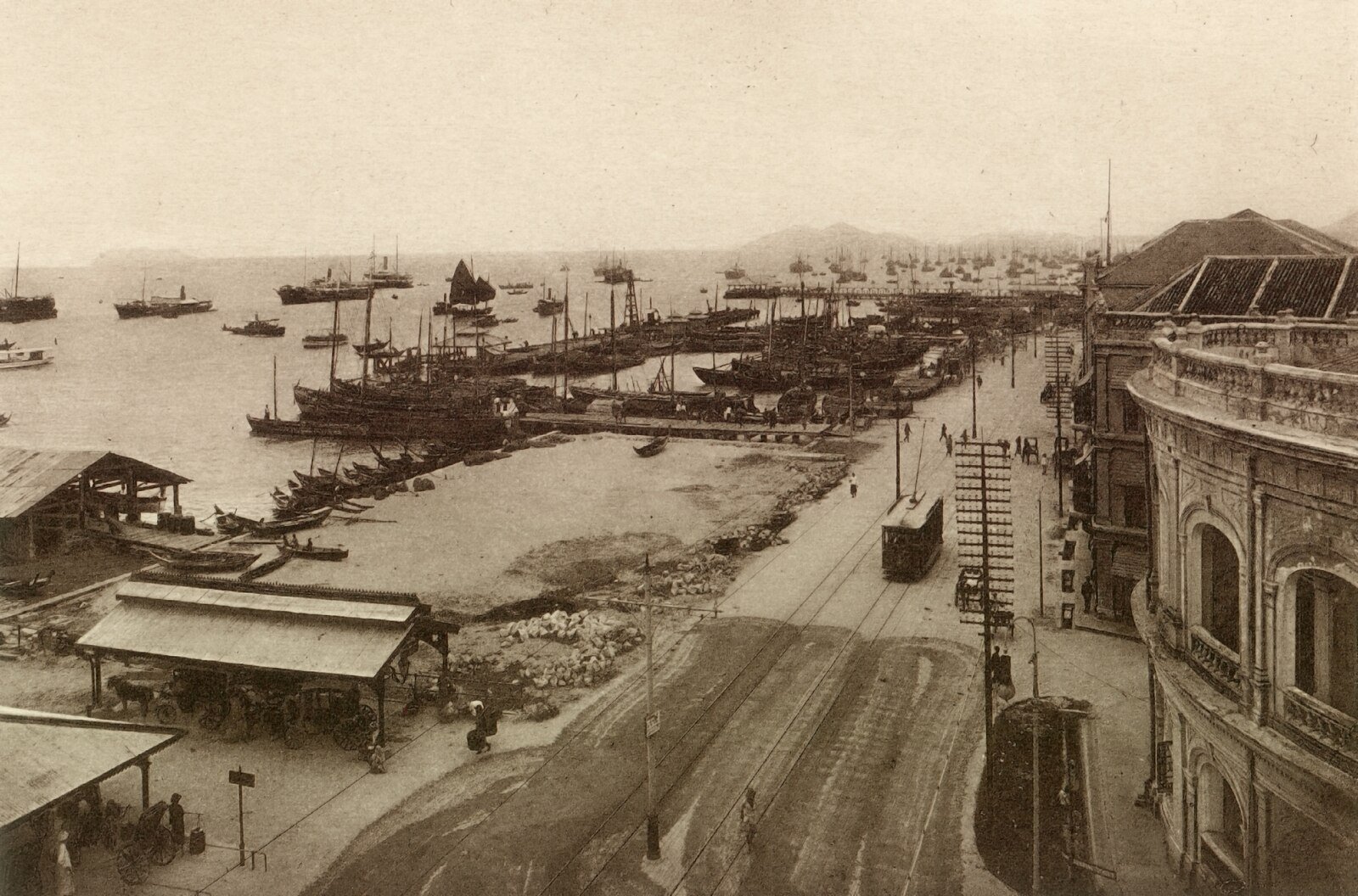
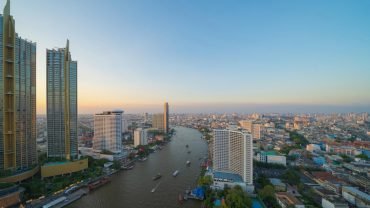
Penang port as strategic maritime hub
Traveling Penang beyond food culture means acknowledging that its charm coexists with memory. It means seeing the port not only as picturesque but as strategic. It means recognizing that multicultural harmony today was tested under extreme strain.
The city’s calm surface hides a wartime tremor that reshaped identity.
Penang did not burn.
It endured.
And that endurance shaped modern Malaysia more deeply than ruins ever could.
Penang is more than street food and heritage facades.
It is a port city that endured occupation without losing its structure.
Explore Penang beyond food culture,
and walk through streets where survival reshaped identity.
Comment (0)