

Manila was once called the Pearl of the Orient. Before World War II, it stood as one of the most elegant colonial cities in Asia. Spanish walls, American civic buildings, tree-lined avenues, and neoclassical architecture projected optimism and authority. The city’s harbor connected it to global trade. Its universities and theaters symbolized cultural ambition. Manila did not look like a battlefield waiting to happen.
That illusion ended in 1942.
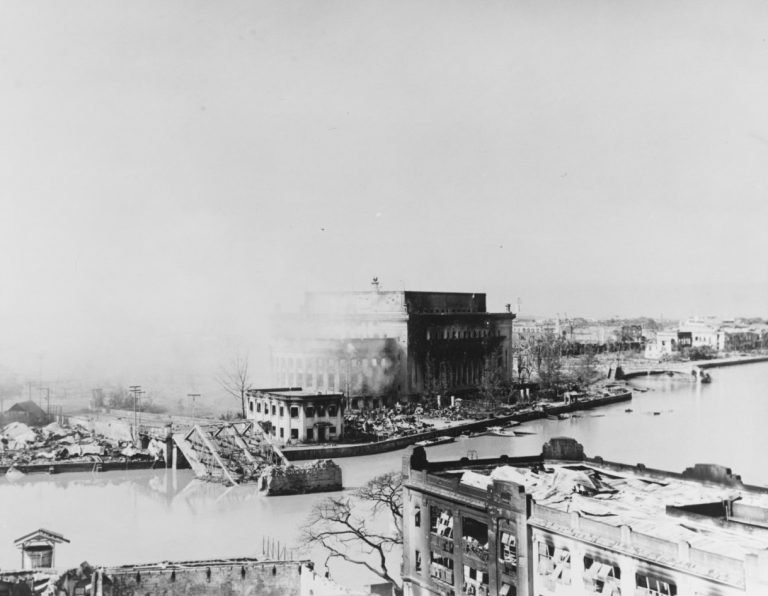
Ruins of Manila during 1945 battle
When Japanese forces swept through Southeast Asia after the attack on Pearl Harbor, the Philippines became a primary objective. Manila, as capital, held both strategic and symbolic value. American and Filipino forces retreated strategically, declaring the city open to avoid immediate destruction. Japanese troops entered with limited resistance.
Occupation began quietly.
Across Manila, daily life shifted under military governance. Surveillance tightened. Food shortages intensified. Fear replaced confidence. The city’s cosmopolitan energy narrowed into caution.
Japanese occupation lasted three years. Yet Manila’s darkest chapter came not at the beginning, but at the end.
In 1945, as American forces returned to reclaim the Philippines, Manila became the site of one of the most brutal urban battles in the Pacific theater. Unlike cities that fell quickly or were spared large-scale ground combat, Manila endured weeks of artillery bombardment, street fighting, and indiscriminate destruction.
The Battle of Manila turned the city into rubble.
Entire districts burned. Churches collapsed. Libraries vanished. Hospitals were destroyed. Civilians were trapped between advancing armies and entrenched defenders. Atrocities multiplied. Tens of thousands of noncombatants died within weeks.
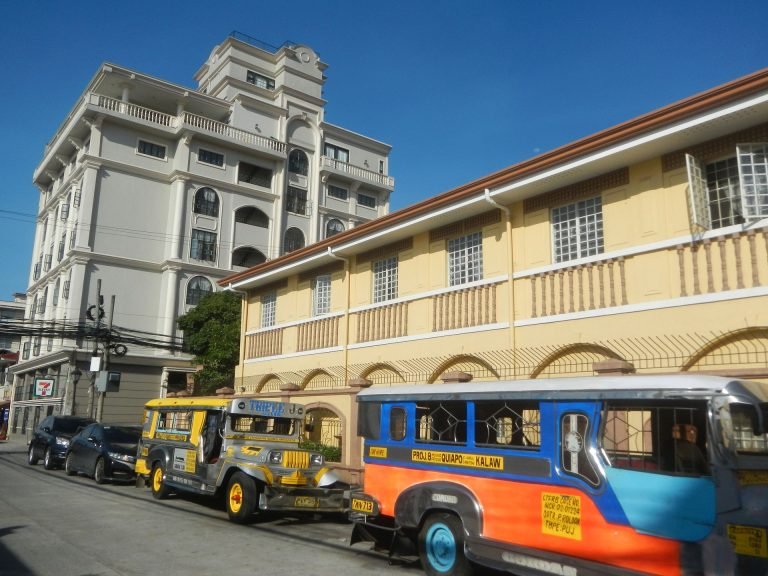
Restored colonial buildings in Intramuros
Manila became one of the most devastated cities of World War II, rivaling Warsaw in scale of urban destruction.
The devastation was not only structural. It was cultural.
Spanish colonial heritage, preserved for centuries, vanished in days. Government buildings erected under American rule crumbled. Residential neighborhoods disappeared. A city built over four hundred years dissolved in smoke.
When the battle ended, Manila stood largely flattened.
Across Philippines, liberation brought victory but also mourning. Reconstruction faced immense challenge. Resources were limited. Political stability was fragile. The urgency to rebuild outweighed the desire to restore precisely what was lost.
Reconstruction in Manila was rapid but uneven.
Unlike European cities that invested in faithful restoration of historic cores, Manila rebuilt pragmatically. Modern structures rose where colonial architecture once stood. Streets were widened. Concrete replaced stone.
The result was a city that looked forward before fully processing backward.
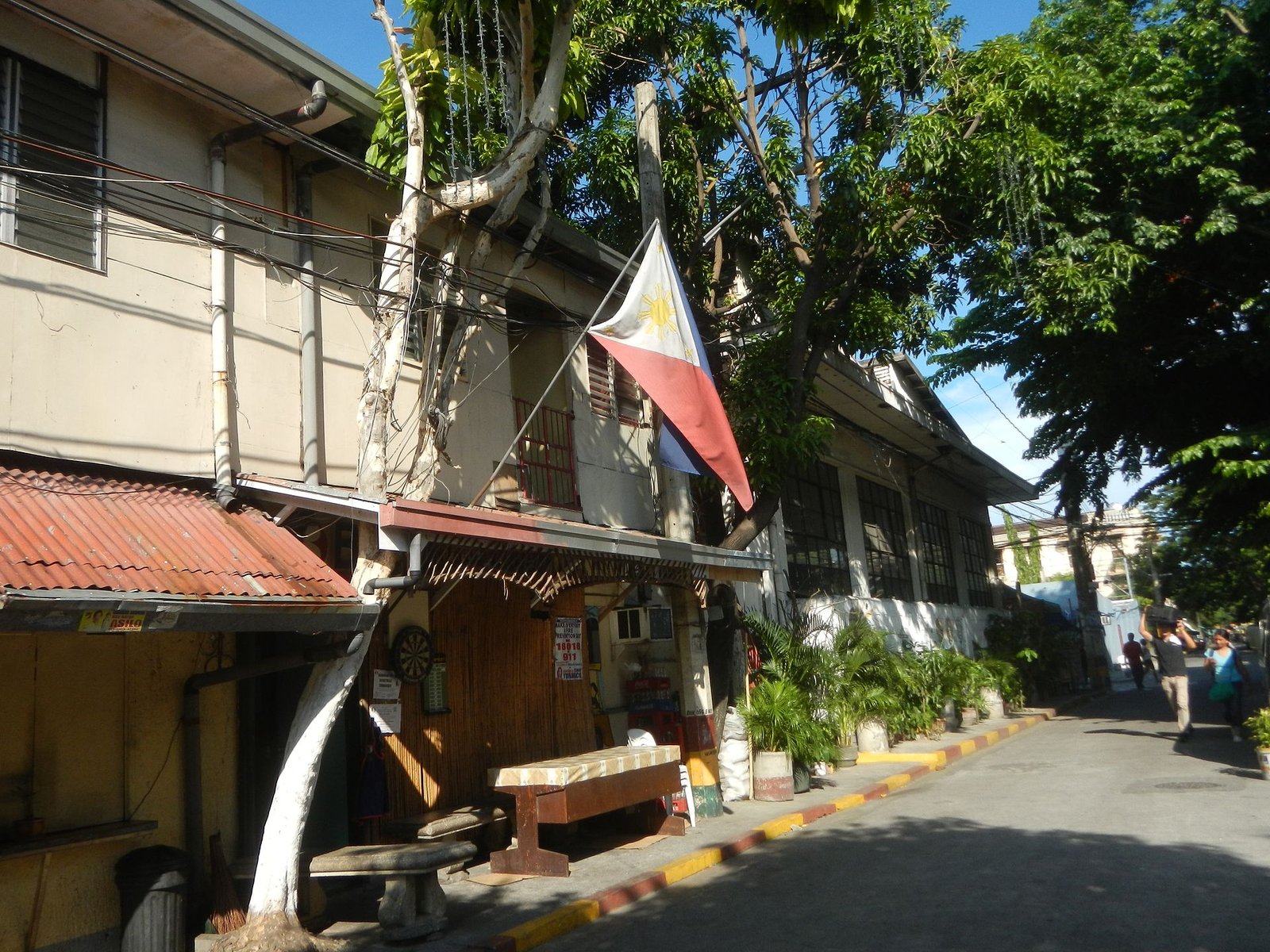
Intramuros district reflecting WWII damage and restoration
Today, visitors to Manila often struggle to reconcile its reputation as historic capital with its modern appearance. High-rises, shopping malls, traffic congestion, and sprawling suburbs dominate perception. The absence of extensive preserved heritage confuses expectations.
Manila rebuilt without recreating its past.
Only fragments of prewar Manila remain. Intramuros, the old Spanish walled city, survived partially and was later restored. Yet even Intramuros bears scars. Many structures were reconstructed rather than preserved.
The city that burned rebuilt itself quickly, but not nostalgically.
Understanding Manila WWII history reshapes travel experience profoundly. The city’s apparent lack of cohesive historic district reflects trauma, not neglect. It reflects urgency.
Rebuilding required housing displaced populations, restoring governance, and stabilizing economy. Architectural fidelity became secondary.
Manila’s identity today is layered with absence.
Walking through the city requires imagination. Where concrete towers now stand, ornate civic buildings once defined skyline. Where highways cross, neighborhoods once flourished.
Memory in Manila exists in plaques, cemeteries, and survivor narratives more than in intact architecture.
Unlike cities that commercialize their war ruins, Manila carries its history quietly within rebuilt structures.
The city teaches a different lesson about war and urban survival.
Some cities preserve their scars visibly. Others replace them to survive.
Manila chose survival.
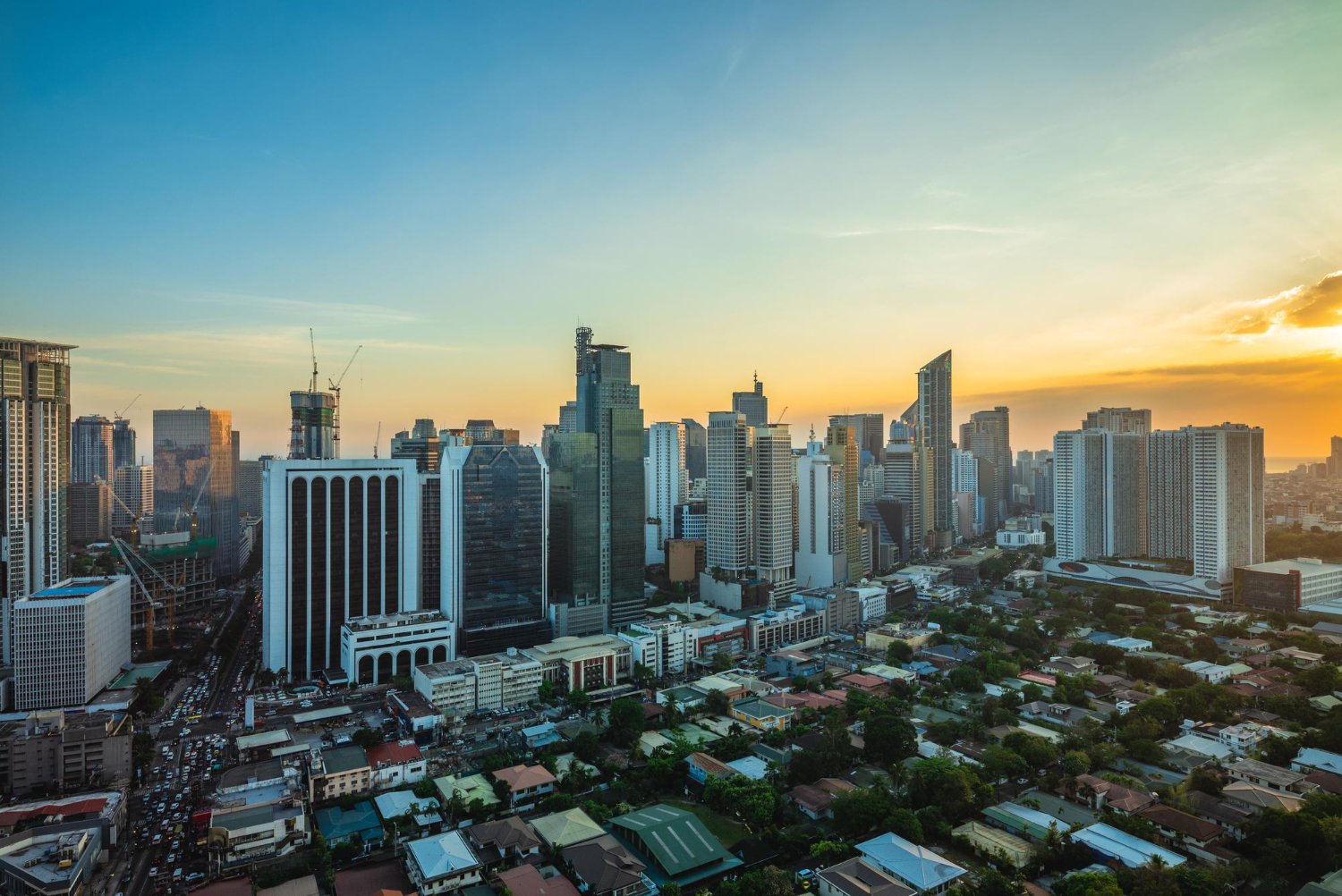
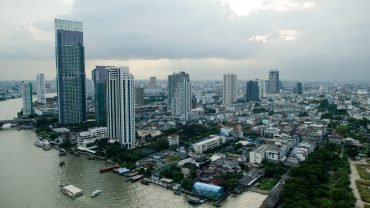
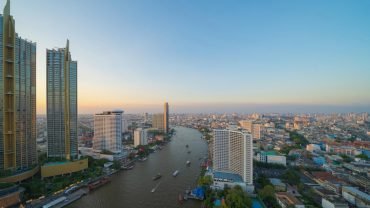
Modern Manila skyline after reconstruction
Travelers who approach Manila expecting preserved colonial elegance may feel disoriented. Yet disorientation is itself evidence of what was lost.
Visiting Intramuros offers a glimpse into prewar Manila, but it represents only fraction of former scale. The American Cemetery stands as solemn reminder of Pacific conflict. Yet the city’s broader wartime devastation is harder to visualize without historical context.
Traveling Manila beyond modern chaos means recognizing that its present form is consequence of extreme destruction.
The traffic, density, and architectural mixture reflect a city rebuilt under pressure rather than curated for tourism.
Manila did not gradually modernize.
It was forced to restart.
The Pearl of the Orient burned.
What rose afterward was different.
Manila’s resilience lies not in preserved beauty, but in adaptation. Its people rebuilt homes, institutions, and livelihoods from near-total collapse. Its skyline changed, but its vitality returned.
Walking through Manila today means walking across absence. It means acknowledging that what you do not see is as significant as what remains.
The city that burned rebuilt.
And in rebuilding too fast to dwell on loss, it carried forward a different kind of memory—one embedded in speed, improvisation, and survival.
Manila is not defined by preserved ruins.
It is defined by rebuilding after near-total destruction.
Walk Manila beyond malls and traffic,
and imagine the city that once burned beneath your feet.
Comment (0)