

Hanoi did not become a war city by accident. It became one because history repeatedly placed it at the center of power, resistance, and identity in northern Vietnam. Long before the twentieth century turned it into a symbol of revolution and endurance, Hanoi was already a city shaped by imperial ambition and political gravity. Its transformation from a colonial capital into one of the most heavily bombed cities of the Cold War reveals how urban space absorbs conflict and turns survival into memory.
The story of Hanoi begins long before European colonization. For centuries, the city functioned as a political and cultural heart of Vietnamese civilization. Dynasties rose and fell here, each leaving behind layers of administration, ritual, and urban form. Hanoi’s significance lay not only in geography but in symbolism. To control Hanoi was to claim legitimacy over the north.
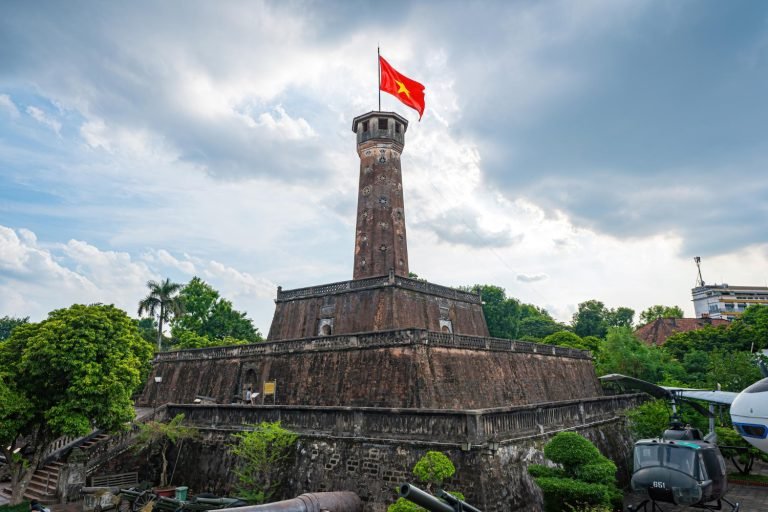
French colonialism reshaped this legacy dramatically. When France consolidated control over Indochina in the late nineteenth century, Hanoi was selected as the capital of French Indochina. The decision was strategic. Hanoi was close to China, central to northern Vietnam, and rich with historical authority. Colonial rule did not erase the city’s past. It attempted to overwrite it.
French planners imposed a new urban order. Wide boulevards, administrative buildings, and villas were constructed alongside traditional neighborhoods. Architecture became a tool of governance. Stone replaced wood. Symmetry replaced organic growth. The colonial city projected permanence and control. Hanoi was no longer only a Vietnamese capital. It was a showcase of empire.
This transformation created a divided urban experience. Vietnamese residents continued to live in dense quarters shaped by precolonial rhythms, while French officials inhabited planned districts designed for comfort and surveillance. The city embodied hierarchy spatially. Power was visible in layout, infrastructure, and access. Yet beneath this surface order, resistance grew.
World War II destabilized the colonial system irreversibly. Japanese occupation weakened French authority, exposing the fragility of imperial control. When the war ended, the old colonial order could not simply resume. Hanoi became the stage on which a new political future was declared.
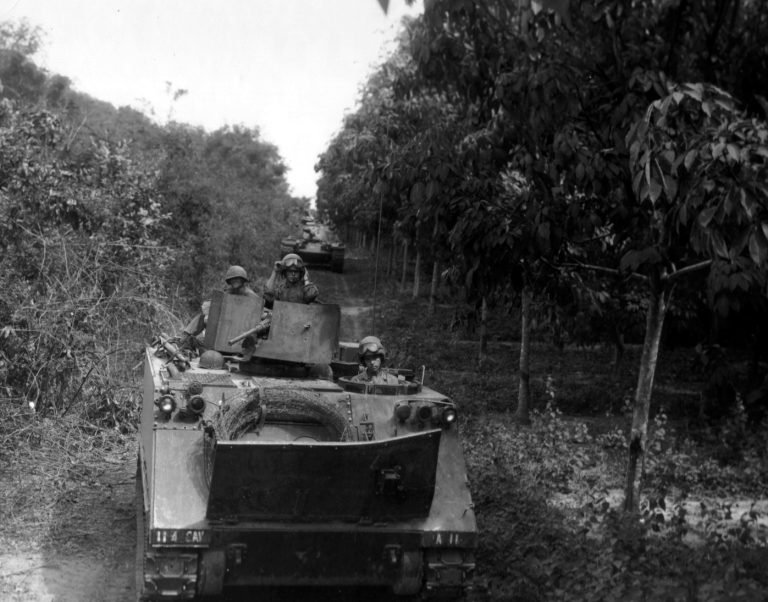
Jungle Convoy Vietnam War
In 1945, revolutionary leaders proclaimed independence in the heart of the city. Hanoi was transformed from colonial capital into revolutionary symbol almost overnight. The same streets that once displayed imperial authority now hosted mass mobilization. The city’s meaning shifted. Power was no longer foreign. It was claimed in the name of the nation.
Conflict followed quickly. French attempts to reassert control led to renewed war. Hanoi changed hands, suffered damage, and became militarized. When the city finally came under revolutionary control, it entered a new phase. Hanoi was no longer just a capital. It was a frontline of ideology.
The Vietnam War elevated Hanoi’s role further. As the capital of North Vietnam, the city became both command center and target. Air raids transformed daily life. Infrastructure was damaged repeatedly. Civilians adapted to constant threat. Schools moved underground. Streets emptied during sirens. The city learned to function under bombardment.
Unlike cities that collapse under war, Hanoi reorganized itself. Survival became routine. Urban life adjusted to scarcity and danger. The experience forged a collective identity rooted in endurance. Hanoi was not portrayed as a victim city, but as a resilient one. The narrative emphasized resistance rather than suffering.
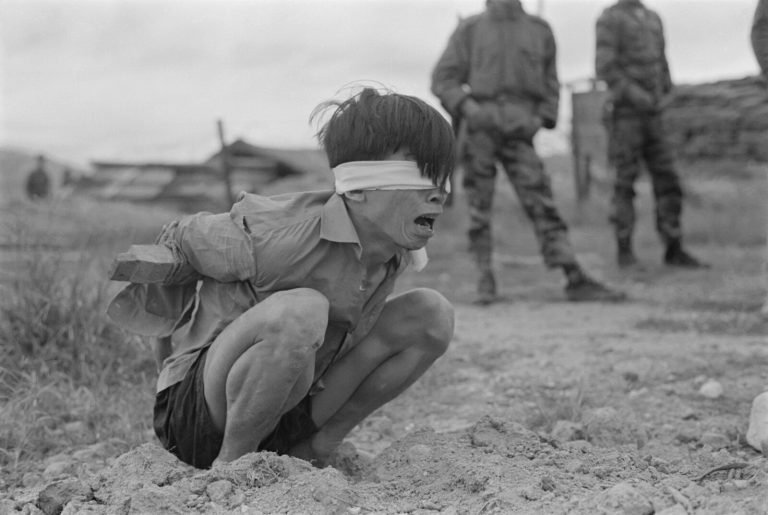
A Viet Cong prisoner awaits interrogation at the A-109 Special Forces Detachment in Thuong
This framing mattered. Hanoi’s wartime identity was constructed deliberately. Memory was shaped to support national unity and ideological purpose. Reconstruction after the war followed socialist principles. Functionality mattered more than aesthetics. The city rebuilt not to impress, but to endure.
Walking through Hanoi today reveals these layers clearly. Colonial buildings remain, repurposed rather than erased. Revolutionary monuments stand alongside French villas. The Old Quarter pulses with life, its narrow streets preserving rhythms older than empire. The city does not hide its contradictions. It contains them.
Travelers often sense this density of history instinctively. Hanoi feels compressed, intense, and alive. Unlike cities rebuilt entirely after war, it retains continuity. The past is not sealed off. It is woven into everyday movement. Cafés occupy former administrative buildings. Parks surround sites of declaration and defense.
Understanding Hanoi requires recognizing how war reshaped its identity without destroying its continuity. The city did not become modern by abandoning its past. It absorbed conflict into its fabric. War did not erase Hanoi. It clarified its role.
Hanoi matters because it illustrates how cities can become political actors. Its streets, buildings, and neighborhoods were not passive backdrops. They participated in history. Control of the city meant control of narrative, legitimacy, and future.
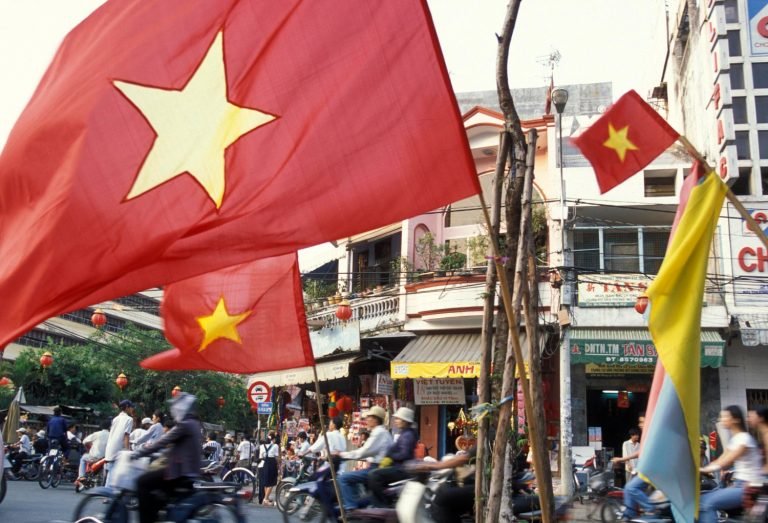
Today, Hanoi stands as the political heart of Vietnam. Its history shapes national memory and governance. The city’s transformation from colonial capital to war city explains not only its architecture, but its mentality. Hanoi remembers war not as an interruption, but as a defining condition.
The city survived empire, occupation, and bombardment not by reinventing itself entirely, but by holding its center. In doing so, Hanoi became more than a capital. It became a symbol of endurance.
Comment (0)