

History is often imagined as something that can be finished. A war ends. A treaty is signed. Responsibility is assigned. Memory is archived. Societies move forward. This idea of historical closure underpins much of how the modern world understands progress. In Asia, history followed a different path. Here, the past rarely closed. It remained present, active, and unresolved.
Asia does not live after history. It lives with it.
Closure requires conditions that Asia rarely received. It requires an end to violence that is acknowledged as final. It requires justice that feels proportional to harm. It requires shared narratives that allow societies to agree on what happened and why. Across much of Asia, these conditions never fully materialized.
Instead of closure, Asia inherited continuity.
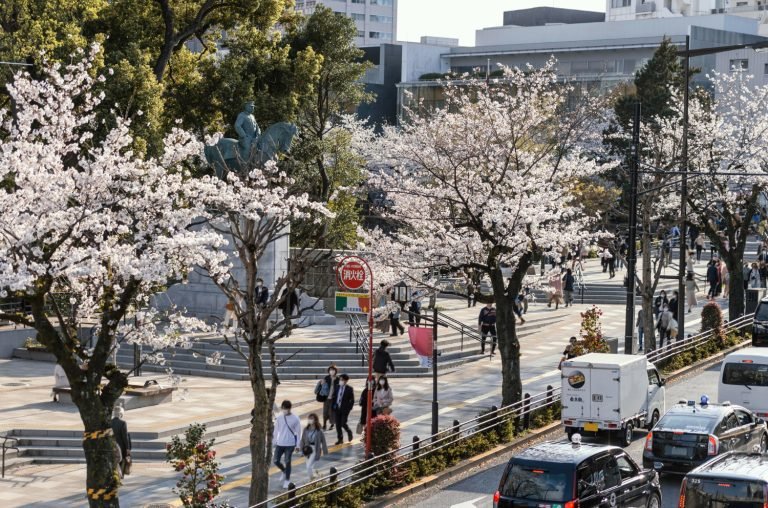
Postwar neighborhoods in Tokyo reflecting historical continuity
The twentieth century in Asia unfolded as a sequence of overlapping ruptures. Colonial conquest blurred into world war. World war dissolved into civil war. Civil war merged into Cold War confrontation. When violence paused, it rarely settled. New conflicts emerged before old ones could be processed. History never had time to become past.
Across East Asia, Southeast Asia, and South Asia, modern life formed inside this continuity. Generations grew up surrounded by unresolved memory. War was not an event their grandparents talked about. It was something that shaped the rules of daily life.
History without closure behaves differently. It does not retreat into archives. It remains politically active. It resurfaces in elections, education, diplomacy, and identity. The past is not something to study. It is something to manage.
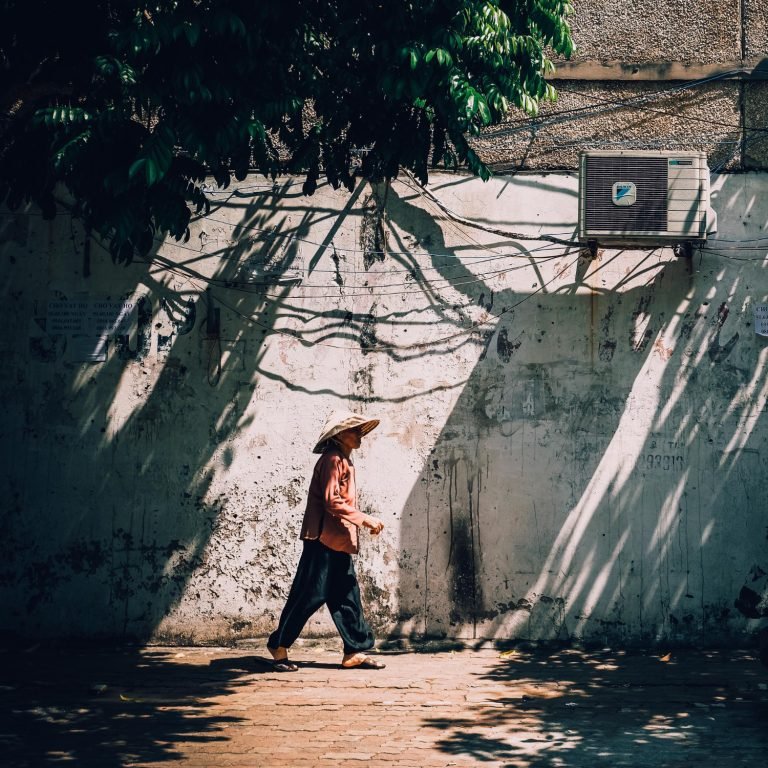
Daily routines in Hanoi alongside wartime memory
In China, historical humiliation under colonialism and war remains a living reference point. Memory is not framed as mourning alone, but as vigilance. The past functions as warning rather than lesson.
In Korea, colonial trauma and division persist without full reconciliation. The war never legally ended. History remains open-ended. Identity is shaped around unfinished conflict rather than resolved narrative.
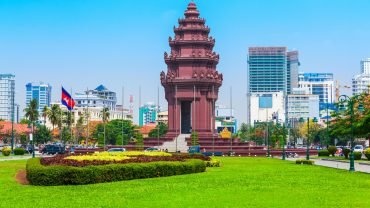
In Vietnam, victory ended foreign occupation but not loss. Memory exists without widespread public processing. Silence became the mechanism through which society stabilized.
Families became archives of unresolved history. When states could not provide closure, households absorbed memory privately. Stories were hinted at, not explained. Loss was acknowledged through absence rather than speech.
Children inherited emotional rules without knowing their origin. Caution felt natural. Discipline felt necessary. Stability felt fragile. History lived on as behavior rather than narrative.
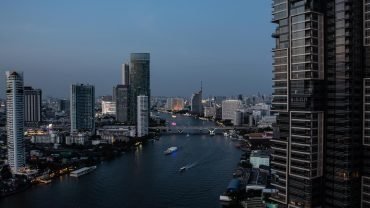
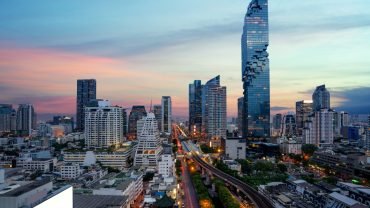
Cities also became carriers of unfinished time. Urban reconstruction in Asia prioritized survival and speed. There was little opportunity for reflection. Ruins were cleared quickly. Life resumed on land that had not been mourned.
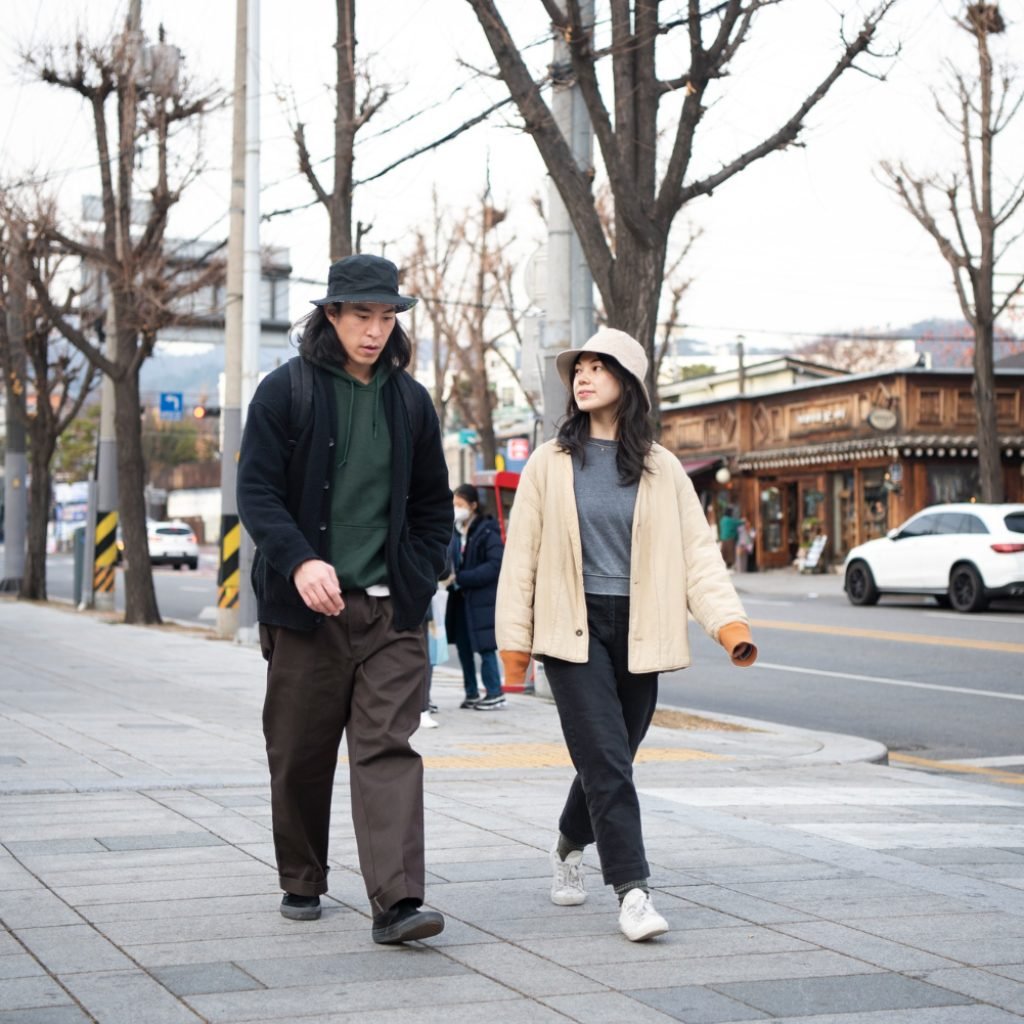
Urban life in Seoul shaped by unresolved war history
In Seoul, modern districts rose over Korean War front lines. In Hanoi, daily routines unfolded beside sites of bombardment. In Tokyo, reconstruction erased ruins but preserved habits shaped by fear and scarcity.
Cities do not forget. They incorporate memory into infrastructure. Roads follow former military routes. Underground shelters become shopping spaces. War remains embedded beneath movement.
States in Asia were often built on unresolved history. Independence arrived without reconciliation. Authority consolidated through emergency rather than consent. Political legitimacy leaned on survival narratives rather than closure.
In Myanmar, civil war did not end with independence. Conflict became structural. History remained open because peace never fully arrived.
The Cold War froze many Asian conflicts without resolving them. External powers stabilized regions strategically while postponing reconciliation. When geopolitical pressure shifted, unresolved history resurfaced.
Economic growth did not erase memory. In many cases, it buried it. Development replaced reflection. Speed became protection. Prosperity promised escape from the past without confronting it.
In Taipei, modern normality exists alongside unresolved geopolitical tension. Peace feels real, but conditional. Preparedness replaces certainty.
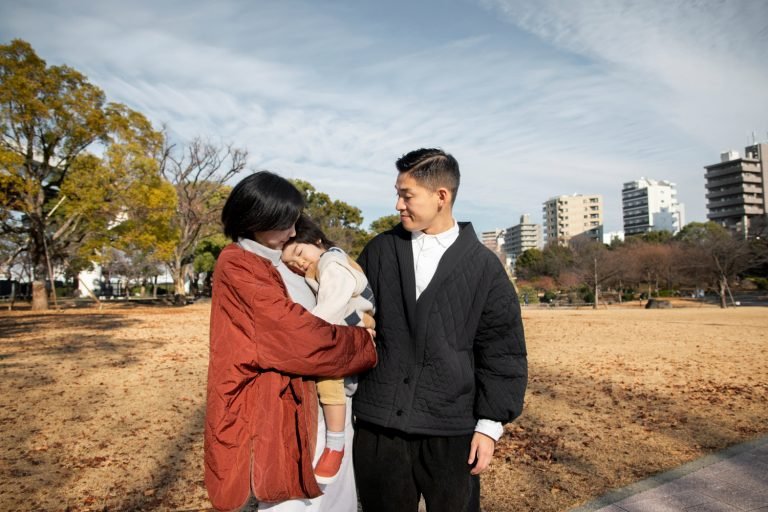
Asian families carrying memory through silence
Western societies often frame progress as moving beyond history. Asia demonstrates a different model. Here, progress occurs alongside unresolved memory. Development does not require forgetting. It requires adaptation.
Silence plays a crucial role in this adaptation. Silence is not denial. It is containment. It allows daily life to function despite unresolved trauma. It is a social technology developed under repeated disruption.
This silence can be mistaken for forgetting. It is not. It is memory held carefully to avoid collapse.
History without closure explains many aspects of Asian society. It explains why apologies fail. It explains why borders remain tense. It explains why war memory resurfaces easily. It explains why peace feels provisional.
Asia lives with the past because the past was never allowed to finish.
This does not mean Asia is trapped. It means Asia developed ways to survive without closure. Continuity replaced resolution. Adaptation replaced healing.
Understanding Asia requires accepting that history does not move uniformly everywhere. Some regions close chapters. Others carry them forward.
Asia’s past remains present not because it refuses to move on, but because it was never given the conditions to do so.
History without closure is not absence of progress. It is a different relationship with time.
Asia does not leave the past behind.
It lives with it.
Comment (0)