

Ho Chi Minh City was not born in peace. It was shaped in confrontation. Long before skyscrapers and motorbikes defined its rhythm, the city—once known as Saigon—stood at the crossroads of empire, ideology, and revolution. Its streets did not merely witness history; they absorbed it.
To understand Saigon war history is to understand that the city never experienced a clean break between conflicts. Instead, it endured overlapping struggles that layered one upon another until the very name of the city changed.
Before global war reached Southeast Asia, Saigon functioned as the colonial jewel of French Indochina. Wide boulevards, opera houses, cathedrals, and administrative buildings projected European order into tropical geography. The city was engineered as a showcase of imperial permanence.
Yet permanence proved illusion.
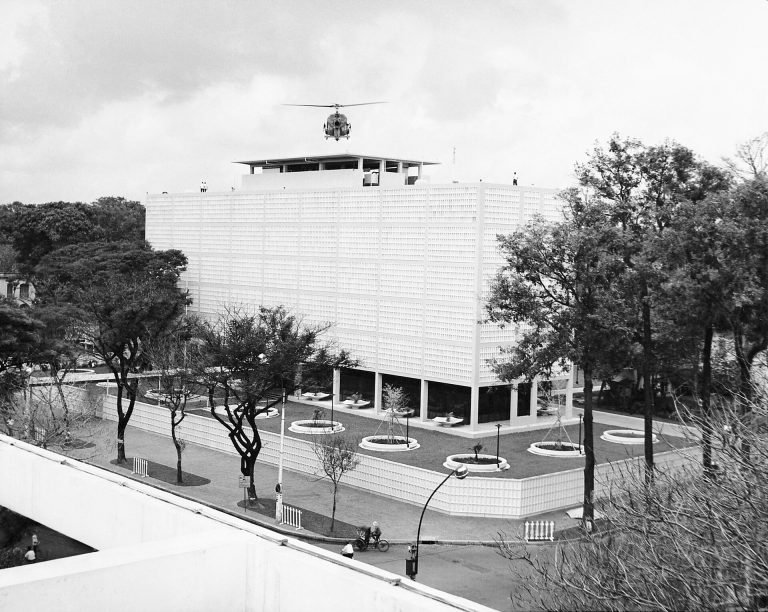
Rooftop evacuation scene associated with Saigon history
During World War II, Japanese forces entered French Indochina. Unlike territories conquered outright, colonial administration initially remained nominally French under Japanese oversight. The tension between occupying authority and colonial hierarchy destabilized governance. By 1945, Japanese control became overt. The city shifted from colonial capital to occupied territory in rapid succession.
Across Ho Chi Minh City, wartime occupation eroded confidence in French rule. Famine and repression in other regions of Vietnam intensified nationalist sentiment. The myth of colonial inevitability fractured.
When Japan surrendered in August 1945, a vacuum emerged. Vietnamese nationalists seized the moment. The struggle for independence ignited the First Indochina War. Saigon became a strategic node once more, contested between returning French forces and Vietnamese revolutionaries.
Urban conflict unfolded in waves. Control shifted. Negotiation collapsed. Streets that once hosted colonial parades became corridors of insurgency and surveillance.
War did not remain rural. It pulsed through the city.
When the First Indochina War ended in 1954, Vietnam divided temporarily along the seventeenth parallel. Saigon became the capital of the Republic of Vietnam in the south. The city entered a new era—not of peace, but of ideological confrontation.
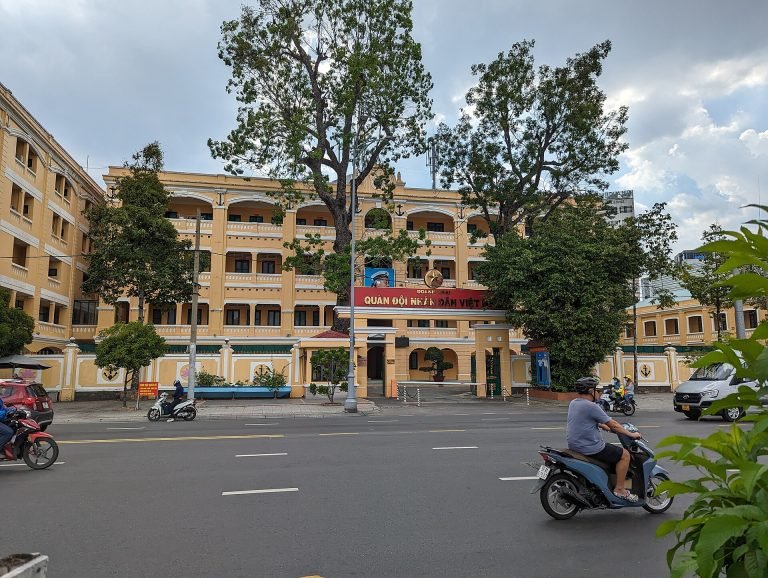
Saigon streets during Vietnam War era
The Vietnam War transformed Saigon into an international focal point. Foreign diplomats, military advisors, journalists, and intelligence operatives converged. Hotels became headquarters. Rooftops became helicopter pads. The city’s colonial architecture stood beside military compounds.
Bombings and assassinations punctuated daily life. Political instability intertwined with urban expansion. Refugees from rural conflict flooded the city, swelling its population and straining infrastructure.
Saigon during the 1960s and early 1970s was both glamorous and precarious. Nightlife thrived even as war escalated. The city projected resilience while absorbing anxiety.
Saigon war history culminated in April 1975. North Vietnamese forces advanced toward the city as American evacuation intensified. Helicopters lifted personnel from rooftops in scenes broadcast worldwide. Tanks rolled through gates. The Republic of Vietnam collapsed.
The Fall of Saigon marked not only military defeat but symbolic transformation.
The city was renamed Ho Chi Minh City. Streets received new names. Institutions restructured. The capital of the south became a major city within reunified Vietnam.
Renaming does not erase memory. It reframes it.
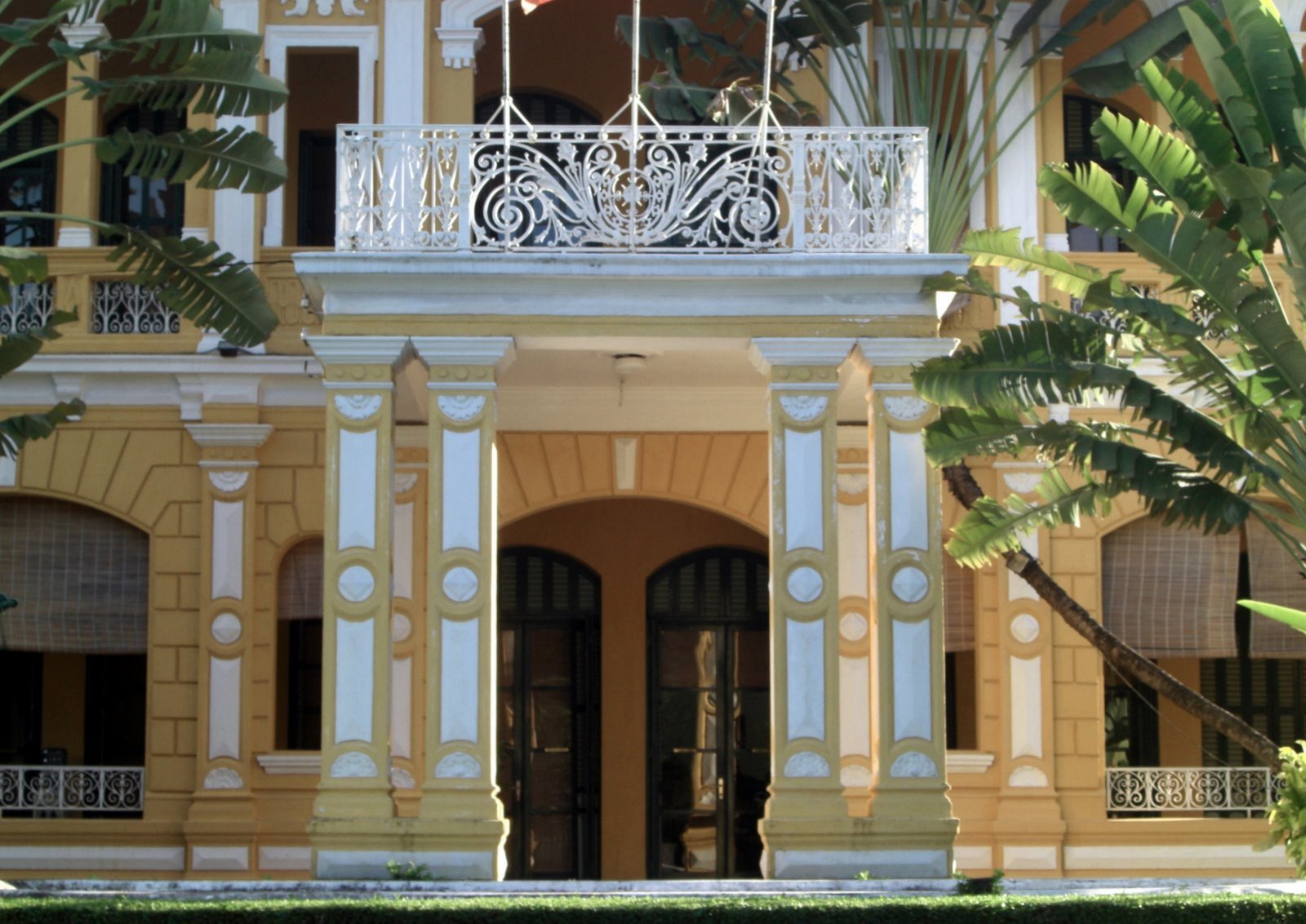
Colonial architecture in Ho Chi Minh City
Across Vietnam, reunification initiated reconstruction. Ho Chi Minh City adapted gradually to socialist governance, economic shifts, and later market reforms. Buildings once associated with foreign presence were repurposed. Some became museums. Others continued functioning without signage explaining their past.
The city’s resilience lies in its ability to absorb transformation without demolishing itself entirely. French colonial facades remain. Wartime bunkers exist beneath modern structures. Markets bustle where soldiers once patrolled.
Ho Chi Minh City did not rebuild from total ruin. It rebuilt from continuity.
Travelers often approach the city seeking war relics. Museums provide curated narratives. Historical landmarks offer structured explanation. Yet Saigon war history is not confined to exhibits.
It exists in geography.
The former presidential palace stands as architectural testament to regime change. Cathedral towers rise over traffic that did not exist in wartime scale. Tree-lined boulevards still trace colonial logic.
Walking through District 1 reveals the layers. Colonial offices became government ministries. Hotels that hosted foreign correspondents now host tourists. Rooftops once used for evacuation serve cocktails.
War narrative risks flattening the city into a chapter rather than a continuum.
Ho Chi Minh City never stopped fighting history because history never stopped arriving. Each era imposed itself without fully erasing the previous one.
Understanding this layered conflict transforms travel experience.
The city’s energy reflects decades of adaptation. Commerce thrives. Youth culture dominates. Cafés overflow. The skyline grows.
Yet beneath this dynamism lies accumulated memory.
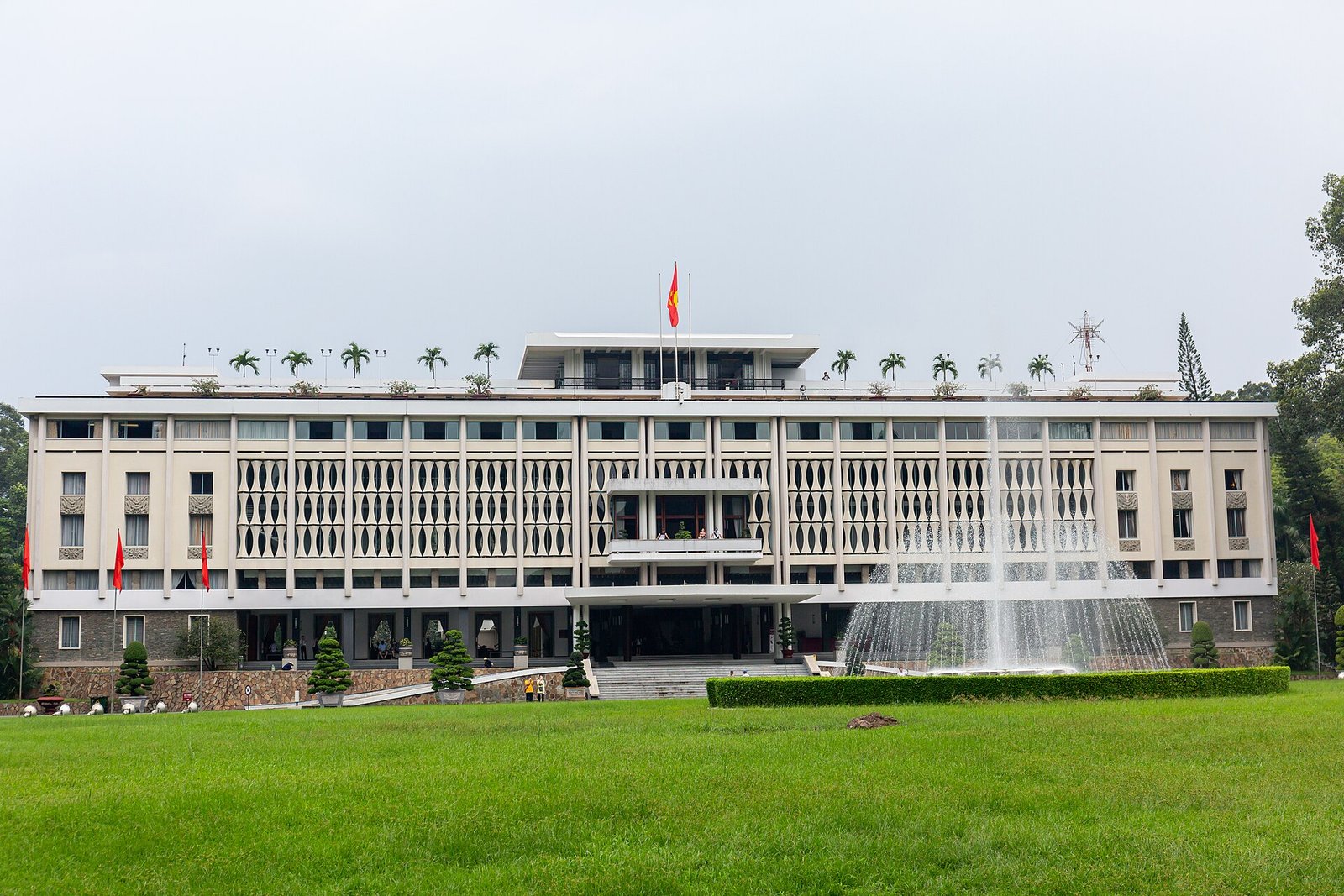
Reunification Palace in Ho Chi Minh City
Traveling Ho Chi Minh City beyond war narratives means recognizing that the Vietnam War was not an isolated event but part of a longer sequence of occupation, division, and reunification.
The city’s identity resists simplification. It is neither colonial relic nor war memorial nor purely modern metropolis.
It is transitional.
Ho Chi Minh City embodies Southeast Asia’s twentieth-century turbulence compressed into urban form.
Its streets never stopped negotiating power.
Its architecture never stopped changing purpose.
Its name itself signals rupture and continuity simultaneously.
To walk here is to move through unresolved chapters—not because conflict persists, but because transformation layered too quickly for clean closure.
Saigon fell.
Ho Chi Minh City emerged.
History did not end.
It reconfigured.
Ho Chi Minh City is more than a war museum destination.
It is a city that never stopped absorbing history.
Travel Ho Chi Minh City beyond war narratives,
and walk streets where every era still overlaps.
Comment (0)