

In many parts of the world, war is remembered as a historical event. It is placed in museums, textbooks, and anniversaries. In much of Asia, war is not confined to the past. It remains embedded in daily routines, social behavior, urban landscapes, and collective psychology. The fighting may have stopped decades ago, but its imprint continues to shape how people live, speak, plan, and relate to one another.
Asia experienced the twentieth century not as a single war followed by recovery, but as a sequence of overlapping conflicts. Colonial conquest, world war, civil war, revolution, and Cold War confrontation arrived without meaningful pause. For many societies, there was no clear transition from war to peace. Normal life adapted around violence rather than emerging after it.
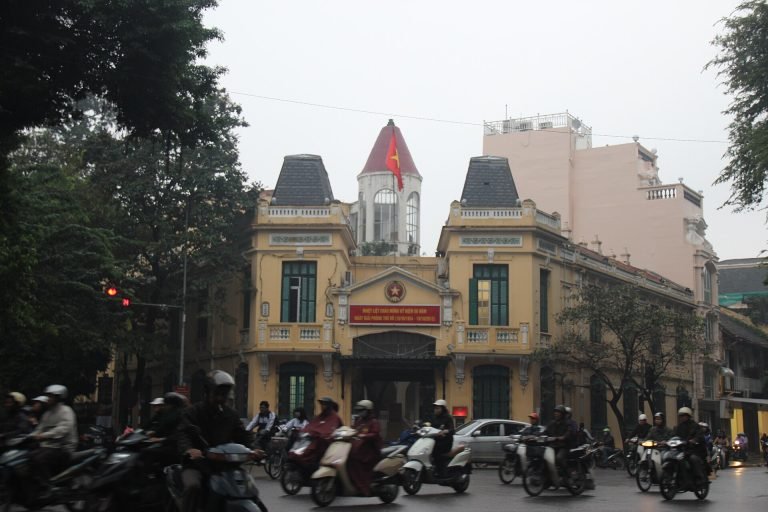
Confucian ritual reinforcing hierarchical authority
This continuity matters. It explains why war memory in Asia feels less commemorative and more practical. Survival strategies became habits. Emergency behaviors turned into social norms. Trauma became inherited rather than resolved.
In East Asia, Southeast Asia, and South Asia, modern daily life evolved under the assumption that stability was temporary. This assumption shaped everything from family structure to education and urban planning.
War in Asia did not end cleanly. Many conflicts froze rather than concluded. Armistices replaced treaties. Borders hardened without reconciliation. Memory remained active because the political conditions that produced war often persisted.
In Korean Peninsula, war never formally ended. The demilitarized zone is not a relic but a living boundary. Military presence is normalized. Civil defense drills are routine. Generations grew up understanding peace as conditional.
In Vietnam, victory ended foreign occupation but not hardship. Reconstruction unfolded alongside silence. Families rebuilt lives without publicly processing loss. War memory remained private, shaping caution and resilience.
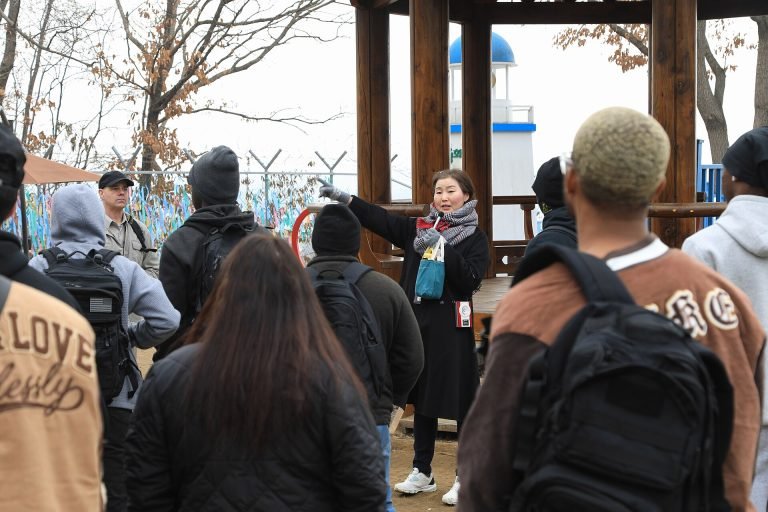
Government architecture symbolizing state power in Asia
Asian war memory lives outside museums. It appears in food habits shaped by scarcity, in architecture designed for defense, in social etiquette that avoids confrontation. These are not symbolic gestures. They are learned behaviors.
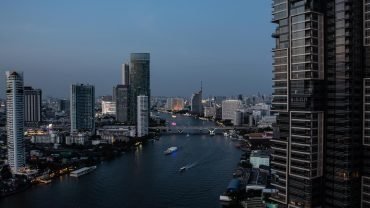
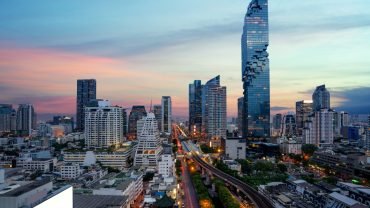
Cities tell this story clearly. Urban landscapes across Asia reflect defensive logic. Narrow streets, fortified buildings, dispersed infrastructure, and dual-use spaces reveal how war shaped planning.
In Seoul, underground shelters coexist with shopping districts. In Hanoi, lakes and tree-lined avenues hide layers of wartime adaptation. In Taipei, public buildings still reflect strategic calculation.
Families carry war forward through silence. Many Asian households avoid discussing wartime trauma openly. This silence is not denial. It is protection. Speaking about loss risks reopening wounds that were never allowed to heal.
Children inherit caution rather than stories. They learn restraint without knowing its origin. Discipline is framed as care. Stability is valued over expression.
In Japan, postwar society emphasized order, productivity, and social harmony. These values were not abstract ideals. They were responses to devastation. Daily life organized itself to prevent collapse from happening again.
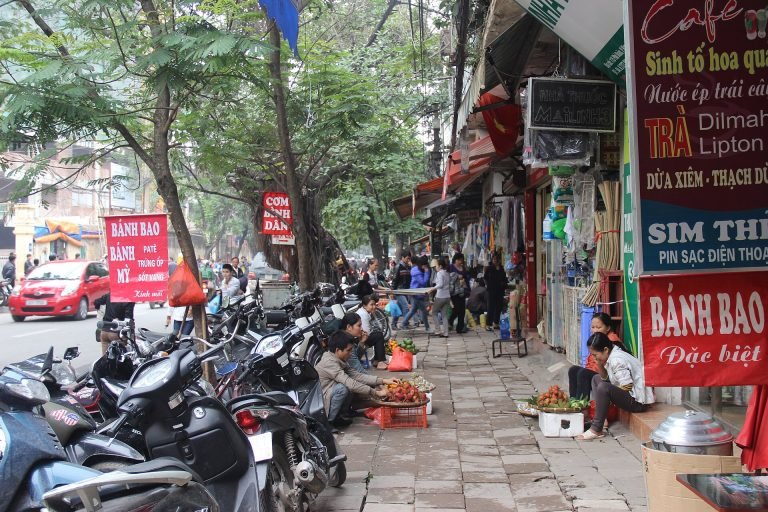
Postwar streets of Hanoi shaped by conflict
Education systems reinforced this orientation. Schools emphasized discipline, collective responsibility, and endurance. Emotional restraint was encouraged. Personal ambition was balanced against social obligation.
Borders and militarization shape routine fear. In parts of Asia, soldiers are visible. Checkpoints are normal. Military exercises interrupt daily life. War is not imagined. It is anticipated.
In Kashmir, conflict shapes movement, communication, and trust. In Cambodia, memories of genocide linger in family structures and political caution.
Economic growth did not erase war’s imprint. In many cases, growth was built on scarred ground. Factories replaced battlefields. Highways crossed former front lines. Prosperity coexisted with unresolved grief.
Asia’s rapid development often masks trauma rather than addressing it. Speed became a coping mechanism. Progress promised escape from memory.
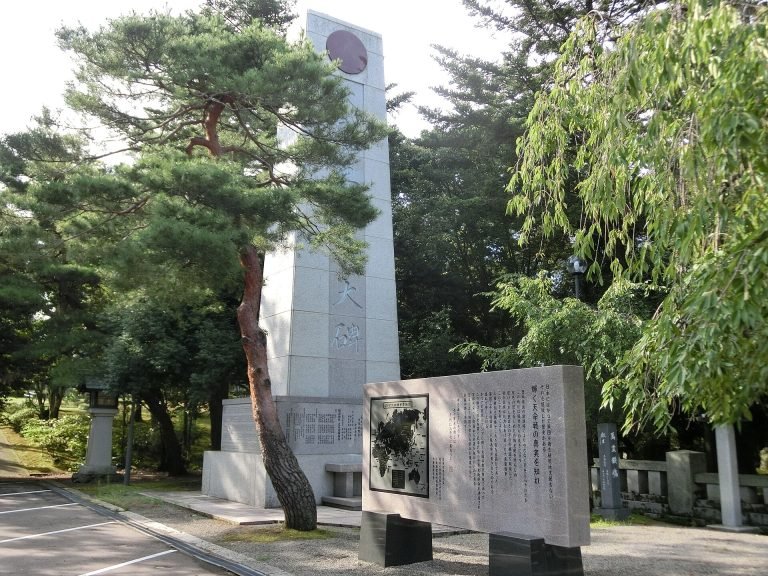
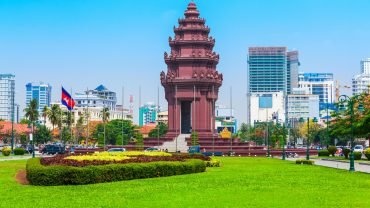
War memorials embedded in daily Asian life
Digital life transformed how war is remembered. Younger generations encounter fragments of history online. Images resurface without context. Trauma circulates without resolution. War becomes both distant and immediate.
Social media amplifies inherited anxiety. Nationalism intensifies. Historical grievance resurfaces. War memory is reactivated rather than settled.
Western observers often assume time heals war. Asia’s experience challenges this assumption. Time preserves war when closure is absent. Memory remains active because peace was never fully negotiated.
War still shapes Asian daily life because it shaped the conditions under which modern life emerged. Habits formed under threat do not disappear easily. They become culture.
This does not mean Asia is trapped by war. It means Asia adapted to it. Resilience replaced recovery. Continuity replaced closure.
Understanding Asia today requires recognizing how deeply war is woven into ordinary life. Not as spectacle, but as structure.
War did not end in Asia. It changed form.
And daily life learned to live with it.
Comment (0)