

Before World War II, Asia did not exist as a continent of sovereign nation-states. It was a political landscape dominated by empires, protectorates, concessions, and colonial administrations imposed largely by European powers. Britain ruled India, Burma, Malaya, and Hong Kong. France controlled Indochina. The Netherlands governed the Indonesian archipelago. The United States held the Philippines. Even where local rulers existed, real power often rested elsewhere. Borders reflected imperial convenience rather than cultural or historical reality.
This fragile system collapsed with extraordinary speed once war reached Asia. When World War II ended, Asia did not return to its previous condition. The war did not simply interrupt colonial rule; it destroyed its legitimacy. In the span of less than a decade, empires that had governed for centuries vanished, new nations emerged, and unresolved wartime decisions hardened into borders that still shape Asia’s politics, conflicts, and identities today.
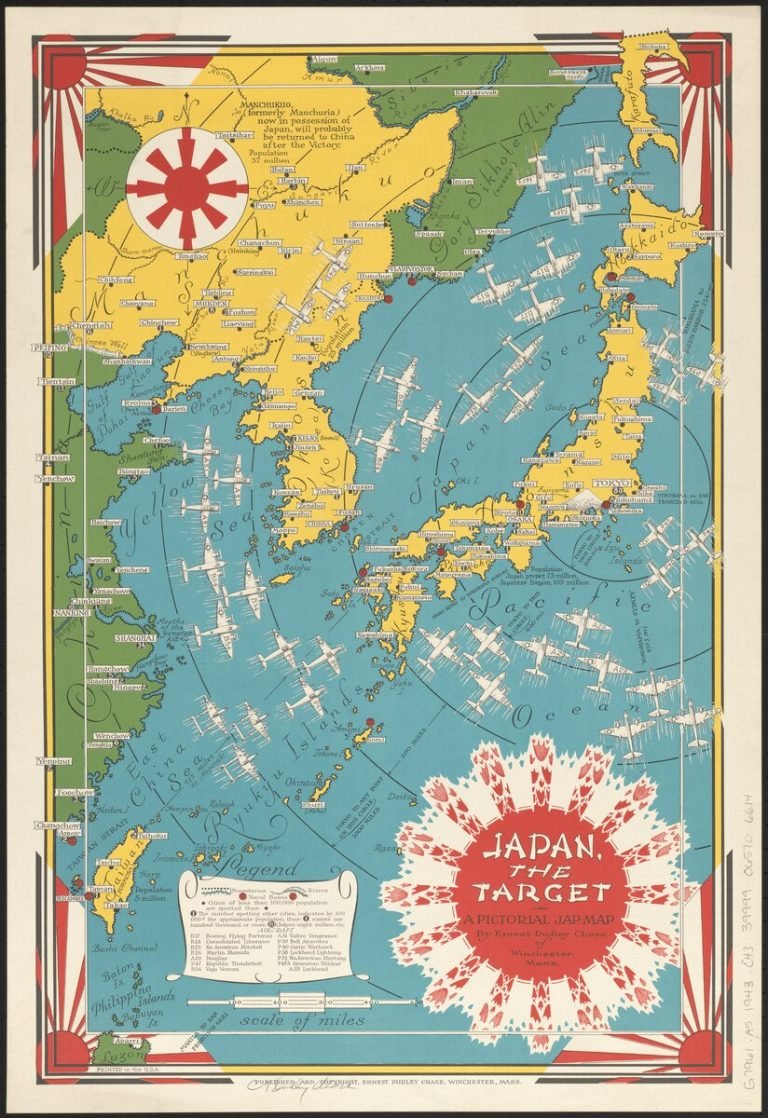
Asia before the war was defined by imbalance. Colonial governments controlled resources, trade routes, and political institutions, while local populations were largely excluded from power. Independence movements existed, but they were fragmented and often suppressed. The belief that empire was permanent shaped global assumptions. That belief was shattered not by ideology, but by military reality.
Unlike Europe, war arrived in Asia earlier and unfolded differently. Japan’s invasion of China in the 1930s destabilized East Asia long before Germany marched into Poland. This conflict revealed that global war was no longer a Western monopoly. When Japan expanded southward in 1941, colonial administrations across Southeast Asia collapsed with shocking speed. Singapore fell. Indochina fractured. The Dutch East Indies were overwhelmed. European power, long portrayed as unassailable, disintegrated almost overnight.
Japanese occupation did not mean liberation. It brought brutality, forced labor, famine, and repression. Yet it irreversibly altered political consciousness. For the first time, millions across Asia witnessed colonial rulers defeated by another Asian power. The myth of European invincibility died. Even where Japanese rule was cruel, it proved one thing beyond doubt: empire could fall.
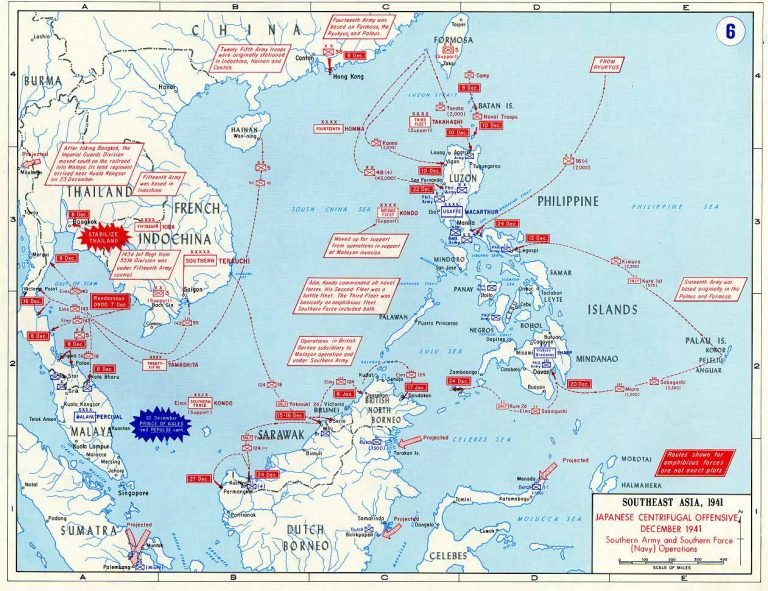
China’s experience during the war reshaped Asia’s future profoundly. Prolonged conflict devastated the population and economy, but it also destroyed the old political balance. Wartime resistance and mobilization transformed Chinese society. When the war ended, China did not revert to its prewar structure. Instead, internal struggle intensified, leading to a new political order that would redefine East Asia’s balance of power for generations.
Korea’s fate illustrates the tragic ambiguity of liberation. Freed from Japanese rule in 1945, the peninsula became an immediate casualty of global rivalry. Foreign armies arrived not as occupiers, but as guarantors of order. Temporary administrative lines hardened into permanent borders. What should have been a moment of national rebirth became division, embedding Cold War logic into geography. The Korean Peninsula stands today as one of World War II’s most enduring consequences.
Southeast Asia underwent one of the fastest political transformations in modern history. Colonial governments attempted to return after the war, but the legitimacy they once held was gone. Independence movements, often armed and deeply politicized by wartime experience, refused restoration of the old order. New nations emerged not through negotiation alone, but through struggle. Borders drawn hastily under pressure became the foundations of modern states.
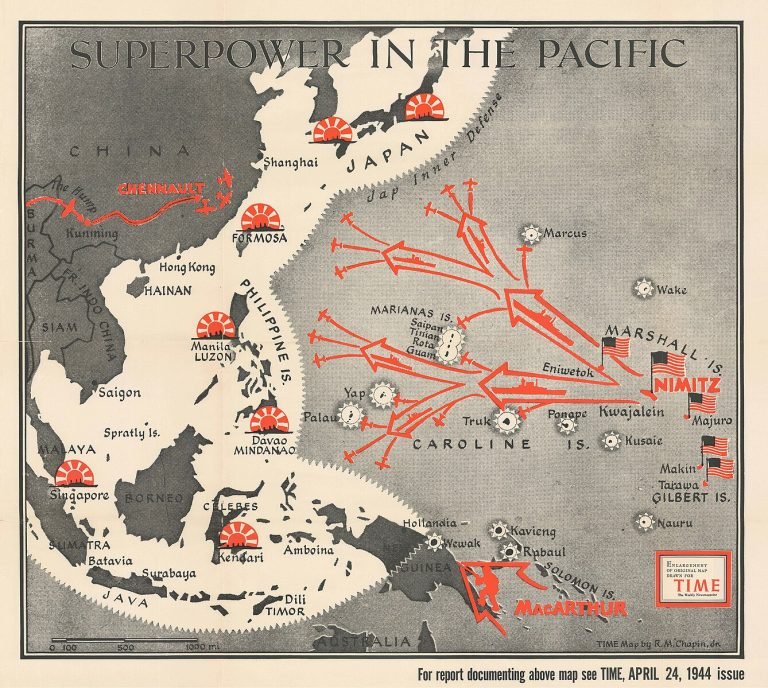
These new borders were not neutral. They were shaped by wartime alliances, ethnic divisions, and Cold War strategy. Lines drawn on maps often ignored cultural realities, embedding tension into national frameworks. In many cases, conflict did not end with independence. It merely changed form.
The Cold War froze wartime outcomes into permanent structures. Asia became a frontline of ideological rivalry. Nations aligned, divided, or fractured along lines first drawn during the war. Decisions made in moments of crisis became enduring realities. Borders that were meant to be temporary hardened into identity.
Beyond politics, World War II reshaped how Asian societies understood themselves. Trauma became foundational. In some countries, memory was formalized through monuments and education. In others, silence prevailed. Yet everywhere, wartime experience influenced national narratives. Survival, resistance, victimhood, and resilience became key components of identity.
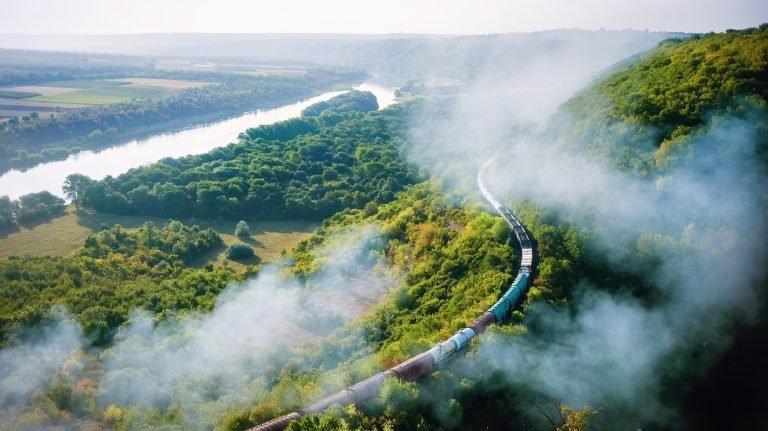
Traveling across Asia today reveals this history embedded in space. Former battlefields, colonial architecture, railways, and memorial sites remain part of everyday landscapes. Cities rebuilt over ruins carry invisible layers of memory. Understanding these places transforms travel into historical reading. Borders crossed today reflect choices made under wartime pressure decades ago.
World War II redrew Asia’s map not only geographically, but psychologically. It replaced imperial hierarchy with national consciousness, even as new dependencies emerged. Independence arrived alongside division. Sovereignty came with unresolved conflict.
Why does this history still matter? Because Asia’s contemporary geopolitics cannot be separated from wartime outcomes. Territorial disputes, alliances, and regional tensions trace directly back to decisions made during and immediately after the war. The map we see today is not natural or inevitable. It is the result of crisis, compromise, and unfinished reckoning.
World War II did not simply end empires in Asia. It forced the continent to confront modernity, power, and identity simultaneously. The war rewrote Asia’s destiny, and the ink has never fully dried.
Comment (0)